Speeding, tailgating and road rage: All in a day’s work for Beaufort County’s police
READ MORE
Beaufort County Traffic
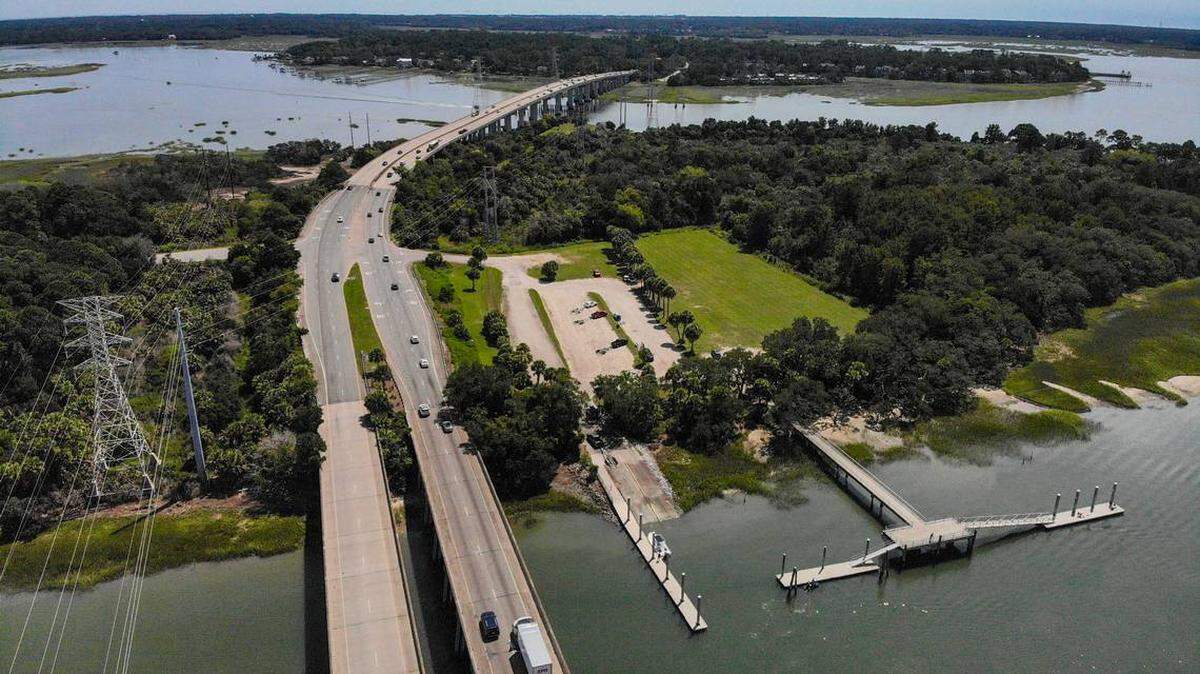
As Beaufort county’s population has grown in recent years, bringing more vehicles to the roads, the diverse mix of drivers are contributing to the increase in traffic volume at intersections.
Expand All
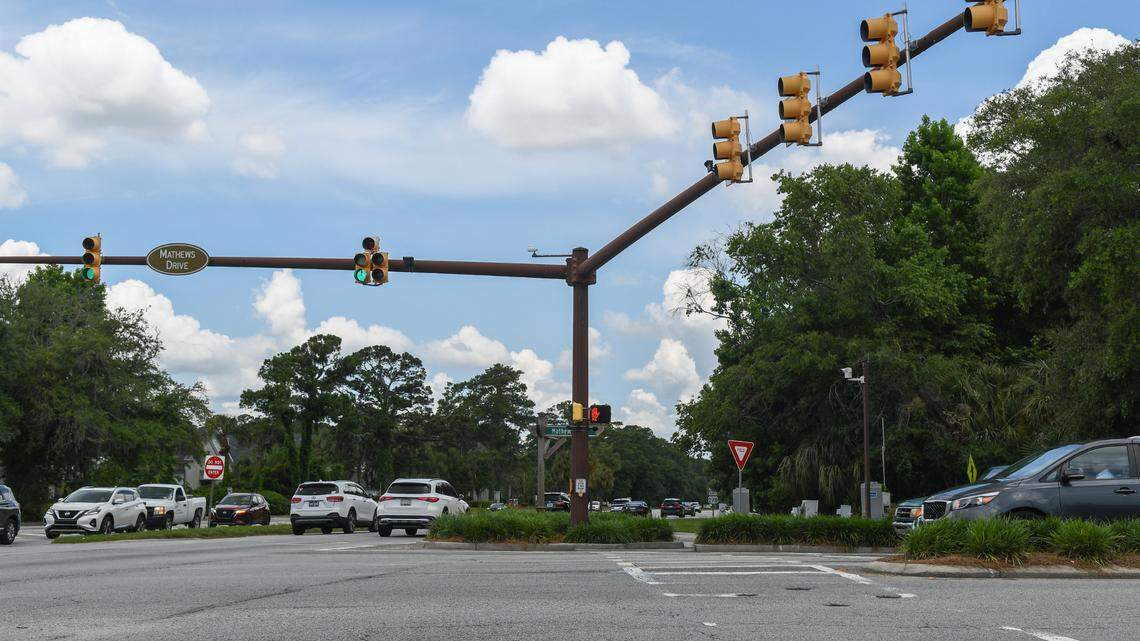
Ask any driver in Beaufort County about their least favorite local route, and they’ll likely have a well-rehearsed answer. A snaking, dimly lit back road. An intersection with near-constant collisions. A highway that feels more like a speedway during rush hour.
Add into the equation the challenges of white-knuckled motorists hoping to merge before hearing horns or worse. Beaufort County’s roadways and drivers are the source of much criticism on social media; there’s even a Facebook group with nearly 20,000 members who share their stories about local “bad drivers.” Many posts involve traffic cut-offs, tailgaters and road rage incidents.
Recent reporting from The Island Packet and Beaufort Gazette revealed the 10 most dangerous roadways and intersections in the county, with data showing problem areas ranging from Hilton Head Island to the upper reaches of Beaufort. A total of 13 residents were killed in collisions in the first six months of 2024, suggesting an increased annual death toll if current rates persist.
As injuries and fatalities rise and local populations continue to outgrow existing infrastructure, law enforcement controls the chaos by focusing on high-traffic areas with higher rates of severe collisions. Surprising to some, the majority of local agencies have no dedicated traffic enforcement teams. But each has a different strategy for policing the roads — whether it’s cracking down by issuing citations or diving into the data of crash hot spots to make best use of police resources.
Here’s what officials said about their strategies in the constant fight to make Beaufort County’s streets safer.
Beaufort County Sheriff’s Office, including Hilton Head
With local municipalities mostly covered by their respective police departments, the sheriff’s fleet of police cruisers patrols primarily in unincorporated Beaufort County, according to sheriff’s office spokesperson Master Sgt. Danny Allen.
With a much higher case volume and about 400 square miles of non-municipal land, the Beaufort County Sheriff’s Office has limited resources for traffic enforcement. The department does not have a designated traffic team, but its dozens of patrol vehicles ensure a wide scope of surveillance for traffic violations when officers aren’t responding to calls.
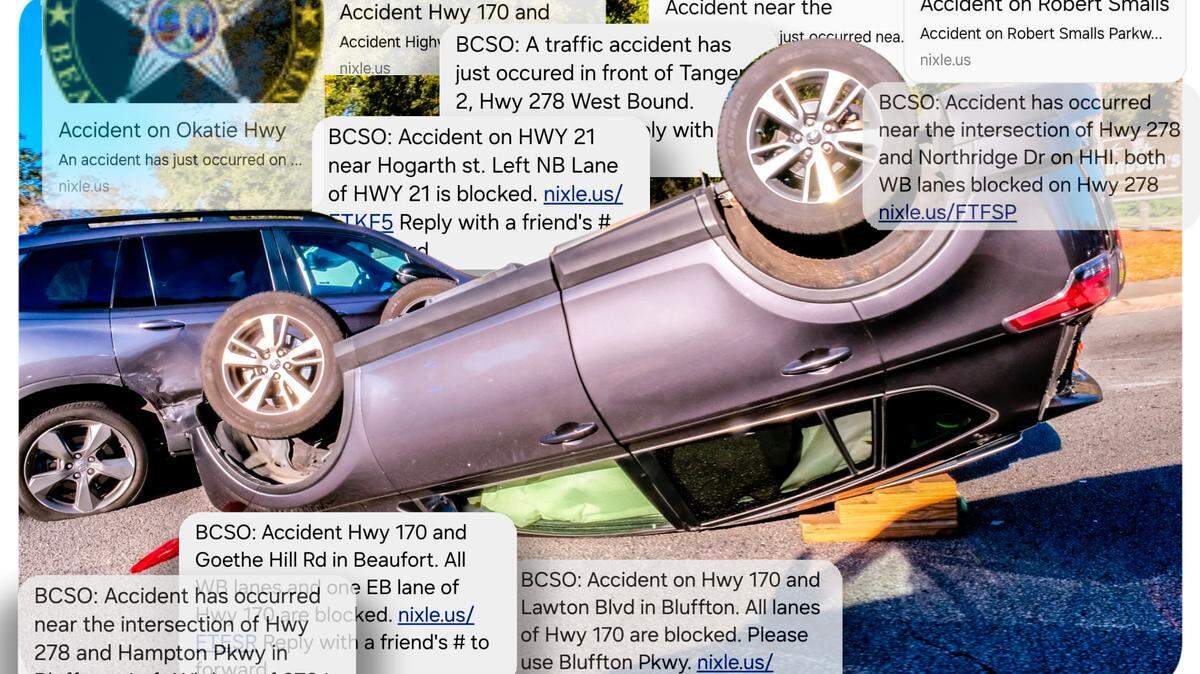
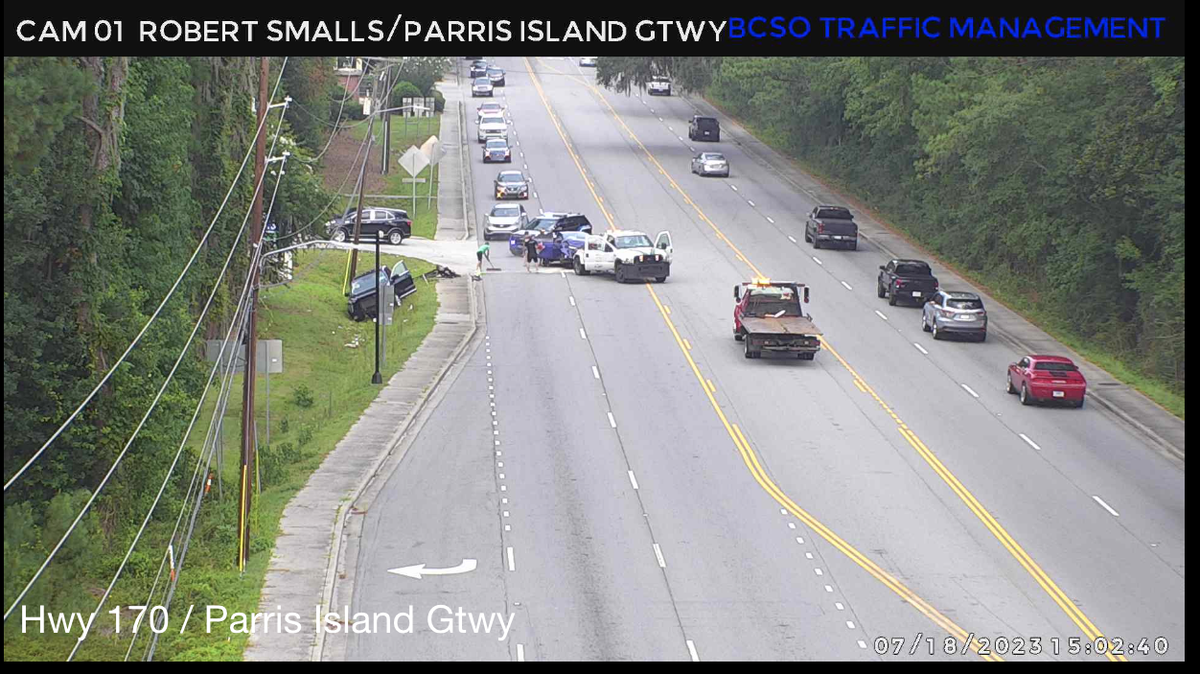
But the county has another asset with plenty of extra eyes: the Beaufort County Emergency Management Division, which operates out of the sheriff’s office headquarters in Beaufort. That team is constantly monitoring the county’s 80-plus live traffic cameras and sending traffic-related Nixle alerts to alert drivers of accidents, road hazards or potential backups. The division also communicates with police, fire crews and EMS personnel to help coordinate a necessary response.
If deputies are tied up with other calls when a collision occurs, sheriff’s office personnel can ask troopers from the South Carolina Highway Patrol to respond, Allen said.
The sheriff’s office is also in charge of on Hilton Head, which notoriously is Beaufort County’s only municipality without its own police force. In recent years, the town has paid the department about $2 million annually as it continues its lengthy legal battle with the county over how the island should pay for police services.
Traffic enforcement on Hilton Head is largely similar to operations in the rest of the county, according to Allen. Like anywhere else, officers will concentrate in areas with increased collisions and where residents report dangerous conditions.
Bluffton Police
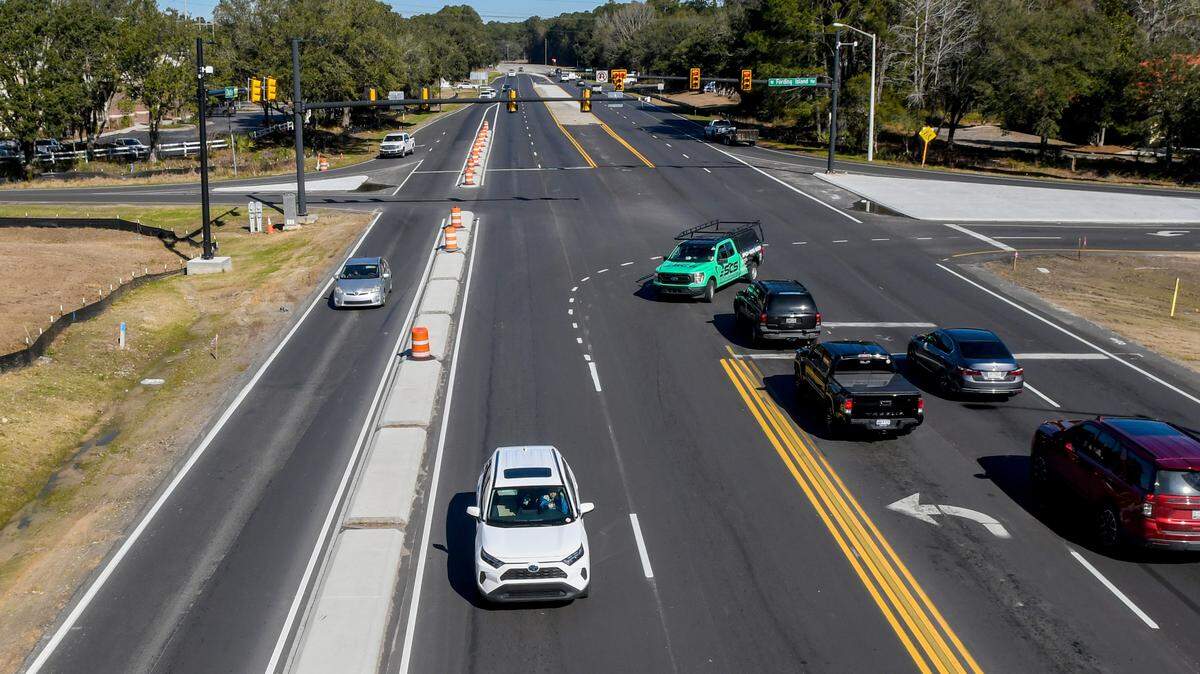
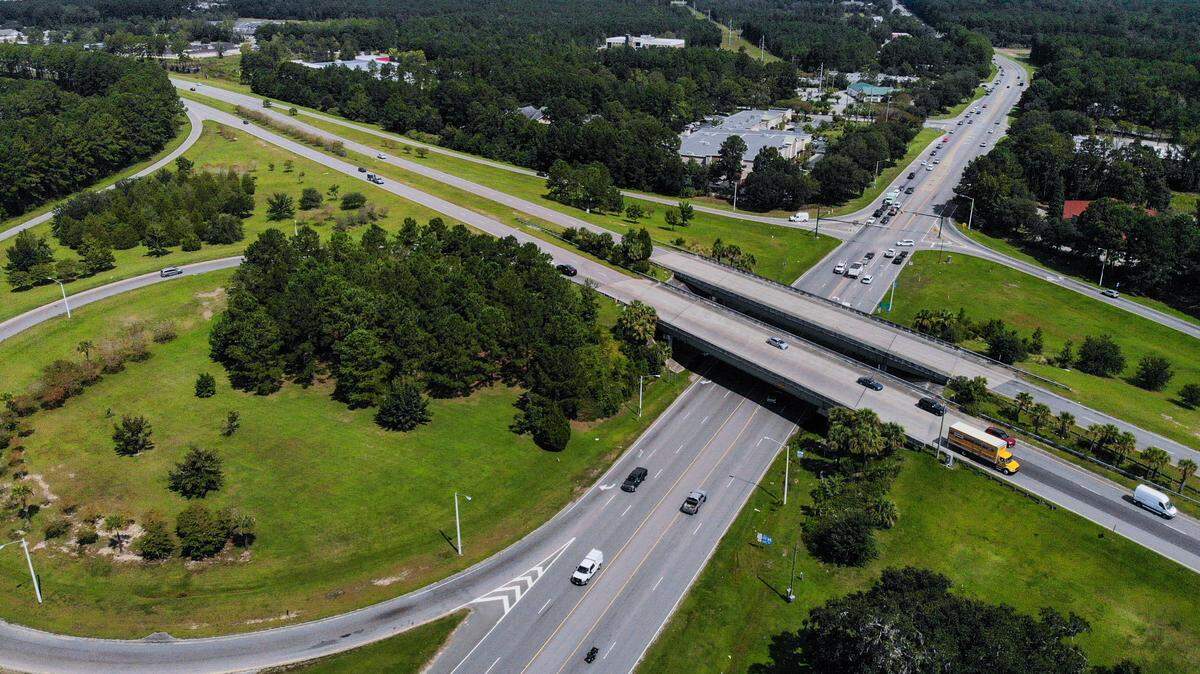
Serving as a crossroads between Savannah, Hilton Head and northern Beaufort County, Bluffton sees traffic flow comparable with Hilton Head, sometimes higher. In July of 2021, the South Carolina Department of Transportation recorded nearly 67,000 vehicles crossing in and out of town limits via Fording Island Road in a 24-hour period.
Last summer, social media outrage related to a rising pattern of traffic fatalities prompted the Bluffton Police Department to host a series of town halls on traffic safety. At those meetings, Chief of Police Joseph Babkiewicz said the agency had recently begun creating overtime patrol shifts to help increase coverage of the town’s roadways.
Those overtime shifts were discontinued about a month after their implementation, Babkiewicz said, both because the shifts were difficult to fill and the department had not seen significant results.
Although Bluffton’s police force included two full-time traffic officers as recently as last summer, those positions could not be filled as of August 2024 due to a lack of personnel, according to Babkiewicz. The department hopes to have two officers “dedicated to the traffic team” as staffing levels improve, he said.
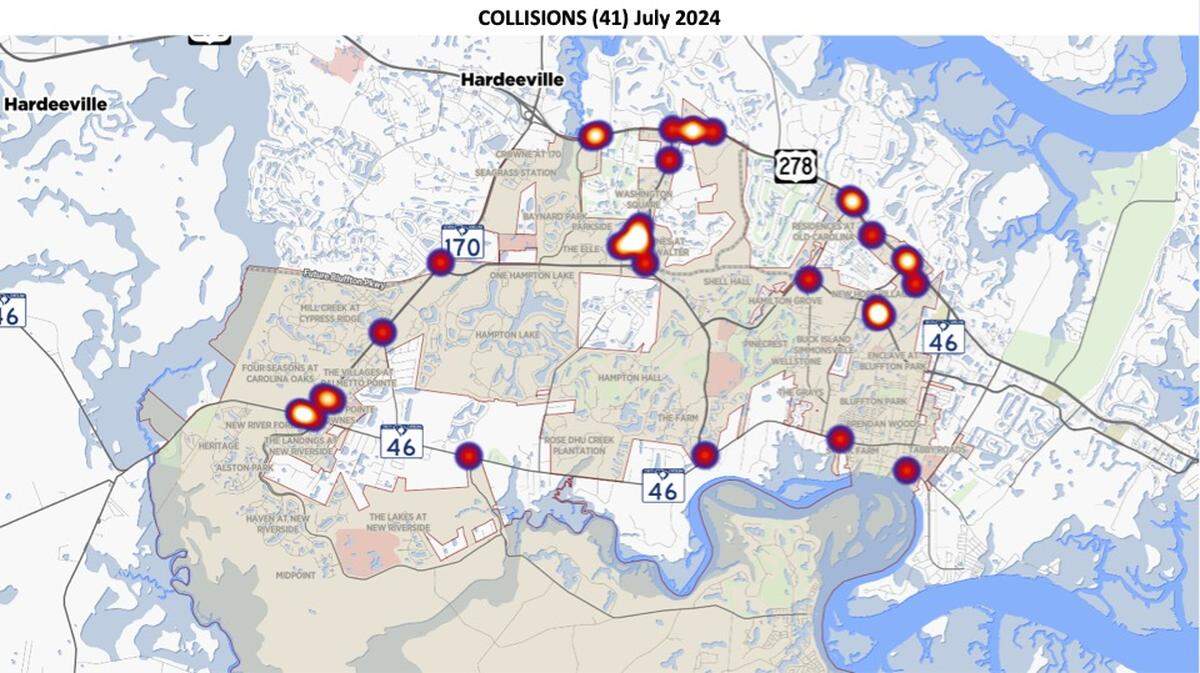
Like any other agency, traffic enforcement happens constantly while officers are on the road. While their main focus is responding to calls and watching for suspicious activity, the four to six Bluffton officers on patrol during any given shift are encouraged to focus on areas where accidents happen more frequently, Babkiewicz said. Every month, the command staff displays a heat map of the previous month’s crashes, citations and warnings, asking sergeants to review the data and keep the hot spots in mind.
“There may be times when a citizen calls and complains, saying, ‘Hey, I’m getting a bunch of speeding in this area.’ So, we’ll set up a directed patrol based upon citizen complaints,” Babkiewicz said.
The chief said his department is planning to lean further into his data-driven traffic enforcement plan, using past months’ patterns to assign “directed traffic enforcement” wherein officers patrol for traffic violations in highly specific areas. As the school year kicked off in the beginning of August, for instance, his teams were assigned to school zones.
But statistics can’t predict every collision in town limits, Babkiewicz acknowledged.
“Everywhere is a special watch for us,” he said. “It seems like if we focus our attention on one area, accidents are happening somewhere else.”
Simply having a patrol vehicle present along major roadways often helps discourage speeding or distracted driving, the latter of which is the leading cause of accidents in Bluffton, according to Babkiewicz. As officers type up their reports for the day inside their cruisers, they’re encouraged to park on the side of the road and run radar on passing traffic.
“That’s what our purpose is: to deter bad driving habits,” Babkiewicz said. “If we have to do that through enforcement, then that’s what we’ll do — and we’ll base it upon data-driven information that we’re receiving each month.”
SC Highway Patrol
With the authority to enforce traffic laws on any public road in South Carolina, the state Highway Patrol helps fill in the gaps of traffic enforcement that can’t be covered by local police in Beaufort County. Troopers are on the lookout for all vehicle-related offenses, but most of their cases boil down to four violations: speeding, driving under the influence, driving distracted and failing to wear seatbelts.
Beaufort County is patrolled by Troop 6, which also includes Berkeley, Charleston, Colleton, Dorchester and Jasper counties.
Highway Patrol has dedicated units that will conduct enforcement on roads shown by statistics to be “problem areas,” but much of the decision-making is left up to “officer discretion,” according to Trooper Nick Pye, a spokesperson for Troop 6.
“A computer and data will tell you a lot of information, but it won’t tell you everything you need to know,” Pye said. “Having troopers with boots on the ground, out there in the field is going to tell us a lot more.”
While the agency commits itself to preventing impaired driving and fatal accidents, Pye emphasized that safety on the roadways is a “partnership” between all levels of law enforcement and every driver statewide.
“We’re not able to be everywhere at one time,” he said. “We have to have the motoring public understand that when they drive, that is the most dangerous thing a normal person will do on a daily basis — because it is. We have to have the public’s help in saying ‘I’m going to do the right thing.’”
Beaufort Police
In addition to the Beaufort Police Department’s five to seven patrol cruisers making their rounds during each shift, the city also employs four officers as part of a Community Response Team, which focuses on traffic enforcement and other community-oriented practices. Two of those specialized officers are on-shift at all times and are assigned on an “as-needed basis” based on existing traffic data and neighborhood complaints, according to agency spokesperson Lt. Lori Reeves.
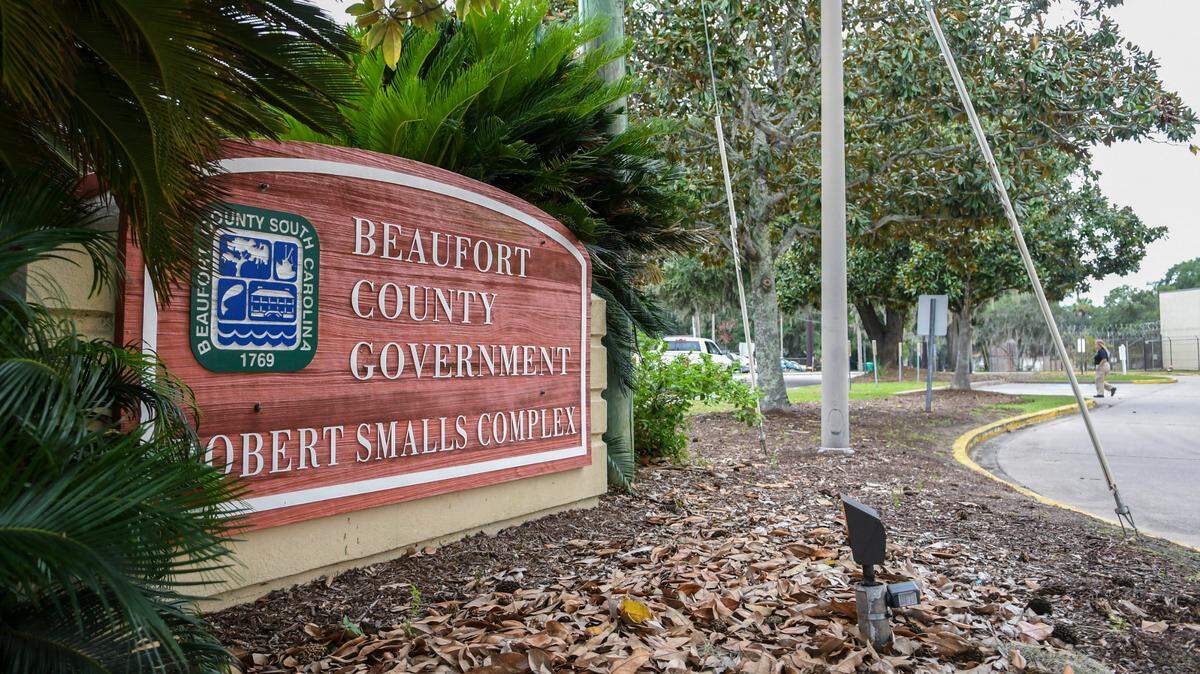
The entire patrol team is also responsible for conducting traffic enforcement, Reeves said. By nature of their high-density traffic flows, Beaufort’s main roads featured on the dangerous intersection list — Parris Island Gateway, Robert Smalls Parkway and Boundary Street — are patrolled most frequently.
Port Royal Police
The small town of Port Royal is Beaufort County’s only municipality that’s not represented in the top 10 list of dangerous intersections, but its police force is the only local agency to employ a dedicated traffic enforcement officer.
Funded through a state grant, the full-time traffic officer decides where to patrol based on traffic counts, average speeds, collision hot spots and complaints from residents, said Capt. John Griffith, a spokesperson for the Port Royal Police Department. The grant also pays for other officers’ overtime spent on traffic checkpoints and “saturation patrols,” which target specific areas where impaired driving is believed to be more common.
Even with its relatively small but growing population of about 16,000, data indicate Port Royal police crack down on traffic at similar or higher rates than neighboring law enforcement. From the beginning of 2024 to Aug. 20, the department issued a total of 3,833 traffic citations and warnings, keeping pace to exceed 6,000 by the end of the year.
Port Royal’s rate of issuing citations and warnings is about 50% higher than that of Beaufort — the town’s slightly less populous but more well-known neighbor — and is on par with Bluffton, whose population is about twice as large.
This story was originally published August 22, 2024 at 12:34 PM.