Hilton Head’s sea turtle nesting season starts May 1. Here are 5 things to know
Sea turtle nesting season is on the horizon on Beaufort County’s beaches.
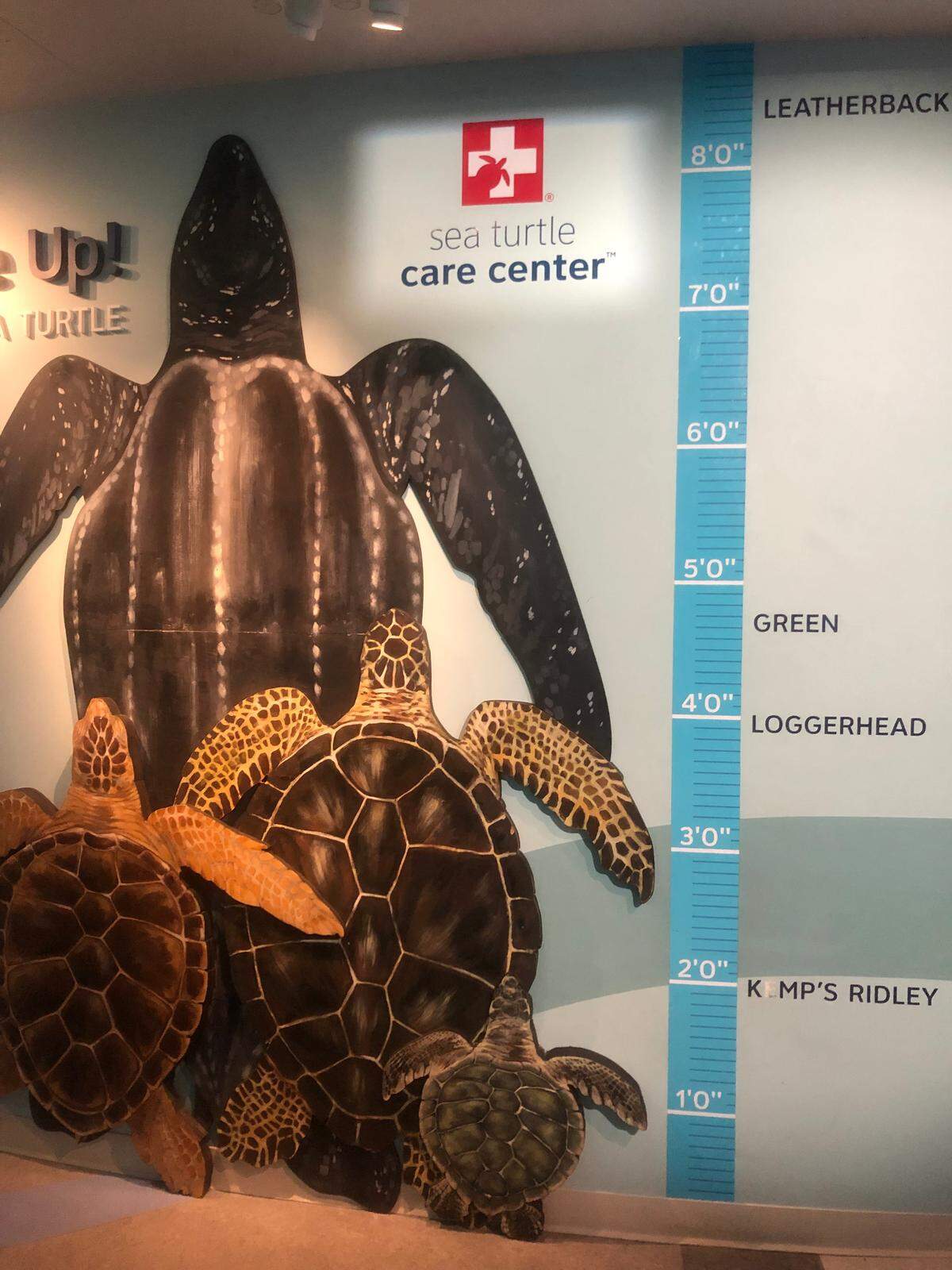
From May 1 to Oct. 31, Hilton Head and Hunting Island recognize sea turtle nesting and hatching season. During that time, hundreds of Loggerhead sea turtles — along with the occasional Green or Kemp’s Ridley turtle — lay nests on the beach that hatch thousands of tiny turtles later in the summer.
Coinciding with the start of turtle season, Hilton Head has put in place new rules on beachfront lighting to protect the hatchlings from becoming disoriented.
The lighting ordinance follows other beach rules the town passed in 2019 — including limits on the size of holes that can be dug in the sand and personal property left there overnight — to protect the island’s endangered visitors.
Here are five things to know about sea turtle nesting season and how to protect the reptiles:
1. Don’t disturb or touch sea turtles or their nests
Female sea turtles come up the beach at night and lay their nests before returning to the ocean.
If you see an adult sea turtle or her nest, don’t touch or disturb it! Approaching a sea turtle or moving eggs in a nest can disrupt the nesting process and damage the animals.
After 60 days, the eggs in the nests begin to hatch, and baby sea turtles make their way to the ocean. If you see hatchlings making this journey, don’t pick them up or otherwise interfere with the natural process.
2. Pack in, pack out
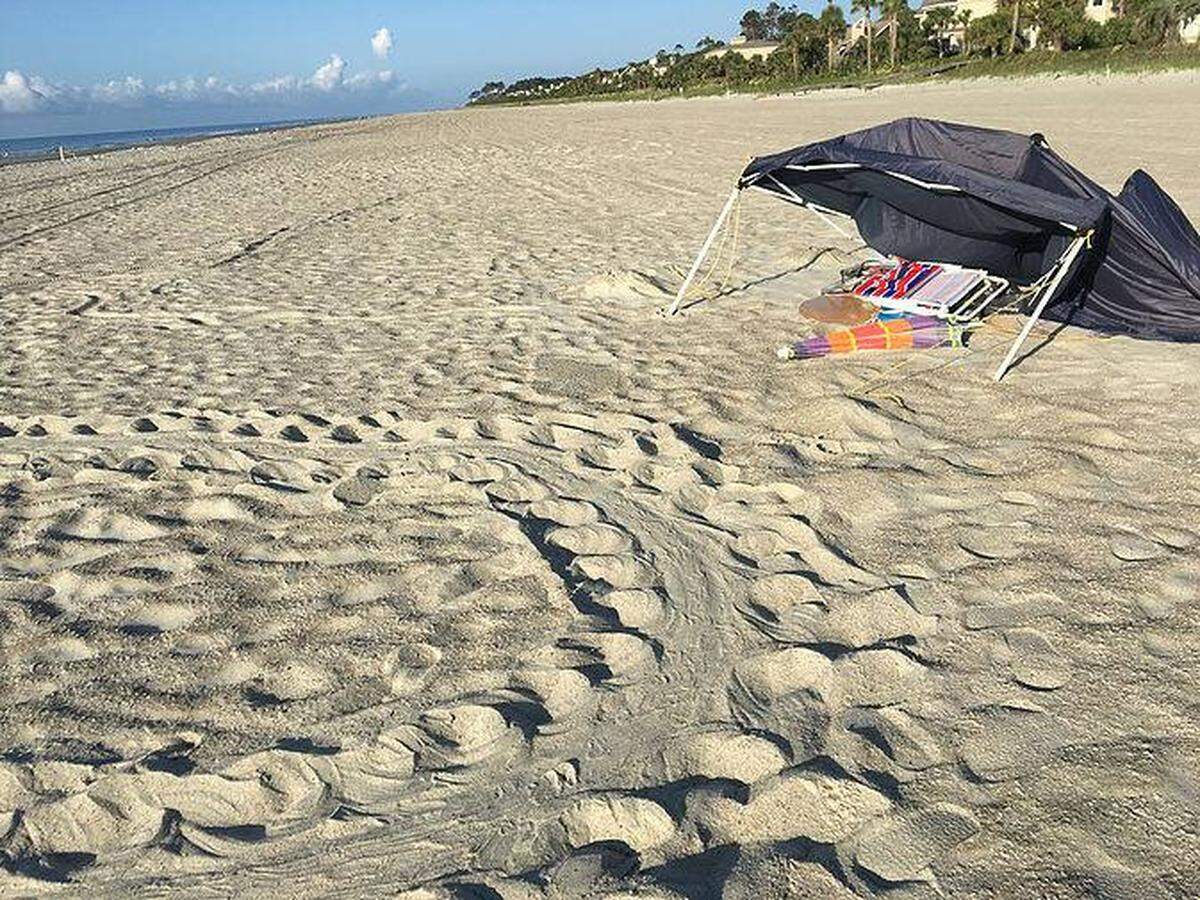
If you bring tents, chairs, food or drink to the beach, make sure you leave with it.
The Town of Hilton Head Island’s beach access points have wooden trash corrals to collect garbage, but they are not designed for furniture or coolers.
Property left on the beach overnight can threaten nesting or hatching sea turtles by forcing females to turn around before reaching the dune line or trapping hatchlings trying to make it to the ocean.
In 2019, the town passed rules that ban large shovels and holes from being left overnight on the beach. The ordinance also gave the town authority to remove personal property, such as tents or beach chairs, left overnight.
3. We have a strong history of turtle nesting on Hilton Head
In 2020, Hilton Head’s beaches were home to 291 sea turtle nests, according to tracking software used by the volunteer group Sea Turtle Patrol Hilton Head Island.
All of the nests belonged to Loggerhead sea turtles.
In 2019, the island broke records with 463 sea turtle nests. Of those nests, most belonged to Loggerhead sea turtles, but two belonged to Green sea turtles and one belonged to the rarest species of sea turtle in the world, the Kemp’s Ridley.
In the 2018 season, Hilton Head recorded 179 nests on the island’s beaches.
4. There’s a huge volunteer force behind protecting turtles
Hundreds of volunteers with the Turtle Trackers group comb the beach at sunset each day to fill in holes and collect trash that can threaten sea turtles.
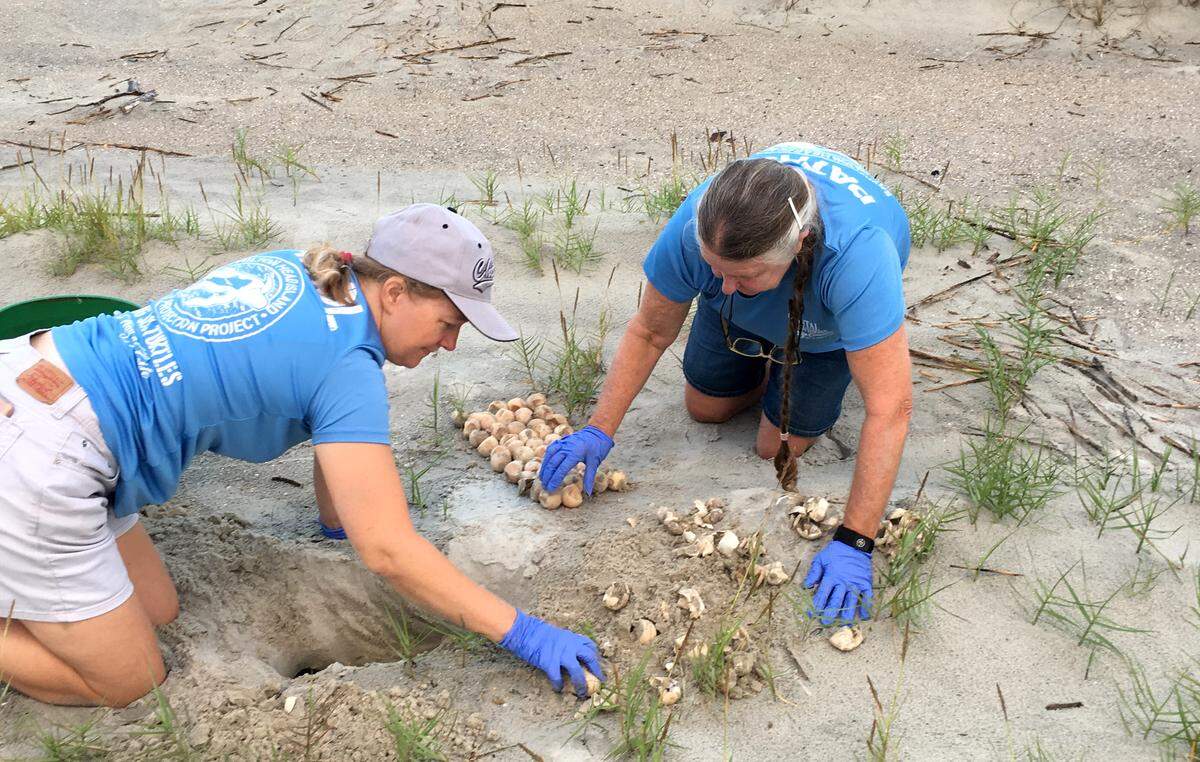
At sunrise, members of the Sea Turtle Patrol organization track and collect data on sea turtle nests and hatching rates.
Only Sea Turtle Patrol members are permitted by the S.C. Department of Natural Resources to touch or otherwise interact with sea turtle nests or the animals.
5. There are new lighting rules
On March 16, Hilton Head’s Town Council adopted new lighting rules for beachfront property owners that go into effect May 1.
If you don’t own property on the beach, use amber-colored filters on your flashlights or keep the beach dark to avoid disorienting sea turtles.
Here are the details of the new rules for existing development:
One or more of the following options must be used to make interior artificial light less visible from the beach between 10 p.m. and 6 a.m. during sea turtle nesting season:
- Use opaque material like curtains, blinds, drapes or solar screens to cover windows and glass doors that are visible from the beach between 10 p.m. and 6 a.m. during sea turtle nesting season — May 1 through Oct. 31.
- Apply tint or film with a manufacturer-verified, inside-to-outside light transmittance value of 0.45 (45%) or less to windows and glass doors that are visible from the beach.
- Use shields on light fixtures visible from the beach.
- Use long wavelength lightbulbs in light fixtures that are visible from the beach.
- Turn off interior lights that are visible from the beach between 10 p.m. and 6 a.m. during sea turtle nesting season.
Full details about the lighting ordinances can be found on The Island Packet website.