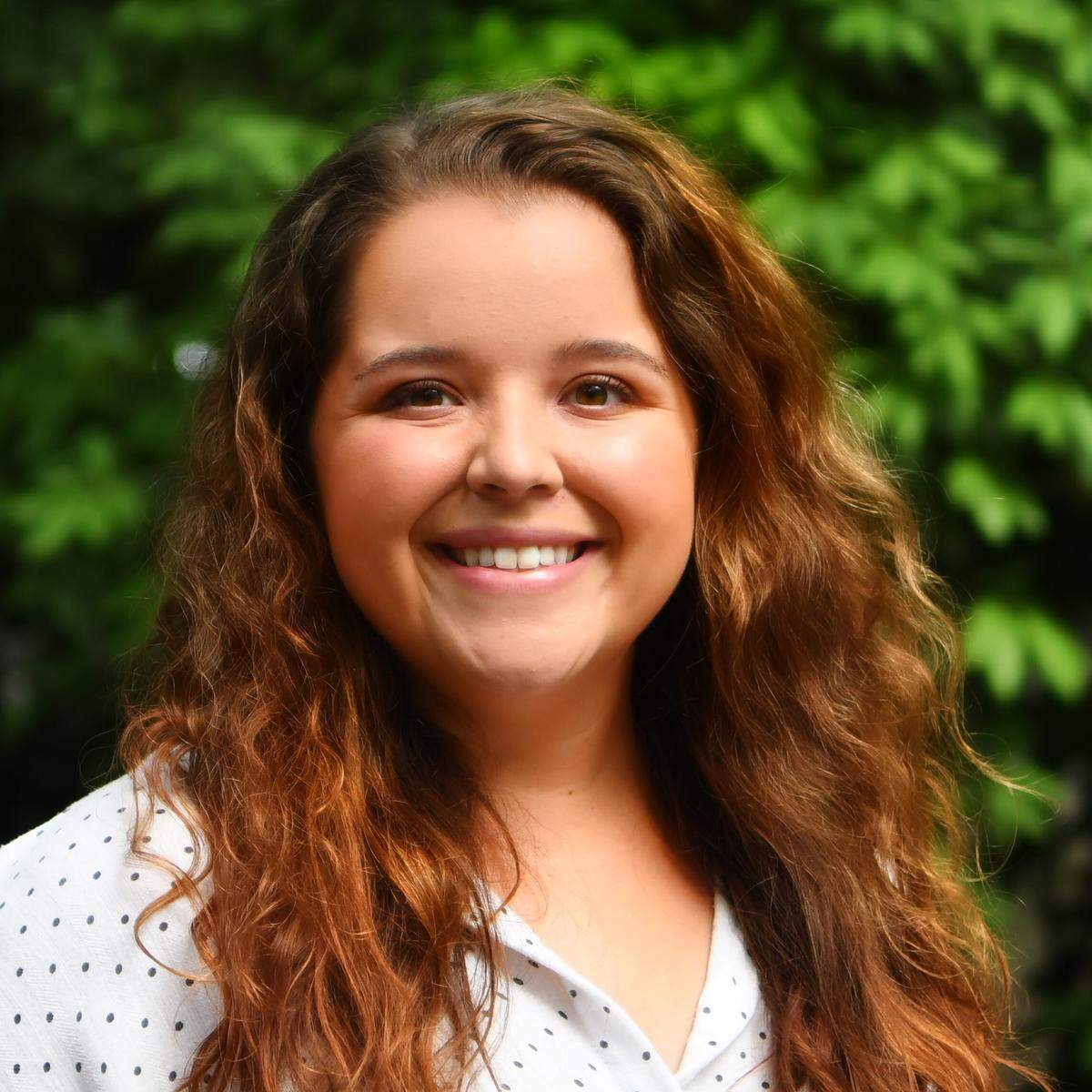
She works day and night to keep Hilton Head’s sea turtles safe. Meet Captain Amber
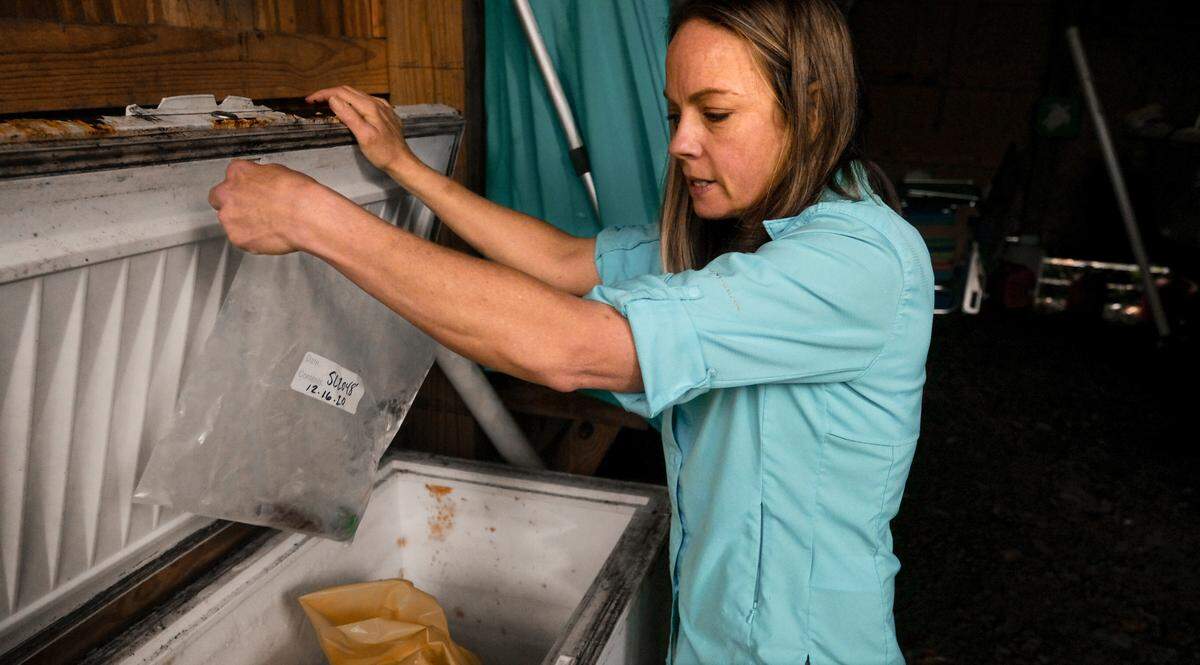
There’s a woman in Bluffton with heads in her freezer.
But Amber Hester Kuehn isn’t a criminal; she’s an accomplished scientist.
Kuehn, 46, is the only marine mammal recovery volunteer authorized to work on Hilton Head’s beaches. That means she drops everything, even on her birthday or on Christmas Day, when an animal washes onto the beach and scares the living daylight out of tourists.
She takes measurements and samples from animals found on the beach and brings them to the National Oceanic and Atmospheric Administration in Charleston for analysis.
But the samples and animal heads first have to make a pit stop in her Alljoy home.
Like any fourth-generation Bluffton kid, Kuehn’s life isn’t just spent on the water. It revolves around it.
She grew up boating on the May River and exploring Calibogue Sound. She spent so much time interacting with dolphins that they began to recognize her and anticipate the food she’d bring them (feeding dolphins wasn’t illegal until 1992).
Now, Kuehn spends hours before sunrise during sea turtle nesting season patrolling the beach and reporting the nest locations and their contents from Hilton Head Island’s most cherished reptile.
She’s the person The Island Packet’s reporters call when a beachcomber or surfer finds an animal on the beach — like a pygmy sperm whale or a giant sturgeon.
And she’s the guide who shares her love and knowledge of the Lowcountry’s ecosystem with Beaufort County school children and groups of Sun City adventurers nearly every weekend of the year on her 20-passenger tour boat.
Sea turtle protection on Hilton Head
A lot of people are fighting to maintain Hilton Head’s environment. But very few of them have counted every turtle that died in the sand dunes crawling toward a flood light or camped out on the beach during renourishment to make sure animals didn’t get hit by the heavy machinery.
Asked whether she ever feels alone, Kuehn immediately brightens as she thinks of her army of 350 volunteers who comb the beach every night to remove threats to sea turtles.
“I felt like that for a long time until I started Turtle Trackers. It wasn’t that people weren’t interested,” she said. “They didn’t know how to go about it.”
In 2016, she gave them a way.
Kuehn is now the head of the Hilton Head Island Sea Turtle Patrol, the co-founder of the Turtle Trackers and on its advisory board. She’ll remind you the organizations are distinctly different.
The patrol goes out to the beach before sunrise and records every sea turtle nest’s location, egg count and status. They witness the false crawls into the dunes and magnificent daytime nesters who attract crowds of beachgoers for a once-in-a-lifetime experience.
That group is certified by the S.C. Department of Natural Resources. Otherwise, it’s illegal to touch a turtle or disrupt it in any way.
The Turtle Trackers are volunteers who comb the beach between May 1 and Oct. 31 to remove obstacles — like large holes in the sand and chairs left on the beach — that could trap and kill hatchlings.
It’s also the group that shows up in huge numbers to advocate for sea turtle protection legislation. Before the pandemic, when meetings were held in person, Turtle Trackers wore T-shirts, brought pieces of beach trash they’d found and sported nearly any turtle accessory you could imagine in support of Kuehn and her movement.
“They spend so much time trying to make the island better,” she said of the volunteers. “There’s nobody listening to one person. It really takes a village to be heard.”
Captain Amber
When she left the Lowcountry to get her undergraduate degree in biology at the University of Georgia in 1992, Kuehn began her only stint away from home. Life took her to Ft. Lauderdale for her master’s degree and then to Maui for two years, where she worked on a dive boat taking people scuba diving.
There, she met a diver from Oregon named Jeff. They’ve now been married for 13 years.
“I wouldn’t trade (those years) for anything,” she said.
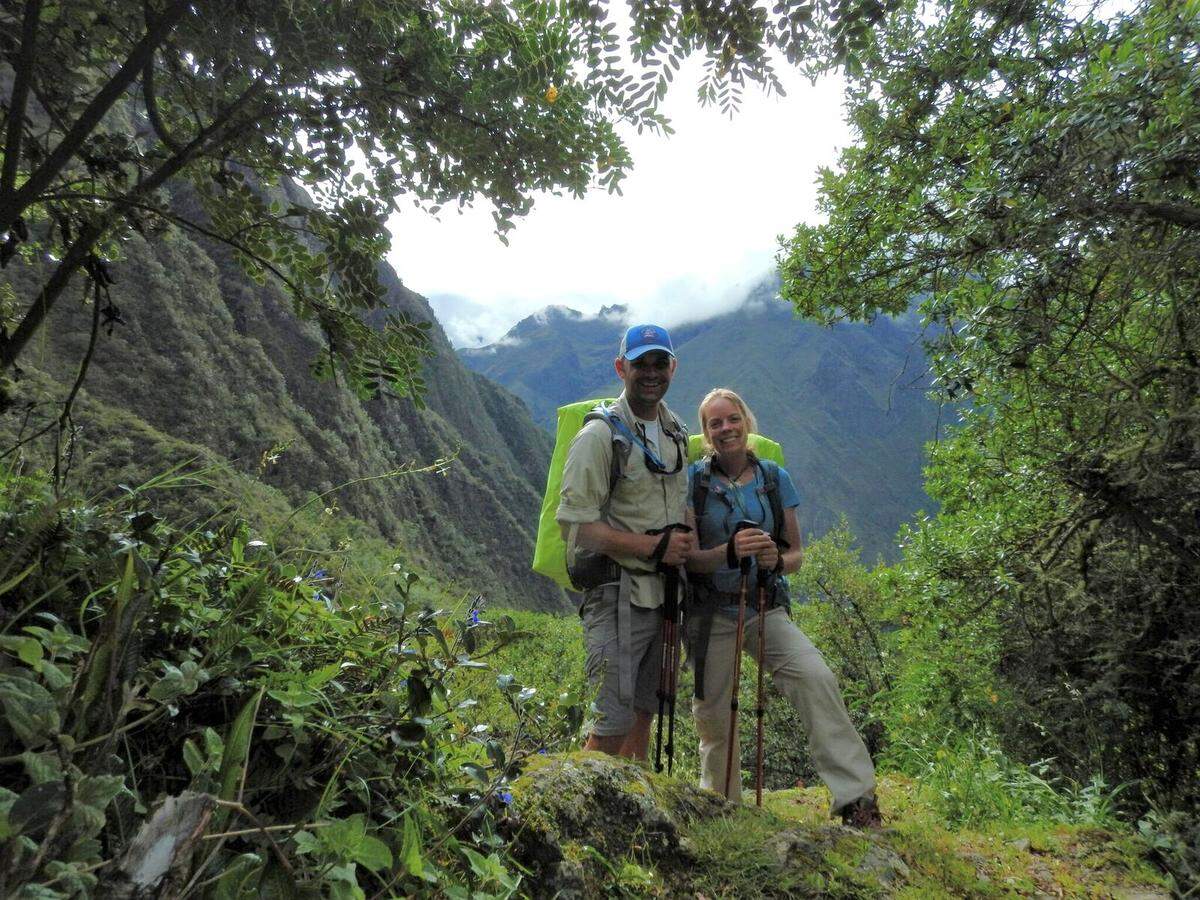
When she returned to the Lowcountry, Kuehn worked a string of jobs that got her out on the water: She drove around visitors on the water at Palmetto Bluff and managed Bray’s Island Plantation boating department before taking a job with Mike Overton’s Outside Hilton Head as a tour guide.
That’s when the diver and captain realized she had a story to tell.
It wasn’t about what she could do or where she’d been, but rather about where she grew up.
“Once I started telling people where I grew up, I was like ‘oh my gosh they really like listening to me,’” she said. “When something is interesting to you and you’re telling someone about it, it comes across as something more. It’s something that you believe in.”
Visitors requested “Captain Amber” because she could tell them about the waterways she’d wandered as a child. She told them about the animals she knew so well that she knew when they were tired of interacting with humans. (They slap their tails against the water, by the way.)
So it wasn’t long before Kuehn had to tell Overton she was buying her own boat to start her own company.
Today, Kuehn scoots a mile down Alljoy Road in her golf cart to her childhood home, where her parents still live. But when she gets there, it’s no tiny fishing boat that awaits her.
Her educational tour boat is docked out back. Kuehn bought it herself. She takes the reservations, drives the boat and gives the tour. She’s a one-woman show.
Before the coronavirus pandemic, Kuehn’s Spartina Marine Education Charters was booked solid for the entire year. She shut down the boat completely last summer with the intention of reopening when it’s safer.
Changing ‘a natural place’
Like any Bluffton native, Kuehn has seen the place she loves change so much that sometimes, it’s barely recognizable.
When she was growing up, her family would hop in the car and make the drive to Coligny Beach. They’d park in the middle of the traffic circle.
Right on the pine straw.
“It was like a forever drive to Coligny, with trees on both sides all the way down,” she remembers.
Now, the journey is cluttered with stop lights, fender-benders that make traffic move like molasses, and a toll road that empties into a 400-car parking lot.
Kuehn remembers when she could tell every person on the Bluffton sandbar by the boat they arrived in. She recalls catching a barrel full of crabs in the May River with just a string and chicken’s neck.
Now, it’s hard to find one crab of each sex from the river to show her tours.
Across the country, development and environmentalism always seem to be at odds, but Kuehn said it hasn’t always been that way on Hilton Head.
“The whole premise of Hilton Head was it was a natural place,” she said.
You still need a permit to cut down a tree, and Kuehn is fighting to limit beachfront lighting to protect the nesting sea turtles.
But, like many locals, she sees hours-long wait times at restaurants and thousands of personal items left on the beach as a side effect of overdeveloping a finite piece of land.
“If you really knew how much it’s changed, you would fall off your chair.”
Science on the beach
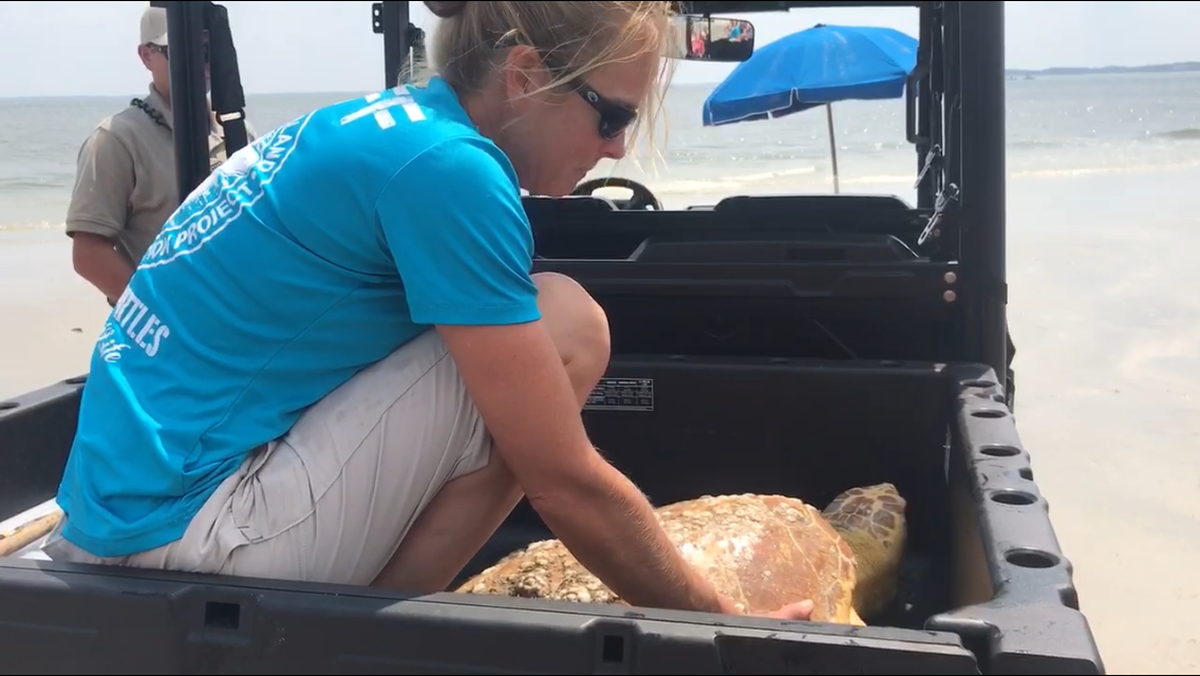
People call Kuehn at all hours of the day and night. They tell her an animal has washed up on Hilton Head’s beach, and she needs to come take a look.
She drops what she’s doing, slips into her hazmat suit and hits the road.
When she arrives on the beach, Kuehn performs a full necropsy on the animal. She’s certified by the National Oceanic and Atmospheric Administration as a member of the marine mammal health and stranding response program.
She takes measurements of the animal’s body and blubber. She snaps photos of the dorsal fin for identification. Then, she cuts into the animal, cracks its ribs and takes tissue samples from the heart and lungs.
She lifts out the animal’s intestines and stomach and adds them to bags, along with its head.
That’s how she ends up with the most unique freezer in town.
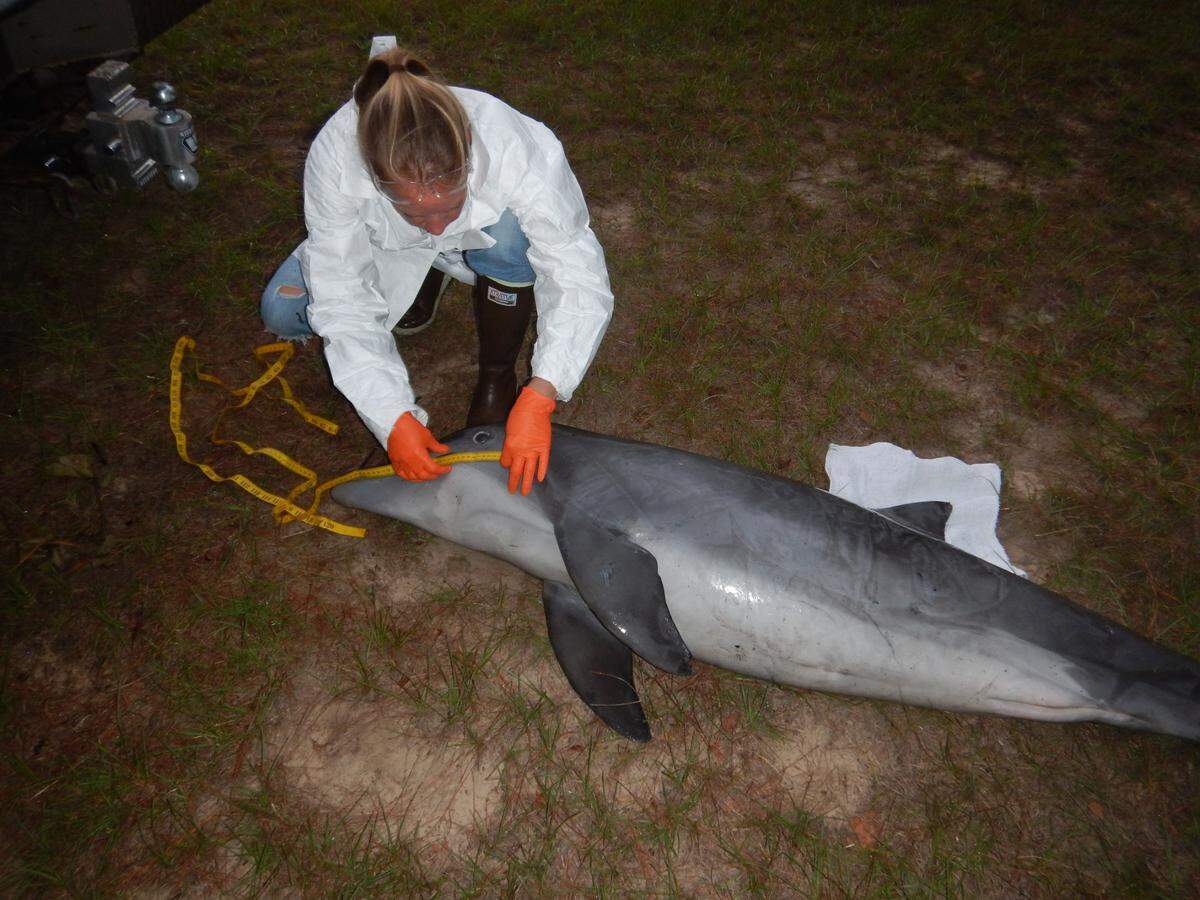
Her work helps determine if the animal died due an attack, pollution, sickness or from human interference. The data derived from the animals she handles helps NOAA keep track of Hilton Head’s overall marine health and the threats to its inhabitants.
But still, it’s a gruesome, and sometimes emotional, job.
Kuehn kneels next to animals on the hot sand after they’ve been struck by boat propellers or so badly injured that the ends of their lives are painful. Animals who have died at the hands of humans are the most difficult for her.
But, like breathing, Kuehn describes her passion for the water and its animals as something she absolutely must do.
“I can’t imagine going through life having not seen these animals under the water that are awe-inspiring,” she said. “I can’t not do this.”
This story was originally published January 29, 2021 at 4:00 AM.