‘It’s still jellyfish season:’ Warning flags fly again at Hilton Head beaches for stings
Hilton Head lifeguards at several beaches are again flying yellow flags this week to warn of jellyfish stings, according to a Facebook post by the Shore Beach Service lifeguarding agency.
This is the second influx of stings that’s caused the service to warn swimmers. Shore Beach also flew warning flags around the Fourth of July.
Sea Nettle jellyfish are to blame for most of those stings, according to Mike Wagner, operations manager at Shore Beach. He called the influx of stings “very normal” for this time of year.
“Typically from late June for about a month to eight weeks ... I would tend to call that our jellyfish season,” Wagner said in July.
In the Facebook post this week, Shore Beach warned “It’s still jellyfish season.”
Sea Nettles are tough to spot because they don’t float on top of the water like cannonball jellyfish — which are bigger and don’t have dangling tentacles.
“You’re almost never going to see them, but you’re going to feel them,” Wagner said.
Fortunately, the stings lifeguards are seeing on Hilton Head’s beaches this summer are mild. Sea nettles tend to have a less potent sting, and some people are able to return to swimming immediately.
.jpg "Screenshot (309).jpg")
What to do if you’re stung by a jellyfish
Colloquially referred to as the “Mike Wagner jellyfish sting spiel,” Wagner said if you’re stung by a jellyfish, flush the area with ocean water, not fresh water.
“Fresh water might make it sting a little more,” he said.
Seek medical attention if swelling or pain persists; recovery can vary from several minutes to several days.
Watch for signs of an allergic reaction. Anesthetic ointment and over-the-counter pain medication may provide some relief.
Types of jellies on Hilton Head Island
There are four main types of jellyfish that live in the waters surrounding Hilton Head Island.
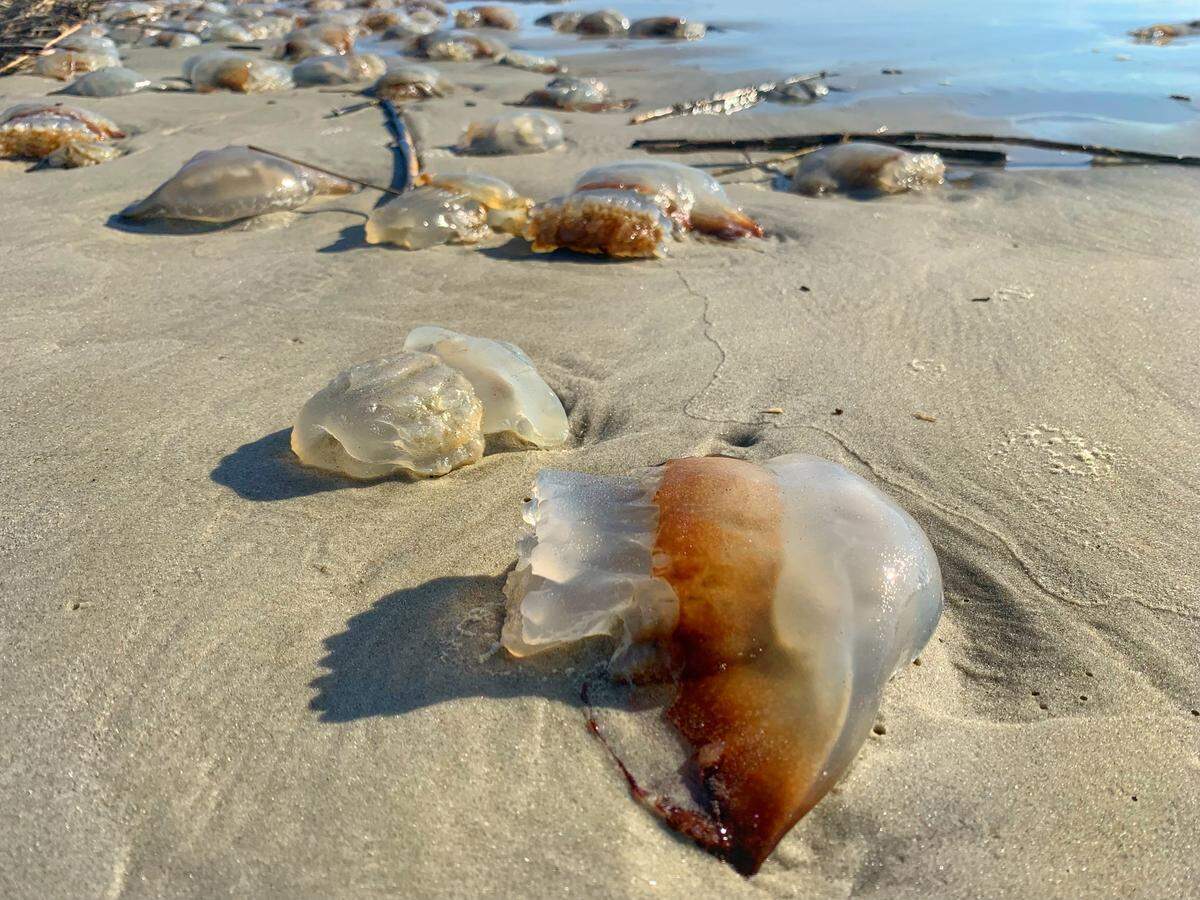
The Cannonball: These jellyfish are easiest to spot because they float on top of the water and wash up in “jellyfish graveyards” in the spring, The Island Packet has previously reported. Cannonball jellyfish don’t sting, Wagner said.
The Sea Nettle: These are the most common stinging jellyfish off the coast of Hilton Head, and have pronounced tentacles. They do not float on the surface, so they can be difficult to spot. A Sea Nettle sting can feel like a burning or stinging sensation, but can cause an allergic reaction.
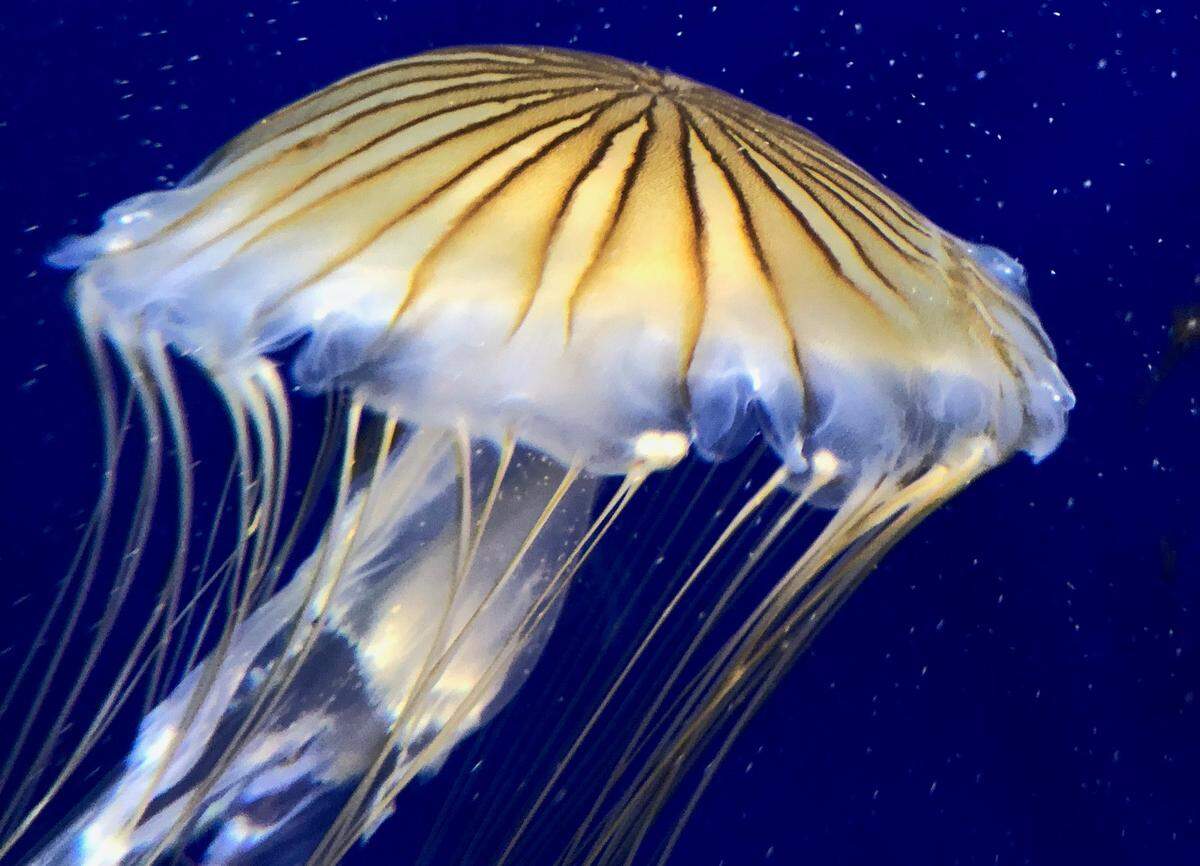
The Sea Wasp: The boxy-looking Sea Wasp isn’t as common on Hilton Head as cannonballs and sea nettles, Wager said. These have less tentacles, but a more potent sting.
.png "Screenshot (278).png")
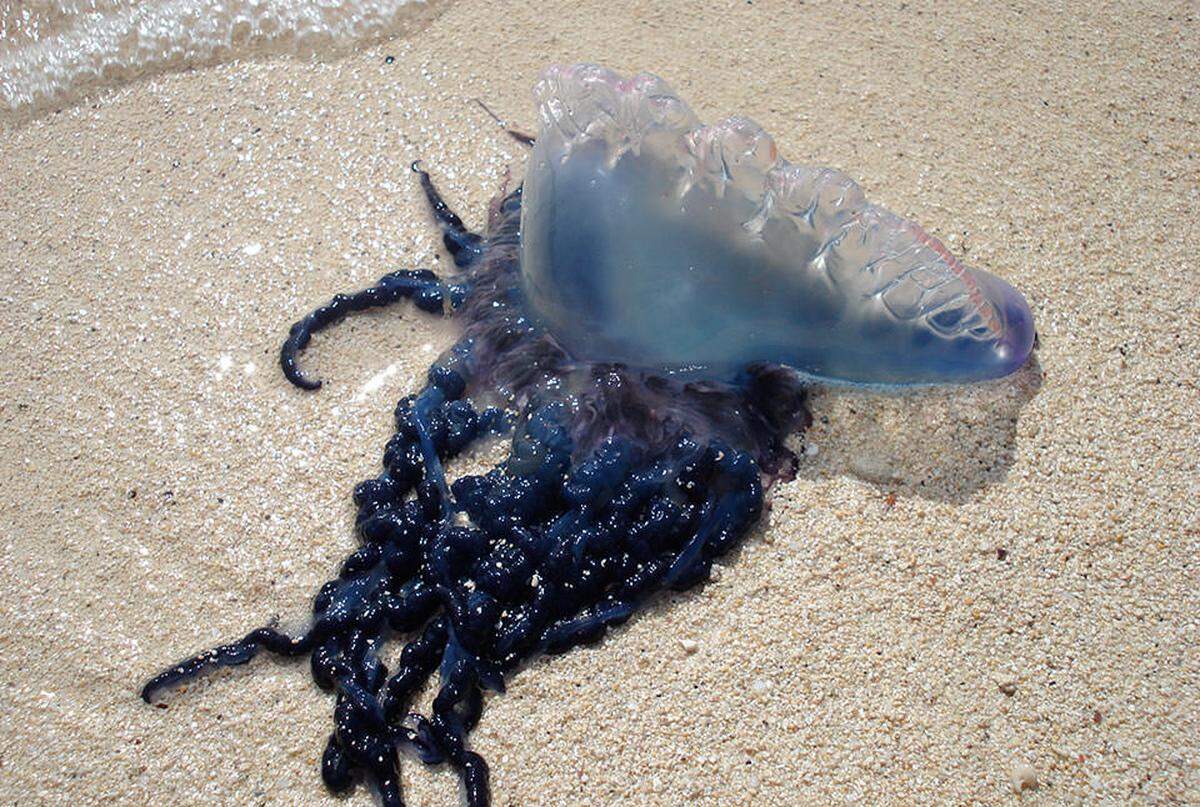
The Portuguese Man-Of-War: A rare, sail-like cluster of tentacles, the man-of-war can have an excruciatingly painful sting even weeks after it’s dead, Wagner told The Island Packet in May. These jellyfish will stick out on the beach for their bright blue and purple bodies. Wagner said lifeguards have reported sightings of about 12 men-of-war this year.
This story was originally published July 2, 2019 at 10:38 AM.