
Sea nettles sting hundreds daily on Hilton Head. Here's what lifeguards want you to know
Hilton Head beaches are crowded with people and — at least for the next few weeks — it seems they'll be sharing the water with stinging sea nettles.
Shore Beach Service lifeguards have recorded treating about 600 jellyfish stings per day on average during the last week, said Operations Manager Mike Wagner.
Sea nettles are the most common cause of jellyfish stings in South Carolina's coastal waters, according to the South Carolina Department of Natural Resources.
The sting of a sea nettle is considered moderate to severe and may be described as burning rather than stinging, according to DNR.
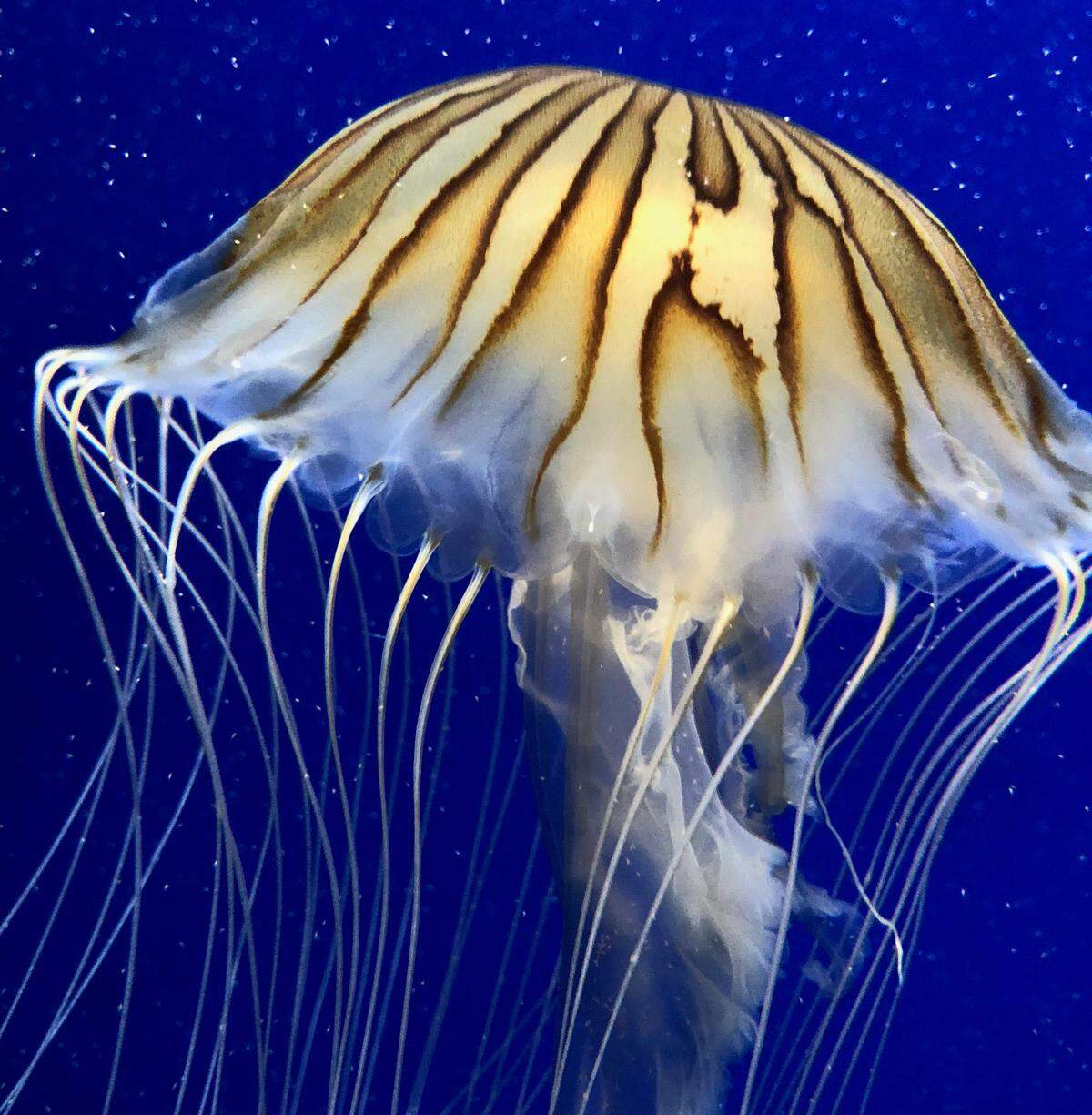
S.C. DNR's website describes sea nettles as saucer-shaped with tentacles that can extend several feet.
Wagner said the number of stings being seen on Hilton Head is typical for this time of year.
"Some people think that sounds high, but we've got about 70 people out on the beach each day," he said of lifeguards that will spray stings with a vinegar and water mixture to make them stop hurting.
Some lifeguards will see 10 stings in one part of the beach while others will see none, Wagner explained.
Watch for warnings
The sea nettle season starts in late June or early July and lasts about a month to a month and a half, he said.
When lifeguards notice a lot of stings in one area, they'll raise a yellow warning flag.
On Friday, the warning flag was flying on some parts of Hilton Head but not on all beaches, Wagner said.
Treating stings
Besides the vinegar and water spray, here's what the S.C. Department of Health and Environmental Control recommends for treating jellyfish stings:
- Remove the tentacles carefully with sand, clothing, towels, seaweed or other available materials.
- Rinse the affected area with salt water, not fresh water.
- Seek medical attention if swelling or pain persists; recovery can vary from several minutes to several days. Watch for signs of an allergic reaction.
- Anesthetic ointment and over-the-counter pain medication may provide some relief.
Wagner said only in rare cases would someone to need to go to the hospital after a sea nettle sting.
"If they've got any nausea or light-headedness or trouble breathing— signs of an allergic reaction— they may want to seek further medical treatment," he said.
Hilton Head Island's website advises that tentacles can sting whether they are attached to the jellyfish’s body or not.
Swimmers may wear wetsuits or rash guards or even panty hose in the water to help minimize the chance of a jellyfish stings, the town's website says.
This story was originally published July 6, 2018 at 4:14 PM.