Salt plagues Hilton Head’s drinking water, a paper mill closure could change the equation
On an island in many ways defined by the water, the quest to get it fresh and flowing from Hilton Head’s taps is one with a fraught history.
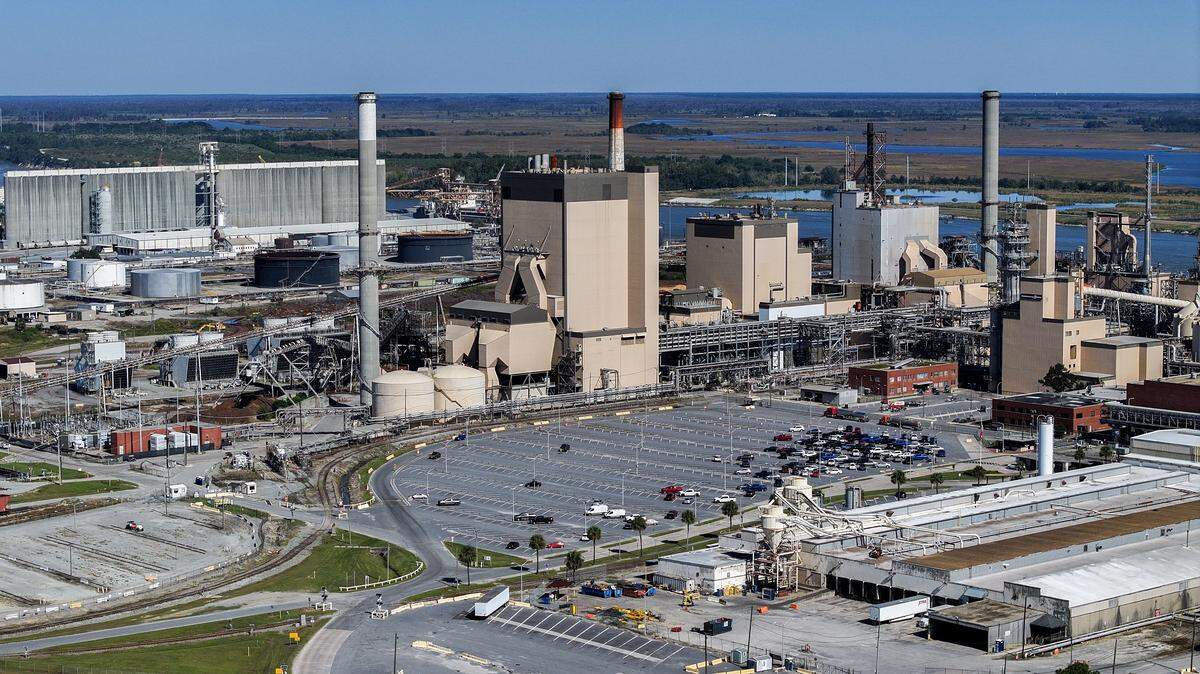
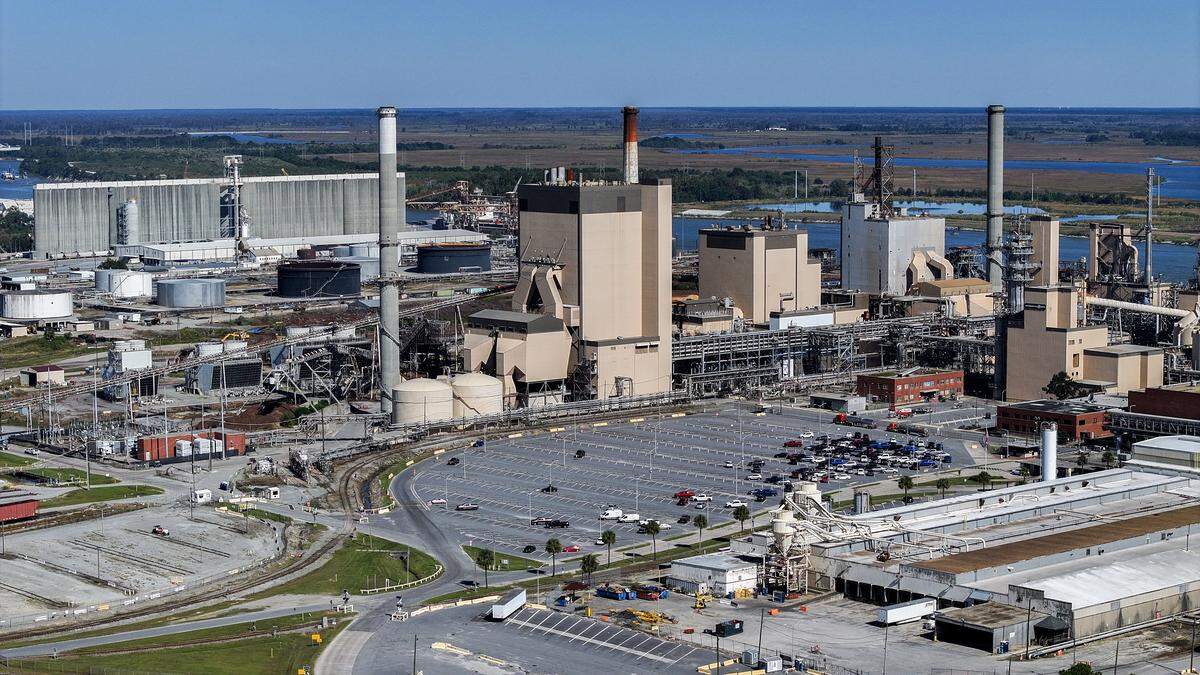
The closure of International Paper in Savannah led to the overused Floridan aquifer, historically Hilton Head’s main water source, rising about two feet at a Hutchinson Island monitoring well, according to reporting from The Current.
Overpumping of the aquifer in and around Savannah has contributed to a decades-long issue with saltwater intrusion on Hilton Head, as saltwater has slowly crept into the island’s wells. The paper mill was one of the biggest users of water from the Floridan aquifer in the region. As a result, local water utilities have spent millions of dollars to prevent saltwater from flowing out of Hilton Head taps.
International Paper announced earlier this year that it would close its containerboard plants in Savannah and Riceboro. By mid-October, the water level recorded in a monitoring well on Hutchinson Island had risen compared to the readings in late September, when the mill shut down.
The slow, steady march of salt
Saltwater intrusion occurs when too much water is pulled out of an aquifer faster than it is replaced. Aquifers are typically replenished by rainfall, but if withdrawals occur faster than the aquifer can be replenished a “cone of depression” forms where the water table is lowered in an area due to overuse.
Before the region was developed, fresh groundwater flowed underground towards the ocean.
A natural breach in the aquifer sat under the Port Royal Sound, discharging enough water from the aquifer that Spanish ship captains would use freshwater springs in the sound to stock up on drinking water while anchored, Jim Reichard, a geology professor at Georgia Southern University, said. The flow is now reversed in the area, with saltwater from the sound entering the freshwater aquifer.
But as more water was pumped out of the upper Floridan aquifer in Savannah and later Hilton Head, it changed the direction in which the water moved through the aquifer. This alteration in its natural flow has resulted in saltwater leaching into the freshwater aquifers that the island used for drinking water. While some upper Floridan wells on the island are still in use, many have been lost to saltwater intrusion.
“So it’s mostly caused by the huge withdrawals in Savannah,” Riechard said. “Hilton Head obviously contributed to that, but the bulk of the problem is caused by the large industrial municipal withdrawals in Savannah.”
Limits on aquifer use lead to improvements
Riechard said the aquifer level at that well has been steadily improving for some time now due to Georgia’s limits on groundwater withdrawals. The City of Savannah has also started using river water for its drinking water supply instead of relying solely on the Floridan aquifer.
While Hilton Head’s own water usage has contributed to its issues with saltwater intrusion, much of the problem stems from the heavy industrial water use in Savannah, Riechard said.
International Paper had one of the largest water withdrawal permits in the area, according to an analysis from The Current.
Salt water reached Hilton Head’s wells about 100 years before it was expected to impact Savannah, which led to tensions between the two states, according to previous reporting from The Island Packet.
In 2012, South Carolina was prepared to bring the issue to federal court, though the lawsuit never materialized. Dean Moss, former general manager for the Beaufort-Jasper Water and Sewer Authority and member of the S.C. Governor’s Savannah River Committee, said that Savannah and Beaufort County’s ongoing transition to Savannah River water has helped the issue. Even so, the 120-year-old saltwater intrusion problem has never been completely fixed.
The state of South Carolina instituted limits on how much water Hilton Head could withdraw from the Floridan aquifer in 1997. Over the past 25 years, water utilities across Beaufort and Jasper counties have made extensive changes to their water supply, coming to rely more on water from the Savannah River, or digging wells to deeper aquifers.
Hilton Head public service districts estimate the total cost to address the issue has exceeded $129 million. As more wells are pulled offline, they anticipate spending another $80 million.
Georgia instituted their own restrictions on groundwater use in 2006, creating a “red zone” where large water uses had to reduce the amount of water they withdrew, leading to the partial, long-term rebound observed at the Hutchinson Island monitoring station, Riechard said.