
International Paper closure leaves hundreds unemployed in Savannah
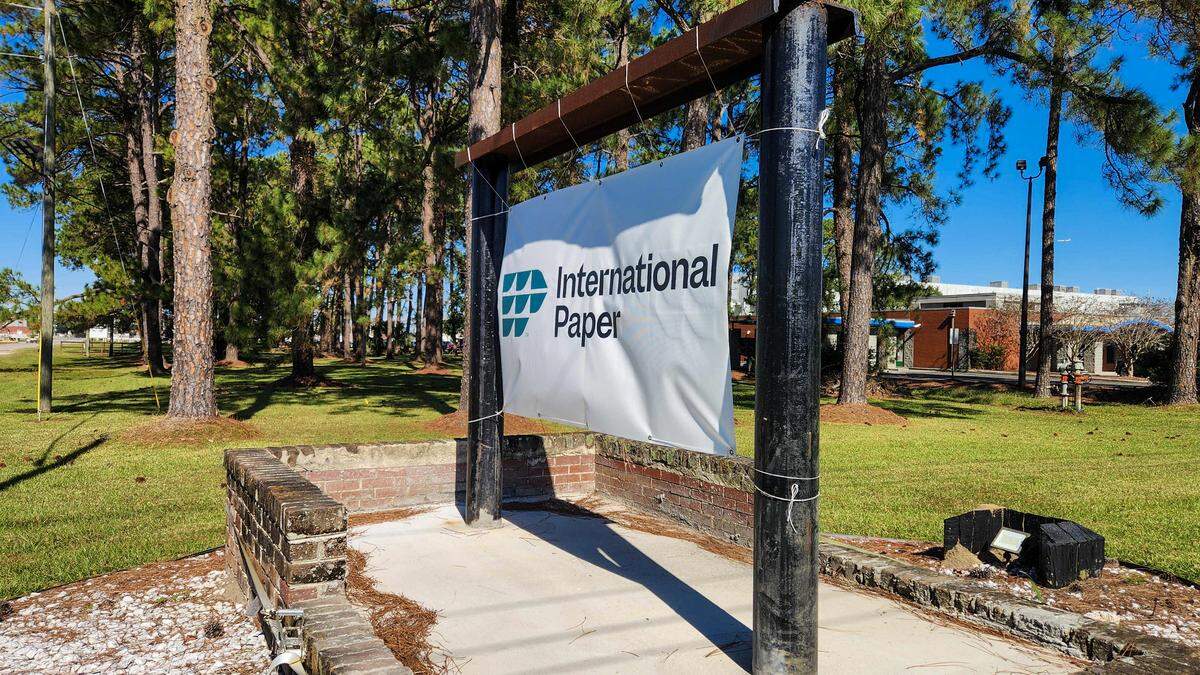
Right after Labor Day weekend, less than two weeks after International Paper Co. announced it would close Savannah and Riceboro containerboard facilities, Sheron Morgan was on the ground at the Savannah mill.
As she spoke in front of a group of employees, going through resources like training programs and resume help, Morgan, the executive director of WorkSource Coastal in Savannah, said the mood in the room was heavy.
This wasn’t a surprise. After all, Morgan said, their lives had just been upended, and now someone with a job was standing in front of them, telling them they would make it through.
“I have a job, and I’m standing in front of you telling you it’s going to be alright and they’re looking at me like, ‘lady, you have a check,’” she said.
But over the next month, as Morgan, her team and partners from other workforce development organizations set up shop in the plant’s conference room, the employee’s mood softened.
Some saw it as a learning experience. Younger men working at the plant started talking about getting their commercial drivers licenses, to have truck driving as an option. Others were interested in learning welding. Some wanted to get out of manufacturing altogether.
But even though many resources were available, and organizations like WorkSource Coastal worked to get people the help they needed, the plant closing was a major disruption for the workers and the broader Lowcountry economy.
Corporate strategy
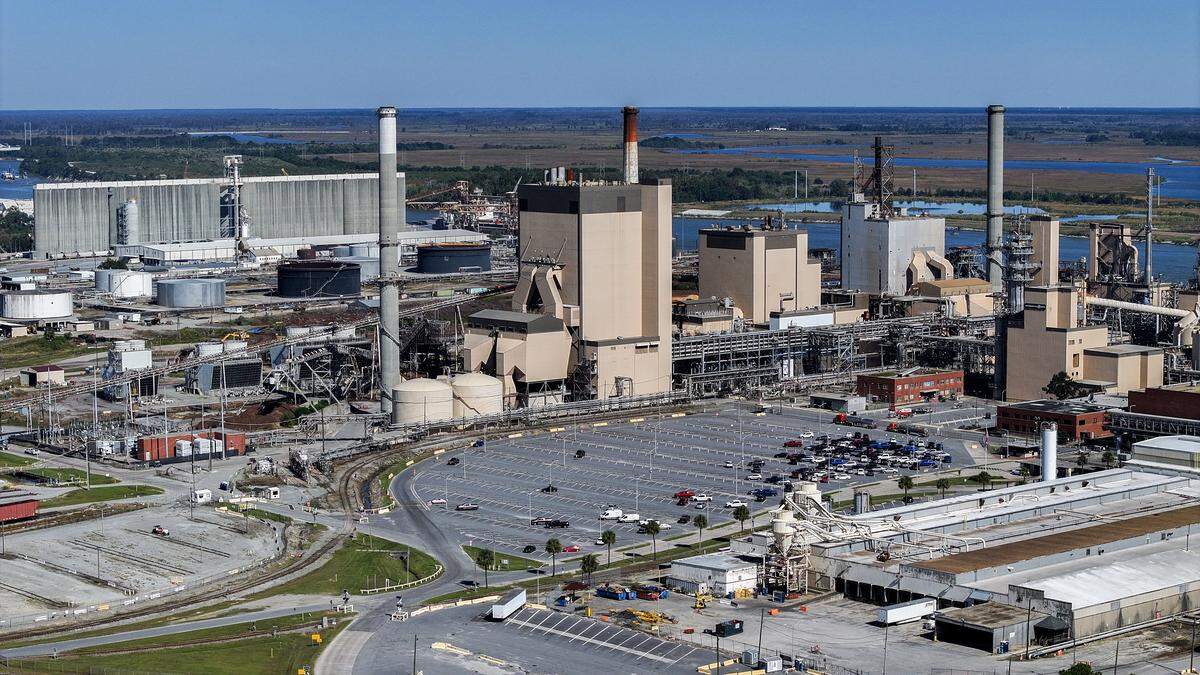
International Paper announced in August that it would close its Riceboro and Savannah containerboard mills, its Savannah packaging facility and its Riceboro timber and lumber mills by the end of September. The decision impacted about 1,100 people, according to the company, including about 700 at the Savannah containerboard mill; Morgan said many workers commuted from the Bluffton area.
The same day, International Paper announced it would sell its Global Cellulose Fibers business for $1.5 billion in order to focus on sustainable packaging. The company also announced it would invest $250 million to convert a machine at a Selma, Alabama mill to produce containerboard.
International Paper has been slowly shedding its footprint over the past few years. Its Georgetown pulp and paper mill closed at the end of 2024, leading to a loss of 674 jobs.
In its second quarter presentation to investors July 31, the company said it sold three facilities and announced the closure of two box plants, one sheet plant and one recycling plant between May and July.
The Riceboro and Savannah closures will reduce the company’s containerboard capacity by 1,430,000 tons, the company said in a filing with the U.S. Securities and Exchange Commission.
The closings are part of an “80/20” strategic approach, designed to make International Paper the lowest cost producer and most reliable sustainable packaging solutions provider in the world, the filing said.
“The company intends to guide investments and align resources to win with our most strategic customers, while reducing complexity and cost across the company,” International Paper said in the SEC filing.
Severance packages and outplacement assistance would be provided to laid off employees, the company said.
The workforce development arm of the Lowcountry Council of Governments has been busy helping people laid off from Canfor Corp. in Hampton County, workforce development director Maleena Parkey said. Canfor said in June that it would close sawmills in Darlington and Hampton counties, leading to 290 lost jobs.
LCOG hasn’t seen anyone from International Paper yet, Parkey said, but that’s not unusual; the Canfor layoffs happened at the end of August, so workers have had time to process and assess what they want to do.
International Paper employees will come when they’re ready, Parkey said, and LCOG can ask for funding from the U.S. Department of Labor if needed.
“We know for sure some people live along the border and work in Savannah or Riceboro. Savannah is closest, and some people who live in Jasper County or Hampton County drive across the border and work there,” she said. “We’re prepared for that if anything happens … if we need to do on-the-job training, or if they want to change career paths or get some more training in some sectors we provide, we will do so.”
Community support
On Sept. 11 and 12, the Regional Industry Support Enterprise (RISE), Savannah Economic Development Authority (SEDA) and other partners held a massive job fair called RISE Job Palooza, intended to help laid off International Paper workers and others find jobs.
More than 300 International Paper employees attended Job Palooza, said Angela Hendrix, chief marketing and public affairs officer for SEDA.
“Planned in a two-week time, we had more than 120 employers with 2,456 jobseekers attend,” Hendrix said.
Crystal Northcutt, assistant director at WorkSource Coastal, said the organization worked on about 600 resumes with jobseekers.
“It was for more than just International Paper, but we did have a heavy focus on International Paper,” Northcutt said.
On LinkedIn, some local employers made it clear they were here to help. Jennifer Hinze, human resources team lead for EV sites at BASF Corporation, said in a post that the company is looking to fill open positions across various departments.
BASF is a chemical company with more than 150 locations across the U.S., media relations manager Lisa Brown said via email. The Savannah site opened in 1983 and employs about 100 people.
“BASF is a proud member of the Savannah Area Chamber of Commerce and values being a good neighbor and actively participating in the communities where our employees live and work,” Brown said.
Sarah Forrester, executive director of talent at Savannah College of Art and Design, offered interviews to laid off International Paper workers on LinkedIn. Financial advisors offered their services to help employees manage their transitions. SCAD did not return an email requesting comment.
On social media, laid off employees reminisced on their time working at the mill. Nicholas Gray, who worked at the mill for more than five years, posted a photo of himself and his coworkers standing in front of a giant reel of paper. On the reel, someone wrote “Last Reel 9-3-25 Reel 10” in black marker.
“I’m deeply grateful for the experiences, challenges and lessons that shaped me during my time at the mill, but even more so for the incredible people I had the privilege to work alongside,” Gray wrote. “I’ll always look back on my time in Savannah with appreciation and pride.”
This story was originally published October 28, 2025 at 12:31 PM.