Saltwater is creeping into Hilton Head’s drinking water. How does that process work?
Hilton Head residents may take their ability to turn on a faucet and immediately be greeted with fresh, clean water for granted. After all, Beaufort County is more water than land. But walk along the beaches or many of the county’s rivers, and all that water is undrinkable due to its salt content.
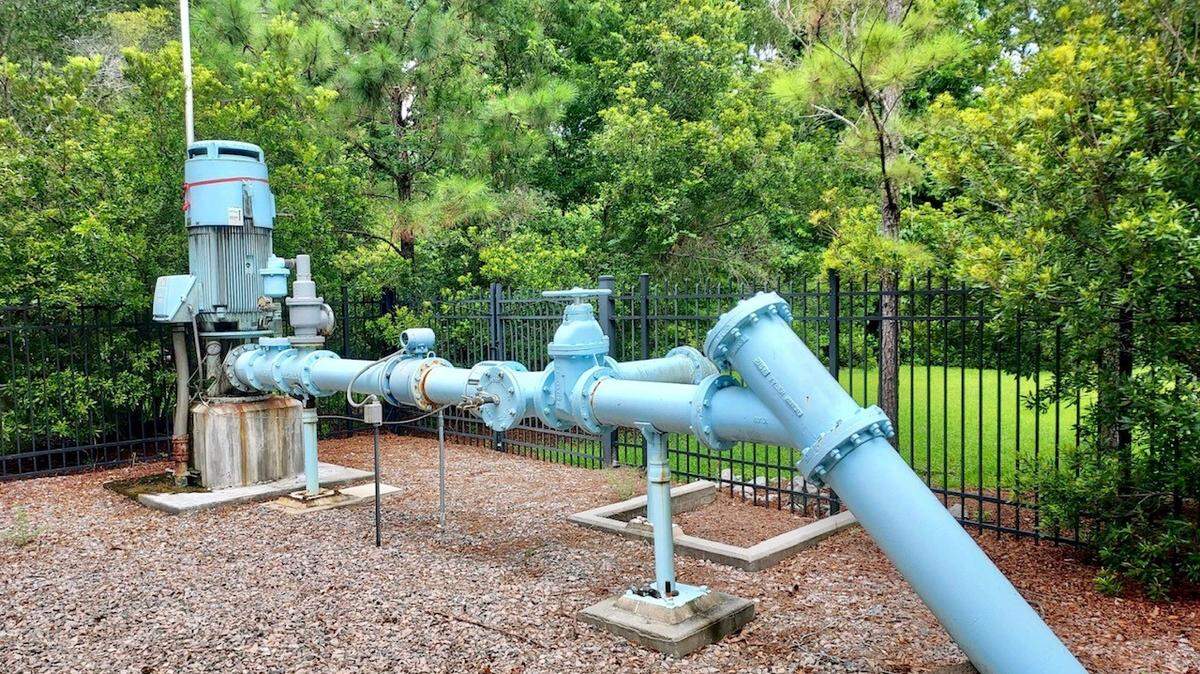
Hilton Head’s drinking water instead relies on a series of wells drilled deep into a freshwater aquifer and water piped in from the Savannah River. The freshwater aquifers have been jeopardized by the slow creep of salt into the fresh water aquifer since the 1970s. In order to provide reliable fresh drinking water, the island’s public service districts have spent over $129 million since 1998 to combat the steady creep of saltwater into fresh aquifers.
What is “saltwater intrusion?”
This movement of saltwater into the drinking water beneath islander’s feet is known as saltwater intrusion, and it’s advancing at a rate of about 400 feet a year. This process is driven by two forces: sea level rise and the over pumping of freshwater aquifers for drinking water.
Wells pull up millions of gallons of water a day in these aquifers for residents to drink, wash dishes and shower. Under normal conditions, freshwater moves slowly underground towards the salty ocean. This movement prevents salt from slowly marching into freshwater aquifers near the coast.
It’s impossible to see when standing on dry ground, but fresh groundwater, which people drink, and saltwater meet at an interface around the coast. The less dense saltwater sits below freshwater and slopes deeper into the ground inland as it moves further from the coast. The less dense freshwater floats on top. The interconnected nature of these two systems and the forces that push and pull them in different directions dictate the speed and severity at which saltwater moves into freshwater aquifers.
Over pumping of aquifers
When development boomed in and around Hilton Head, all those new residents needed water to drink. The constant pumping of the finite fresh groundwater causes the slow, steady march of freshwater that moves underground towards the ocean to reverse in some places. The constant pumping of wells and turning of faucets, hoses and sprinklers causes the salty groundwater that comes from the ocean to start moving further inland.
“We may create those conditions, but not actually see that salt until much later,” Holly Michael, a researcher at the University of Delaware who studies the issue, said. “Because it takes time for [the salt] to move inland. And so it’s not an instantaneous thing, but it’s a process that happens over time.”
Sea Level Rise
As sea levels rise, this also puts pressure on the freshwater aquifers that so many people depend on. As the ocean rises, saltwater moves further inland. In areas of low elevation, salt from storm surges and high tides sinks below the surface and contaminates the freshwater aquifer. Droughts cause a shortage of freshwater that would normally flush salt out of an area as well.
Why does this matter?
Ultimately, if only about one percent of sea water infiltrates a freshwater aquifer, then drinking water is considered contaminated, Michael said. Once salt water enters pipes that are supposed to carry drinking water, it can cause a whole number of problems, as salt can cause corrosion in pipes and other infrastructure.
Aside from an unpleasant taste, salty water can also cause a number of health problems. Studies have found that those who drink salty water are at greater risk for high blood pressure, kidney disease and dementia.
What’s being done about it?
The Hilton Head Public Service District has been monitoring and managing saltwater intrusion for decades now. A number of wells in the Upper Floridan aquifer have been taken off line as water becomes too salty. Water from the Savannah River supplements the remaining wells and a PSD constructed a treatment plant that can remove the salt from drinking water in 2010. Construction on a new, deeper well is underway in addition to an expansion of a drinking water treatment plant.
It’s not a cheap problem to solve. In the next 20 years, the three public service districts on the island anticipate a cost of $80 million dollars to keep fresh water flowing from taps.
This story was originally published February 25, 2025 at 10:39 AM.