31-foot whale that washed up on Hilton Head beach died of “starvation”, say scientists
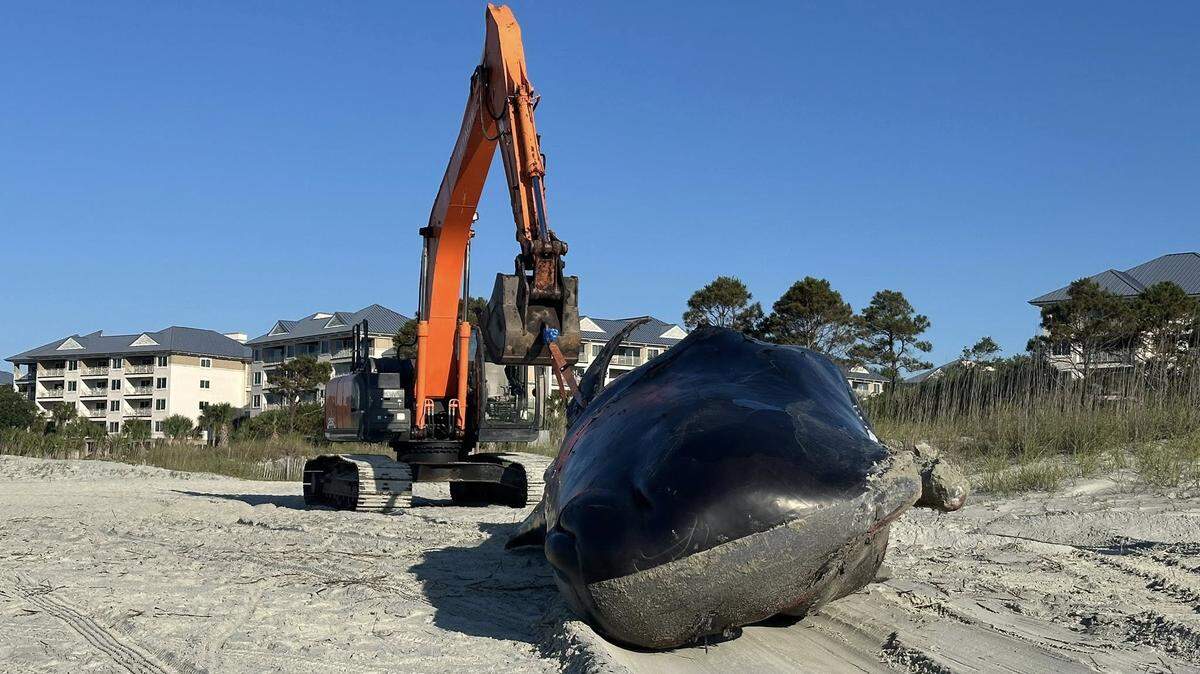
After months of analysis, scientists have confirmed the beached sperm whale that washed up on a Hilton Head beach died of starvation. The ultimate reason the whale starved remains an open question, and while there are some tests left to complete, there may never be a definitive answer.
In early May, a crowd of people watched as a juvenile sperm whale struggled and was ultimately euthanized on South Forest Beach. Whales and other marine mammals often beach themselves, or allow themselves to wash up on the shore, when they become sick or injured.
The stranding set off a large response from multiple agencies across the Southeast, including the Lowcountry Marine Mammal Network and the National Oceanic and Atmospheric Administration. Rehabilitation is never really an option for the massive creatures, so staff from multiple agencies worked over the course of 24 hours to reduce the whale’s suffering until euthanasia equipment arrived from Florida.
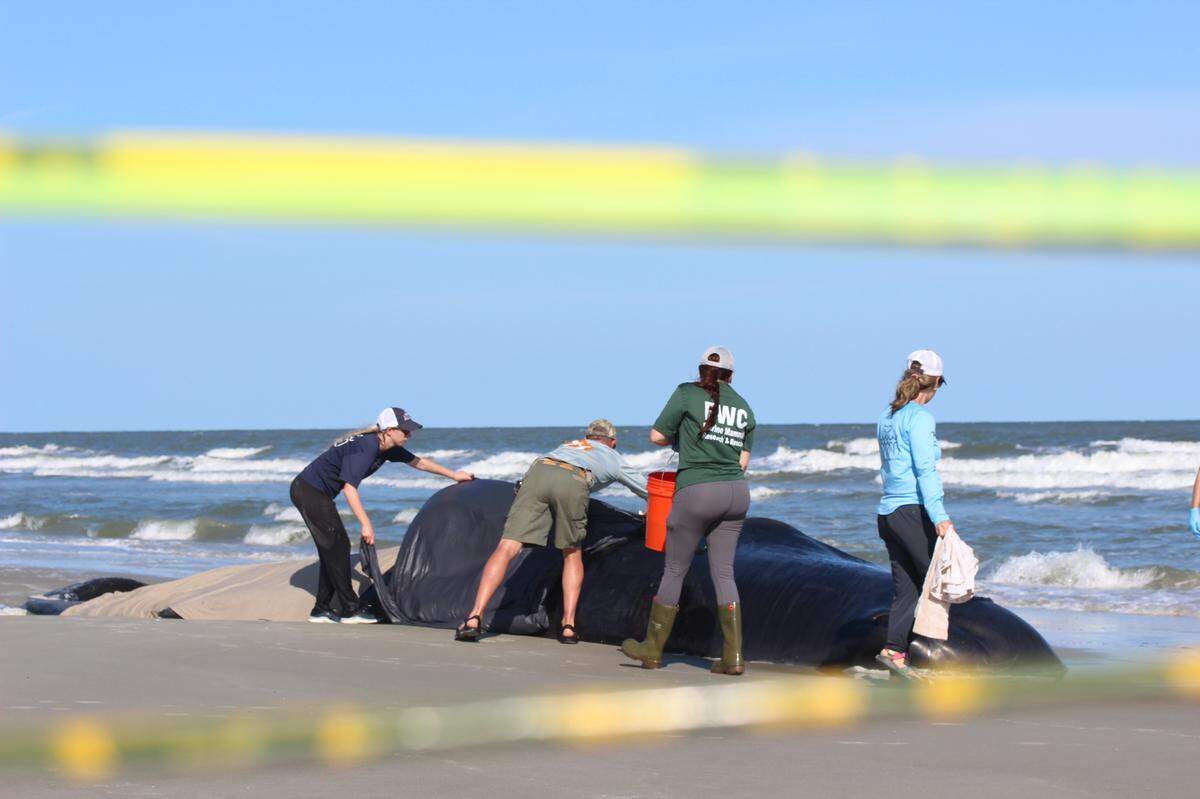
It was obvious from looking at the whale on the beach and later the necropsy, which is an autopsy for animals, that the whale was very thin and likely starving. But initial investigation didn’t reveal any particular reason for the whale’s condition, Lauren Rust, the executive director of the Lowcountry Marine Mammal Network, said.
After peeling away thick layers of blubber, the scientists found no plastic in the whale’s stomach, and there were signs that the animal had been eating. Following the necropsy, scientists took samples from the whale back to the lab to examine under microscopes and test for viruses and other contaminants.
The necropsy did ultimately confirm that the animal starved. While there are some tests that scientists still need to finish, at this time there is no additional explanation for why the whale was so emaciated, Rust said. There are a number of reasons why the animal could have starved. The lab analysis can’t detect every one, including a lack of available food or a prior infection that the whale couldn’t fully recover from.
“Pulling at straws”
In the United States there are typically thousands of marine mammal strandings each year, according to NOAA. When one of these animals washes up on shore, scientists often don’t know much about the animal’s life, making it difficult to understand their death.
“Not finding out the answer is very common, because we’re just pulling at straws,” Rust said.
In this case, the scientists had a better chance of understanding what occurred because the whale washed up alive, meaning scientists could collect more samples before decomposition set in.
Even in obvious cases like ship strikes, it’s often difficult to know if there was some other underlying sickness that caused the animal to not move fast enough to avoid the boat, according to Rust. These underlying factors can complicate an investigation even in the most obvious situations.
There are some pending tests for viruses and bacteria that could have infected the whale, making it difficult for the animal to hunt effectively, leading to starvation. Until they come back, more questions remain.