Bluffton officer targeted a tourist with DUI arrest. An $8,000 payout made it go away
READ MORE
Over the limit
Drunk drivers in Beaufort County routinely escape DUI convictions. Here’s how.
Expand All
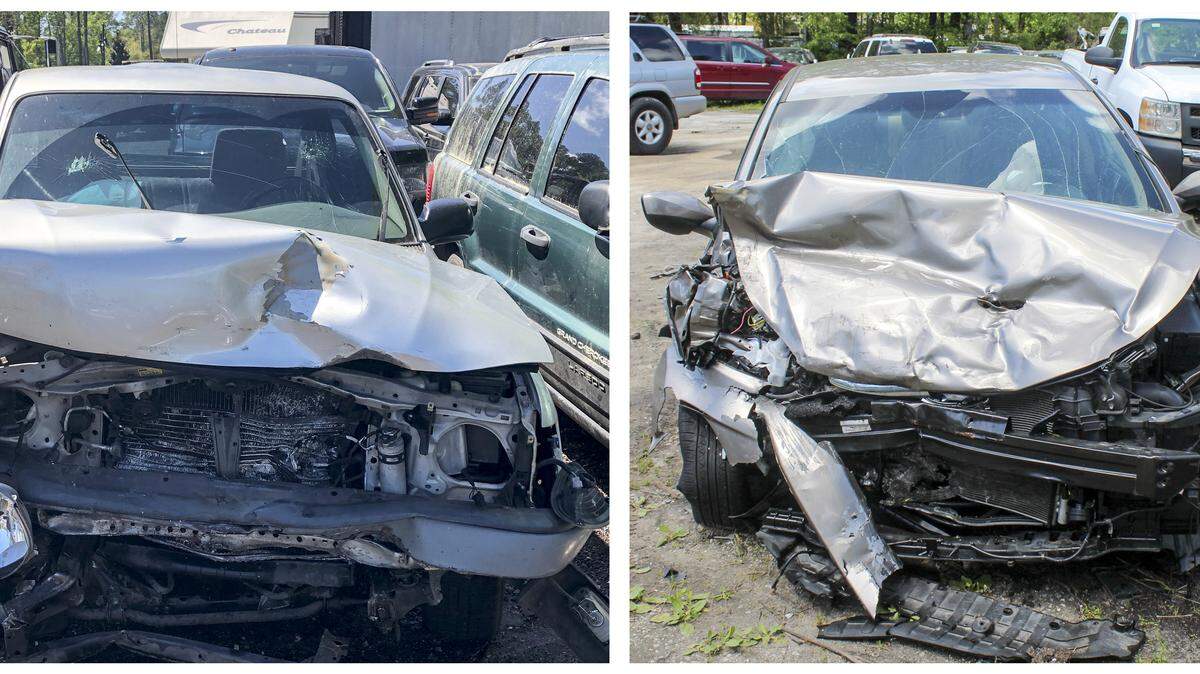
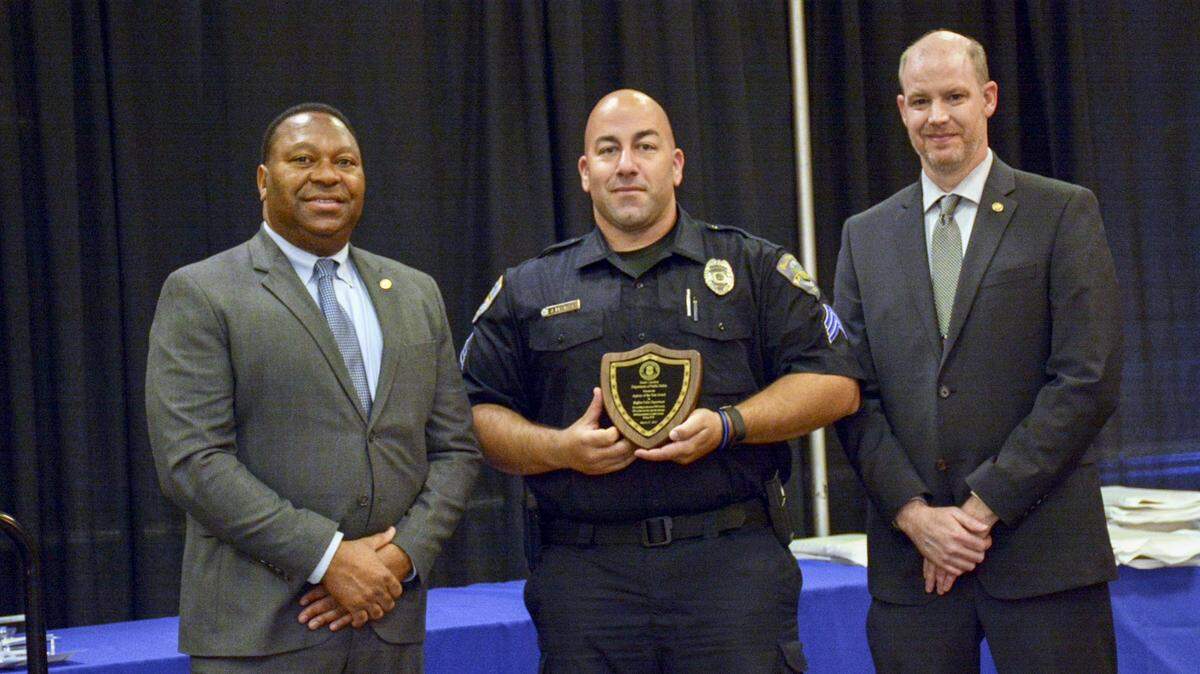
The lawyers worked it out over the phone.
“(The arrest) was something that should have never happened,” said one of them, Bluffton Town Attorney Terry Finger.
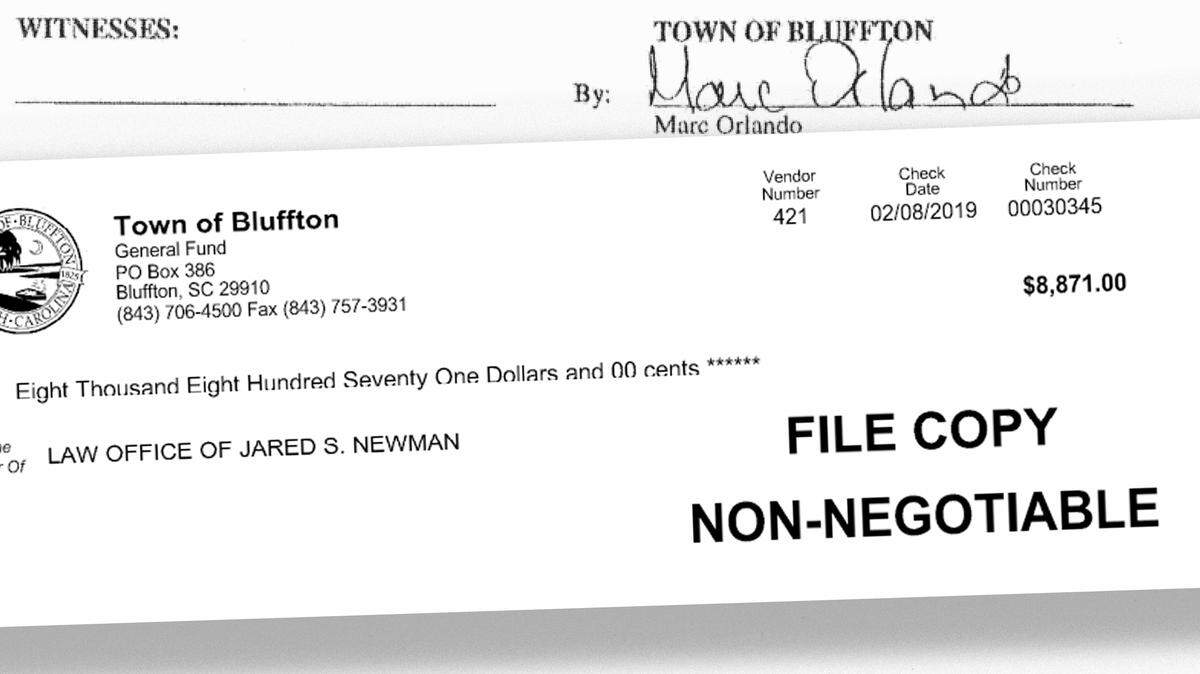
To make it go away, a deal was struck. And $8,871, straight from the Town of Bluffton’s general fund, changed hands — a quiet payoff for a DUI arrest gone wrong in exchange for the driver agreeing not to sue the town.
The backstory? A Bluffton officer got into an argument with a tourist outside an Old Town restaurant in October 2018 and afterwards waited to intercept him, instructing a fellow officer to watch for his truck, according to police records. After a minor traffic violation, the officers pulled him over and arrested him for DUI.
At the station, the driver blew zero. A toxicology report later came back completely clean. The driver said he’d been unfairly targeted and retained a lawyer, who phoned Finger. The resulting payout avoided a possible lawsuit and a public airing of the police department’s mistake.
Town Council members say they were informed by email of the payout, but the decision to quietly settle the dispute out-of-court rested with Finger and Town Manger Marc Orlando, who signed the agreement. It didn’t appear on any public meeting agenda.
All charges were swiftly dropped and court records expunged.
It was as if it had never happened.
The payoff illustrates how officer misconduct has cost Bluffton in recent years, hindering DUI enforcement even as it posted high arrest numbers. And after the tourist was targeted, officials arrived at a solution the shielded the mistake from public view. Internally, the police chief — then new on the job — acted, firing the responsible officer.
“This was a bad arrest,” said Bluffton Chief Chris Chapmond. “We addressed it very quickly, very professionally and very efficiently.”
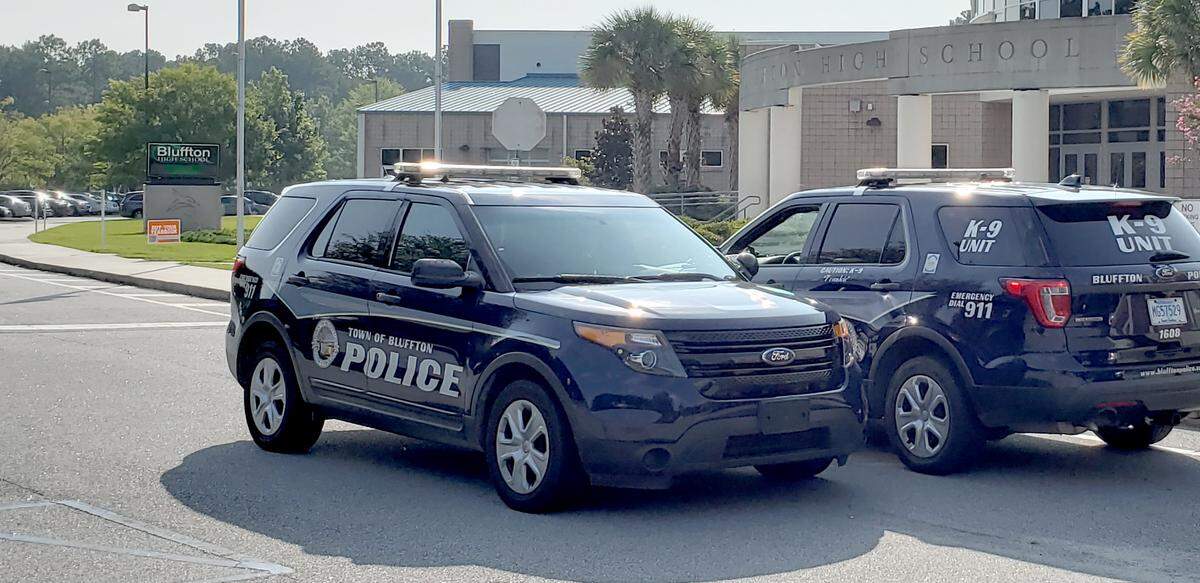
A tourist targeted
Bluffton Police officers appeared to target the tourist, a former grocery store magnate visiting from Vermont, before arresting him for DUI on October 12, 2018. The newspapers are not naming the individual because all charges were dropped, and he isn’t in a position of public trust.
The Packet and Gazette requested dash camera video from the arrest, normally available via the S.C. Freedom of Information Act, but it could not be located by Bluffton Police’s records department, according to spokesperson Joy Nelson. The newspapers reconstructed the event using internal police documents and interviews with officials.
That evening, Officer Selena Nelson was dispatched after police received report of two dogs left unattended in a black pickup truck with a camper on the back in Old Town Bluffton. It wasn’t a hot day, according to Finger, but Nelson still entered a nearby restaurant, Pearl Kitchen & Bar, and located their owners, the tourist and his wife.
During the course of the following conversation, Nelson made what seemed to be a threat, according to an internal affairs memo written about the incident.
She implied to the couple that “if they left their animals in the vehicle again they would subsequently find their windows smashed out once they returned,” reads the memo.
The tourist became “agitated” and turned away from the car. As he walked away, Nelson asked him if he’d been drinking. At first he said no, but then admitted, “I had two glasses of wine.”
An arrest gone wrong
Nelson eventually left the couple. But she wasn’t through with them. At around 10 p.m., according to the memo, Officer Bethany Hopkins arrived to provide backup for Nelson.
Hopkins asked Nelson if she had seen any intoxicated drivers. “I got my eye on one that may come out ... off of Calhoun [Street] with Vermont tags,” she replied, describing the tourist’s truck.
Hopkins said she would stay in the area.
At around 10:15 p.m. when Hopkins observed a black truck matching the description Nelson had given her, she began to follow it, beginning in Old Town and continuing for almost three miles to U.S. 278. She radioed Nelson to confirm she had the right car.
“That’s it,” Nelson replied, according to the police report Hopkins later wrote.
While making a left turn onto the highway, Hopkins observed the tourist’s truck cross the dotted white lines into another lane — apparently enough for Hopkins to activate her lights and pull him over.
Questioned by Hopkins, he said he had two glasses of wine with dinner “about an hour ago,” according to Hopkins’ report. This, combined with “the odor of an alcoholic beverage emitting from the vehicle” gave the officer cause to request that he perform roadside sobriety tests.
He complied.
Upon completing the battery of tests, Hopkins handcuffed the tourist and placed him under arrest for driving under the influence. At the police station, he provided a breath sample.
The reading was .00%.
The driver also provided a urine sample to a nurse at Coastal Carolina Hospital. More than two months later, a toxicology report would come back clean.
“I have no idea what occurred between you and that other officer,” said Hopkins to the tourist, referring to Nelson, according to the internal affairs memo. But as they were leaving the hospital, he told Hopkins that he felt Nelson “had set him up to be stopped.” (Hopkins did not respond to a request for comment sent to her email address with the City of Hardeeville, where she now works as an officer.)
Officer fired; police department takes responsibility
The Town of Bluffton paid the Law Offices of Jared Newman, the tourist’s attorney, $8,871 on February 8, 2019, according to financial records obtained through an open records request. According to Finger, Newman called and put them on notice: the tourist was threatening a wrongful arrest suit.
“It was our view that we could resolve this quickly and easily and not expend a bunch of town time on a litigation that would probably last two or three years,” said Finger. He and Orlando, the town manager, made the decision. “Let’s resolve this,” said Finger.
They did, with the payment, dropped charges and expunged records.
Bluffton is insured through the S.C. Insurance Reserve Fund for claims like the one the tourist threatened to make. But had he filed suit, Bluffton would have had to expend resources preparing for and participating in the litigation, said Finger. The fund hires its own attorneys and pays settlements up to $1 million, according to Bluffton’s insurance policy documents.
The Vermont tourist’s settlement came straight from taxpayer funds.
Chapmond said his department took responsibility for the mistake. As chief, he wasn’t involved in any decision to settle. But he did fire Nelson 14 days after the arrest. He said the incident played into the decision. “I want to hold the officers accountable, and we started with the particular incident,” he said.
Before being hired at Bluffton, Nelson was fired from the Beaufort County Sheriff’s Office after being accused of bullying a store clerk in uniform and lying to investigators about it. After a hearing the South Carolina Law Enforcement Training Council found that Nelson did not engage in misconduct as defined by the state code of laws, but placed her on probation. Nelson has an open discrimination suit against the Sheriff’s Office.
After the tourist’s arrest, Bluffton officials found Nelson in violation of the department’s code of conduct. At a termination hearing she denied setting up the tourist for arrest, according to department records. Nelson did not respond to requests for comment sent via Facebook and to a phone number listed as hers on public records.
Decision reached at executive level without public disclosure
Finger said threatened litigation and settlements are “almost always” run by the mayor and Bluffton Town Council. Mayor Lisa Sulka and three council members contacted by the newspapers confirmed this, but all had trouble remembering the details of the tourist’s arrest and payout, which took place over a year ago.

“If it’s something that can financially hurt the town, we hear about it,” said Sulka.
Councilman Dan Wood said he didn’t recall the incident. “I’d like to think that we’re handling things in the best means possible on behalf of the public,” he said, adding that cases like the tourist’s are handled at the executive level by the town attorney and town manager.
“When things like this happen, upper leadership at all levels should be informed so they know that the Town of Bluffton in general will not tolerate that kind of behavior,” said Councilman Fred Hamilton. He said he didn’t think the incident was “swept under the rug” within the police department.
Asked about the public’s ability to know about settlements like the tourist’s, Hamilton said there is value in protecting the privacy of people in his position, as long as the department is adequately able to make amends with them.
The threatened lawsuit and settlement was not referenced in a public Town Council meeting, according to meeting minutes from months after the tourist’s arrest.
Longtime S.C. government ethics advocate John Crangle, now government relations director with the S.C. Progressive Network, said there appeared to be “no legal issue” with the the payout. But, he said, officials should have notified the public that taxpayer money was paid out.
Not doing so “reflects bad judgement,” said Crangle. “It’s always a better policy to let the public know whats going on when it comes to their money and their government.”
Officials stand by their actions.
“We turned what we thought was a horrible arrest that wouldn’t have worked into what we thought was the right decision,” said Finger.
BEHIND THE STORY
MOREWhy we chose to report on DUI
The Island Packet and Beaufort Gazette decided to investigate DUI enforcement and prosecution in Beaufort County, in part because it seemed no one else was. Data on convictions was fragmented between state and local agencies. Click the drop-down icon for our methodology.
What we learned has implications for all of South Carolina — read all of our three-part series.
How we collected data on DUI in Beaufort County
In order to conduct our data analysis, we requested basic information from police departments for almost every DUI arrest that took place in Beaufort County over the past three years using the South Carolina Freedom of Information Act. We asked for similar information for all resulting DUI charges from local courts, but many administrators referred us to the S.C. Court Administration, which denied our requests on the grounds that the information we were seeking was already available online. It is, but not in a format that is easily searchable for the purposes of a conviction analysis.
So we tracked down each of the approximately 2,000 Beaufort County cases in the state’s database, one-by-one, to figure how what happened as it moved through the system — a task complicated by the fact that plea deals are entered as new charges, separate from the initial case under a different case number. We verified conflicting information in our arrest data with police reports and from a S.C. Law Enforcement Division database of breathalyzer test results. We made efforts to include the Port Royal Police Department’s arrests, but since Port Royal Municipal Court’s case information isn’t available online key details couldn’t be verified and those arrests were excluded from our analysis. (All other agencies actively enforcing traffic violations in Beaufort County were included.) Traffic offenses, such as DUI, cannot be expunged in South Carolina, so we were able to rely on the publicly available information for each case. We made efforts to verify our results by comparing them to conviction totals reported to the S.C. Department of Motor Vehicles, accepting that some degree of inaccuracy was unavoidable because of the quality of arrest data and court records available to us.
We focused on first-offense charges because they are by far the most common, representing the majority of all cases filed. Our analysis grouped DUI charges with driving with an unlawful alcohol concentration (DUI per se) charges — a separate charge based on a blood alcohol content reading but carrying identical penalties. Repeat offense and felony DUI cases are tried in the higher General Sessions Court, and we chose to exclude them because they are frequently dismissed as part of plea deals related to multiple charges and they carry much more serious penalties. Our analysis also excluded first-offense DUI arrests that resulted in a plea to an associated drug charge but no DUI conviction (a small percentage of cases). We used arrests made in 2017 and 2018 because many made in 2019 and 2020 haven’t moved through the court system yet.
When we refer to “DUI conviction rate” we are referring to the percentage of DUI cases resulting in subsequent DUI convictions. Some members of law enforcement and prosecutors argued to include pleas to lesser charges, like reckless driving, in this rate, but we chose not to because of the unique penalties a DUI conviction carries, including higher car insurance rates, greater fines and jail time, driver’s license suspensions and potential implications for employment and professional licensing. For about half of the arrests we reviewed, law enforcement agencies provided arrest data in a format that made it difficult to distinguish between a plea deal to a lesser charge and a dismissed case or not guilty verdict. Where possible, we included percentages of pleas to lesser charges, dismissed charges and not guilty verdicts (less than 1% of cases) separately. Much of our methodology mirrors that used by S.C. Mothers Against Drunk Driving’s court monitoring project.
This story was originally published March 12, 2020 at 4:55 AM.