Is vacation rental ban in this neighborhood good for Beaufort or special treatment?
Removing an existing ban on short-term rentals in The Point neighborhood would be “a nightmare.”
That was the message residents of one of the most prestigious neighborhoods in Beaufort delivered to the City Council at a meeting on Tuesday when they demanded to know why the city is considering rescinding a ban granted almost a decade ago.
Twenty people from a much larger crowd testified for almost two hours, arguing STRs would gut the soul of the historic neighborhood that fuels a $1.5 billion tourism industry.
Ironically, city officials are rethinking the ban in The Point as they discuss sweeping changes to reduce STR numbers citywide. The city is considering capping STRs in residential areas citywide, among other things, as use of short-term rentals jumped more than 40% in recent years.
While they support those measures, council members Josh Scallate and Mitch Mitchell have argued that complete STR protection for only The Point looks like special treatment, especially when other neighborhoods are also feeling the impact of vacation rentals. Scallate proposed rescinding the ban March 10 during the first reading of the broader revisions to STR regulations.
Following Tuesday’s meeting, it was unclear what final changes will end up in the rules.
Mayor Phil Cromer said changes proposed by Scallate, including the move to kill The Point STR ban, are so significant they will force the City Council to take a fresh look at the entire STR issue and reschedule another first reading, effectively starting the approval process over.
“Stay tuned,” Cromer said.
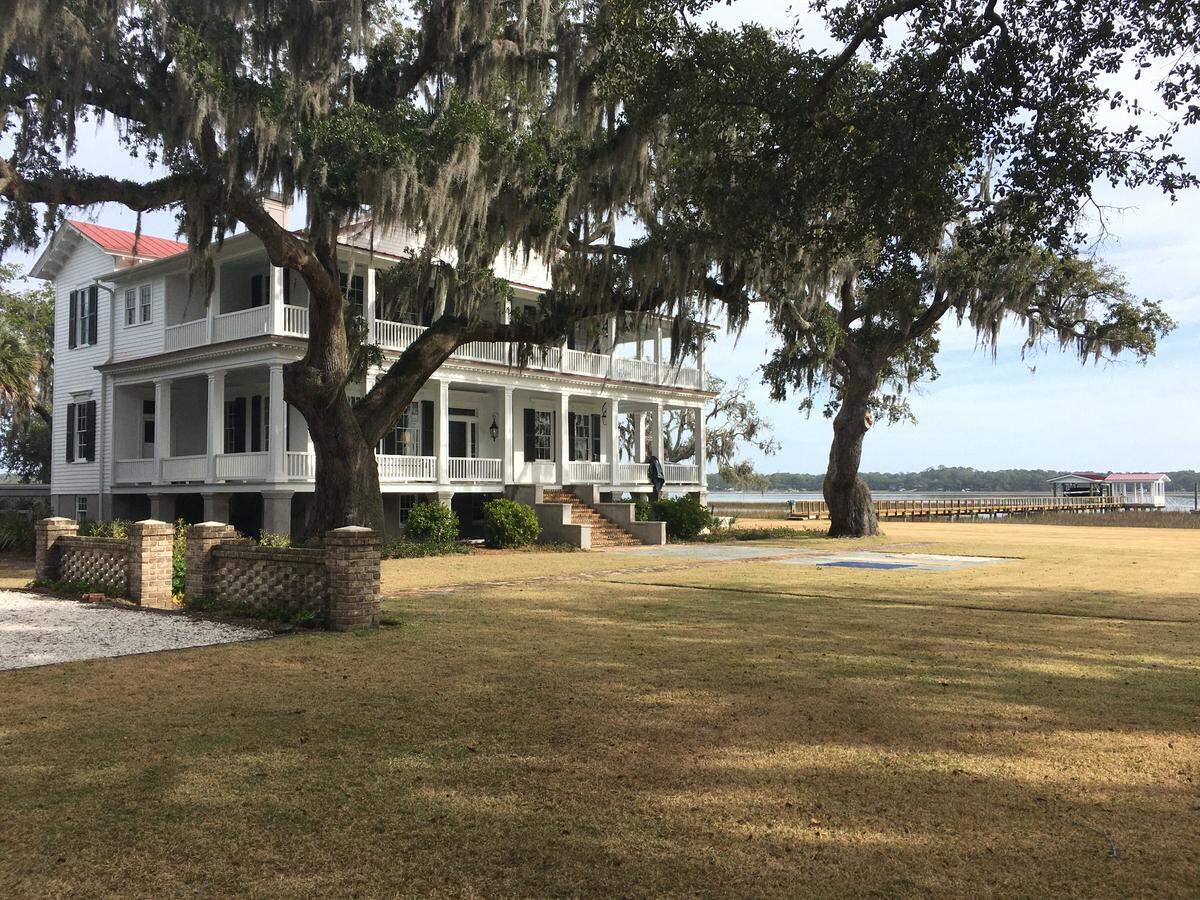
The Point, located on the east edge of the city overlooking the Beaufort River, falls within the Beaufort National Historic Landmark District. It’s well known for its historic and high-priced houses. Some of the homes have been used as backdrops in Hollywood movies, like Tidalholm, which is sometimes called “The Big Chill House.”

Residents: STRs would be ‘nightmare’
Nineteen people urged the city to keep the STR ban in the neighborhood. Emotions ranged from anger to irritation to confusion about what the city is trying to accomplish.
“Let’s be civil and respectful,” Mayor Cromer told some in the audience who at one point interrupted Scallate as he attempted to explain his position.
Point residents say they already deal daily with tourists who tour the pretty and timeless neighborhood from morning to dusk on foot, bus and golf cart.
Allowing STRs would give investors a foothold in a neighborhood that is a living museum and top tourism draw, and add to existing parking congestion on the neighborhood’s narrow live oak tree-lined streets, they said.
Gene Grace, who has lived in The Point for 51 and a half years, presented a petition to the council signed by more than 200 Point residents in support of keeping the STR ban. He said that was more than 90% of the neighborhood.
Bobby Melia, who lives on Hancock Street, said even a few short-term rentals in the tight-knit, picturesque neighborhood could have a big impact. If an investor buys one well-known Point home like “The Big Chill House” and turns it into an STR, for instance, predicted Melia, “It would be booked forever.” If two houses become STRs, it would be “the Nightmare on Elm Street scenario,” added Melia, referencing the famous horror film.
Tom Kline, who lives on East Street, said he was baffled by the council support for removing the STR ban in the neighborhood without any engagement. The city, he says, is proposing to remove the only barrier between residents and investors. Like others, he asked, why?
“As we wait for an answer, I recommend city staff go back and pursue other options our community may actually want and appreciate,” Kline said.
The City Council approved a zoning exception for The Point in 2018. It came at the urging of nearly every resident of the neighborhood, Councilman Mike McFee said. It’s the only neighborhood in the city where STRs are not allowed.
Council members stand ground
Scallate and Mitchell stood their ground on their support for rescinding the STR ban on The Point.
While he is sympathetic to the arguments opposing STRs raised by Point residents, Mitchell said, he noted he was elected at-large, with some Point residents in the audience likely even voting for him. But in every decision, he said, he must think about what’s fair for the city at-large, including Black residents of the Northwest Quadrant who confide in him as the sole Black member of the City Council.
Northwest Quadrant residents have asked him, Mitchell said, “Why are they so special?” in regard to the STR ban in The Point, he said. If you talk to Northwest Quadrant residents, Mitchell added, “They’d say, ‘We don’t want short-term rentals here either.”
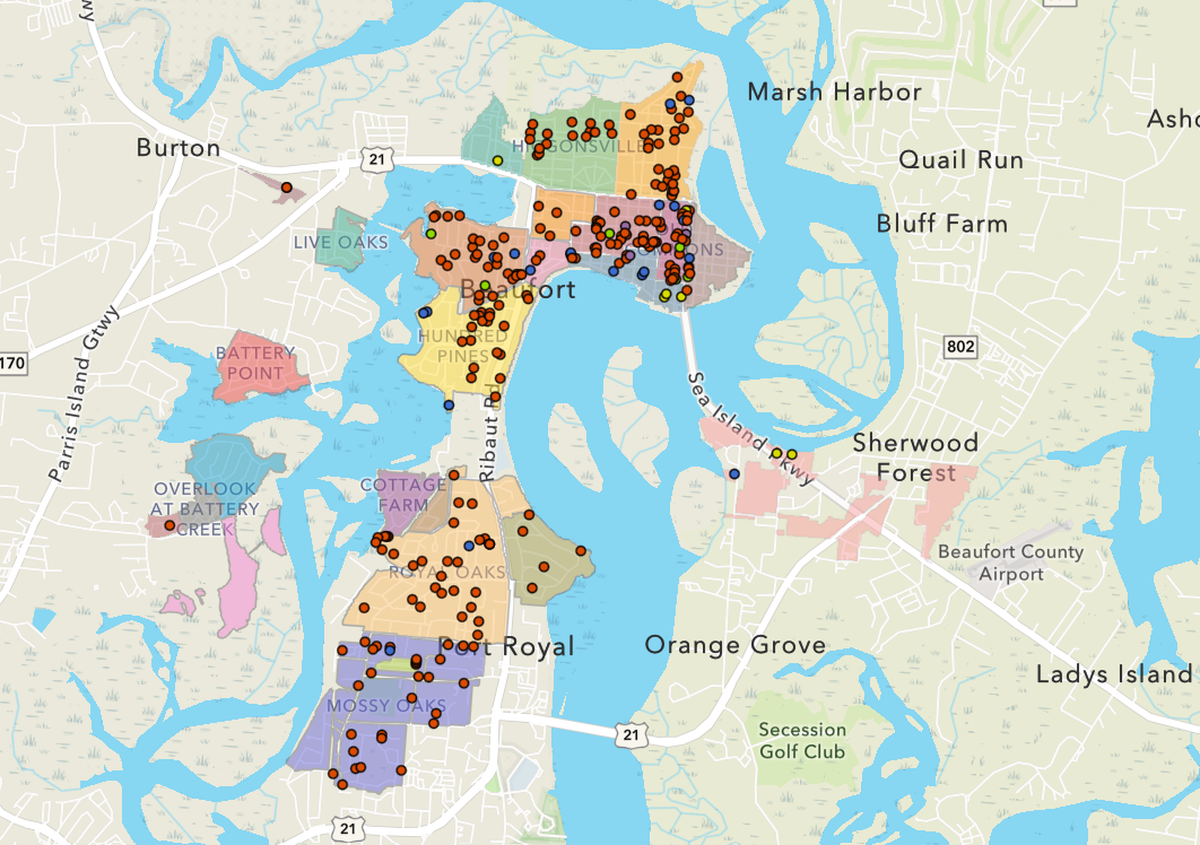
The city began talking about STR regulations last year following a 44% increase in four years and complaints from residents about parking and noise.
The STR issue came up in the first place because of Northwest Quadrant complaints that higher-income residents were moving in, driving up housing costs and displacing long-term residents, Mitchell said.
Maybe the answer, Mitchell said, is grandfathering existing STRs and banning them citywide.
“I don’t know the answer, and I’m stressed here sitting at this dais trying to figure out the right thing to do,” he said.
After he joined the council in 2022, Scallate said he originally raised the issue of STR regulations after a Northwest Quadrant resident told him the area was being overwhelmed.
A 6% cap is already in place for all residential zoning districts — except for those areas zoned T4N, which is a mixed-use-residential-commercial zoning. Most of the Northwest Quadrant and Old Commons neighborhoods, for example, are zoned T4N, making them exempt from the 6% cap. With no STR cap, as much as 20% of residential lots in some areas of those neighborhoods are being utilized as short-term rentals, he said.
Under the proposed new rules, the city is proposing to expand the 6% cap to all residential neighborhoods and create a 300-foot buffer between STRs to prevent clustering.
It’s unfair, Scallate said, to allow STRs to exceed a 6% cap in some areas, which limits long-term affordable housing, while allowing a ban in one neighborhood and not others.
Protecting ‘gem of Beaufort’
Point residents said they never asked for special treatment. They just brought their concerns about STRs to their local government representatives. The city’s proposed rules, they added, have been confusing and caught many in The Point off guard.
“Mostly we’re trying to protect what really is the gem of Beaufort and everyone in Beaufort should care about that,” said Karen Schwartzman, who lives on Hancock Street.
Jeff Hamrick, who lives on Washington Street, said The Point is not merely a neighborhood. It’s the primary engine of Beaufort’s $1.5 billion tourism industry. Touring the neighborhood is routinely listed as the No. 1 tourist attraction on travel sites, he noted.
The soul of the neighborhood that creates so much prosperity for the city will be lost if houses are turned into STRs, he predicted. And if there is a problem with STRs in other neighborhoods, Hamrick added, “fix it where the problems are.” Don’t, under the guise of being uniform, he said, “create a problem elsewhere.”
How ‘can of worms’ was opened
On March 10, when the City Council was voting on the new citywide regulations for the first time, Scallate proposed removing the ban from The Point. The city also was proposing to ban investors from using accessory units like carriage units as STRs; Scallate proposed an amendment to remove that restriction as well.
Both amendments passed 3-2 on a first reading, with Cromer and Councilman Neil Lipsitz voting no.
“I feel like a can of worms was opened up when this was proposed,” said Lipsitz.
Councilman Mike McFee joined Mitchell and Scallate in voting to rescind the STR ban in The Point.
But McFee said Tuesday he only voted for removing the STR ban and other amendments on a first reading to allow time for more discussion before the final vote. He would not vote to reverse the STR ban in the final vote, he said.
If McFee’s position stands, the vote would be 3-2 in favor of keeping the ban in place.
Edie Rodgers, a 91-year-old former state lawmaker who is not a Point resident, said STRs operate like motels and should be banned in residential areas of Beaufort.
“We’re not anywhere USA,” Rodgers said. “I don’t care what they do in the rest of the country. Maybe I should.”
Graham Trask, who lives in the Bluff neighborhood, was the sole person to testify in favor of removing the current exception for The Point regarding STRs, arguing it amounted to illegal “spot zoning.”
“Why does The Point expect exceptionalism?” said Trask.
However, Trask added, STRs need to be banned or severely limited citywide, adding he’s reaching out to representatives of The Point, Pigeon Point, Mossy Oaks, Old Commons and the Northwest Quadrant and urging them to work together on the issue “impacting the livability of Beaufort.”
This story was originally published March 26, 2026 at 8:49 AM.