40% growth in 4 years: Beaufort eyes closing a loophole in short-term rental rules
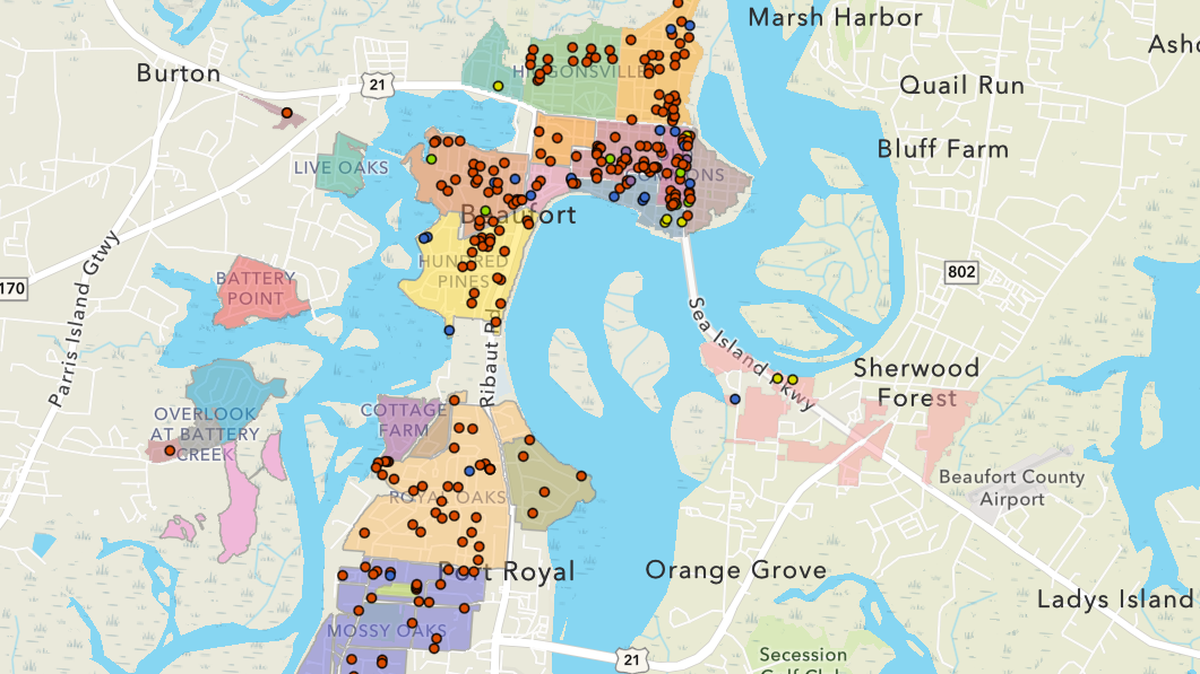
Short-term vacation rentals boomed in coastal communities including Beaufort during the pandemic and now the city is discussing overhauling its regulations to reflect the growth and keep the peace in its tight-knit residential neighborhoods known for peace and quiet.
A 42% increase in the number of short-term rentals (STRs) over the last four years alone has created clusters of STRs that are overwhelming some residential areas, city officials say. Tax revenue for the city has climbed 25% over that same period.
In recent months, the marked growth and concentration of STRs in a few of the city’s best-known neighborhoods has sparked complaints and the conversation about updating the rules to better manage the uptick. Among several changes the city is looking at is closing a loophole that allows multiple STRs to be located on a single property without being counted toward neighborhood caps.
The city also says it is is just good timing because the STR rules were implented eight years ago, prior to the growth in their popularity with both renters and property owners.
“They’re popular,” says says Justin Rose, a city business license inspector. “They’re lucrative. Everyone wants one.”
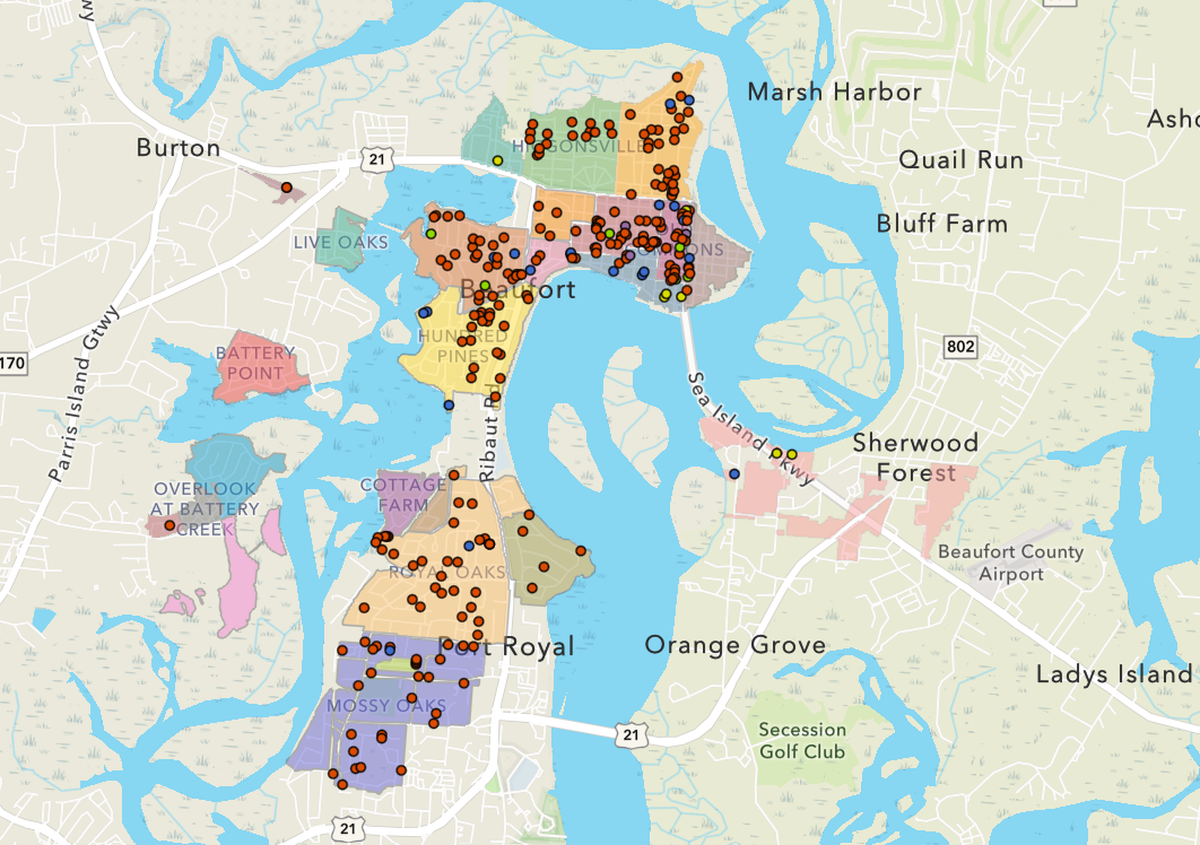
Here’s 10 things to know about STRs and rule changes the city is mulling:
1. What are the numbers?
The number of STRs, which are rented for 30 days or less, jumped more than 42%, from 175 to 249, between 2022 and 2025. STRs are adertised on popular platforms like Airbnb and Vrbo.
In 2012, when Rose, the business license manager, began working for the city, there were “maybe” a handful of STRs.
In 2018, when the city first implemented STR rules, 38 STR permits were issued followed by 43 in 2019 and 23 in 2020.
In 2021, the number jumped to 60, a 161% increase, followed by 70 permits in 2022, 56 in 2023 and 40 in 2024.
2. Why the increase?
The number of STR permits, says Rose, took off after the COVID 19 pandemic hit. “It didn’t start to blow up until COVID,” he says.
During the pandemic, more people wanted to stay in STRs, he said. At the same time, the popularity of buying houses with the intent of renting them as STRs as another means of income increased, Rose said.
3. What neighborhoods are the most STRs in?
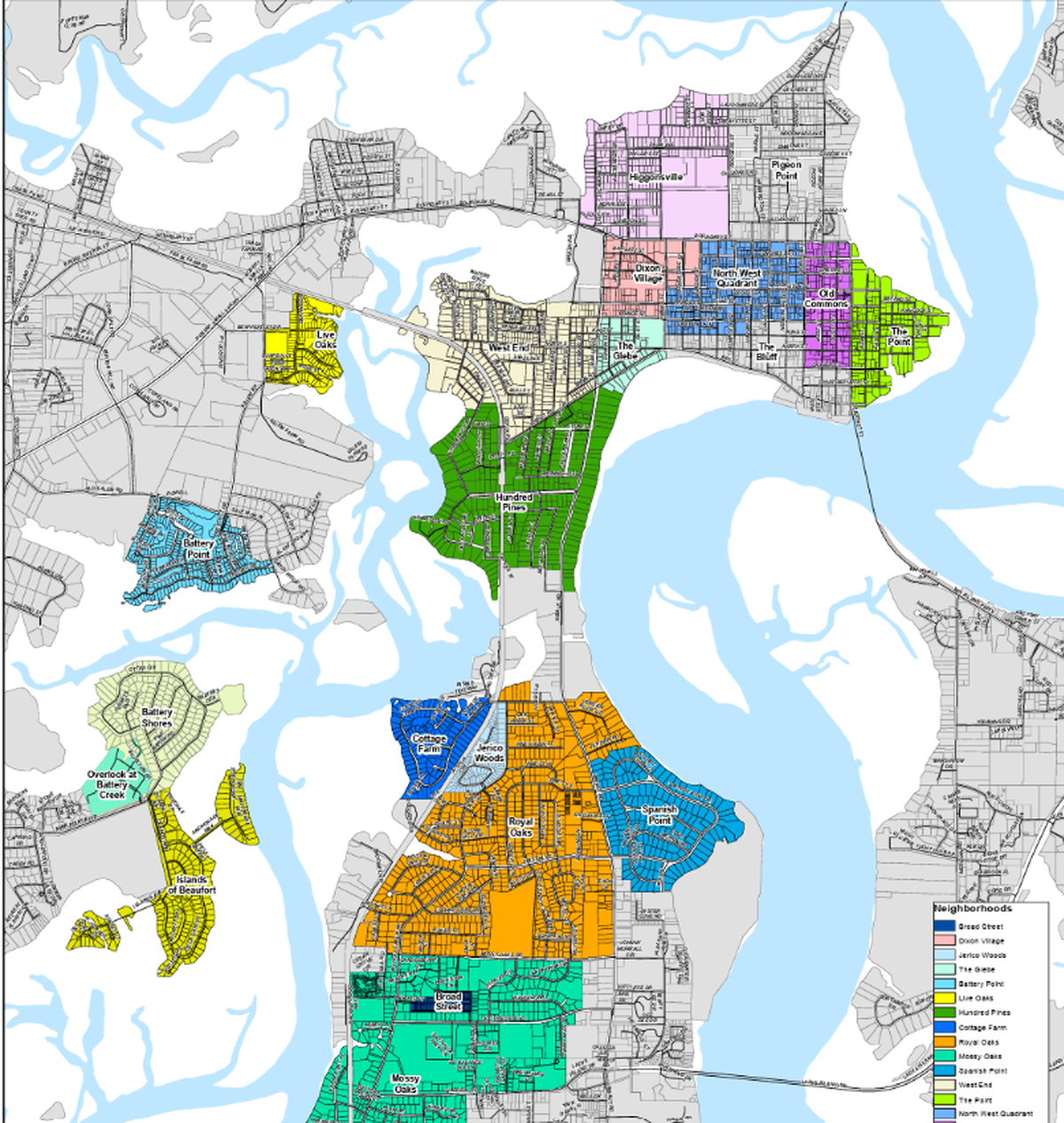
While spread accross the city, the highest concentration of STRs are located in popular downtown neighborhoods such as Pigeon Point, the Northwest Quadrant and the West End. In those areas, short-term rentals are “capped out.” The cap for short-term rentals is 6% of the residential property in any given neighborhood.
Many of these neighborhoods are within walking distance of downtown Beaufort, which is popular with tourists, said Christopher Klement, a city planner. Renting an STR in those area, he adds, “is a great way to stay downtown.”
4. What’s the problem?
Under the current rules, STRs are undercounted and there are loophools.
Currently, entire properties are licensed, not the individual structures being rented out. It’s those licensed parcels that apply to the 6% cap, not the number of units on each parcel. That’s significant because, according to city officials, sometimes up to three separate STRs can be located on a single licensed property, but only the single parcel is counted toward the cap.
An example of multiple STRs on a single property would be the main house and two accessory dwelling units (ADUs). ADUs are a smaller secondary residential units located on the property, oftentimes above the garage.
Although traditionally built for visiting family or friends, or for use as a long-term rental, ADUs are increasingly being used as STRs, Rose says.
Klement, the city planner, says the rise in STRs, and particularly STRs in ADUs, has created “clustering problems on some streets,” particularly those that are narrow, with issues related to parking and traffic.
“It becomes too much in a small area,” he says. “It becomes overwhelming.”
5. What’s the solution?
The city is studying a few possible changes.
Here are a few:
- Changing the number of STRs that apply to the neighborhood cap. The cap would no longer be based on the number of licensed parcels. Instead, the cap would be based on the actual number of “rooftops” or STRs on a property.
- Requiring homeowners to live on the site if they are using an ADU as a short-term rental. Currently, says Rose, the majority of STR license holders do not live on site.
- Creating a waiting list of applicants for STR licenses in particular neighborhoods. Currently, when a property with an STR license sells, the owner keeps the license until the sale is complete and then the new owner will immediately apply for an STR license. If a waiting list is approved, people would only be placed on the waiting list if they already own property in the neighborhood.
- Changing the cap on STRs per neighborhod to 8% or 10% to better reflect the number of actual STRs on the ground.
6. How does the city track STRs?
The city tracks STRs in the city with a computer software system run by Host Compliance LLC. With the increase of short-term vacation rentals, such as those advertised on Airbnb, VRBO and FlipKey, the software helps communities enforce the regulations and ensures revenue collection.
7. How much tax revenue does the city collect from STRs?
Here’s how much the city has collected in accommodations taxes from STRs over the last three years:
- $247,000 in 2022
- $297,000 in 2023
- $308,000 in 2024
That revenue is used for downtown operations and parks, said Alan Eisenman, the city’s finance director.
8. How do you get an STR license
People appliy for a permit. A safey inspection is required. A business license is issued. Those who have a license must ask for a renewal yearly. The accommodations taxes are paid monthly.
9. What types of rentals are out there?
The types of STRs run the gamut but often emphasize the city’s southern charm and cozy cottages and waterfront views and location in historic areas.
A room in a house on Sunset Marsh is going for $428 for five nights. An entire house with “southern charm” is advertised for $1,883 for five nights. A “cozy cottage” in the Pines-Hermitage neighborhood is renting for $929 for five nights. A restored 1889 cottage featured in “Southern Living” magazine is renting for $1,573 for five nights.
10. What happens next?
By this fall, city staff hopes to have STR recommendations to present to the City Council for consideration, Eisenman said.
This story was originally published August 5, 2025 at 12:56 PM.