SC’s most popular saltwater sport fish ‘being loved to death.’ New limits coming?
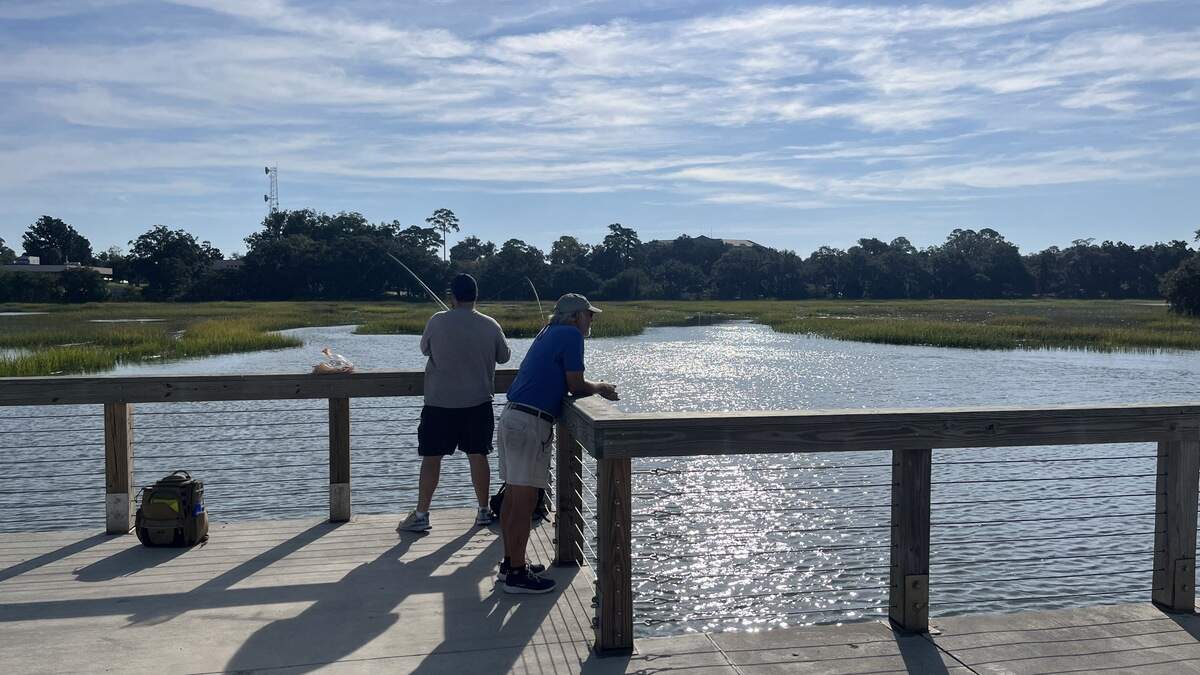
Redfish cruise the shallow waters of Lowcountry marshes feeding on crabs and other marine life, their tails cutting the surface like a shark’s fin. Anglers reel in some 2 million annually. The excitement of “sight fishing” makes them South Carolina’s most popular saltwater sport fish.
But Matt Perkinson, a wildlife biologist who works in Fishing Outreach and Education in the South Carolina Department of Natural Resources Marine Resources Division in Charleston, says redfish, also known as red drum, reds or spottail bass, are “being loved to death.”
Two recent studies, one regional and the other specific to South Carolina, found the number of breeding adults at their lowest levels in decades, SCDNR says.
SCDNR officials will make recommendations to the South Carolina Legislature, which convened Jan. 13, to consider reductions in bag and boat limits for the state’s most popular sport fish because of population declines caused by overfishing and habitat loss, Perkinson says. It follows months of stock assessments, surveys and public input.
If new harvest limits are implemented, ripples will be widely felt around the Beaufort and Hilton Head areas, where anglers wading into the marsh after reds or casting from a boat near shore is a common sight. It will also affect a thriving coastal charter industry, where redfish are often the No. 1 target.
Anglers who catch redfish might not even notice the problem, Perkinson says, because they are still catching fish. But areas that once had schools of redfish in the hundreds, for example, are seeing numbers in the 30s to 40s per school.
“We’re taking too much out of the water faster than they can produce and the size of the population out there is not large enough to replenish itself and be sustainable,” Perkinson said.
Reducing how many redfish are taken from SC waters
Specific reductions to the limit, which must be approved by state lawmakers, are still under discussion, Perkinson said. The current limit is two fish per person and six per boat, with a slot limit of 15 and 23 inches.
In its most recent status update for the redfish population, SCDNR says a 24% reduction, at a minimum, in the number of fish removed from area waters is needed to get the population above the “overfished” threshold in seven years. Achieving a “healthy” status would take 30 years, it says.
The state is among several Atlantic coastal states considering new redfish protections because of population declines, Perkinson says. The southern stock of redfish on the Atlantic Coast inhabit waters off of South Carolina and Georgia and the east coast of Florida.
“What that means is we will need to come up with a plan to reduce the amount of fish being pulled out of the water so we can rebuild the population and stop overfishing it,” Perkinson said.
Why is the redfish population declining?
SCDNR pins the decline on three main factors:
- A 144% increase in saltwater fishing trips to South Carolina over the last 30 years has increased fishing pressure. Even though anglers release most redfish, 8% still die due to capture stress. That’s about 160,000 of the 2 million redfish harvested annually. In 2023, removals of fish, which includes kept fish and those released that later died, were the second-highest on record.
- Changing environmental conditions such as temperature, salinity and wind patterns during the short spawning window in August and September, which is reducing larvae survival.
- Loss of critical habitat, namely small tidal creeks and saltwater marshes to coastal development.
The population crashed in the 1980s and early 90s, Perkinson said. Redfish management improved at that time and they rebounded. Now, with the coastal population growing and more people targeting redfish, the pressure has increased, he says.
Why redfish are so popular
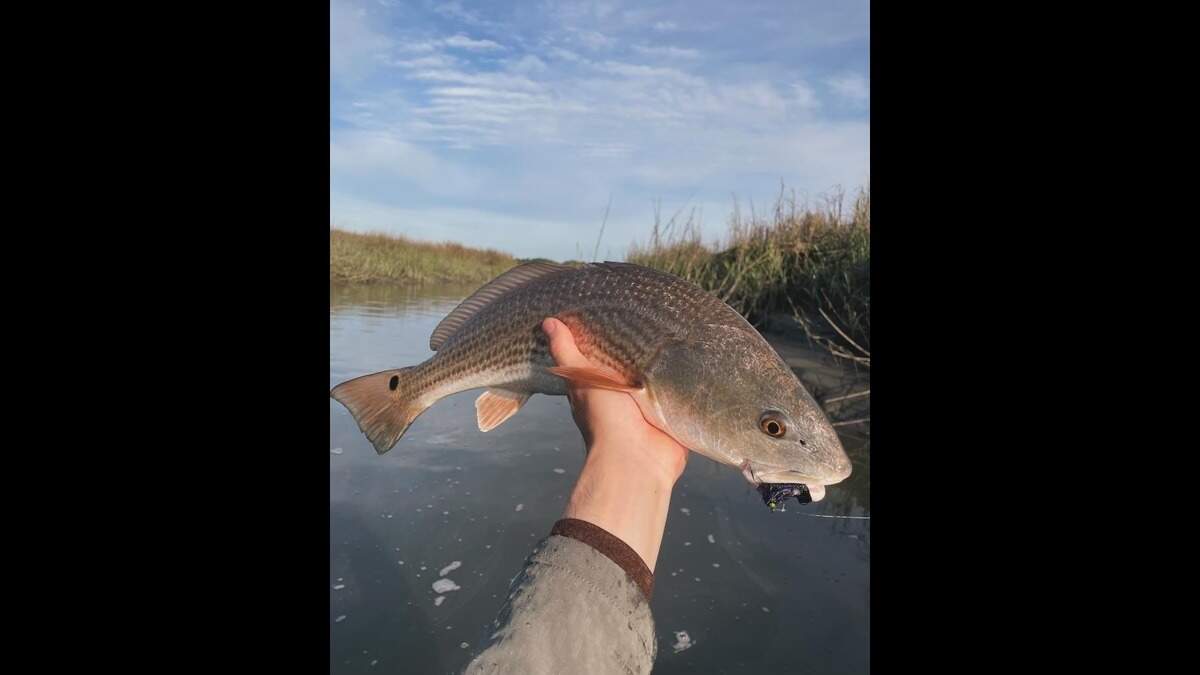
Redfish are known for distinctive black dots on their tails and fierce fighting.
It’s the state’s most sought-after inshore saltwater game fish followed by spotted sea trout and southern flounder, according to the SCDNR. South Carolina anglers catch some 2 million redfish annually.
Targeting redfish is popular because catching them involves hunting and fishing, Perkinson says.
When their black-dotted tails pierce the surface of water where they feed, known as “tailing,” anglers can “sight fish.”
“You are actually seeing the fish before you cast to it,” Perkinson says. “That’s very exciting for folks.”
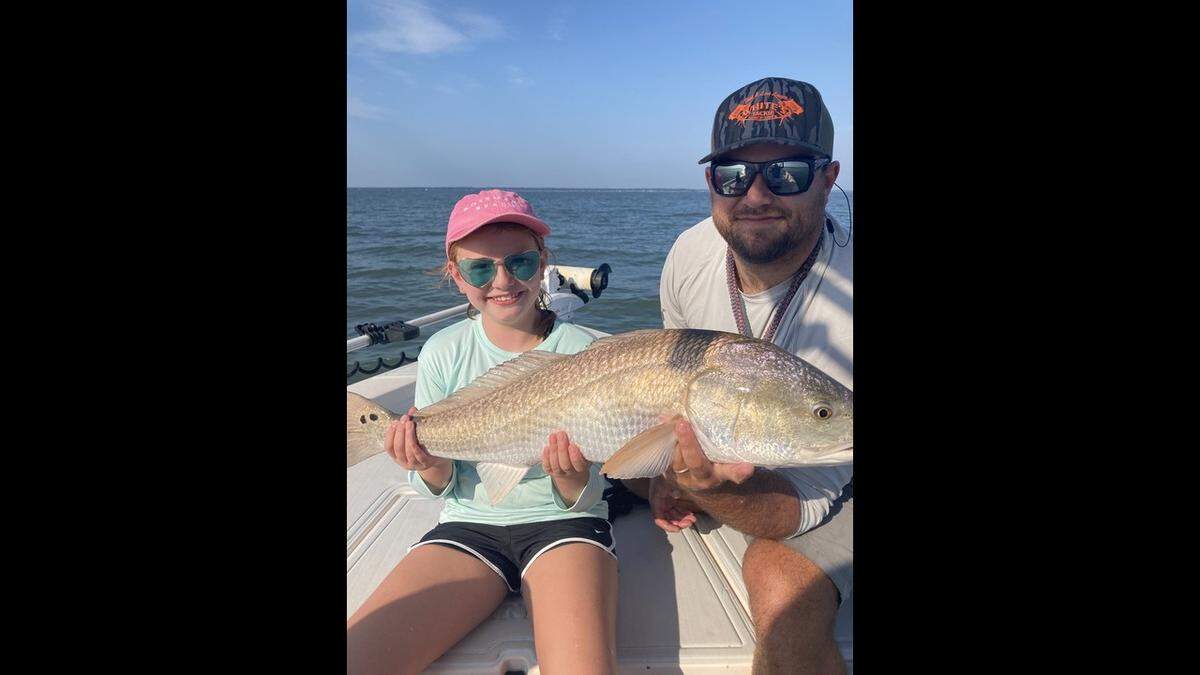
Most people fish from shore and catch smaller, young fish that inhabit the smaller tidal creeks in salt marshes, SCDNR says. Larger adults hang out in the open ocean but move into the mouths of estuaries to spawn in August and September. South Carolina’s oldest recorded red drum was 41 years old. The state record was a 75-pound fish caught in 1965 in Murrells Inlet south of Myrtle Beach.
SCDNR discourages the targeting of larger fish during spawning because they produce more eggs making them critically important. Minimizing the time fish remain out of the water before they are released markedly improves their chance of survival, SCDNR says. So does holding them horizontally, with wet hands, and using a rubber-coated net.
Fishing is active year-round, but fall is considered the best season.