Boat cleanup, pay raises, street fixes, housing help: Beaufort’s $73M budget is ambitious
Even a quick reading of the City of Beaufort’s list of proposed 2026 projects is nothing if not ambitious:
- Paying employees more to retain them.
- Massive construction projects to replace aging stormwater drainage systems.
- A new park that will honor Black Civil War troops.
- Restoring a landmark that was constructed when America was 20 years old.
- Squirreling away funds in case the city is forced to remove storm-battered boats again.
- Addressing aging houses in disrepair that are becoming a blight in some neighborhoods.
That’s just a sampling of the spending plans in the city of Beaufort’s proposed $73.1 million budget for 2026, which is unusually heavy with construction projects that will touch nearly every segment of the city’s 14,000 residents, from park users to neighborhoods with flooding problems to history buffs to property owners who need assistance repairing their homes.
The City Council unanimously voted May 13 to give preliminary approval to the budget for fiscal year 2026, which begins July 1 and ends June 30, 2026.
“For a city of our size,” says City Manager Scott Marshall, “we do have a lot of different projects going on.”
The city, Marshall added, has managed in the budget to absorb escalating costs without passing them along to either residents or employees. “From a city manager’s perspective, that’s something that’s a significant accomplishment,” he said.

Here’s 10 things to know about the spending blueprint for the coming year:
1. $28.5M will be spent on building or fixing things
The budget allocates $28.5 million for 15 capital projects:
▪ Washington Park on Washington Street: $528,000. It once was the only park in the city where Black residents were legally allowed and remains an important neighborhood gathering place today. It’s in the process of getting new playground equipment, pavilion and a basketball court.
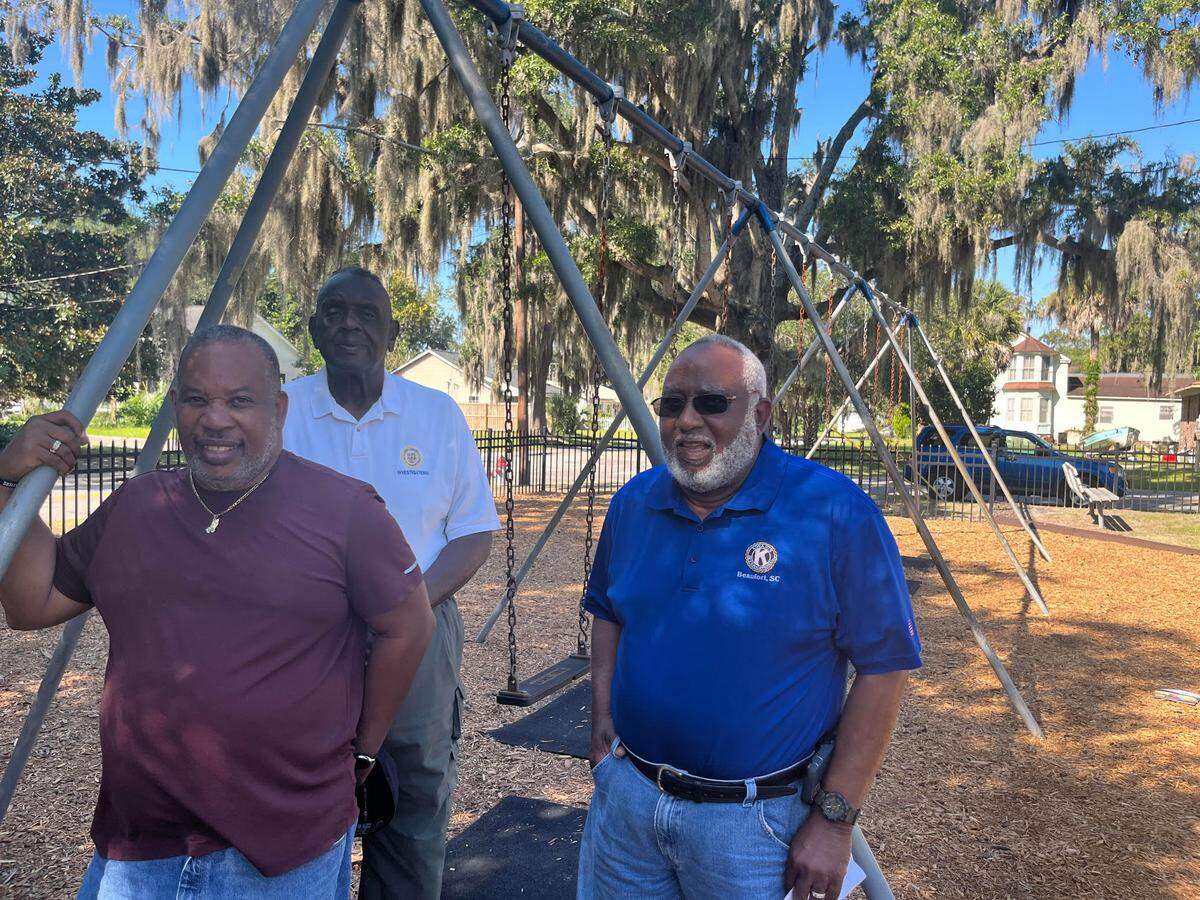
▪ Southside Park second phase: $1.5 million. The first phase included a new parking lot and pavilion and playground equipment. It was finished earlier this year. The second phase will bring an improved dog park, disc golf and a walking path.
▪ First SC Volunteer Park: $250,000. The city is developing a six-acre sliver of land between Battery Creek and Boundary street into a passive park honoring the 1st South Carolina Volunteers, the first Black troops to fight for the Union.
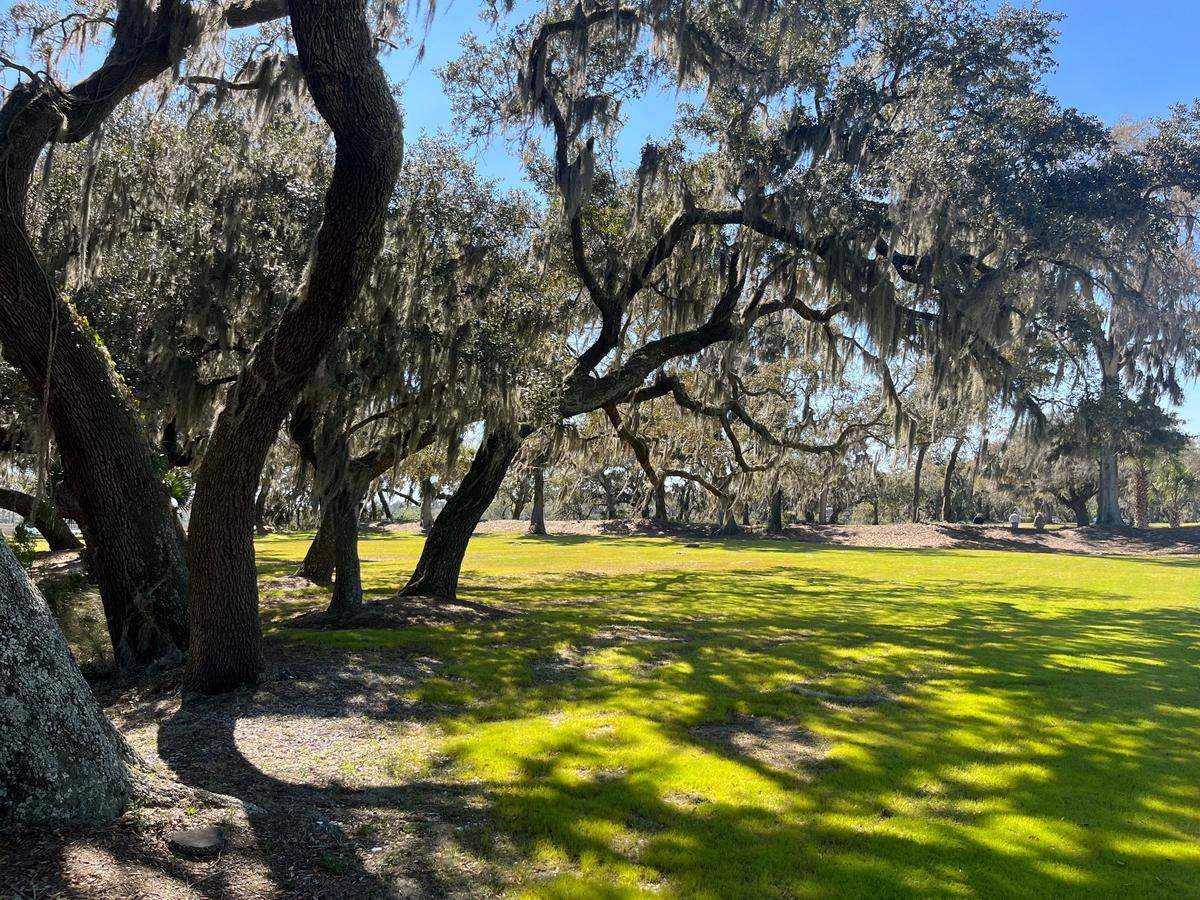
▪ Major stormwater drainage fixes at Charles/Craven Street and King Street and Port Republic/Carteret Street: $20.8 million.
▪ Marina fuel tank replacement: $700,000.
▪ Improvements at the Police Department facility to convert unimproved space to work space: $150,000.
▪ Carnegie building interior: $200,00. The building, constructed in 1918, was one of fourteen libraries constructed in South Carolina with funding from the Carnegie Corp. Today it houses the Greater Beaufort-Port Royal Convention and Visitors Bureau.
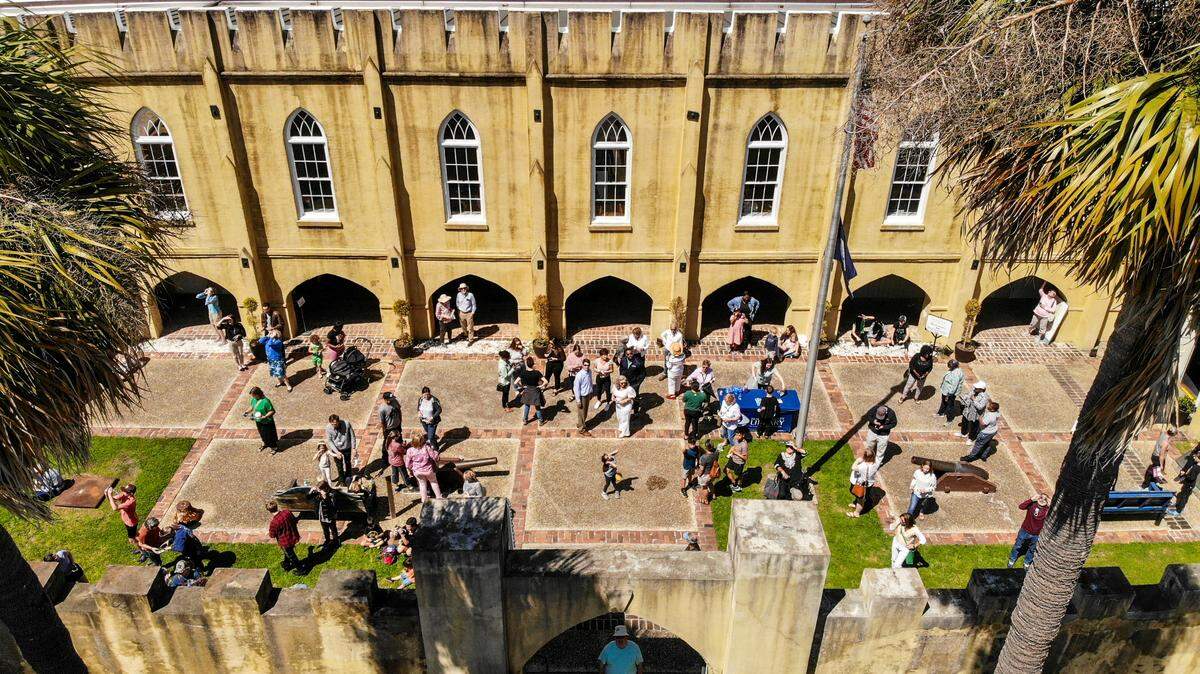
▪ Arsenal walls rehabilitation and windows: $368,639. The Arsenal on Craven Street, a landmark known for its yellowish walls, was built in 1798 to house the Beaufort Volunteer Artillery after it fought with the Continental Army during the Revolutionary War.
▪ Depot Road Spanish Moss Trail extension: $717,647
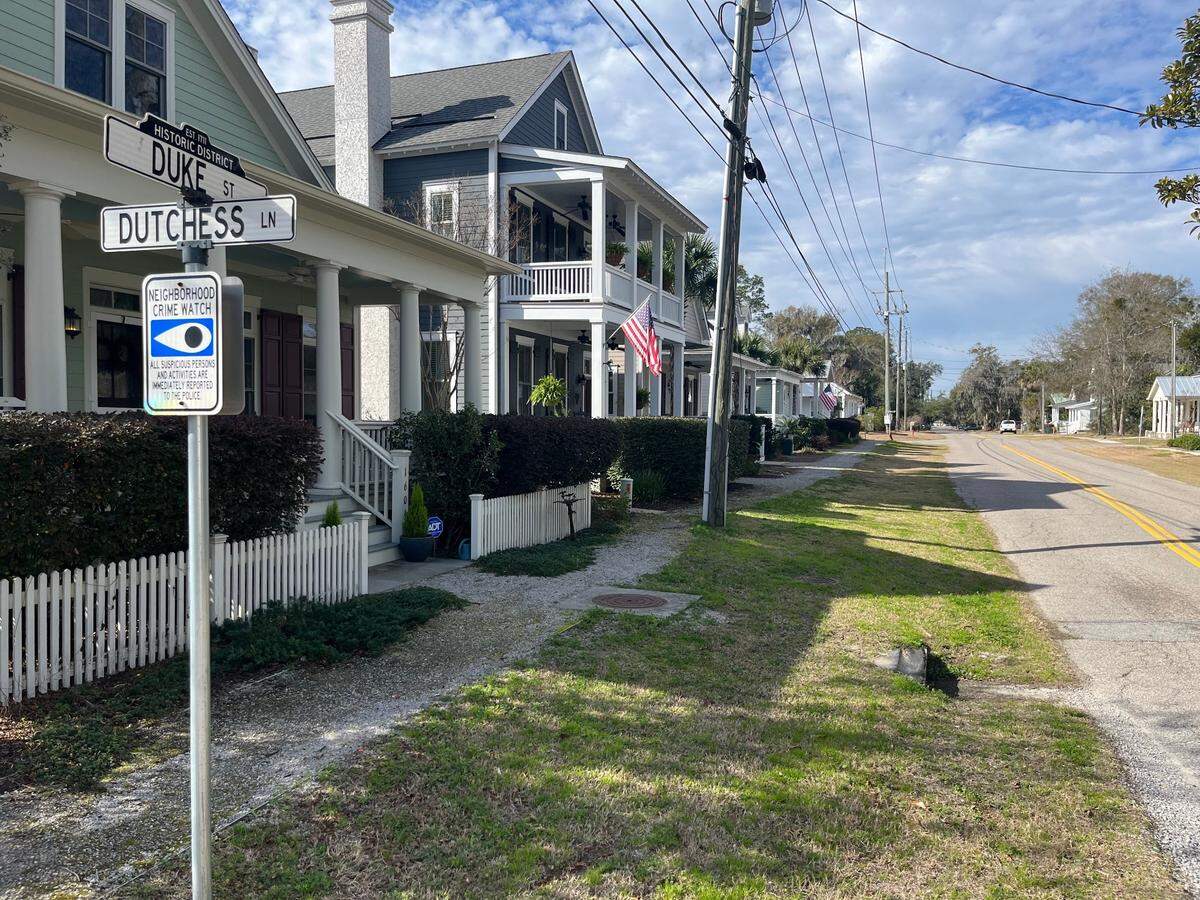
▪ Duke Street streetscape and drainage construction: $1 million. In 2012, developers reclaimed a derelict two-block stretch bounded by Bladen, Duke, Prince and Adventure streets. The redevelopment project, called MidTown Square, received rave reviews but residents who live along the 1600 block of Duke Street never got the sidewalks, streetlights, parking and tree plantings the city promised to complete in conjunction with the private investment. The city is now making good on that promise.
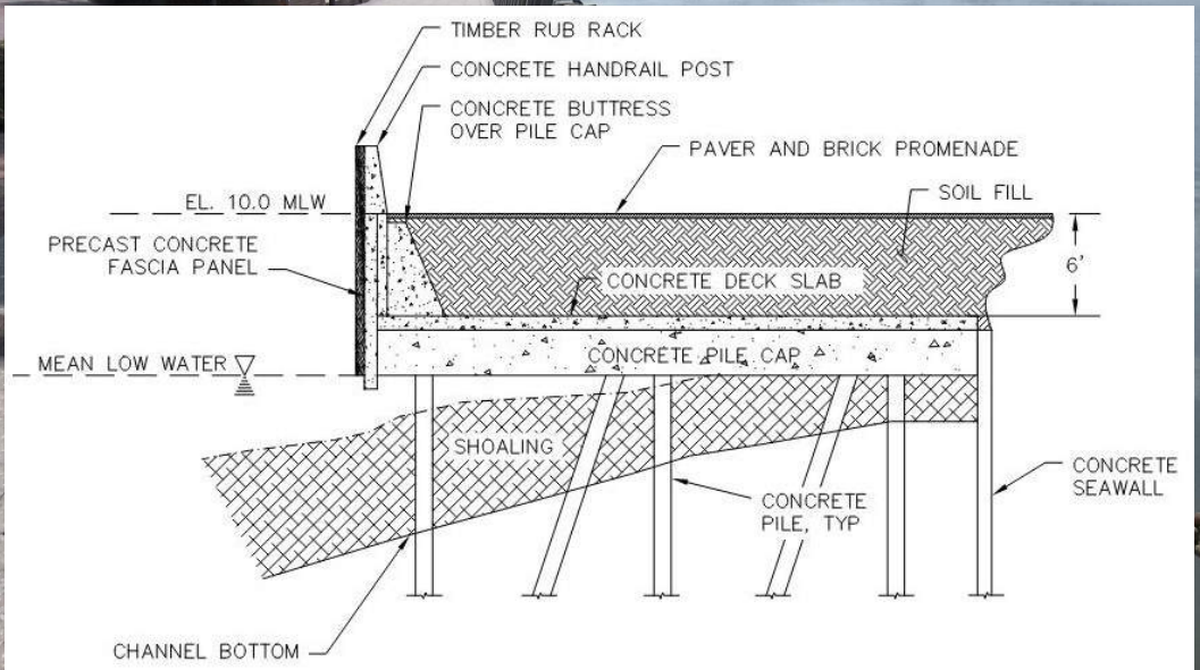
▪ Waterfront Park relieving platform phase II engineering: $250,000. The relieving platform has 570 concrete piles and a concrete cap and a concrete deck. It relieves pressure on the seawall. Inspections have revealed that many of the concrete pilings are deteriorating and the city is investigating replacing the relieving platform.
▪ City Hall, Police Department/Municipal Court roof replacement: $700,000.
Several factors factors are driving the brisk pace to address capital projects, Marshall says.
Many of the projects were actually identified years ago but no plan existed to address them, Marshall said. Now there is a plan. The city also has a full staff in place to work on finding the funding and getting the projects designed and built, he said. Two key additions were Deputy City Manager J.J. Sauve, who was hired in January 2024, and Raul Dominguez, who was hired as director of the Capital Improvement Program in September of 2024. The city also has extra funding thanks to $6.54 million in federal COVID-relief funds it received in 2021 to offset revenue loss during the pandemic. The funds could be spent in a variety of ways to buttress recovery efforts including affordable housing initiatives and infrastructure needs. But the city is racing a deadline to spend the funds, which had to be obligated by Dec. 31, 2024 and spent by Dec. 31, 2026.
“We’ve got to get these projects done while we have the opportunity,” Marshall says.
2. The budget is $73.1M
Beaufort’s Fiscal Year 2026 consolidated operations budget of $73.1 million is a $7.5 million increase from 2025. The city says a significant portion of the increase is due to unspent but previously authorized capital funds, including grant-funded projects. The consolidated budget has eight funds: general, parks and tourism, state accommodations tax, fire impact fees, stormwater, capital projects, tax increment financing, America Rescue Plan Act and parks and tourism.
3. Police are getting new vehicles
The general fund, the city’s main operating fund, is $28.8 million, a 6.7% or $559,157 increase in spending. One of the increases in operating costs was $135,000 for replacing six police vehicles through a leasing program. Another was $75,000 for Public Works to cover an increase in the city’s residential waste hauling contract. With Public Works absorbing that cost, the $270 annual solid waste fee paid by residents will remain the same, Marshall said.
4. Business license revenue is really up
Business and building in the city is strong and that’s reflected in marked increases in business license and property tax revenue — a $1.1 million increase in business license revenue and a $370,540 increase in property tax revenue.
Some of the city’s new business license revenue is coming Beaufort Station, the new shopping center that opened in 2024 at the intersection of Robert Smalls Parkway and Parris Island Gateway.
Increases in operating expenses, the city says, will mostly offset by revenue increases in those areas.
.png "Parkers (1).png")
5. City taxes aren’t going up
The city’s overall millage rate remains flat at 73.9 mills, meaning the city’s tax rate is not increasing. A mill equals 1/1000 of the assessed value of the property subject to property taxes. For example, if the assessed value of a property totals $100,000 the value of a mill is $100. For Beaufort, the value of a mill in 2026 will be $131,885. That’s an increase of $5,432 over 2025. If your residential home is appraised at $350,000, the city share of property tax revenue will be about $1,035. The total bill includes other taxing jurisdictions. The increase in Beaufort’s mill value reflects growth in the number and value of properties that have been added to the tax rolls or improved, Marshall said.
6. Employees are getting pay increases
Employees are getting pay increases, which the city says will help it remain competitive in the labor market and “support our employees.” A 3% cost-of-living adjustment will be effective July 1. The city also is planning one-time merit bonuses of up to 2.5% based on performance. A compensation study is in the works and may recommend additional increases. To prepare for that possibility, the city is setting aside additional money to implement another 2.7% pay increase should it be necessary.
Additionally, the city will absorb a projected 9% increase in health insurance premiums, without passing the cost on to employees.
The overall increase for salaries and benefits is $1.3 million or 7.2%
7. Money is being set aside to remove boats
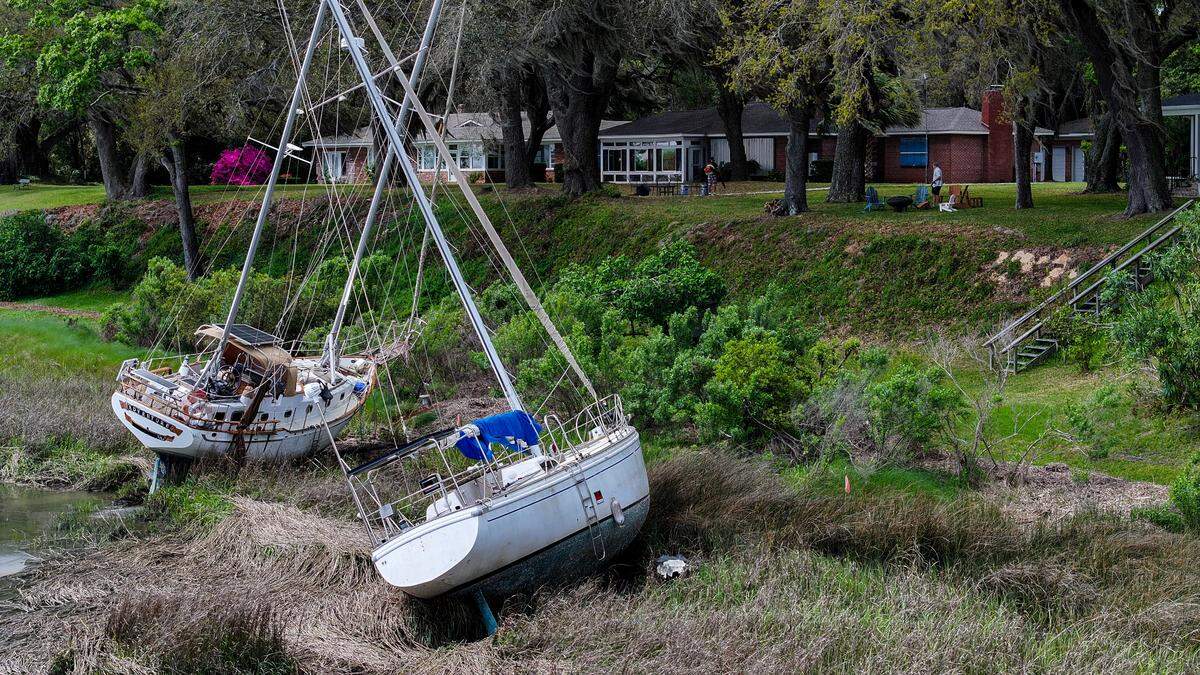
The city is creating a $50,000 contingency fund for boat removal and disaster mitigation. The move follows Tropical Storm Helene last September. The storm tore several boats from their moorings at the city marina and left them beached for months behind Bay Street homes lining the Beaufort River. The removal of the last remaining vessels came in April. The city paid a marine construction company $20,000 to remove some of those boats. Besides boat removal, the funds can also be used for disaster mitigation such as paying for emergency repairs to the city dinghy dock while insurance claims are pending. The dinghy dock also was damaged by Helene. “I’d rather plan for that than have to react,” Marshall said.
8. Money is being set aside to fix houses
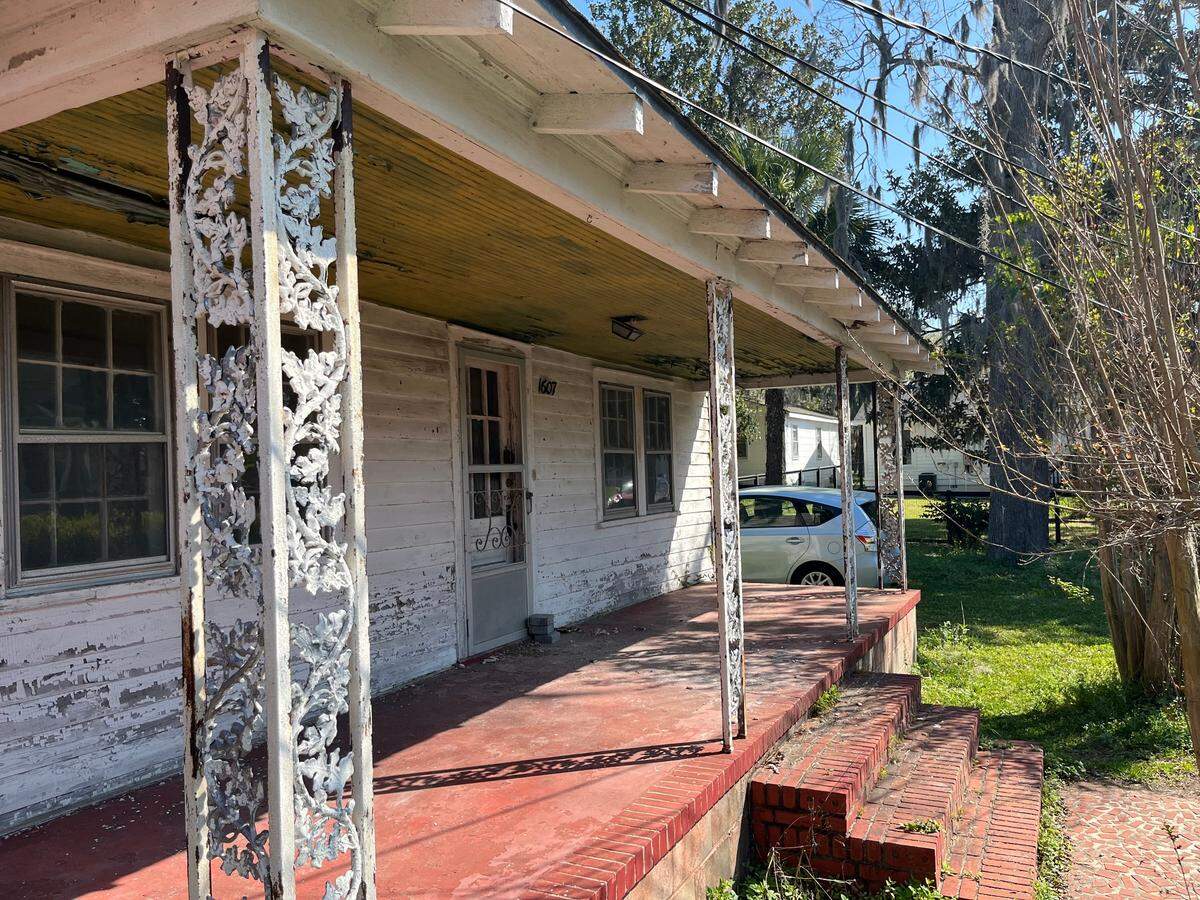
The city also is proposing to contribute $100,000 to the Beaufort Jasper Housing Trust for a Housing Repair Assistance Program. The trust works to create and preserve workforce and affordable housing in Beaufort and Jasper Counties. The money will be used to assist qualifying homeowners fix up houses in poor condition. The condition of houses, particularly those located in the historic district, has been raised as an issue in recent years. Some have complained that rules within the historic district make it more difficult to maintain these structures. The city contributed $50,000 to the fund in 2025. This is the first year the city is partnering with the Beaufort Jasper Housing Trust.
9. Money is being set aside for nurses
The city, home to Beaufort Memorial Hospital, is giving $5,000 to the South Carolina Nurse Retention Initiative to address the region’s nurse shortage.
10. The budget still needs final approval
The City Council will take final action on the budget on June 10.
This story was originally published May 22, 2025 at 1:02 PM.