These 2 historic but crumbling Beaufort cottages will be razed. ‘Termites are holding hands’
In a rare move this week the Beaufort Historic District Review Board, charged with protecting historic houses, unanimously approved the demolition of two dilapidated Duke Street structures that are in the heart of city’s vaunted National Historic Landmark District.
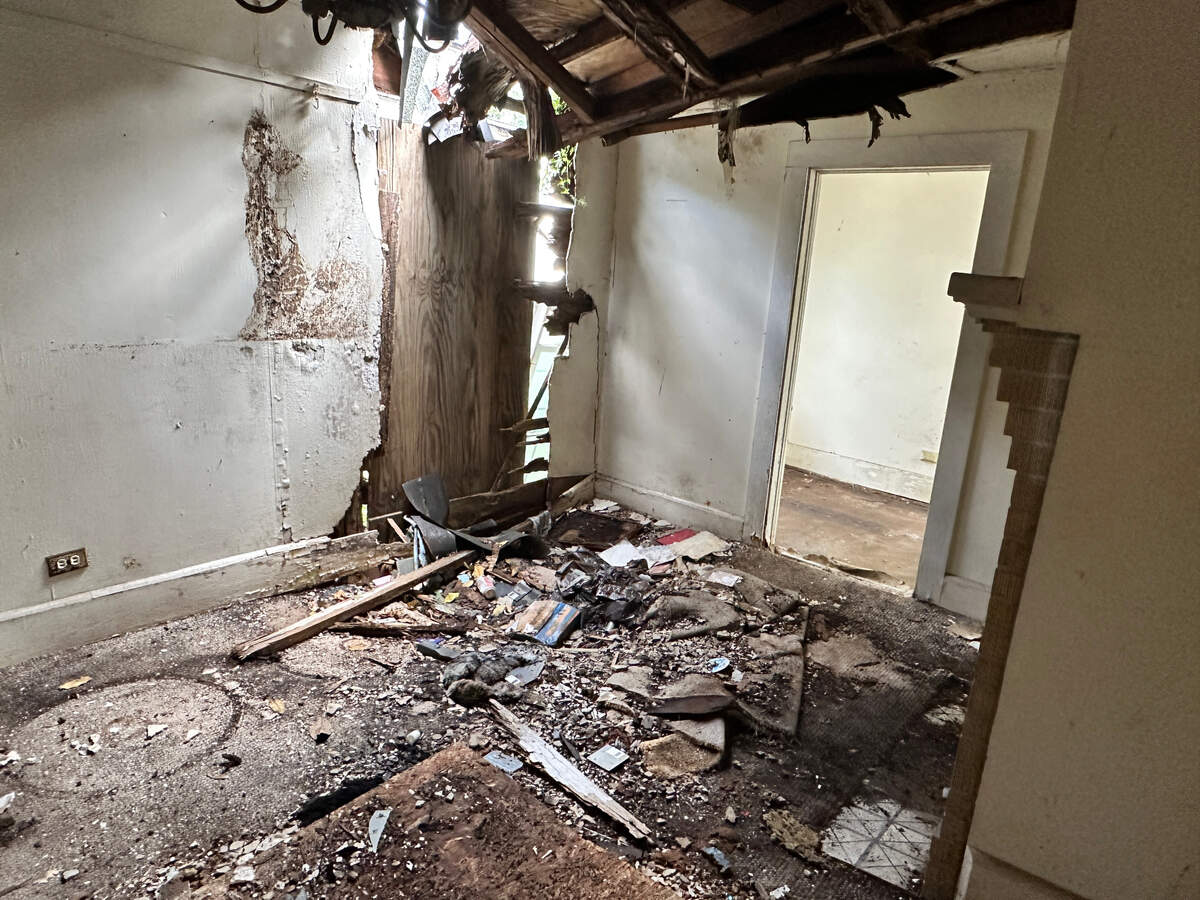
Mike Sutton, chairman of the board, said the Duke Street houses, even if they are officially contributors to the historic district, would require too much money to restore considering their poor condition and have become a burden to Ken Singleton, the property’s owner. “The termites,” Sutton said, “are holding hands in it.”
“Demolition by neglect,” added Sutton, is becoming all too common in the city, with more and more historic houses “melting into the earth” due to neglect or economic hardship. He called the vote a “warning shot” to the preservation community that the city needs help in addressing these properties before their foundations and facades fade into history.
“It’s not plausible to expect the owner to step up and find that money and turn these into Beautiful historic homes,” Sutton said of the Duke Street houses.
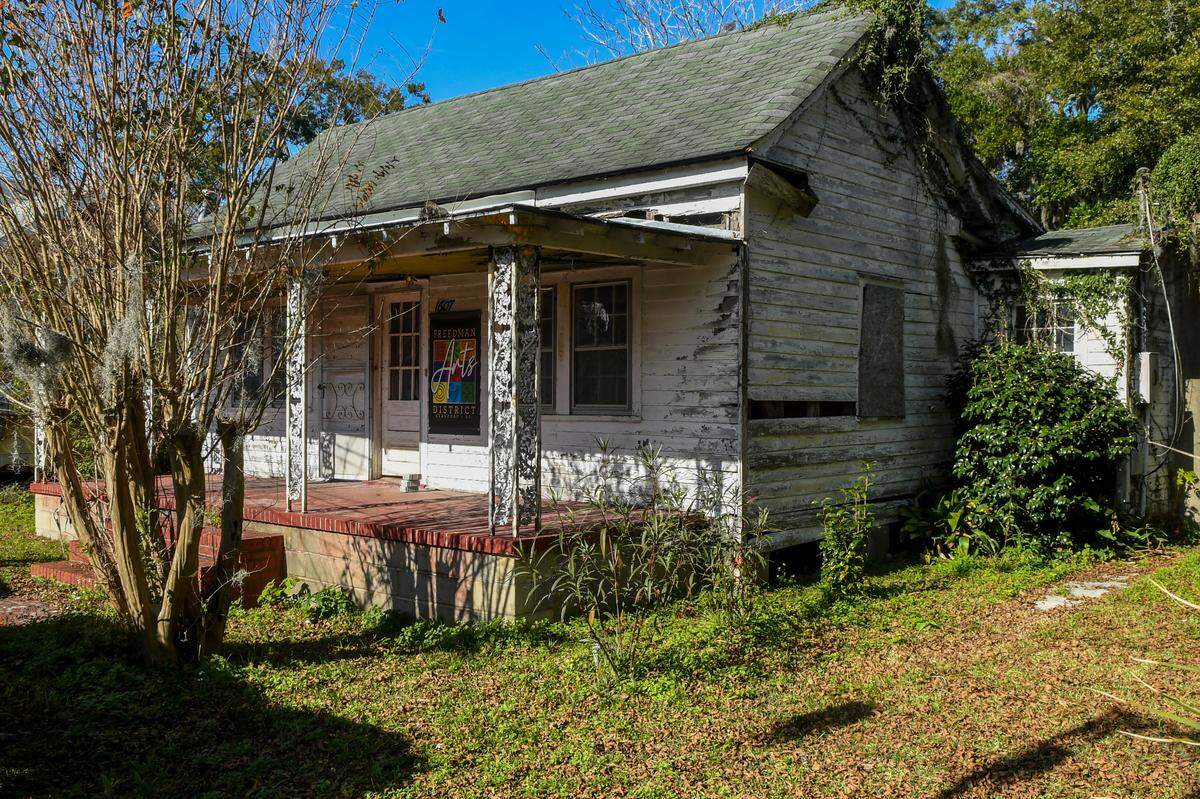
The 3-0 vote will allow the two houses at 1607 and 1609 Duke Street, which are side-by-side on a single lot, to be bulldozed. They were constructed between 1900 and 1910.
In approving the demolition, board members dismissed the advice of the city’s top planner and ignored pleas from its leading preservation organization that more could be done to save the houses. In the end, they sided with Singleton, a Beaufort barber shop owner who requested the demolition because he can’t afford the hefty restoration costs for cottages whose facades and foundations are quickly fading into history.
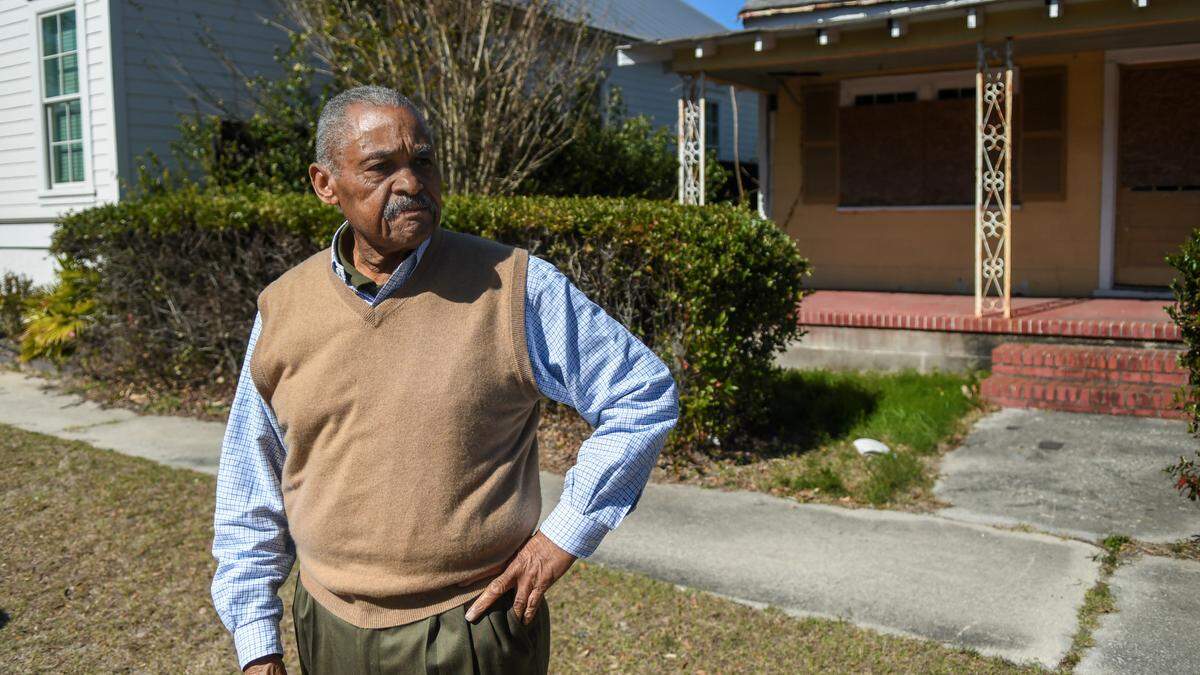
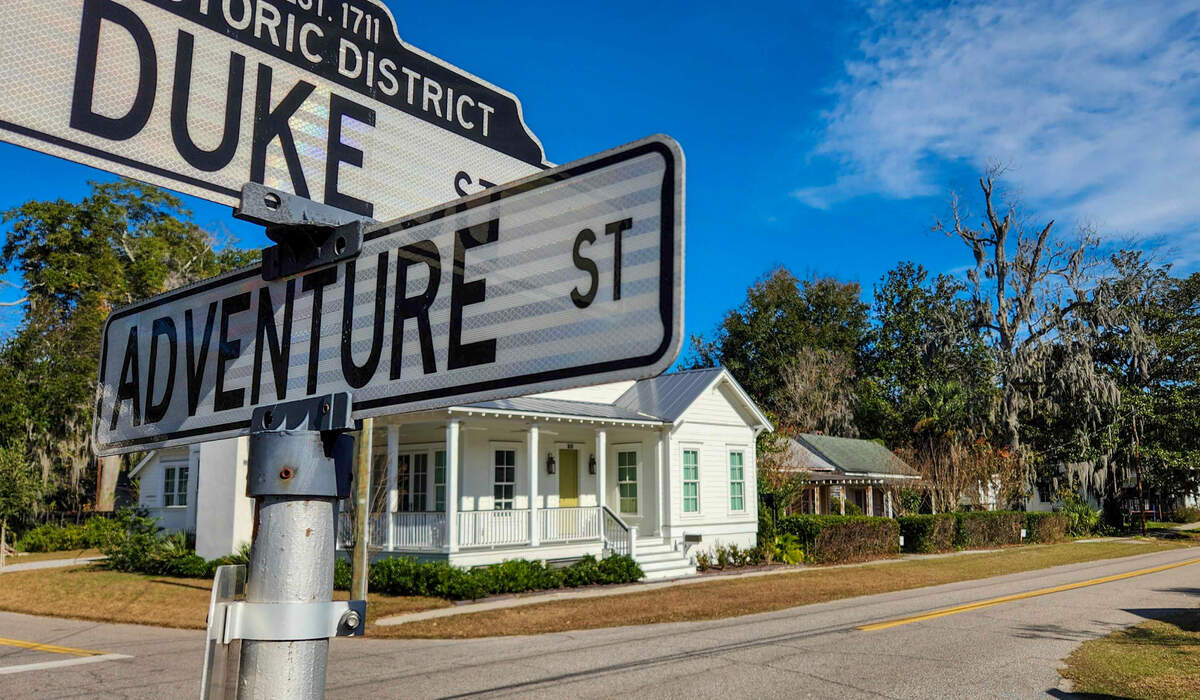
“To bring this back,” Singleton said Friday at his Duke Street property, pointing across the street to new homes that are part of Midtown Square, “you have to spend more money than building one of these new ones here.”
The bigger problem
Singleton’s case is representative of a bigger problem befuddling Beaufort: How to restore a growing number of unoccupied homes that help make up the city’s 304-acre historic district — without breaking the bank of the long-time residents like Singleton who are watching others’ property values skyrocket in the National Historic District. The structures are in danger of being lost due to neglect or economic factors.
By one estimate, 30 contributing structures — the backbone of the historic district — are in significant disrepair and sitting empty. Dick Stewart, a Beaufort businessman who is bankrolling a pilot effort to restore these houses so residents like Singleton can retain ownership, estimates it will take some $12 million to meet all of the needs. Lise Sundrla, assistant director of the not-for-profit Historic Beaufort Foundation, which has its own program to rescue historic properties, says more than 25 contributing structures have already been demolished over the last two decades.
Preserving contributing buildings in Beaufort, the state’s second oldest town, is so important that a public hearing and a vote by the HRB is necessary if the city gets a request to tear one down in the historic district. Naturally, Singleton’s request prompted a debate.
Curt Freese, the city’s community development director, recommended that the board deny the demolition request because “all means to save or rehabilitate the structure have not been exhausted.” That’s required by the Beaufort Preservation and Manual and Development Code.
While acknowledging that economics was “the elephant in the room,” Freese cautioned the board about using it as the basis for a denial. City code, he noted, has no “hardship provision” when it comes to demolitions which typically are only allow in cases of public safety.
Arguments for and against
Property owner Singleton is working with the Freedman Arts District, a not-for-profit that is financing restorations within historic neighborhoods. It was launched last year to save historic properties while generating income for the owners who rent them out to repay the investment in the renovation. But Singleton, through the organization, decided to seek the demolition permits after restoration costs came in too high.
Stewart, who is providing the initial funds for the group, hopes its success will spark larger investments. At the HRB meeting Wednesday, he argued that the city needs to consider the people that own the homes along with the architecture and history.
“We have to decide,” said Stewart, “is the value just the building? Or is the value the people as well?”
If the Arts District paid the high restoration price for the Duke Street property, Stewart said, there would not be enough funds to address the other 30 places in the district that need work.
In support of his request, Stewart submitted an engineer’s report that concluded Singleton’s properties are in such disrepair that they are not viable candidates for renovation. Restoring them would have cost an estimated $1.2 million more than a normal restoration, or $600,000 extra for each house, Stewart said. That additional cost, he said, would negate the financial returns for Singleton’s family and even cost more than building new cottages on the property.
If the board had a “reputable” demolition report, and a thorough investigation had been completed, demolition could be considered, countered Sundrla, the assistant director of the Historic Beaufort Foundation.
“Those properties are not at this stage,” said Sundrla, who also said that all avenues to save the two structures on Singleton’s property had not been exhausted.
The group, she said, even offered to buy one of the properties using the group’s revolving fund, but Singleton wasn’t interested in selling.
In making its decision, she said, the board can’t consider economic hardship and must consider the city’s preservation standards set for the historic district, as well as the rules put forth by the U.S. The Department of the Interior, which oversees historic districts.
Of the 300 structures in the district, 170 are identified as “contributing,” including the two Duke Street properties. The city is considering adding another 54, but Sundrla noted that 26 contributing structures have been demolished since 2001. That figure will rise to 28 when the Duke Street houses are razed. Why have a historic district, Sundrla asked, which is supposed to protect the properties in it?
Rising property values
Ultimately the board decided to approve the demolition after concluding that the restoration was not financially feasible, and that the homes had no significant salvageable architectural features. They also cited the engineer’s letter submitted by Stewart. What made the vote unusual, Sutton said, is that the board did consider the economic situation Singleton is facing.
Rising land values in the National Historic Landmark District, Sutton said, are getting out of hand and making it tough for many long-time Beaufort residents.
“As land values go up, with a dead building on it, they can’t get rid of a building and capitalize on the value of the soil they have when it’s tied up like that,” Sutton said.
Outside buyers, he added, are pushing up costs, making improvements even more challenging for local residents, who “are stuck.”
Going forward, the city and the preservation community needs to take action to address these properties before they fall a part, board members said.
Finding a solution
A meeting is planned Tuesday to discuss setting up a program to address the houses in the district that need repairs, Freese said. That meeting will include a discussion about going after grant funds. The Historic Beaufort Foundation, Freedman Arts District and other partners have been invited to brainstorm ideas, he said. If successful a program might be funded in the next budget. “There is a desire to do something,” Freese said.
In the 1980s, Singleton purchased the property, which he notes is attractive because of its large lot, nice lawn, mature trees and location within walking distance of downtown.
Singleton welcomes the demolition of the old houses, which have seen multiple construction additions over the years.
“Save it for what?” he says. “So I could always have some bills trying to repair it?” “This doesn’t fit with what’s around here,” he added. Singleton, noting that Black-owned homes and small businesses used “to be all over Beaufort,” is not interested in selling. Owning, he says, “gives a man pride.”
If Singleton agrees, Stewart said, the plan of the Freedman Arts District is to tear down the existing cottages and replace them with two new houses that will reflect the history, culture and architecture of the originals.
This story was originally published February 16, 2024 at 12:24 PM.