Unsung story of Civil War’s 1st Black soldiers from Sea Islands to be told at Beaufort park
The city of Beaufort is developing six acres of prime property along Battery Creek into a park to honor the unsung story of a remarkable group of Civil War soldiers known as the 1st South Carolina Volunteers who made history and changed the course of the U.S. Army and the nation as the first Black infantry to fight for the Union.
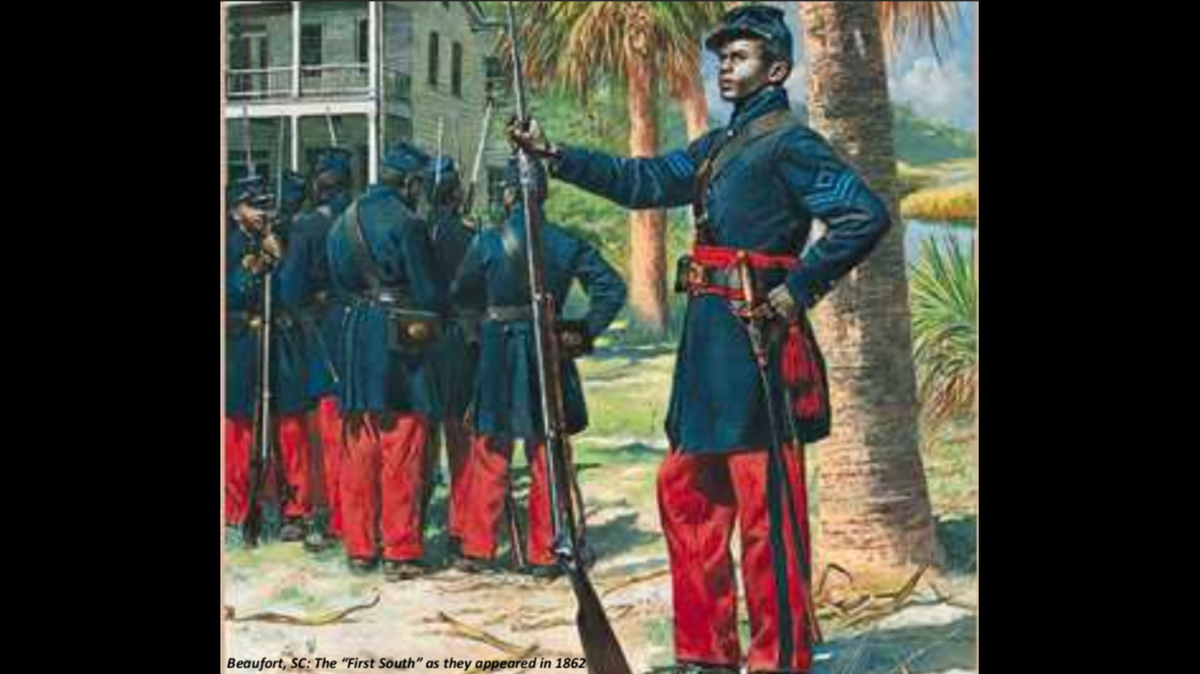
When the work is finished, City Manager Scott Marshall promises, people who visit the park won’t be able to enter and leave without learning about the men who served in the 1st South, as they called themselves. Members of the regiment, which wore blue tunics and red trousers before switching to the standard Union blue, was made up of recently freed slaves from area plantations on St. Helena and Lady’s islands and Whale Branch who would became the first of 180,000 men of “African descent” to serve in the Civil War.
“All that happened right here in Beaufort,” says City Councilman Mitch Mitchell, marveling at the city’s important role in the nation’s history.
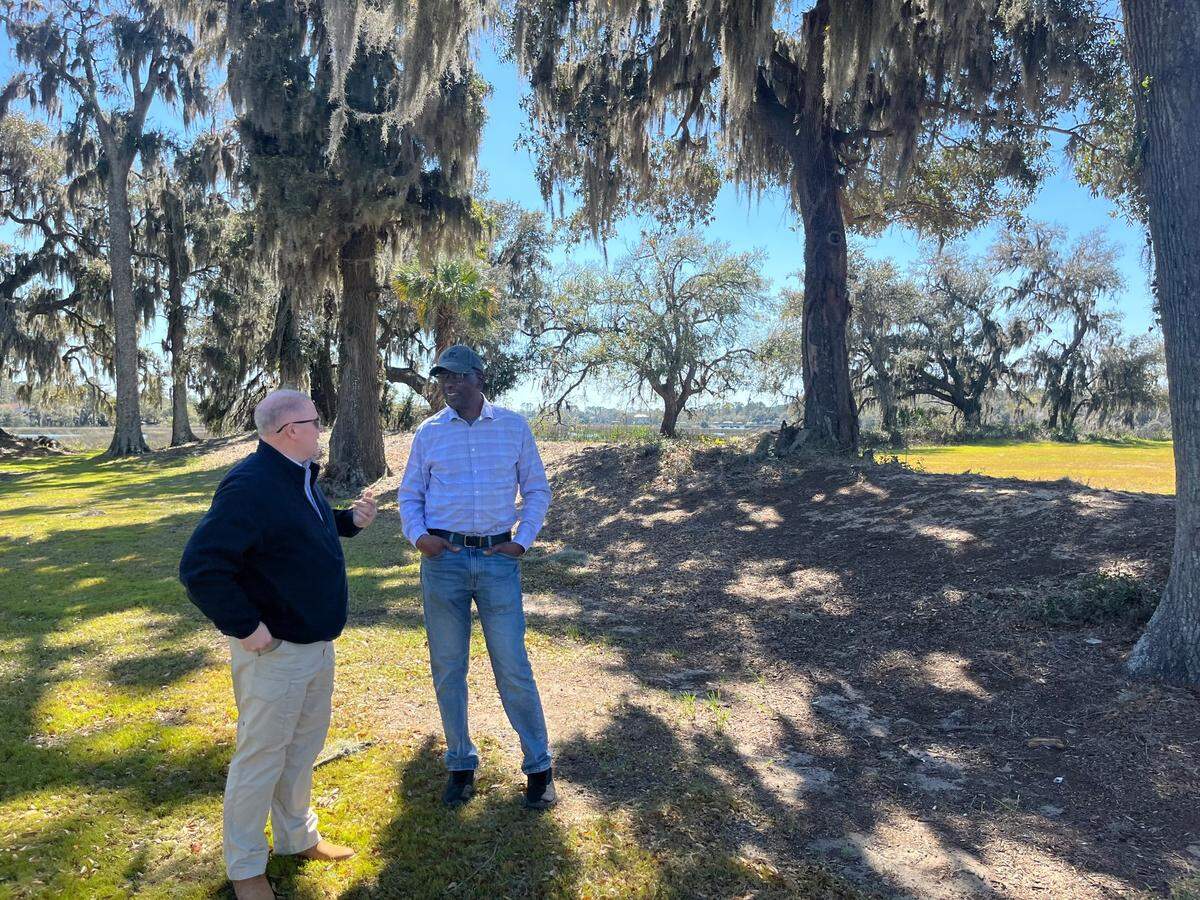
The memorial highlighting the area’s Black Civil War soldiers is planned for a prominent gateway on Boundary Street in a city where generations of Black residents were enslaved on area plantations.
Mitchell has been backing the park honoring the 1,000 men in the unit ever since he heard the full story of the regiment three years ago.
Mitchell, who grew up in Sheldon, said he never learned about the First South Carolina Volunteer’s accomplishments when he was attending local schools. From his perspective, the public acknowledgment of the important local and national history is long overdue in Beaufort.
“So much of the African American story — of us fighting for our freedom — was never taught,” Mitchell says.
Military officers take an interest
Mitchell first heard the story at a presentation by Chris Allen and Ben Hodges, retired Army officers and West Point graduates and friends who even contacted their alma mater at West Point about the story. Allen has been at the forefront of a local effort to commemorate the local historic regiment. He started looking into the story after he read a paper in 2014 about a regiment of recently freed slaves from the Beaufort area that was the first Black unit to fight for the Union Army in the Civil War. At the time he was a guide at the Beaufort County History Museum. That account was written by a 14-year-old local student name Andy Holloway. Allen thought, “This can’t be true.”
He enlisted Hodges, a part-time Beaufort resident retired lieutenant general who was once the commander of the U.S. Army in Europe, to investigate.
“It stunned and humiliated me I didn’t know this story,” Allen says.
The 1st South Carolina Volunteers story, he says, is under reported in Army history.
“Knowledge of this story has taken on some traction over the past three years,” Allen says. “Before that, it was the exception, not the rule, anybody knew this.”
The men of the First South Carolina
The 1st South included men like Sgt. Prince Rivers, who was born enslaved to Henry Middleton Stuart, who owned a plantation near what is today the Whale Branch bridge on Highway 21. “There is not a white officer in this regiment who has more administrative ability,” Col. Thomas Higginson, who headed the regiment, wrote of Rivers.
And Cpl. Robert Sutton, who did not report three life-threatening wounds, including one to his head, to his officers. “He is perfectly quiet and and cool but takes this whole affair with the religious bravery of a man who realizes that freedom is sweeter than life,” wrote Seth Rogers, the regiment’s surgeon, adding Sutton ought to be a general rather than a corporal.
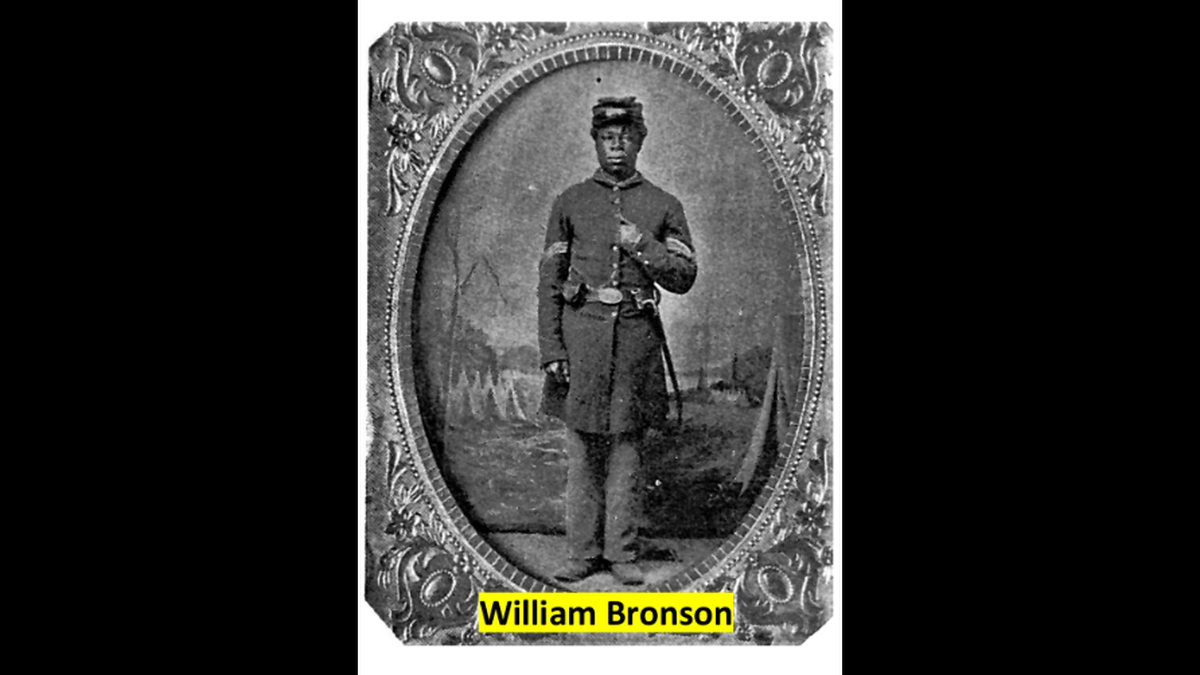
Another soldier in the unit was William Bronson of St. Helena Island, who is buried at Beaufort National Cemetery. William Trowbridge, the first white non-commissioned officer to volunteer to lead a Black regiment, wrote that Bronson, a carpenter who was born in the 1830s, was the first Black man to enlist in the Union army. Bronson would be the first of 180,000 who would eventually serve during the Civil War.
The 1,000 men came from Sea Islands around Beaufort and Port Royal and also Georgia and Florida. When the regiment formed, some 10,000 slaves lived in the Beaufort area. They were considered contraband when the Union Army arrived to assist the Navy as part its blockade of Confederate state ports.
The prequel to ‘Glory’
Many people think the 54th Massachusetts was the first Black regiment to fight for the Union in the Civil War, Allen says.
That famed regiment’s actions on the battlefield was told in the 1989 film “Glory” starring Matthew Broderick, Denzel Washington and Morgan Freeman. The film marks the regiment’s service, which concluded with the deadly Battle of Fort Wagner at Charleston Harbor in July 1863. The 54th arrived in Port Royal on June 4, 1863 before traveling to Charleston a month later for that battle.
But while the 54th was the first northern Black regiment to muster into service, Allen says, records clearly show it was the 1st South Carolina Volunteers that was the first formed Black regiment to deploy in combat. It came on Aug. 5, 1862 at St. Simons Island off the Georgia Coast, almost a year before the 54th saw action. In fact, the First South had engaged in battle on five occasions before the 54th saw action, says Allen, who describes himself as a passionate and amateur historian.
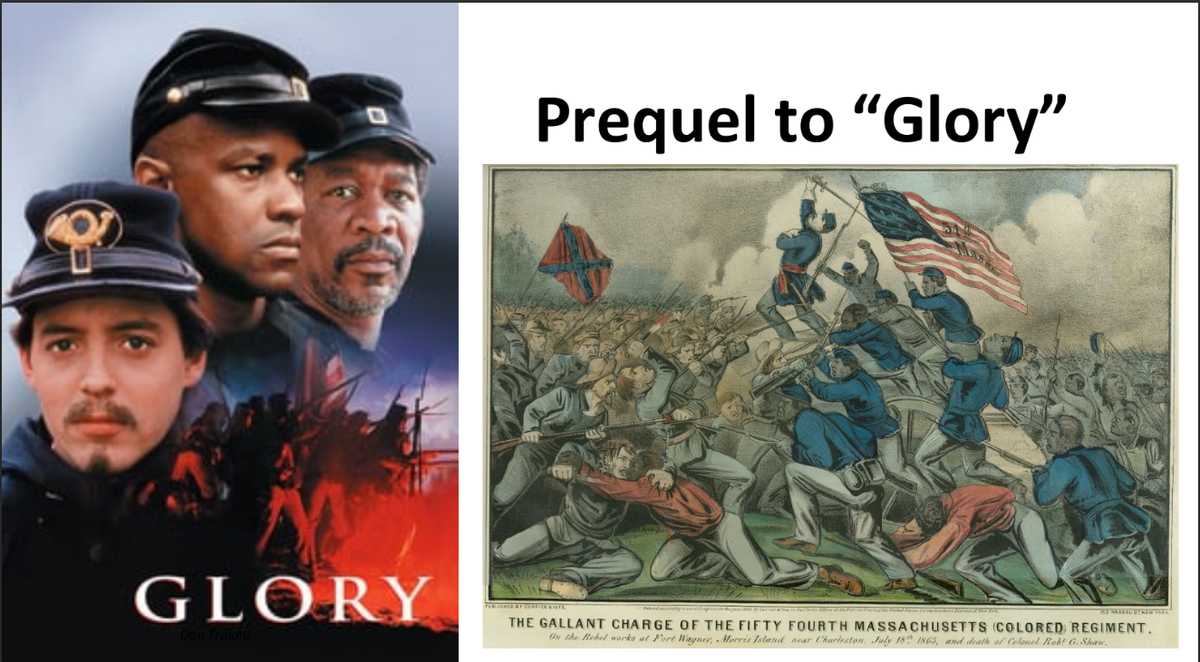
Allen was stunned to find the First South’s service was treated more like a footnote in historical accounts and wasn’t more widely known or promoted.
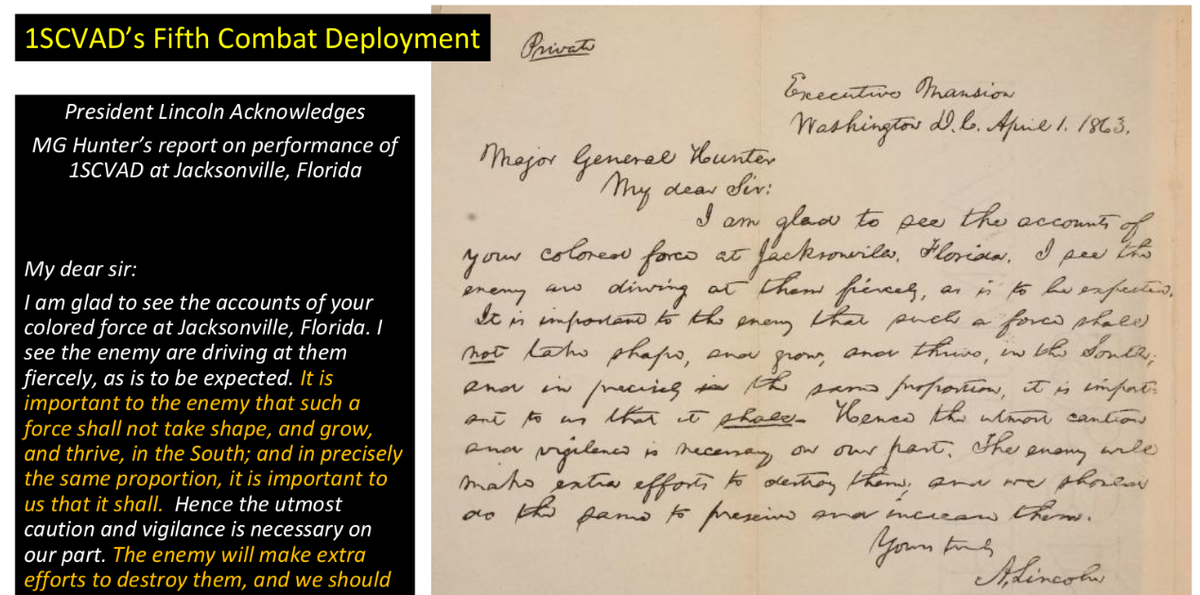
President Lincoln even specifically addressed the success of the 1st South in an April 1, 1863 letter he wrote to Gen. Hunter following the regiment’s occupation deep in Confederate territory of Jacksonville, Fla., Allen notes. Very few people have seen that letter, says Allen, which acknowledges how well the local regiment was performing in combat.
“It is important to the enemy that such a force shall not take shape, and grow, and thrive, in the South,” says Lincoln, referring to “colored forces” such as the 1st South Carolina Volunteers, “and in precisely the same proportion, it is important to us that it shall.”
Why the story isn’t better known
The reason the 1st South’s story isn’t more widely known is because it never engaged in a major battle such as Gettysburg, Allen believes. “Everything was important but small action,” Allen said. Its name didn’t help either. In February 1864, the unit’s name was changed to the 33rd U.S. Colored Troops. Allen believes the number 33 relegated it to relative obscurity.
Black soldiers had fought in previous wars including the American Revolution, Allen said, but that was the exception rather than the rule because of the 1792 Militia Act, which allowed only white soldiers to serve.
The 1st South Carolina Volunteers, who laid the groundwork for other Black units such as the 1st Louisiana Guards and 54th Massachusetts Infantry, marked the beginning of more than 160 years of continuous service of Black soldiers in the Army.
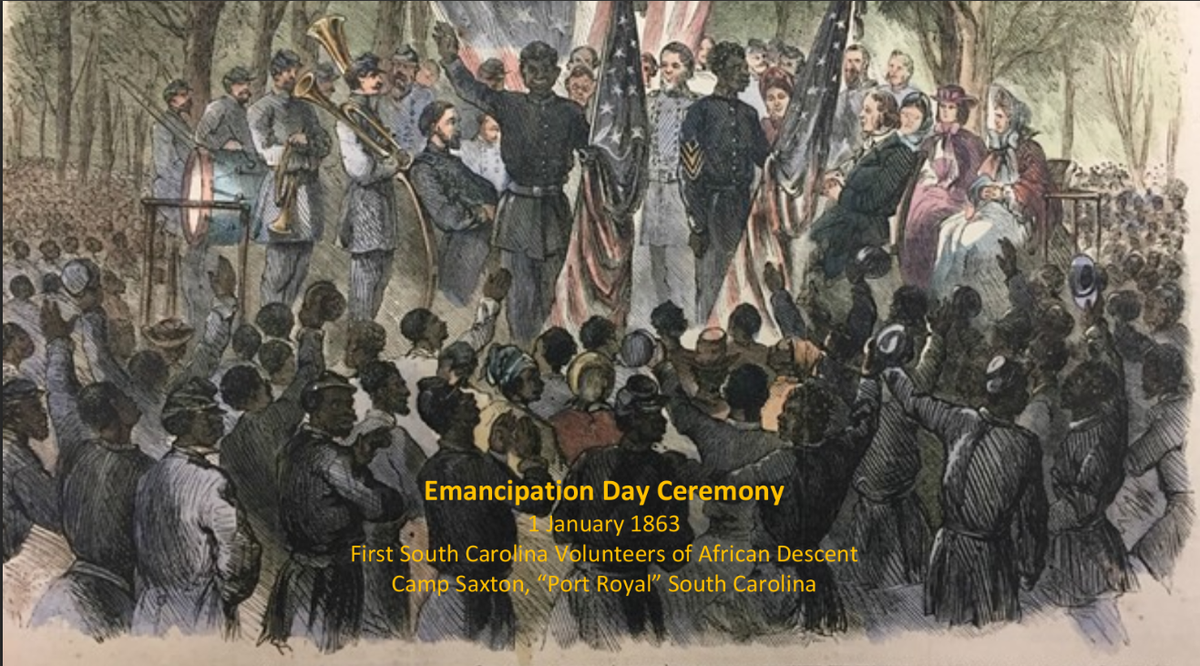
The regiment also influenced Lincoln’s decision to issue the Emancipation Proclamation. The proclamation was read for the first time to the 1st South troops and thousands of people who gathered at Camp Saxton in Port Royal on Jan. 1, 1863. Camp Saxton, which was home to the 1st South Carolina Volunteer Infantry, is part of the Reconstruction Era National Park today.
West Point visits the city
Hodges and Allen wrote a few articles for some internal Army magazines, thinking, “Are we the only ones who see there’s a story here?”
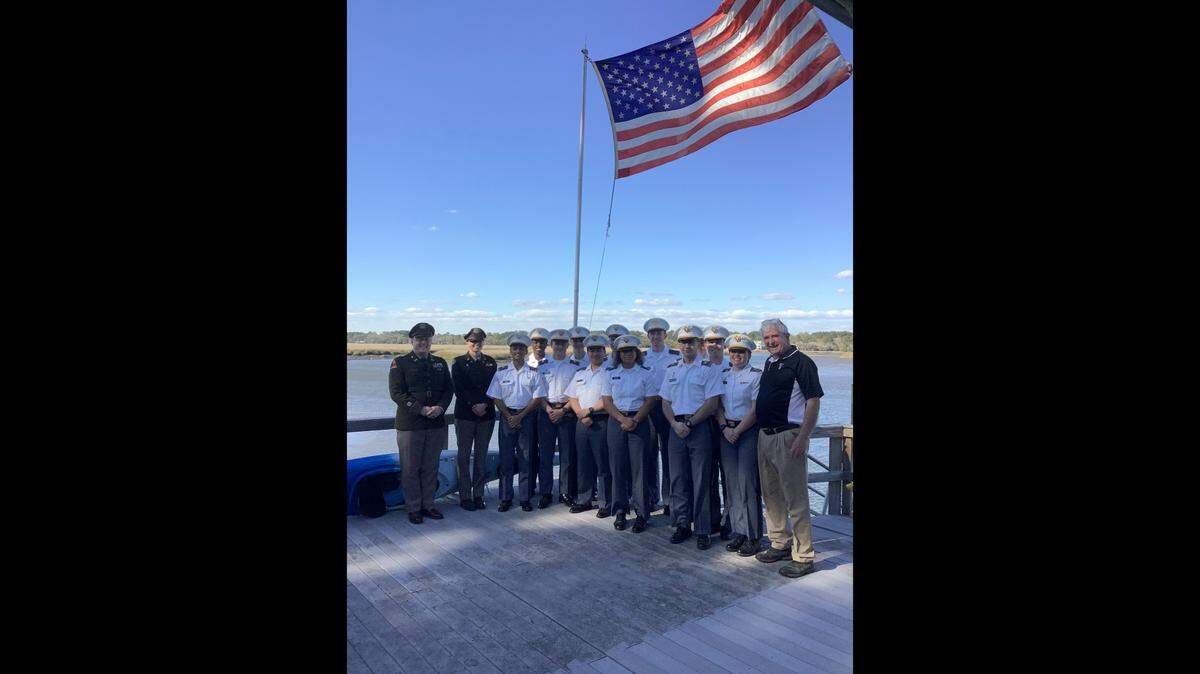
Finally, the two man got the attention of the U.S. Military Academy at West Point, the prestigious military academy. After reaching out to the institution, West Point history instructors and students have visited Beaufort three times including as recently as this month to investigate the story which is now being woven into West Point’s history curriculum, Allen said.
A fitting place to recognize the 1st Volunteers
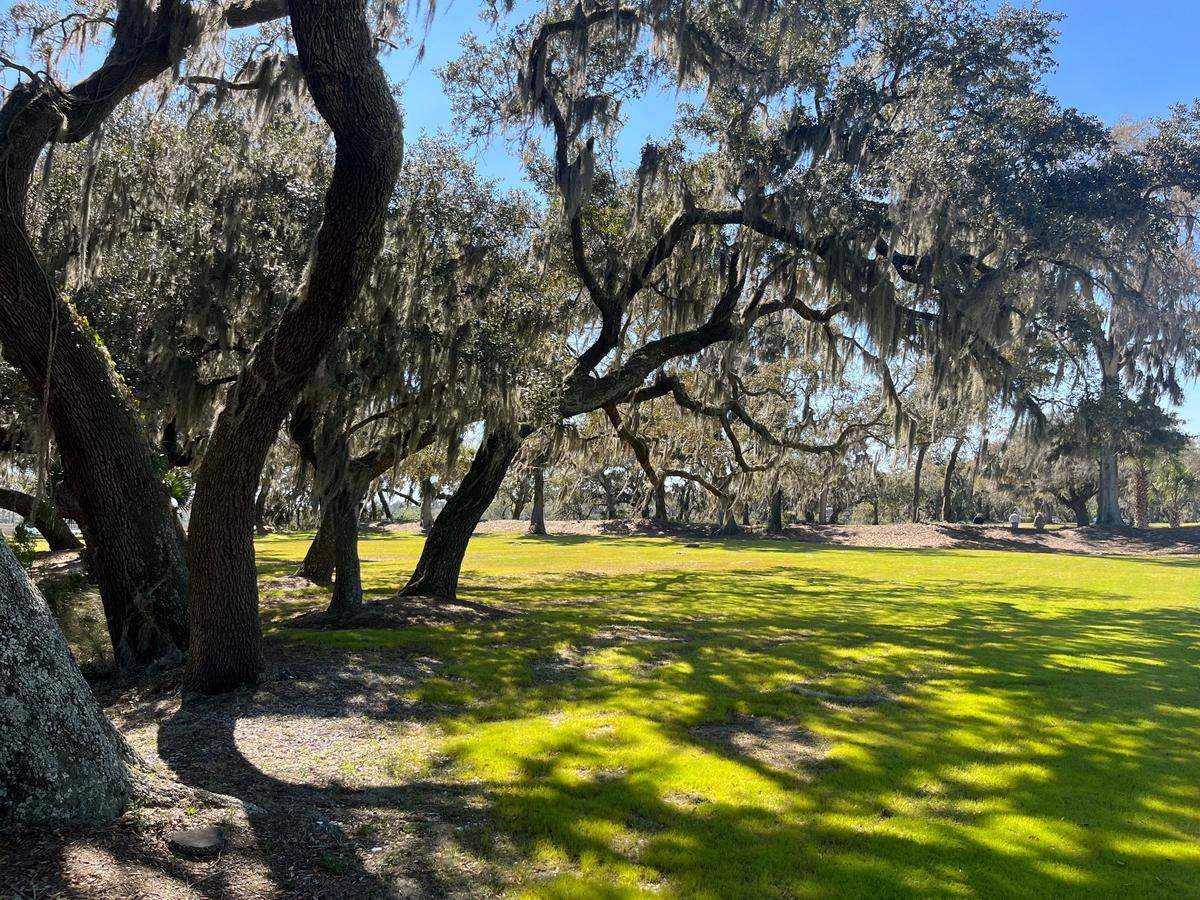
The Beaufort land where the 1st South Carolina Volunteers park is planned already is known for its Civil War history.
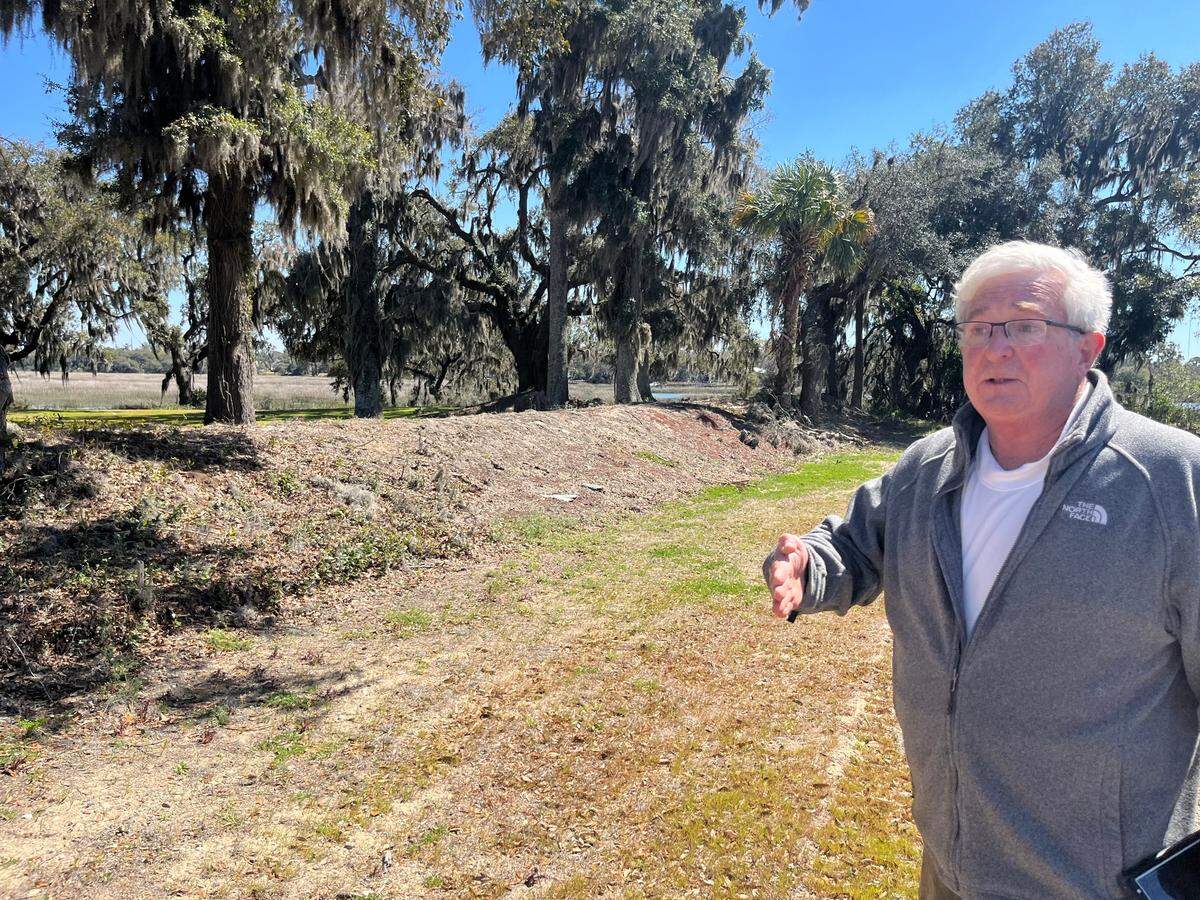
A berm marks a remnant fortification built by Union troops. The location is not specifically tied to the 1st South regiment. But Allen says the soldiers definitely marched past the area.
While the park details such as the specific features, cost and opening remain up in the air, a committee of residents and interested parties have come up with a general vision that includes interpretive signs, benches, a trail and a figure of some kind depicting what the soldiers looked like. The property is sandwiched between Battery Creek and Boundary Street and marked by palmetto and live oak trees. It is owned by the city of Beaufort, Beaufort County and the Beaufort Open Lands Trust.
“We thought this would be a really fitting place to do it,” Marshall, the city manager, said of the park one day last week when he and Mitchell and Allen walked the land overlooking the marshes of Battery Creek and one of the city’s busiest streets.
What’s next
The University of South Carolina’s Institute for the Study of the Reconstruction Era will host its third “First South Carolina Volunteers (African Descent)“ symposium April 25-26 at USCB in Beaufort.
This story was originally published March 26, 2025 at 7:00 AM.