The daffodils are waning as a Beaufort sea island moves to the next crop: houses
As recently as the late 1980s, millions of brilliant yellow King Daffodils were harvested from the sandy soil of little-known Cane Island and shipped to be sold at big city grocery stores and florists as far away as Philadelphia and Chicago. The six-petaled flower covered acres of land and soon those acres will be covered by a new crop: luxury homes and shops for the region’s growing population.
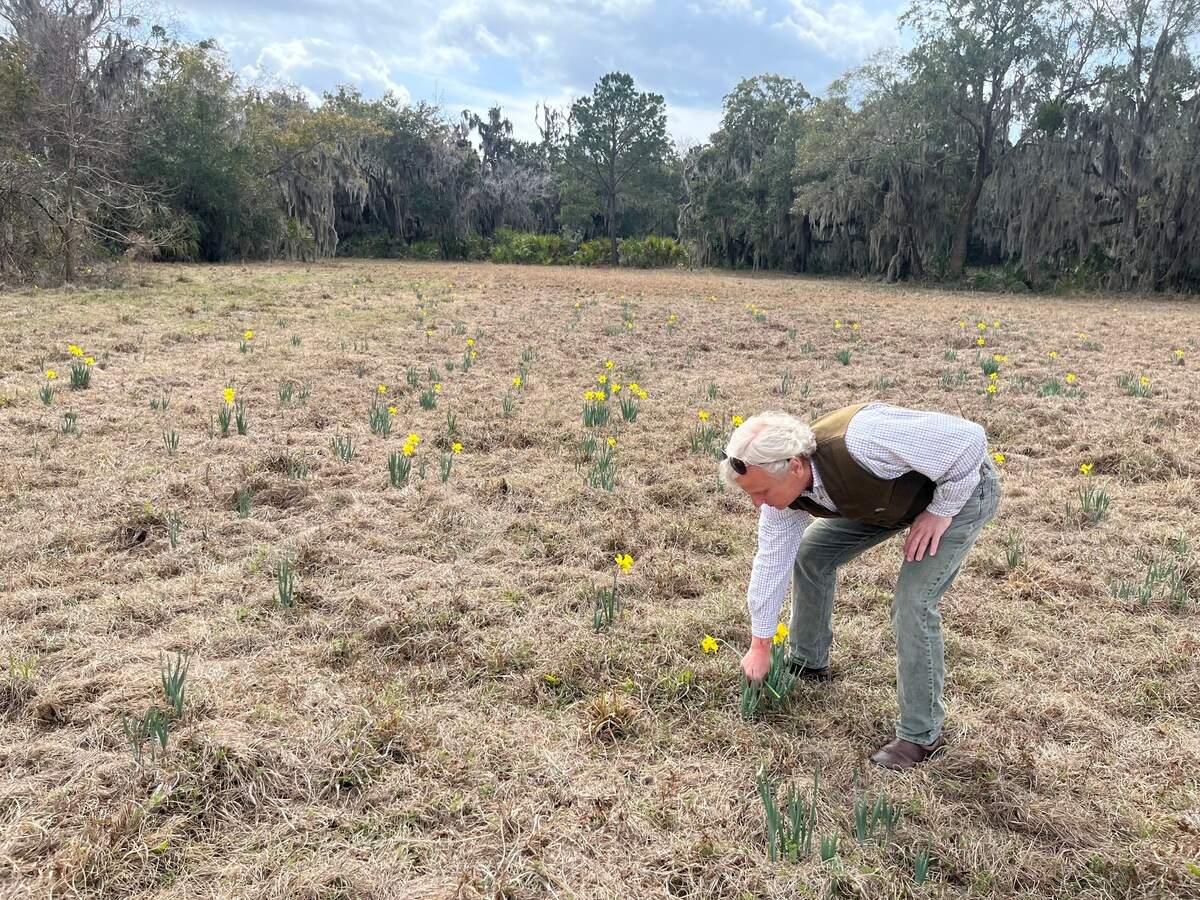
Still today, each spring, a smattering of daffodils emerge from the loamy soil like clockwork.
“This was a sea of yellow,” says John Trask III, spreading his arms as if gesturing to the heavens, after stopping to pick a few of the remnant flowers.
But the tides are changing for the 230-acre island where ancient trees are the norm and white-tailed deer and wild turkeys roam the forest and tarpon chase fat menhaden just offshore and colorful flowers persist in brightening the dormant spring landscape.
In the coming year, a new crop will rise from the same sandy dirt and its name is high-end housing. The development will officially close the book on a long history of crop production dating back generations on Upper Cane Island including a final chapter as a daffodil farm.
The change from farming to single-family homes is a hard pill to swallow for Trask, whose family once owned the land and has deep roots in it.
“It’s just a shame that these beautiful places are loosing what makes them beautiful, which is just its natural state,” Trask says.
Colorful history
The history of Upper Cane Island is just as colorful as the flowers that grow in its sandy soils.
John Trask Sr., Trask’s grandfather, and his wife Flora, began truck farming vegetables on the island in the 1950s. They marketed their crops as “fancy vegetables” under the “Kane Island” brand.
But Many Beaufortonians will remember the daffodil farm, which the couple started in the 1960s. After the commercial harvest began, the Trasks opened the farm to the residents who could pick their own flowers for free.
A festival held at the farm, called “Daze in the Daffodils,” the sea island equivalent of Woodstock, also was legendary.
“As long as we owned it,” John Trask said, “we didn’t want it developed.”
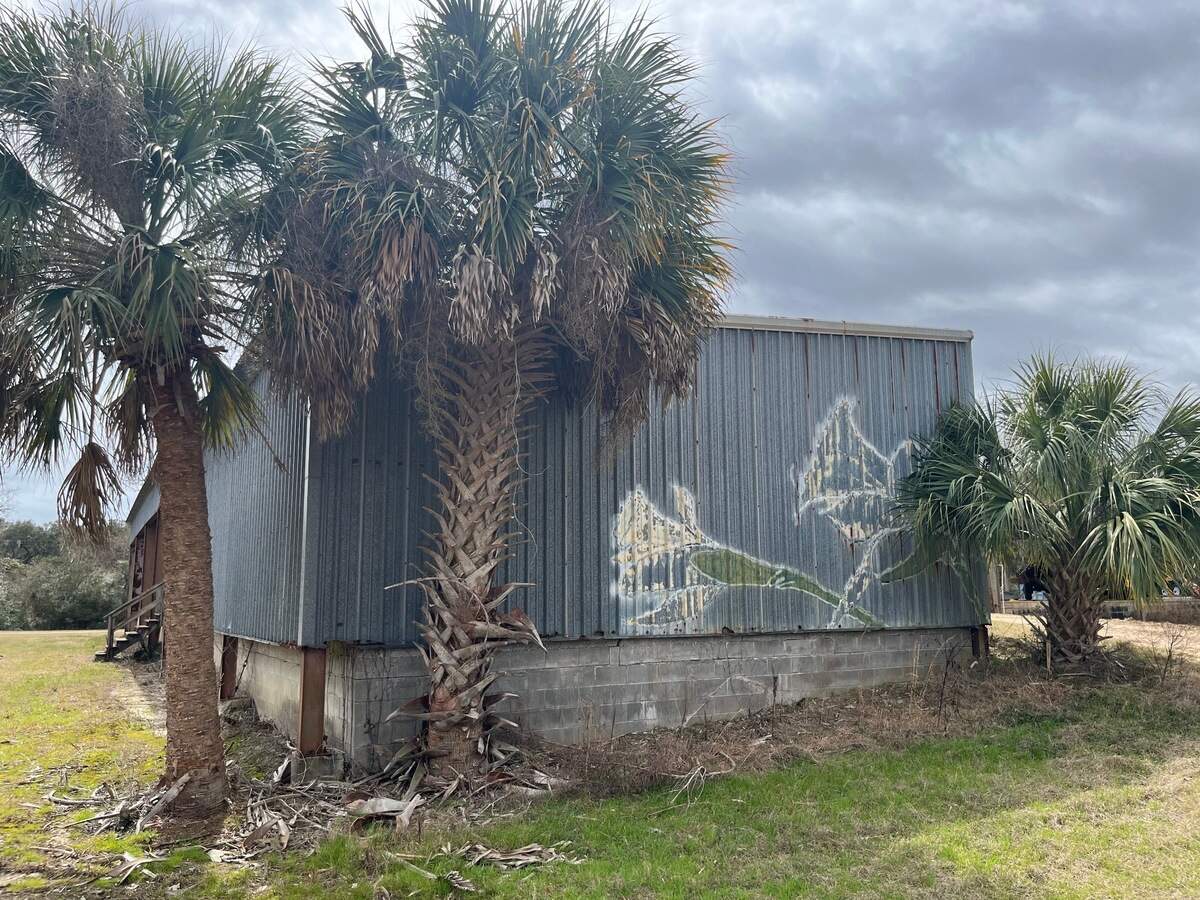
But the land was eventually sold to George Dean Johnson from Spartanburg, one of the founders of the Blockbuster video franchise and Waste Management, several years ago. The sale came after beneficiaries of Flora Trask’s estate could not reach an agreement on how to proceed. At one point, a deal was discussed with Beaufort County about buying the land using rural and critical lands conservation funding but an agreement couldn’t be worked out, Trask said.
Johnson later sold it to Kane Island Development Co. LLC, the current owner.
Last month, Kane Island Development submitted a plat to the city of Beaufort for the first phase of a housing development on Upper Cane Island consisting of 16 lots on 126 acres, with future phases potentially bringing up to 220 houses in total. Many of those homes will have waterfront views.
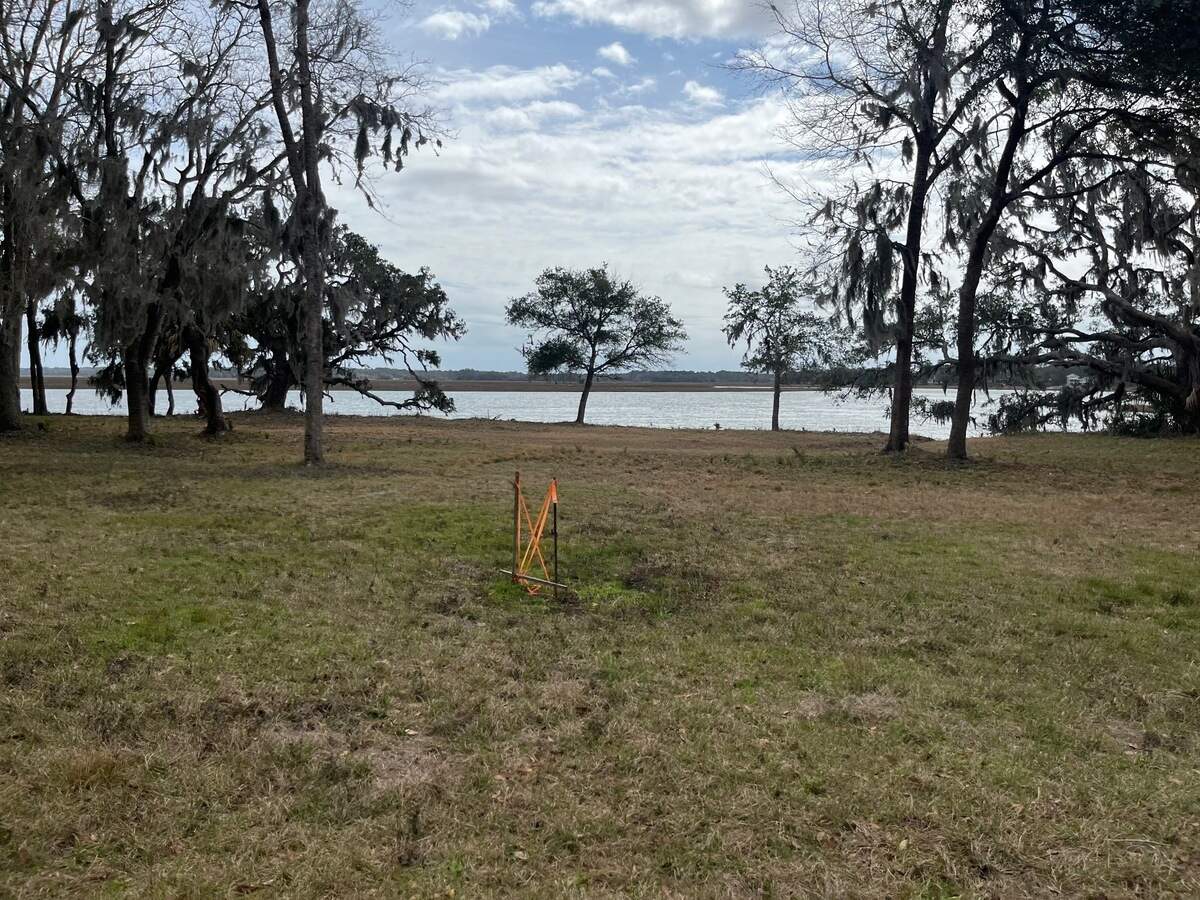
A second large housing development has been proposed for Lower Cane Island, to the south and west of the Upper Cane Island development, but that project isn’t as far along and the owner is Marry Trask.
Emotional ties to the land
One day last week, the meaning of Upper Cane Island and its history to John Trask, 62, showed in his teary eyes when he discussed the changing landscape and the construction of houses on one of the last undeveloped sea islands in northern Beaufort County.
“God,” he says, his voice choked with emotion as he recalls his Uncle Freddie telling him,”John,” we’ll stand in the road with shotguns before ever agreeing to sell the land. “I always believed that as a 10 year old,” Trask said.
When he was a boy, he would climb into a 10-foot-long aluminum boat at his home in Orange Grove on St. Helena Island and motor two miles across Chowan (now Cowan) and Distant Island creeks to reach Cane Island where he would tie the boat to a tree.
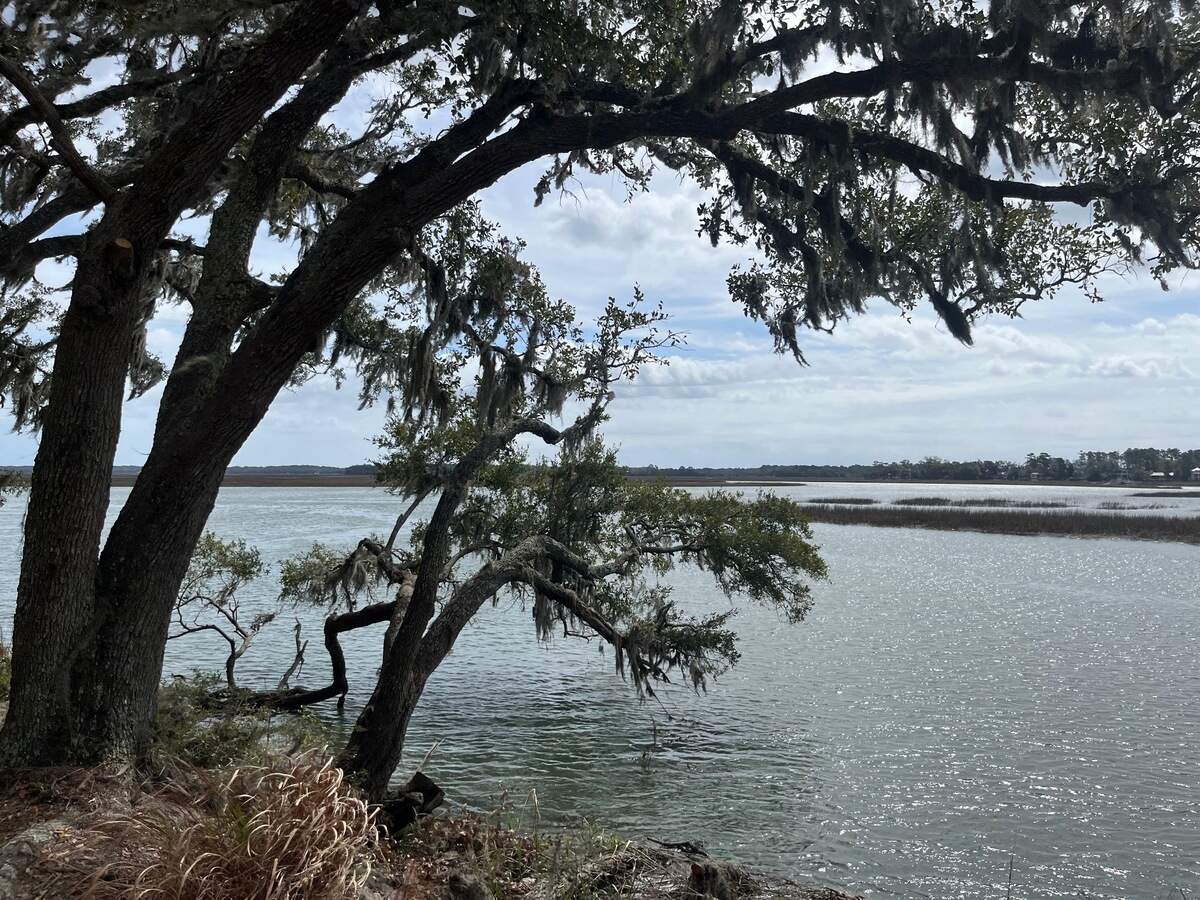
“I would pretend I was Daniel Boone,” Trask says with a laugh. “It was just a great place to grow up.”
He has mixed feelings about the future of the land he grew up exploring and still loves today.
On the one hand, says Trask, he believes that Kane Island Development has chosen the right developer for the enclave of million-dollar homes and will do right by what he calls a special place.
“Thank God,” says Trask, that a national developer known for putting up wall-to-wall houses wasn’t picked to lead the project. Land has been set aside for a waterfront public park, he noted. Homes will be located on larger lots and placed in close proximity to each other conserve more land, he said.
“If it’s inevitable and it’s going to be developed it could not be developed in a much more thoughtful way given what they are trying to achieve,” he says.
But in the end, Trask acknowledges, development is development.
“It’s a double-edge sword,” says Trask.
.jpg "IMG_4195 (1).jpg")
‘Next crop is houses’
Upper Cane is one in a cluster of tiny islands — Cat, Gibson and Distant are others — that are part of the larger Lady’s Island community northeast of Parris Island.
Like more than 100 barrier islands that dot the Atlantic coastline from Florida to South Carolina, the islands protect the coast from relentless waves and wind.
Upper Cane Island is one of the final sea islands in the area to transition from deep roots in agriculture, says Larry Rowland, professor emeritus of history at the University of South Carolina Beaufort and co-author of the three-volume history of Beaufort County.
“The next crop is houses,” says Rowland.
The island and others like it have a long history of agriculture, Rowland says.
Sea Island cotton farmers, who used slaves to harvest the crop, were very prosperous before the Civil War, but the profitability died off around 1880, says Rowland. Even before the Revolutionary War, Cane and probably Distant islands were likely indigo plantations producing the plants used to make blue dye.
In the 1890s, Irish potatoes were grown and sent to New York. Later, after World War I, tomatoes were profitable.
“Big John Trask was a very good farmer and I don’t think he had too many bad years,” said Rowland, who grew up in Beaufort. “I remember it enough to know it was productive. When the season was over, we used to hunt out there a lot.”
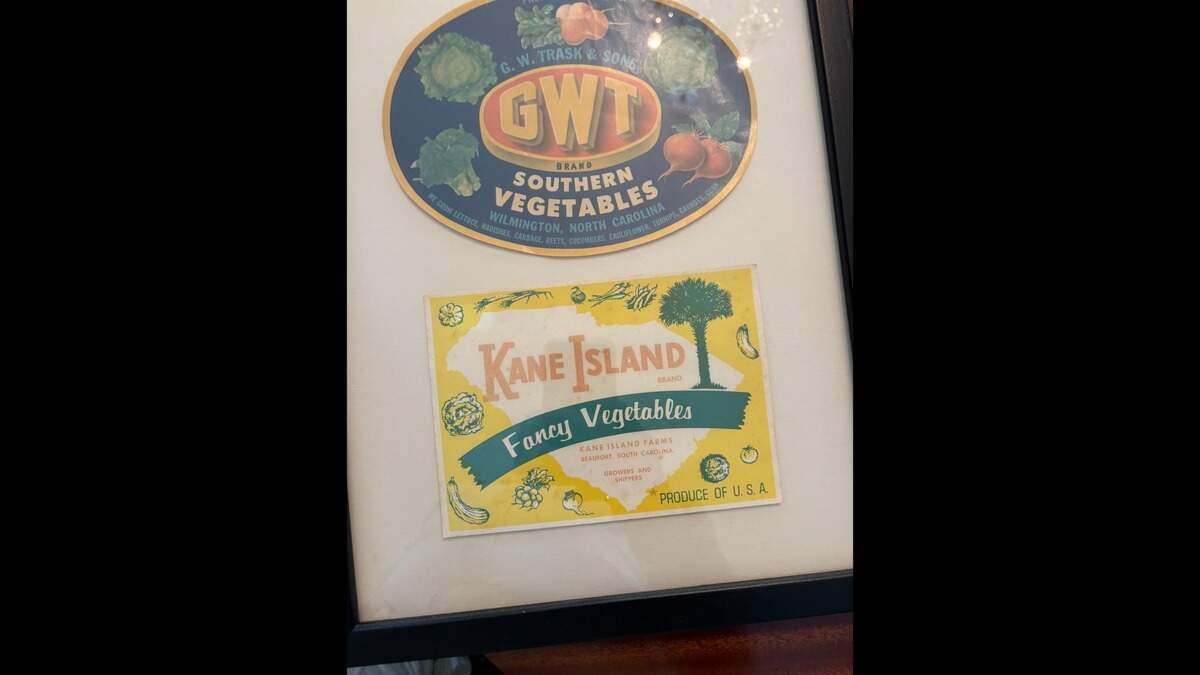
The family jewel
John Trask turns off of Highway 21 onto the narrow Islands Causeway that leads to Cat, Cane and Gibson islands. Water and forest squeezes the road as it penetrates the Lowcountry. There was a time when the only way to reach these islands was by flat-bottomed wooden boats known as bateaus.
He meets up with Dudley Holmes, who Trask says “loves this place more than anybody.” The 77-year-old has been the caretaker at the property for 30 years. The daffodil farm, Holmes says, was once one of the largest on the East Coast.
“This was a community effort,” Holmes says.
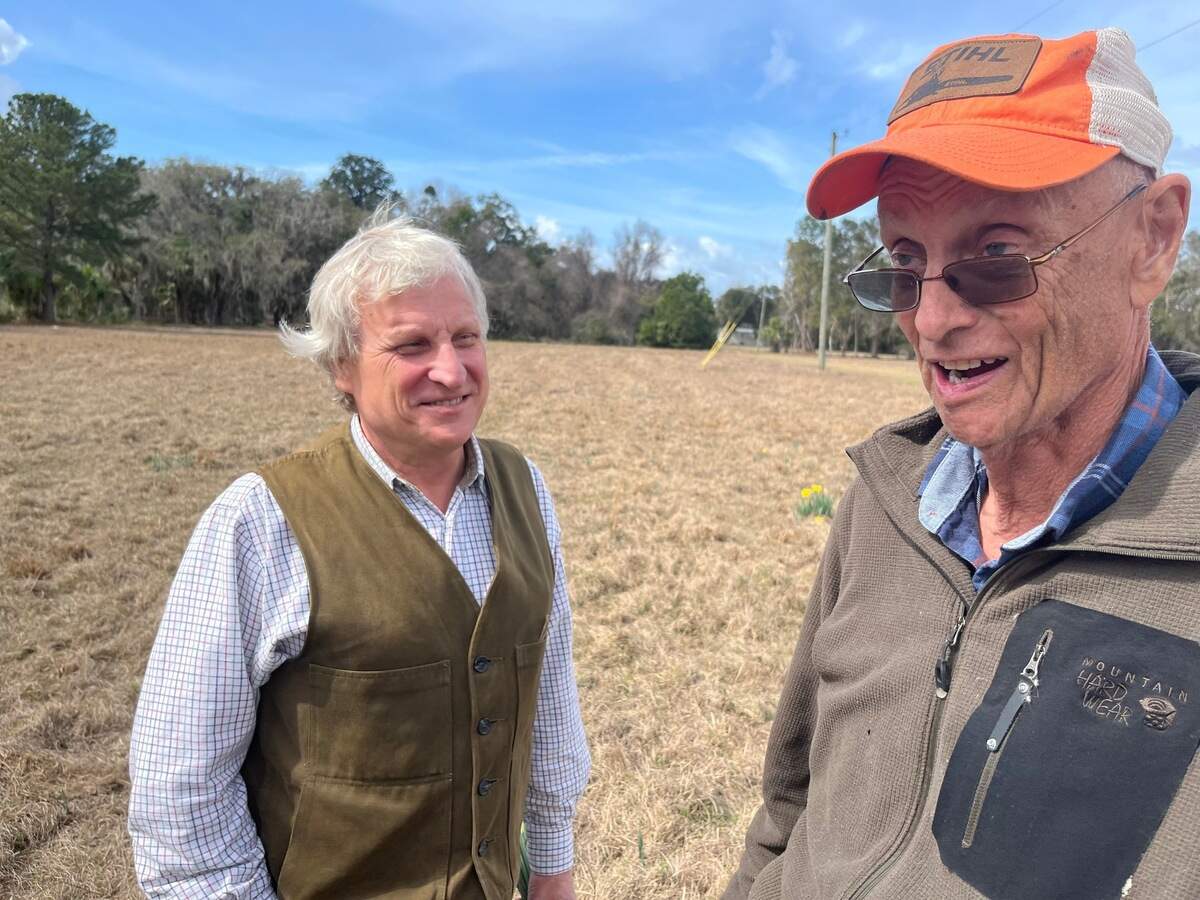
He points out a magnolia tree that is the largest most people have ever seen. “I don’t want to lose the history of this place,” Holmes says. “It’s really important.”
Until now, time seemed to forget Upper Cane Island, which remained an active farm up until the late 1980s.
Even today, oak trees dripping with Spanish moss, possibly dating to the Revolutionary War, still stand. Trees were cleared in the interior of the land for farming but kept on the perimeter as a wind break. The island, says Trask, is appealing because of its size and “high and dry” elevation.
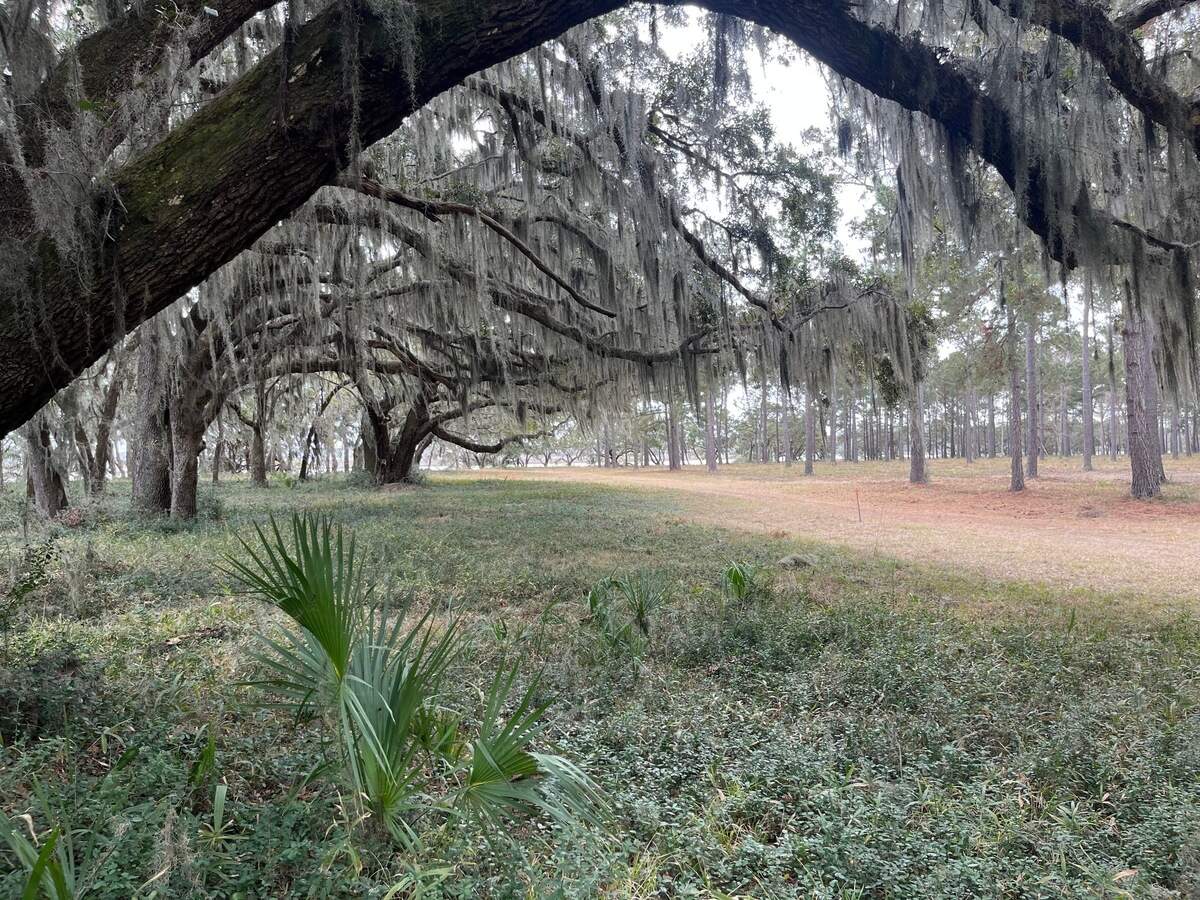
The first daffodil bulbs, which were imported from Holland, were planted in 1961. The last flower harvest, which John Trask III oversaw, came in 1987. At its height, the daffodil farm employed 60 people with about a million flowers grown during a season.
“Cane Island was always the family jewel for our family,” Trask says. “It was the place you shot your first deer. You shot your first duck or turkey. It was always a beautiful place to just walk through the woods. And then you add in there the flowers and the color and the excitement that brings, and it’s the cherry on top.”
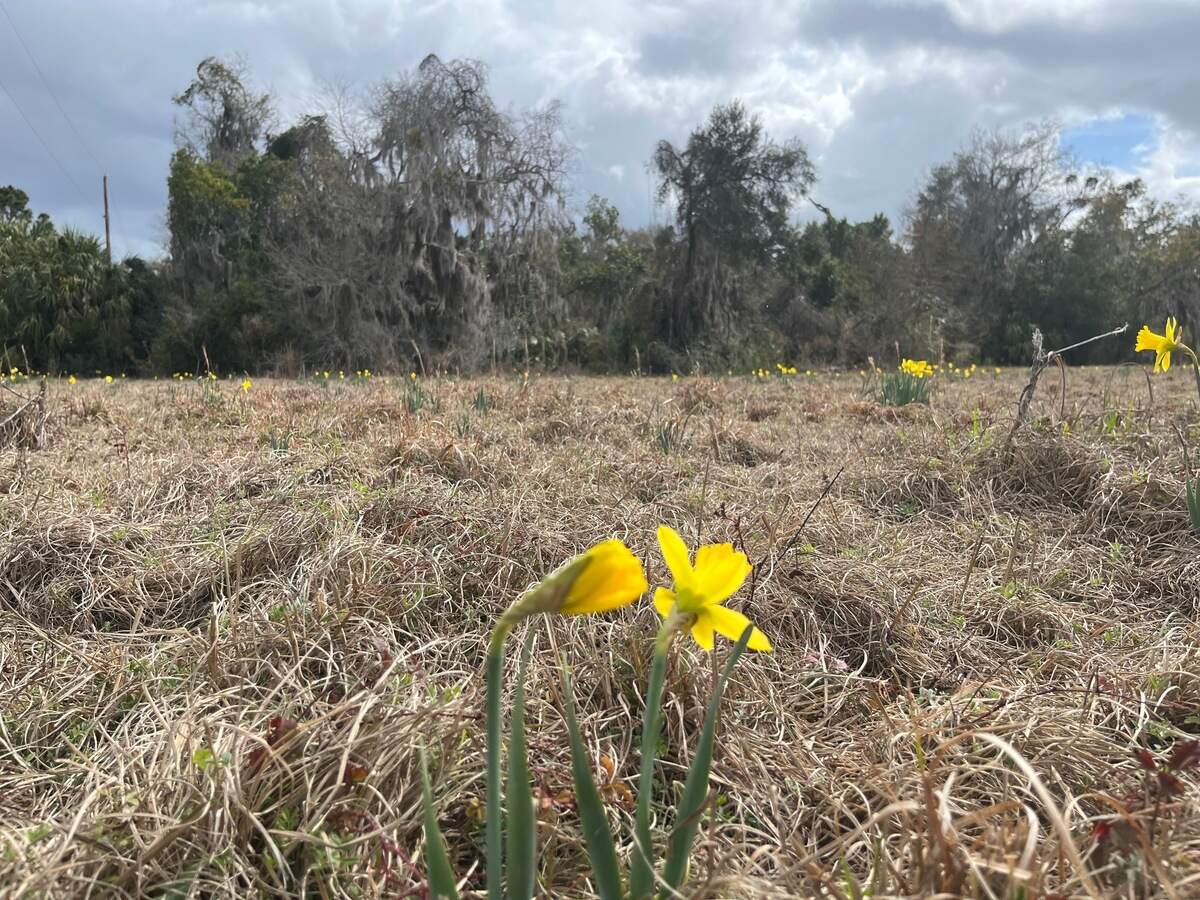
This story was originally published March 9, 2025 at 5:00 AM.