From marshes to mountains, SC hunters prize white-tailed deer. Here are 2024’s totals
With its ever-growing gated communities, expanding cities and towns and busy highways, Beaufort County is moving away from being a deer hunting destination in South Carolina. But local hunters bagged almost 2,000 of South Carolina’s state animal during the 2024 season, which ended Wednesday.
White-tailed deer, the official state animal, are easily identified by the white underside of their tails when they run, and range from the coastal marshes to mountain forests in the state. Eagerly sought-after by hunters throughout their range, the annual season generally runs from Aug. 15 to Jan. 1.
Statewide, hunters took 172,617 animals — 82,261 bucks and 72,798 does — compared to 198,171 in 2023, according to the South Carolina Department of Natural Resources.
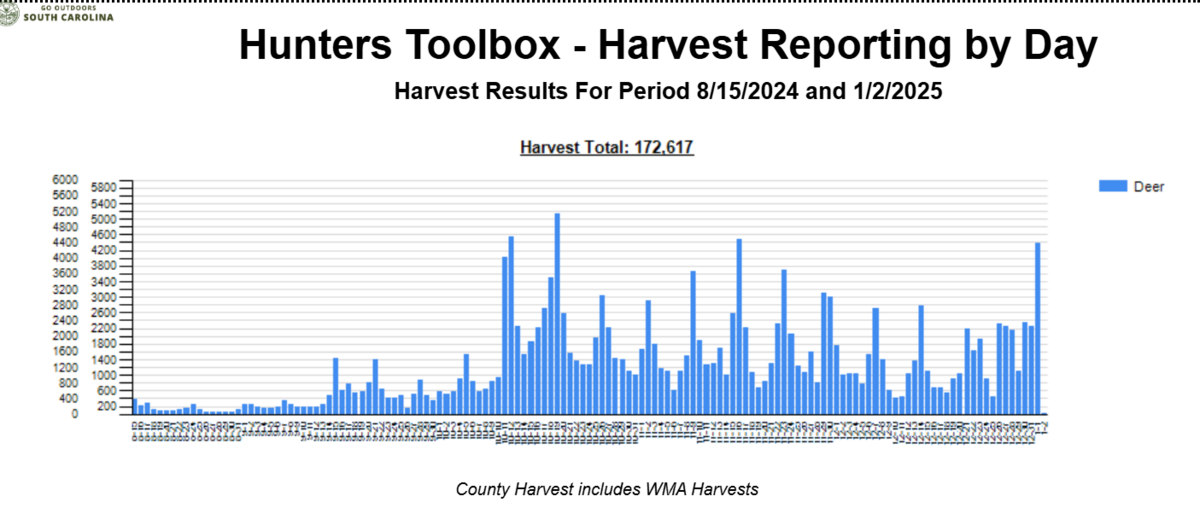
Charles Ruth, SCDNR’s Big Game Program coordinator, expects the statewide harvest of 172,651 to increase after the SCDNRC conducts its annual post-season hunter survey. That survey, Ruth says, should account for deer kills that went unreported by hunters. For the first time this year, SCDNRC required hunters to report their harvest on the same day electronically.
“We’re going to be right about where we were last year around 200,000 animals,” Ruth said, “where we’ve been last four or five years.”
Local harvest
In Beaufort County, the 2024 deer harvest was 1,740, compared to 1,896 in 2023, according to the harvest reporting data. Hunters took 682 bucks, 662 does and 69 young male deer called button bucks, which totals 1,413. The remaining 327 were deer in which the hunters did not report the gender.
Deer population management
The state is ultimately responsible for managing deer counts, with a particular focus on preventing overpopulation of the animals that can lead to malnutrition or starvation. Additionally, an overpopulation of deer can threaten habitat preservation and increase the chances of human-to-wildlife contact either through roadway vehicle strikes or the spread of Lyme disease.
In each community where deer roam, some people disagree that hunting is the best solution and their concerns have been well-documented.
One more day to hunt for kids
Youth deer hunt day, when license and tag requirements are waived for those under 17, is Saturday. Reporting requirements remain in place. The bag limit is two deer of either gender.
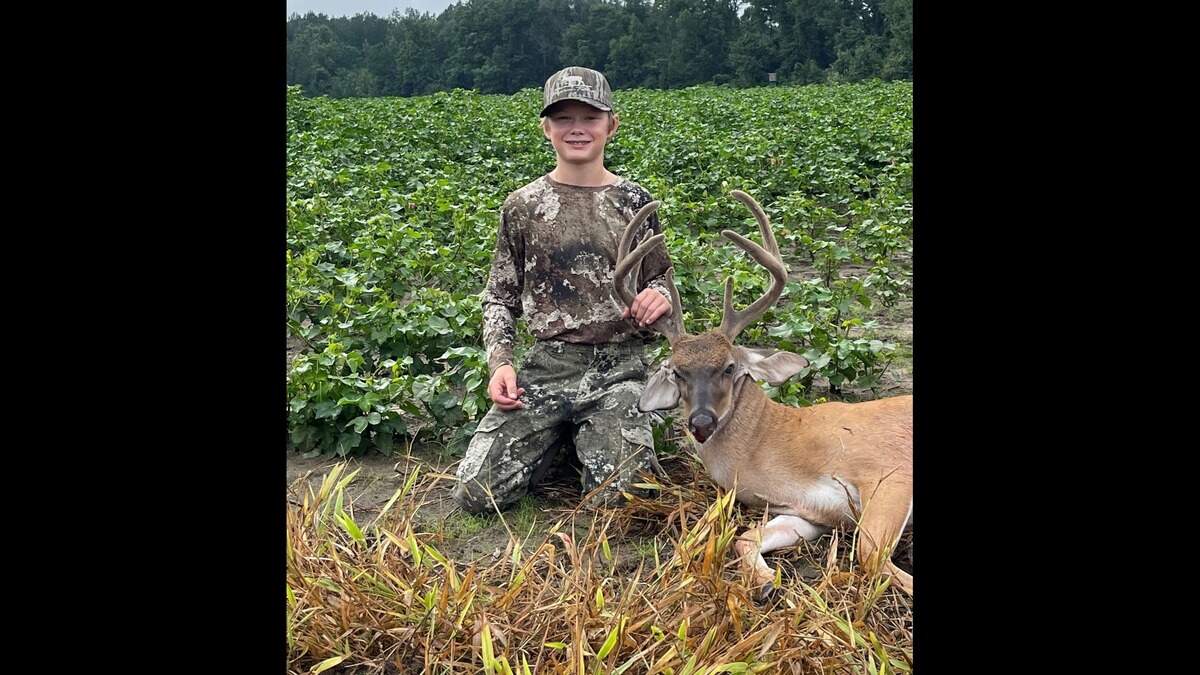
Even though the ungulates are common sights in rural and urban settings in Beaufort County — sometimes they’re even spotted swimming in the ocean — the white-tailed deer harvest is usually among the lowest of the state’s 46 counties because it’s so highly developed and its relatively small acreage compared to some counties.
Where they hunt
While hunting is allowed on state wildlife management areas, most Beaufort County hunters go to private lands after getting permission from the owners, Ruth said.
“Once you get away from the immediate coast there’s a lot of undeveloped land in Beaufort County,” Ruth said.
Neighboring counties of Jasper, Hampton, Colleton and Allendale draw more interest from hunters, including those who live in other states. “That Florida presence down there has been in place for 40 years,” Ruth said.
This year, the harvest in Colleton County was 5,542. Hunters took 3,129 deer in Allendale, and 4,621 in Hampton. Jasper County’s white-tail harvest was 1,940.
As for the deer that proliferate in gated communities the region is known for, those communities typically receive special SCDNR permits that allow for sharp shooting to control populations. Those hunts are not part of the recreational hunting season.
Dogs still used by some
The use of dogs to roust deer hiding in forests is still allowed in coastal counties including Beaufort.
“If you go back 100 years, that was the only method used to hunt dear,” Ruth said.
But “still” hunting, which involves hunters setting up tree stands or elevated platforms, is the most common method used by hunters today.
The state’s record harvest of 319,902 deer came in 2002. But after many years of rapidly increasing populations, from the 1970s to the mid-1990s, the deer population stabilized between 1995 and 2002, SCDNR says. Then the population began to trend downward due to loss of habitat, two decades of aggressive buck harvest and the return of the coyote.
“Coyotes, we now know, are very significant predators of young deer fawns,” Ruth said.
The 2023 harvest was the highest since 2014, which may signal the population beginning to increase after years of relative stability, according to the SCDNR.
This story was originally published January 3, 2025 at 11:03 AM.