Foreign radioactive shrimp recall prompts Lowcountry push for local sourcing
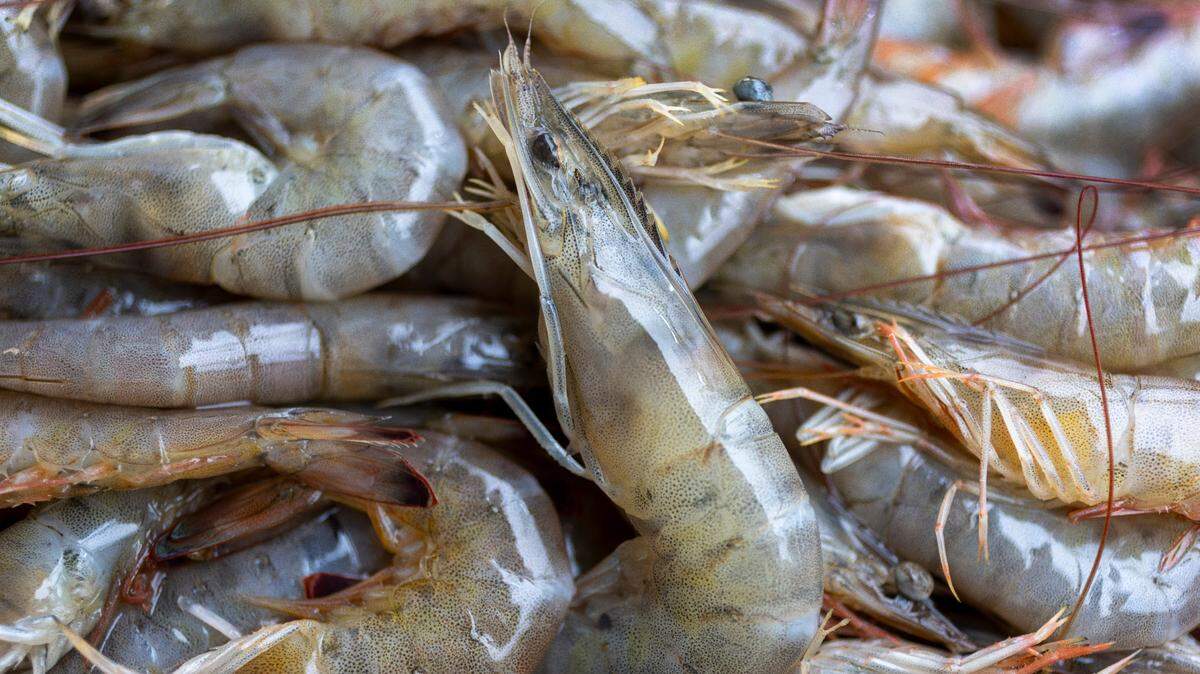
Three lots of Great Value brand frozen shrimp have been removed from Walmart stores after the Food and Drug Administration detected Cesium-137, a radioactive isotope, in shipping containers and in a sample of breaded shrimp imported from Indonesia.
This shrimp, sold in 13 states, could pose a “potential health concern” for people exposed to low levels of Cesium-137 over time, FDA officials said.
The recent news once again puts the importing of foreign-grown shrimp into the East Coast ports and markets as a flashpoint for the Lowcountry’s industry.
What’s causing the contamination?
The FDA is investigating reports of Cesium-137 contamination in shipping containers and products processed by P.T. Bahari Makmur Sejati through BMS Foods of Indonesia. These products include the following product names, lot codes and best by dates, according to the FDA:
- Great Value brand frozen raw shrimp, lot code: 8005540-1, Best by Date: 3/15/2027
- Great Value brand frozen raw shrimp, lot code: 8005538-1, Best by Date: 3/15/2027
- Great Value brand frozen raw shrimp, lot code: 8005539-1, Best by Date: 3/15/2027
Where was this shrimp found?
U.S. Customs and Border Protection officials alerted the FDA that they found Cesium-137 in shipping containers sent to U.S. ports in Los Angeles, Houston, Miami and Savannah.
The FDA is warning that consumers should not eat or serve these lots of Great Value raw frozen shrimp sold at Walmart stores in Alabama, Arkansas, Florida, Georgia, Kentucky, Louisiana, Missouri, Mississippi, Ohio, Oklahoma, Pennsylvania, Texas, and West Virginia.
The FDA found Walmart stores in these 13 states had received potentially affected products after the first detection from shipments that did not trigger contamination alerts.
“If you have recently purchased raw frozen shrimp from Walmart that matches this description, throw it away,” FDA officials said in a statement.
Following the alert from the CBP, the FDA launched an investigation and collected product samples, which detected contamination in one sample of frozen breaded shrimp.
All shipping containers and products testing positive or alerting for Cesium-137 were then denied entry into the U.S.
If you suspect you have been exposed to elevated levels of cesium, the FDA advises speaking with your healthcare provider.
What is Cesium-137?
Cesium-137 is a man-made byproduct of nuclear reactions, including nuclear bombs, testing, reactor operations and accidents. It’s widespread around the world, with trace amounts found in the environment, including soil, food and air.
The level detected in the frozen breaded shrimp was far lower than FDA intervention levels.
The agency said that avoiding potentially contaminated products could reduce exposure to low-level radiation that could lead to health problems over time, which include elevated risks of cancer, resulting from damage to DNA within living cells of the body.
Recent shrimp tariffs designed to bolster SC harvests
While no Walmart locations in South Carolina are impacted by this recall, it comes after new tariffs were put in place on shrimp exports from Vietnam and Indonesia to the United States.
Craig Reaves, a South Carolina shrimper who owns Sea Eagle Market in Beaufort, says that this recall brings awareness to the issues of imported seafood, which is a drum local shrimpers and fishermen across the country have “been beating for a long time.”
Reaves states that even though imported shrimp is a global market that will never completely go away, this recall sheds light on “what’s left of the local shrimping industry” and the dangers of imported goods, along with the recent shrimp fraud that’s hit the Lowcountry restaurant industry.
For the full release from the FDA, click here.
This story was originally published August 21, 2025 at 8:41 AM.