To keep their land, some on Hilton Head must track down hundreds of family members. Why?
To get his name on the deed for a piece of his family’s property on Hilton Head Island, Town Council member Alex Brown had to track down every member of his family going back four generations.
At the start, that was OK, he said, because his great-great-grandfather had only two children.
Then he discovered that one of those children had 10 children of their own.
“Then it started to get complicated,” he said with a chuckle.
Brown and his family were required to trace their lineage in order to clear title on their land because it’s heirs’ property — land once owned by families, often formerly enslaved people, who passed down the land to their descendants without a written will.
Before his family could work with a lawyer to help clear the title and give the deed to Brown, they had to have a complete family tree.
Fortunately, his grandmother and his grandfather’s sister were still alive to help fill in the gaps for the younger generations. But they were still responsible for tracking down over 100 people.
A new program at the Heritage Library on Hilton Head Island aims to help families close that gap and keep their generational wealth.
Volunteers at the library will work with native islanders at no cost to search records and databases to produce an accurate family tree for the family to use to take care of heirs’ property issues.
Once the family tree is complete, families can bring the records to a lawyer to begin notifying heirs. Without that document, lawyers don’t have a place to start.
The research program came from suggestions from the island’s Gullah Geechee Land and Cultural Preservation Task Force, which is charged with helping connect islanders with resources that help them keep their land.
What was a profound sharing of responsibility and valuable resources now presents legal challenges for living heirs.
As families spread out and their numbers grew into the hundreds, sharing property rights when some members of the family live on the land and others have never set foot there causes growing pains. On Hilton Head, property value has exploded in recent decades, making heirs’ property highly sought after by developers.
Without clear title, just one heir can force a sale of the property.
In addition, not having clear title makes heirs’ property difficult to develop. In many cases, people who live on the property cannot get mortgages or approval to build on the land.
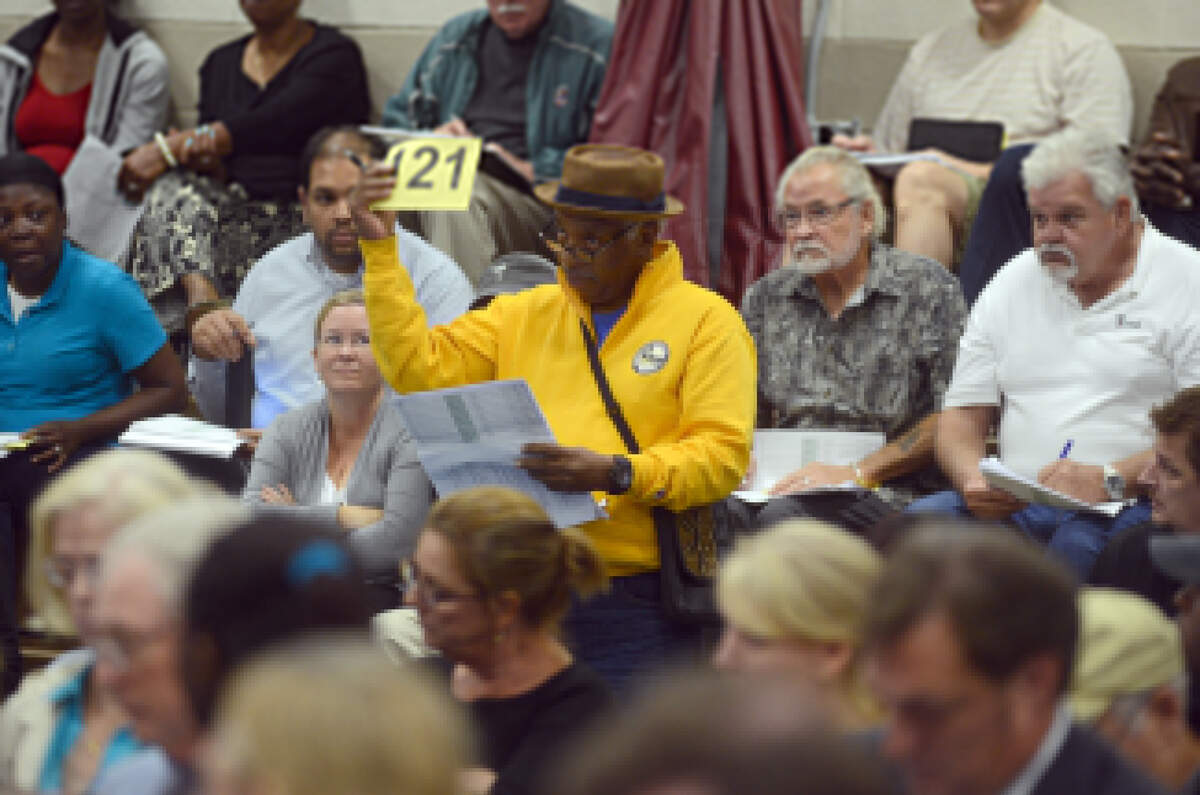
This results in extreme disparities on Hilton Head between those who are able to develop property and those who are not. Furthering the divide is the complicated process of paying rising property taxes when hundreds of people are heirs to a property. If taxes go unpaid, native families can find themselves at the annual delinquent tax sale — the biggest cause of native land loss in Beaufort County.
But the first step to clearing the title and avoiding all those problems is knowing who lays claim to the land.
“It’s a part that some folks stumble on because they don’t have the experience,” Heritage Library Executive Director Barbara Catenaci told The Island Packet. “One of the things we do well is family research, so we realized we can help folks with that piece.”
The program will be free. Catenaci expects the process to take hours.
Although the library hasn’t had its first client, she explained that the volunteers will work with family members over several sessions to track down every family member from family records, deeds and other sources.
“It’s a highly complicated process,” she said.
Catenaci called the family tree one of the “biggest hurdles” to getting started on clearing heirs’ property titles.
“You have to be ready for the long haul with this, and it’s not easy,” she said. “You’re going through an emotional process, but it’s an incredible learning process.”