‘Hallelujah!!!’ Hilton Head leaders rejoice after this change to delinquent tax sale
Much-anticipated relief is coming for families and landowners who lost land in the 2019 delinquent tax sale.
Thursday evening, Gov. Henry McMaster signed off on a law that extends the redemption period for people who lost properties last year. Those 347 Beaufort County property owners will now have an extra year to pay back taxes and keep their land.
The change comes after a year where most Americans’ income has been drastically diminished by the coronavirus pandemic. Leaders such as S.C. Rep. Weston Newton and S.C. Sen. Tom Davis, who drafted the amendment to an existing bill, helped shepherd it in the final days of the legislative session. The law allows families trying to redeem delinquent properties an extra year to pay taxes and interest to keep the land in their name.
“This was the only way to help save those properties,” Beaufort County Treasurer Maria Walls said Friday.
Delinquent tax sales are one of the most prevalent ways in which Gullah Geechee families in the sea islands lose land each year. Native island leaders on St. Helena Island and Hilton Head Island scramble to track down members of families who have been unable to keep up with rising property taxes. They then connect the families with resources to pay the taxes and stay off the auction list.
Now, people trying to keep land that was auctioned off last year will have until October 2021 to pay taxes and 12% interest to the county to redeem the title. Native island leaders are breathing much easier for now.
“The end of September is an important and very stressful time in the Gullah community,” Luana Graves Sellars said Friday. “The fact that there is some degree of relief is not only appreciated but important to the community.”
Still, the change doesn’t solve all the problems.
The legislation does not affect the redemption period for this year’s delinquent tax sale, which is scheduled for Oct. 5 despite efforts to delay it due to COVID-19. Over 650 properties are still at risk of being auctioned off this year.
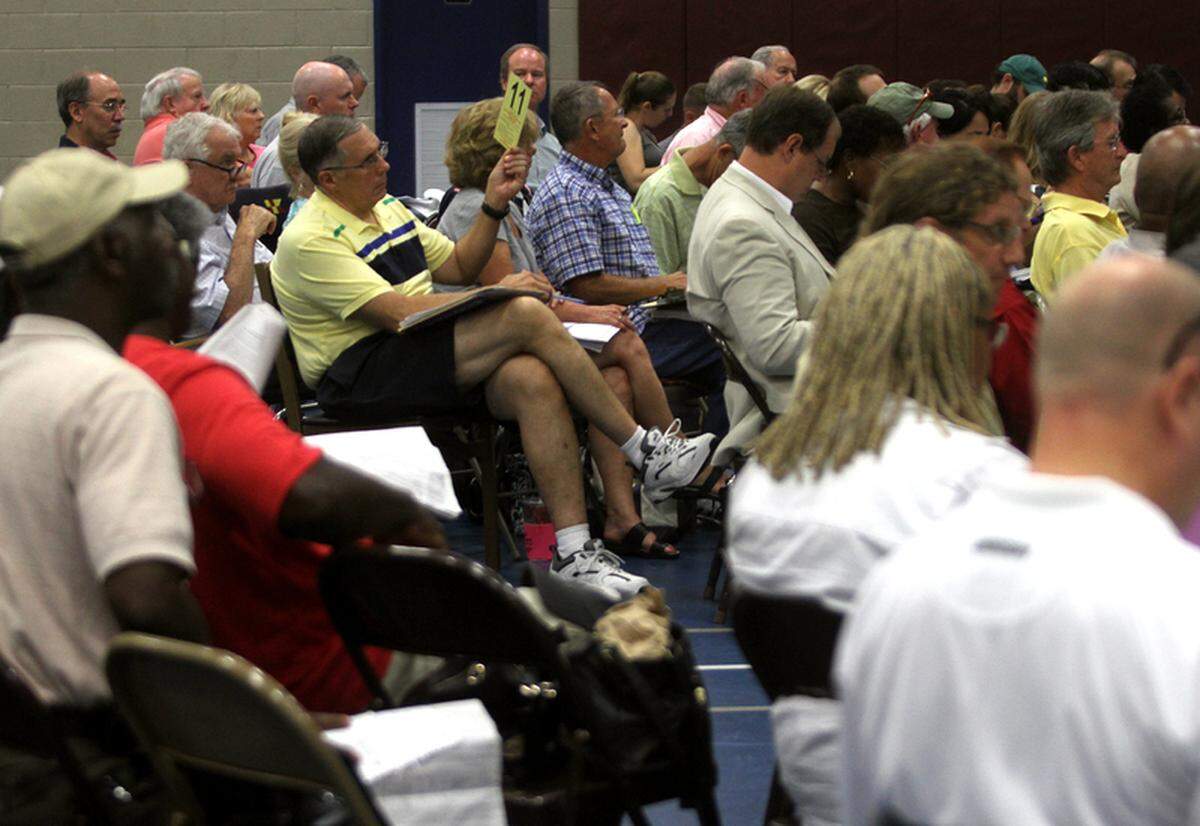
What is the tax sale?
Each fall, Beaufort County holds its tax delinquency sale where the public can bid on properties whose owners owe back taxes from more than a year ago. Bidders pay the outstanding taxes and get the deed to the property after one year. The county, and nearly every state in the U.S., calls these sales the “forced collection of property taxes.”
It’s also the biggest modern threat to native-owned land.
In the 150 years since the end of the Civil War, freed enslaved people and their descendants obtained land on Hilton Head, created homes and established a shell fishing-based economy. When they died, they passed down family land through unwritten wills as heirs property.
But land on the island obtained over a century ago can become too expensive for native families to keep up, given property taxes and development restrictions.
“These are places and times when some of our historic neighborhoods can slip away from us,” Gullah-Geechee cultural preservation task force chair Lavon Stevens said of the sale in 2019. “Sometimes people don’t even know when they’re on the list.”
And that’s in normal times.
The 1,512 properties on this year’s original list were delinquent on taxes last year, a time unaffected by the coronavirus pandemic.
But once properties end up on the docket for the auction, anyone can pay taxes on any property. Often, anonymous donors and family friends help someone keep their land.
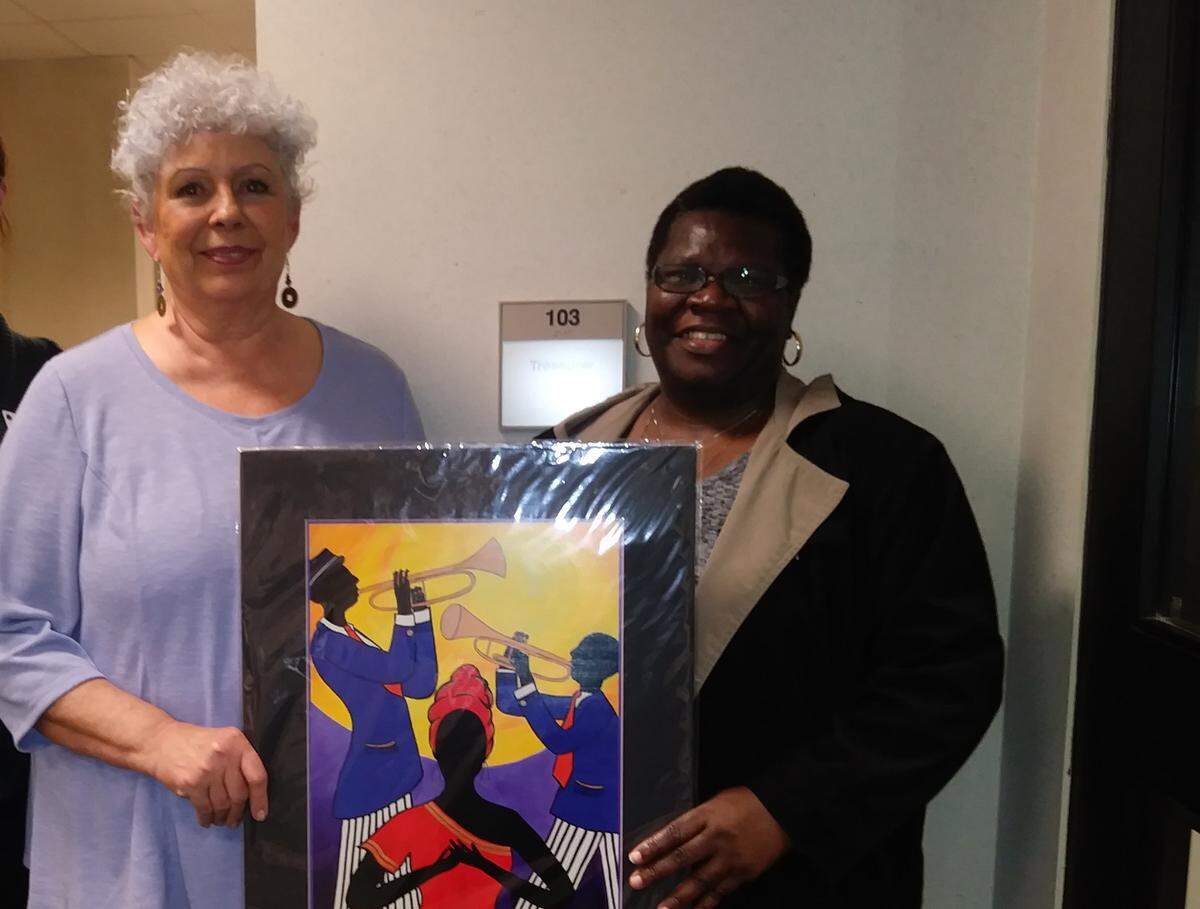
What happened?
The new legislation doesn’t provide relief from this year’s impending sale, but it gives families and community leaders an extra year to redeem around half of the 347 properties auctioned off last year that have not yet been redeemed.
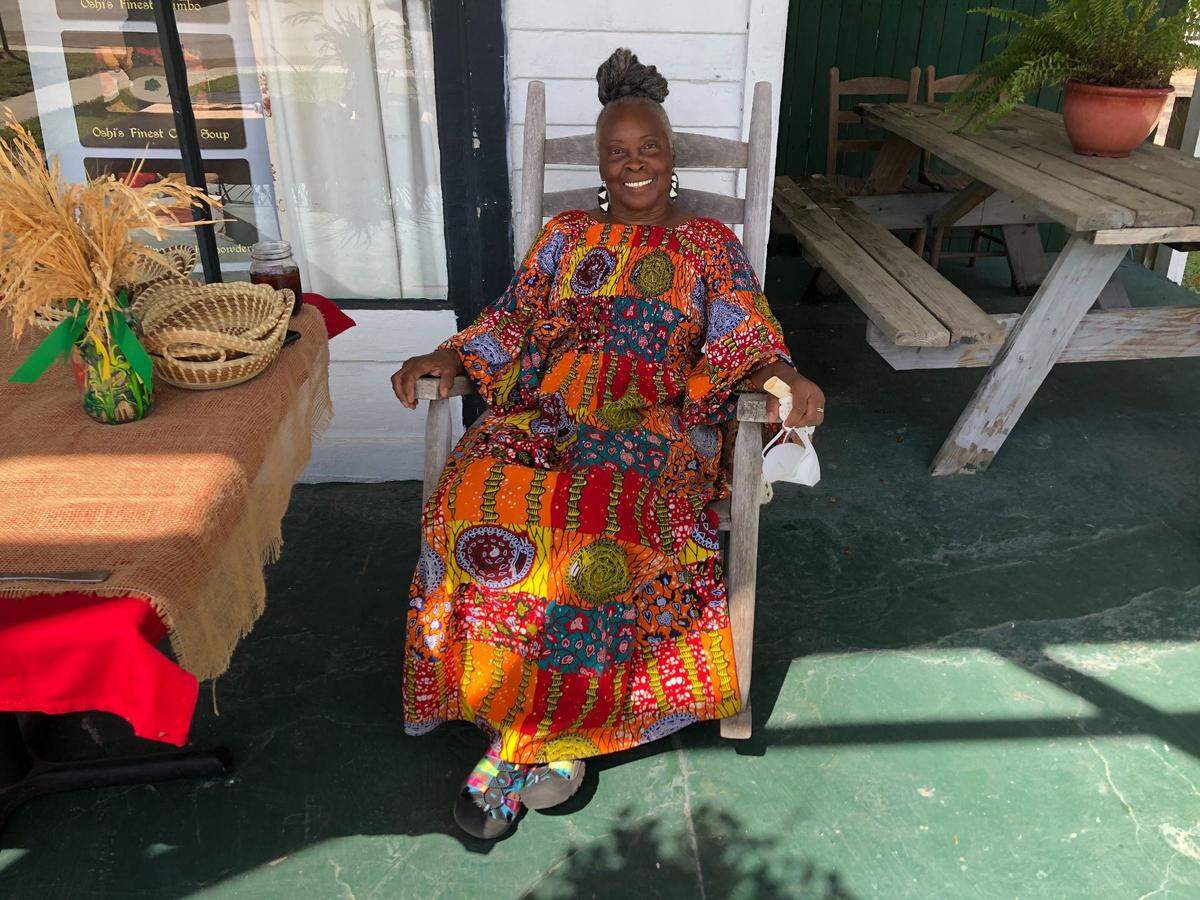
“Hallelujah!!!” Theresa White, executive director of the Pan-African Family Empowerment and Land Preservation Network, wrote of the decision on Facebook.
Her organization takes donations to help pay off delinquent property taxes in Beaufort County.
But the new legislation didn’t move through without its opponents.
Although it passed the State House and Senate, the South Carolina Association of Auditors, Treasurers and Tax Collectors wrote a letter to McMaster on Sept. 25 urging him not to sign the bill because the group said it would increase costs for owners of delinquent properties and each county.
Beaufort County Treasurer Maria Walls disagreed. In her own letter to the governor, Walls wrote “I recently became aware of efforts to discourage you from signing this legislation into law. So many exceptions have been made due to COVID-19, why not grant citizens an extension to save their property?”
This story was originally published October 5, 2020 at 4:35 AM.