3 beach laws Hilton Head advocates say must change to protect sea turtles
Hilton Head Island’s beaches are about to become a nesting ground for sea turtles, and the Turtle Trackers Association wants to make those grounds as safe as possible.
Members of the all-volunteer turtle protection group flooded Tuesday’s Hilton Head Town Council meeting — some in spirited turtle wear — to advocate for stricter beach ordinances that redefine beach litter and prevent large holes that threaten tiny turtles making their way to the ocean.
Starting the first or second week of May, hundreds of female sea turtles will emerge from the ocean at night and lay an average of about 120 eggs per nest, the Island Packet has previously reported.
About 60 days later, hatchlings will emerge from their nests at night and head to the ocean.
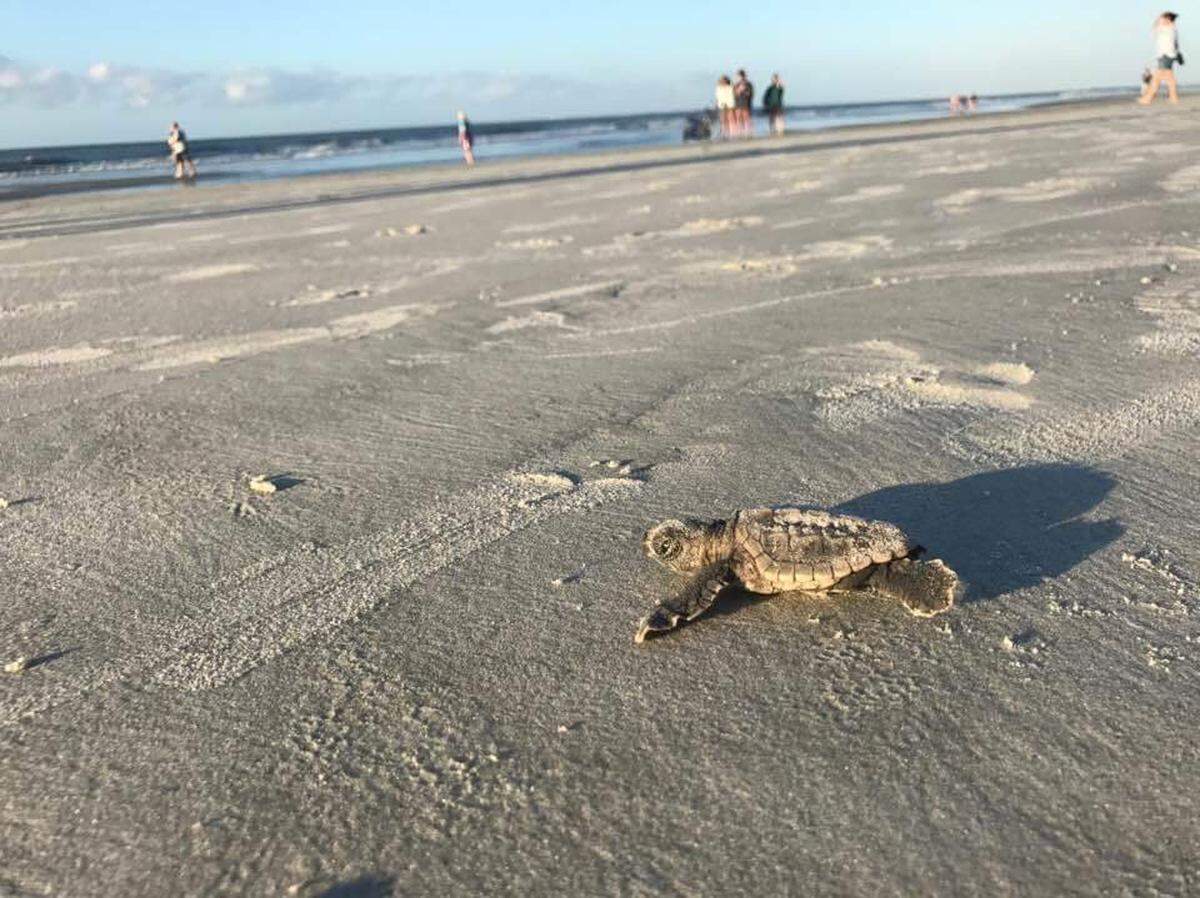
Nests typically hatch from July through the end of October.
When that happens, the turtle trackers will be there to remove any barriers to the ocean that are commonly left behind by humans.
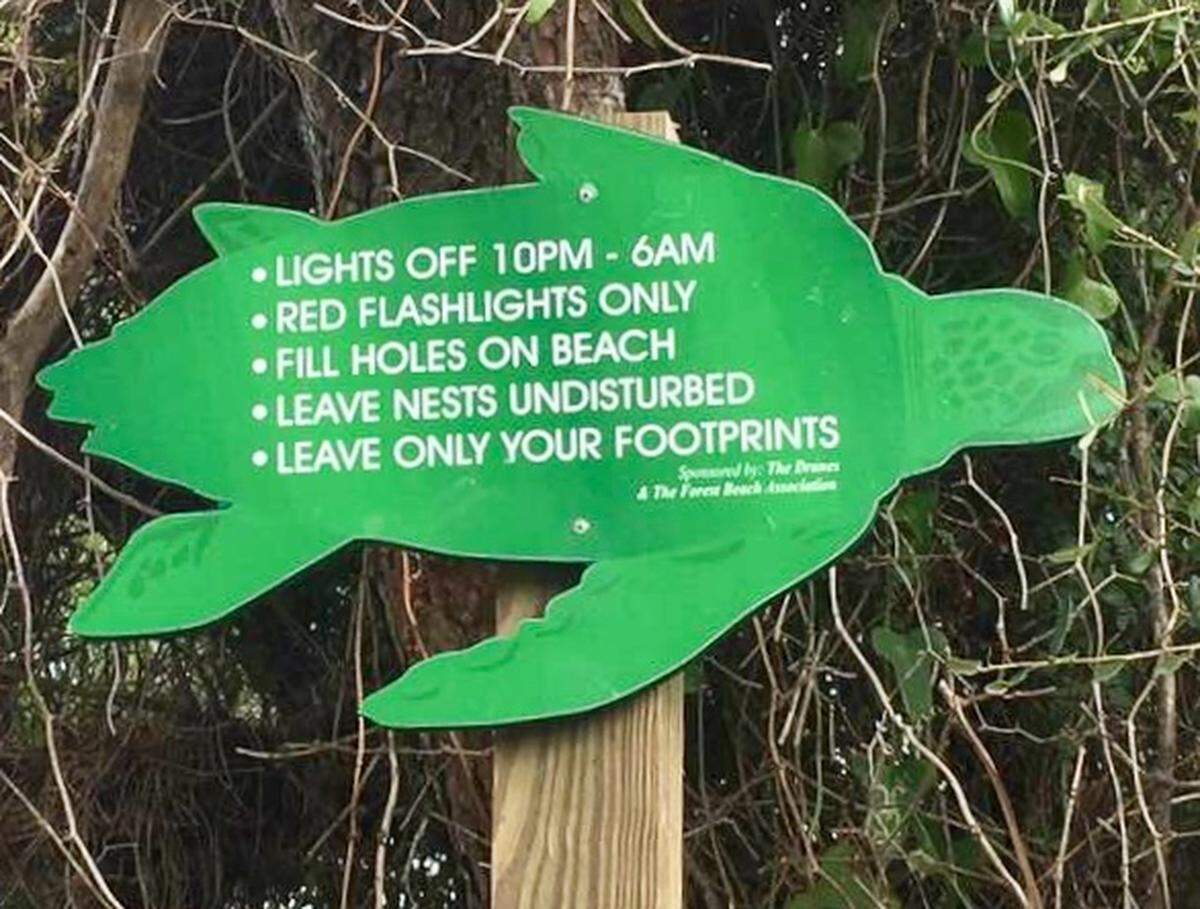
To make this year’s hatching season more successful, the turtle trackers has asked the town to tighten up three beach ordinances by doing the following:
1. Change what is defined as “beach litter.”
The turtle trackers’ biggest concern, according to Shipyard turtle tracker member Joanne Voulelis, is cleaning up litter on the beach that can trap small sea turtles.
Representing the 300-person volunteer group, Voulelis said the most difficult pieces of litter on the beach are tents and beach chairs that are abandoned by daytime beach-goers.

“The (existing) ordinance does not address abandoned property,” Voulelis said. “Furniture left unattended on the beach after sunset (should) be deemed litter and can be taken by the town.”
Voulelis said people need to be responsible for everything they bring to the beach, and that the town ordinance should reflect that responsibility.
2. Stop big holes on the beach and ban big shovels.
Many Hilton Head locals know the story.
A small sea turtle is finally strong enough to leave the nest and make its journey to the ocean by moonlight. As it makes its massive journey, the turtle wanders into a large hole dug hours before by a kid on the beach and can’t find its way out — dying within crawling distance of the ocean.
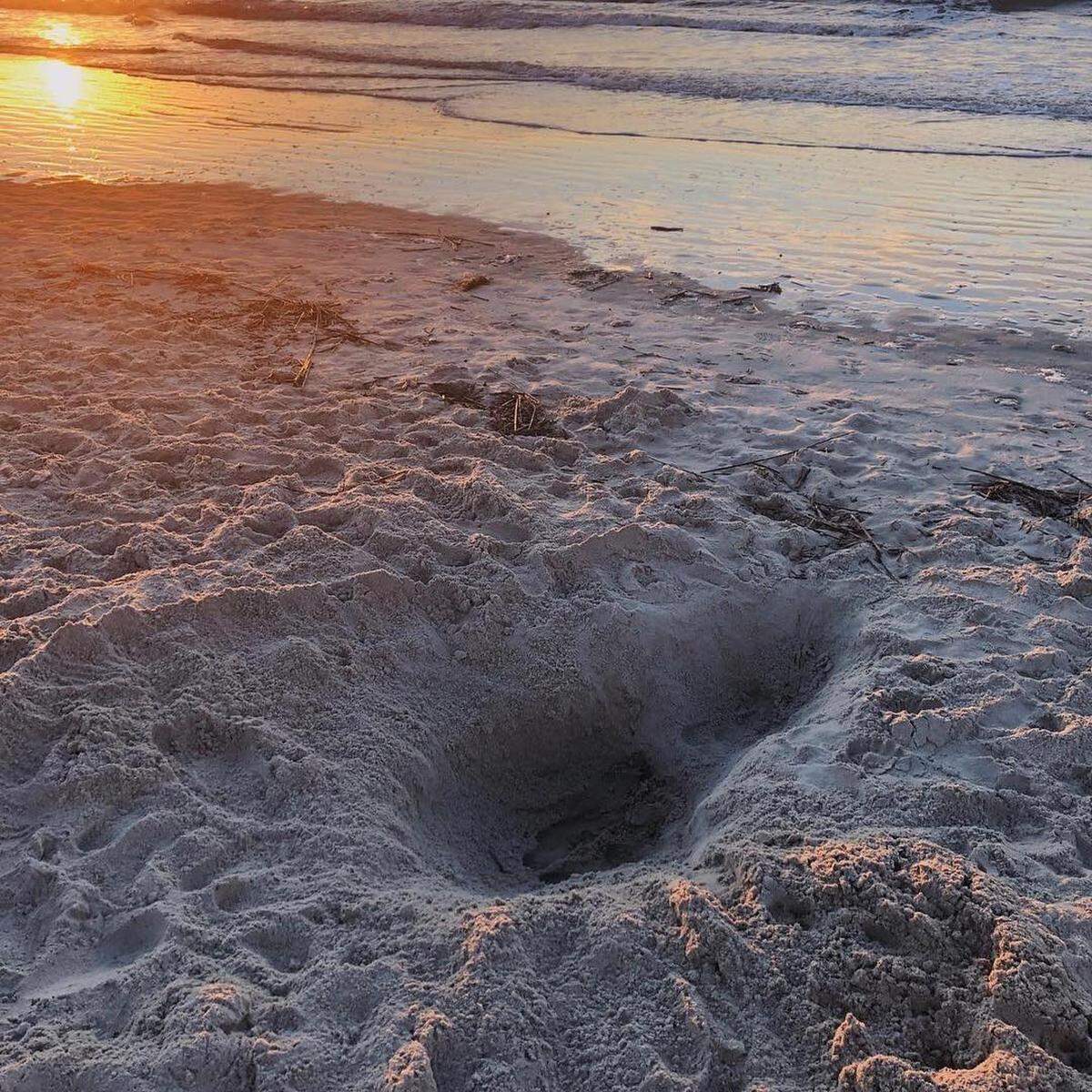
To stop that from happening, the turtle trackers take to the beach every night to fill in large holes left by unknowing visitors.
You can help by filling in your own holes in the sand when you leave the beach.
Turtle trackers members said they want town council to help by making beach ordinances that ban unfilled holes and the large shovels people use to dig them.
“Hilton Head’s beach ordinance is completely silent on the issue of large holes on the beach,” Chris Rush of the north end trackers said to council. “(Beach re-nourishment efforts) are slowly being eroded by people digging large holes on the beach.”
3. Require all beachfront homes to have amber lighting
Finally, the trackers suggested creating an ordinance that requires amber- colored lighting — not white lighting — on beach front homes.
When young sea turtles are making their way to the ocean, they use the moonlight to guide them.
If they confuse a white flood light with the moon, they’re more likely to end up in a pool than the sea, president Linda Vambelli said Tuesday.
What’s next?
Since the comments by the turtle trackers came during the appearances by citizens portion of Tuesday’s meeting, there was no action required by council members.
However, members of council have twice heard an updated sea turtle ordinance.
In December, Amber Kuehn presented a fully-drafted ordinance to the full council at their workshop. It was then sent to the public planning committee.
In January, the public planning committee heard the ordinance but said there hadn’t been any public input or staff review of the document. The committee directed town staff to meet with Kuehn and review the amendments to the ordinance.
That was the last official discussion of the ordinance prior to Tuesday’s appearances by citizens.
This story was originally published April 24, 2019 at 2:20 PM.