With 51 acres on Hilton Head at stake, leaders push to delay delinquent tax auction
The Christopher family has owned three acres on Hilton Head Island longer than most families have been on American soil.
They got the deed to the densely forested land in 1881. But this year, they stand to lose it.
It’s at the top of the delinquent tax list, and the property will go to auction on Oct. 5 unless the family pays $9,420 to redeem it.
Thirteen heirs of the property are working together to pay the taxes and keep the property in their family. That means asking faraway family members who have been dealing with pandemic job losses and financial stress to send money to save land that’s halfway across the country.
The Christopher family isn’t the only family on the list.
Native island leaders have identified 41 properties on the Sept. 15 list that belong to Gullah Geechee families on Hilton Head. All except the Christopher family owe less than $9,000 in taxes. Just over $114,000 would save all 51.3 acres from the tax sale.
On an island where a finite amount of land is the currency by which people make and lose millions, some are calling for a reprieve from the tax sale. The loss of historic land is as much a part of the island’s history as the bridge or Sea Pines’ striped lighthouse.
Hilton Head and Beaufort County leaders have urged the state to postpone the 2020 delinquent tax sale due to the coronavirus pandemic. Moving the sale to April 2021 could prevent “catastrophic” land loss by Gullah Geechee families hurt by the pandemic, Theresa White, founder and CEO of the Pan-African Family Empowerment and Land Preservation Network, said in a letter to legislators.
“It’s simply heartless to allow their property to be sold for abiding by the governor’s executive orders, income-restricting local, county and city ordinances in the midst of a national health crisis,” White wrote.
The tax sale is set to happen in-person on Oct. 5.
.jpg "Screenshot (131).jpg")
What is the tax sale?
Each fall, Beaufort County holds its tax delinquency sale where the public can bid on properties whose owners owe back taxes over one year old. Bidders pay the outstanding taxes and get the deed to the property after one year. The county, and nearly every state in the U.S., calls these sales the “forced collection of property taxes.”
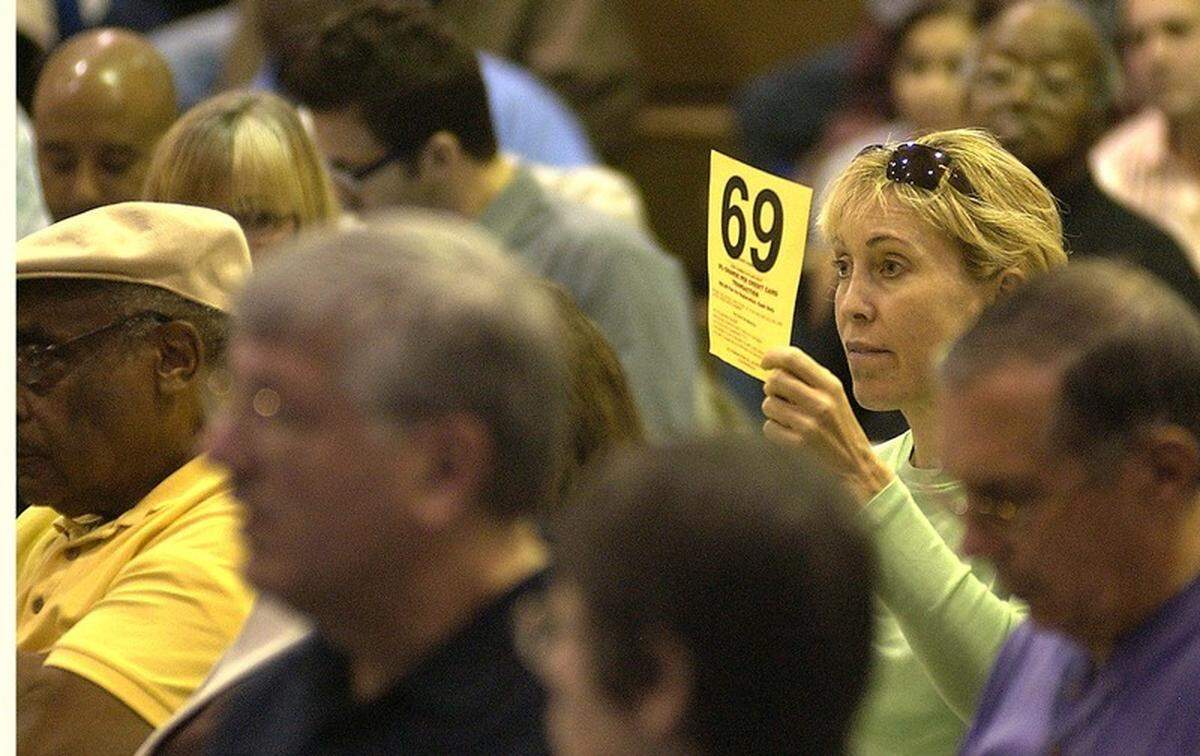
It’s also the biggest modern threat to native-owned land.
In the 150 years since the end of the Civil War, freed enslaved people and their descendants obtained land on Hilton Head, created homes and established a shell fishing-based economy. When they died, they passed down family land through unwritten wills as heirs property.
But land on the island obtained over a century ago can become too expensive for native families to keep up, given property taxes and development restrictions.
“These are places and times when some of our historic neighborhoods can slip away from us,” Gullah-Geechee cultural preservation task force chair Lavon Stevens said of the sale in 2019. “Sometimes people don’t even know when they’re on the list.”
And that’s in normal times.
The 1,512 properties on this year’s original list were delinquent on taxes last year, a time unaffected by the coronavirus pandemic. But once properties end up on the docket for the auction, anyone can pay taxes on any property. Often, anonymous donors and family friends help someone keep their land.
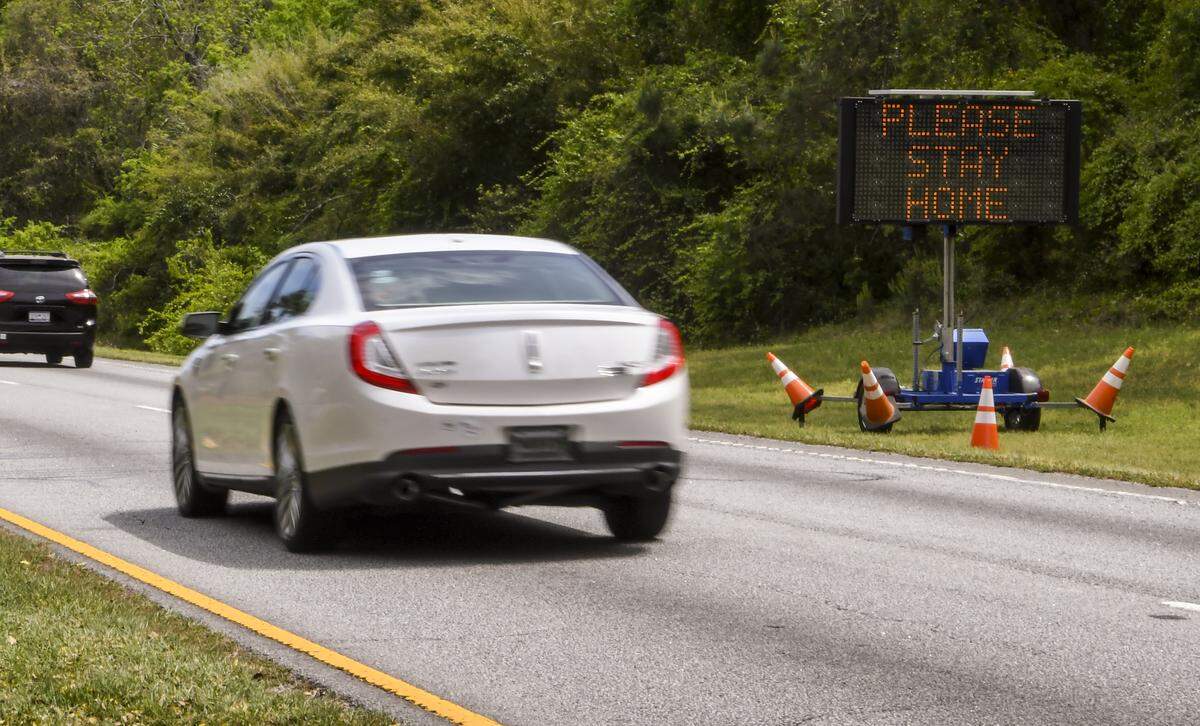
But everyone’s ability to pay off taxes this year has been marred by the effects of the economic shutdown.
For the Christopher family’s property, some heirs have been out of work since March. On Hilton Head, a six-week shutdown of all stores and restaurants decimated working opportunities for anyone in the hospitality industry.
The estimated economic impact of the pandemic in Beaufort County is $310 million so far, according to the Hilton Head Island-Bluffton Chamber of Commerce.
Can the tax sale move?
Treasurer Maria Walls said the tax sale date is set by her office, although the redemption period — where families can pay their outstanding taxes and interest to the successful bidder and get their property back — is set by state law at 366 days after the sale.
Walls said it’s unlikely she’ll move the date of the sale. Government entities like the Beaufort County School District, trash pickup and mosquito repellent services depend on revenue from the tax sale to operate.
In a year full of budgetary uncertainties, Walls said those entities need the tax revenue even more.
“Being a tax collector, you’re serving two areas,” she said. “The taxpayers, and those same taxpayers that are relying on government services. Those services are only paid for if taxes are collected.”
Walls said if government agencies go into debt without tax sale revenue, it will cost taxpayers even more money in the long run.
“Sometimes you want to stop everything for a person because you feel for them as a human being, but then you’re creating inconsistencies within the county,” Walls said.
The redemption period, on the other hand, is more flexible. It’s set by the state legislature, and White and others would like to see people from last year’s tax sale be able to redeem their properties until April 2021 instead of Oct. 7.
Walls said that may be more feasible, since the tax revenue will still be collected from the sale and then paid back by the land’s original owners.
What’s next?
As it does every year, Hilton Head’s Gullah-Geechee Land and Cultural Preservation Task Force is calling landowners on the list to notify them that they are at risk of losing their property.
Last year, months of efforts to connect people with resources resulted in just 17 historic parcels of land being sold at the auction.
Alex Brown, a native island leader on Hilton Head who is part of the task force, said over a third of parcels on this year’s list are vacant properties — the owners are bringing in no income from developing or renting them.
This year’s 41 parcels will take even more effort, White and Brown said, because financial resources are stretched even thinner. All tax payments must be sent via mail, making the last-minute dash to save land dependent on the U.S. Postal Service.
But there is hope.
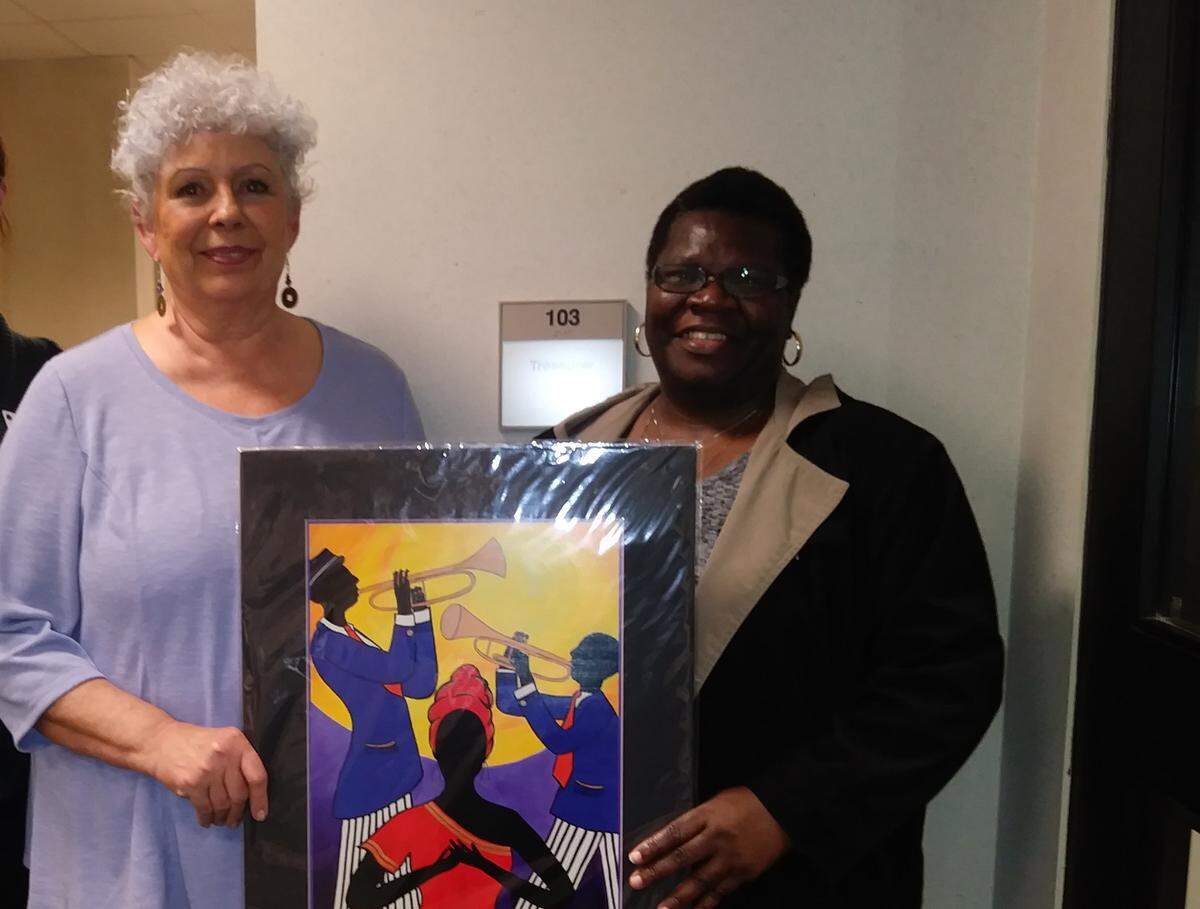
Georgia artist Samantha Claar and daughter Reagan Cortes recently contributed over $8,000 to PAFEN’s land preservation fund, which White said was used to match tax payments and save land auctioned off last year on St. Helena Island.
Meanwhile, the Christoper family plans to pay off the taxes on their land near Folly Field in the coming weeks.
Their 139-year history there is the incentive to save the land, even if they have to jump pandemic-sized hurdles to do it.
This story was originally published September 15, 2020 at 12:09 PM.