Book featuring Hilton Head ‘plantations,’ Gullah land loss highlighted in New York Times
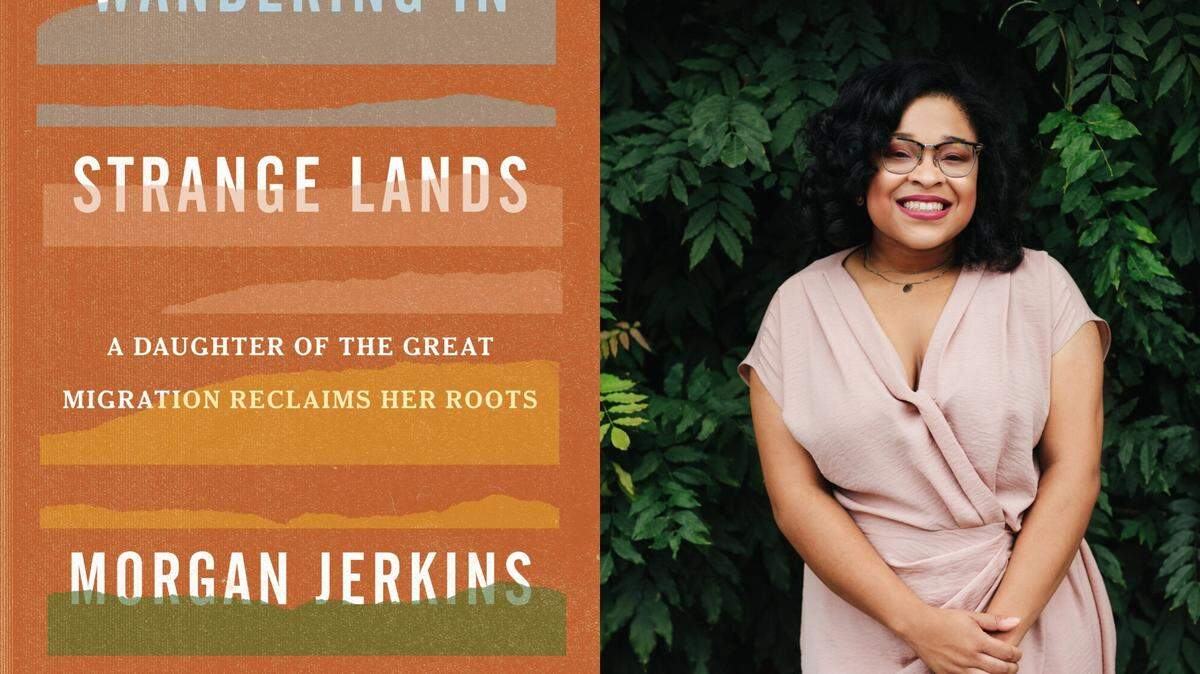
It’s not a coincidence that most Americans don’t know that Gullah-Geechee people exist.
That’s on purpose and it’s due to white supremacy, according to Harlem-based author Morgan Jerkins. Jerkins released her second book, Wandering In Strange Lands, last week. It details her journey through South Carolina, including Hilton Head Island; Louisiana; Oklahoma; and Los Angeles to unravel her Black family’s roots.
Jerkins calls the trip a “reverse migratory route,” where she traced her family’s role in the Great Migration to her hometown in New Jersey.
Her passages about Hilton Head Island, published last week by The New York Times, open the eyes of readers across the country to the loss of Gullah-Geechee land on America’s No. 3 Island (as ranked by Condé Nast Traveler this year). The excerpt paints a stark picture of the 14 million acres of Gullah land lost in South Carolina since 1869 and the use of the word “plantation” on the island.
“It was in Hilton Head where I soon learned how beautiful landscapes masked black carnage that was simplified and mocked at every turn. I saw the word plantation so much that I was starting to get a headache,” she wrote. “With every road I passed, there was another indication of a perverse symmetry between leisure and slavery.”
The book’s release coincides with a summer of demonstrations on the island and across the country. Leaders on Hilton Head have called for the renaming of gated communities that use the word “plantation” to promote an oasis-like community.
“Plantation needs to be removed. It should not be held as synonymous with luxury,” Jerkins told The Island Packet. “Brutality, life loss, blood, the sounds of rattling chains, the feeling of families being separated forever: That’s what ‘plantation’ evokes for me.”
South Carolina’s magic ... and violence
Although most natives to Beaufort County are familiar with Gullah-Geechee people and their history, Jerkins said she’s received tons of correspondence from readers of all races who didn’t know of the rich cultural traditions and how they’re being threatened on Hilton Head today.
“There were many times when (research for this book) made me ashamed. I’m a part of America and America is not equal. It is by design that I do not know a lot about these Black communities, and it’s not a coincidence that we don’t know these things,” Jerkins told The Island Packet. “This is how white supremacy works.”
When she came to Hilton Head, Jerkins met with islanders Tai Scott and Alex Brown, who shared their families’ histories and Scott’s multiyear conflict with the Town of Hilton Head Island, which has denied him a business license. Jerkins visited Ruby Lee’s South for soul food, toured Mitchelville Freedom Park and spoke to native Thomas Barnwell about the history of the island.
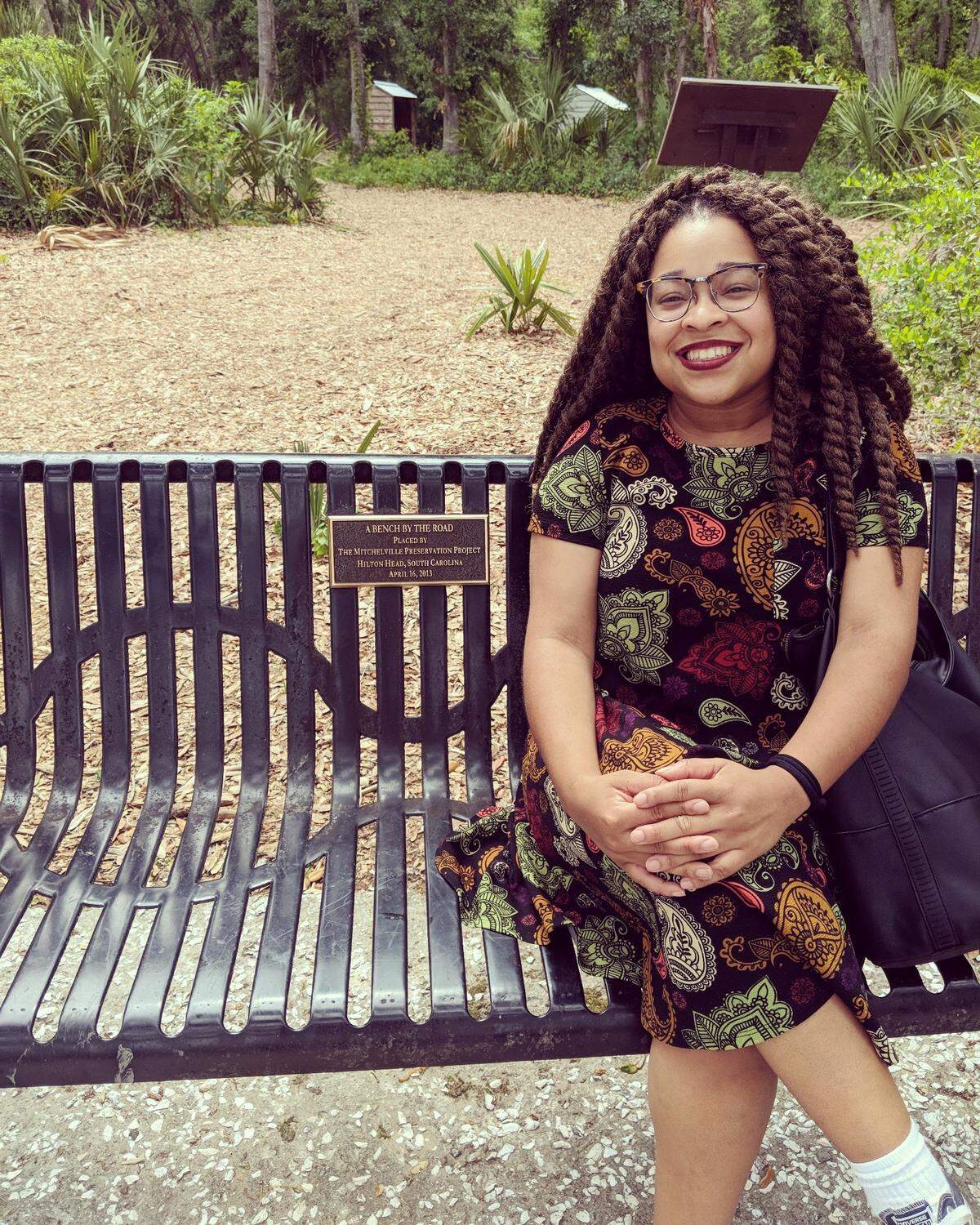
She said Hilton Head’s native islanders and the Gullah Geechee people are the population most connected to their West African roots in the country.
“The spirituality and the magic of that place is as palpable as the muggy heat,” she said. “In Louisiana I felt recognized. In South Carolina, I felt protected.”
.JPG "Lowcountry Canopy Roads (3).JPG")
Still, Jerkins said institutions like the U.S. 278 corridor project, the Beaufort County delinquent tax sale and limitations on land development threaten a people already squeezed out of places on Hilton Head to make space for gated communities and attractions for tourists.
Jerkins said that visitors and retirees to the island often think about the beaches, restaurants and resorts here.
“They don’t think about people who were displaced. You have to always look beyond the surface when you look at a town’s history,” she said.
Island Packet and Beaufort Gazette reporting has shown how Gullah communities change and lose land that was once passed down from formerly enslaved people through verbal agreements to their heirs. But Jerkins’ spotlight has thrust issues once quietly discussed in living rooms on Hilton Head’s north end to a national stage.
“Beyond the veneer of the stately homes and luxurious resorts there are a community of people who are at risk,” she said.
This story was originally published August 11, 2020 at 1:51 PM.