The 4 issues Black Hilton Head leaders say are more pressing than ‘plantation’ debate
If you’ve followed Hilton Head Island’s discussion about removing the word “plantation” from its communities, you’re likely aware of the island’s history of plantations and the people who were enslaved there prior to the Civil War.
But as committees form and people raise money to eliminate the word from signs and letterheads, Black leaders and residents say the conversation merely scratches the surface of the problems related to race on the island and throughout Beaufort County.
“While the word ‘plantation’ is in your face here, it’s kind of symbolic. But there are a lot of other things that are sort of ‘bread and butter issues,’” Hilton Head Plantation resident Bill Patterson said. “People are suffering from a lot of different things here.”
Throughout the country, demonstrators are protesting racism and police brutality. But also wrapped up in their protests are deeply held concerns with the public education system, housing equality, predatory loans and voter suppression.
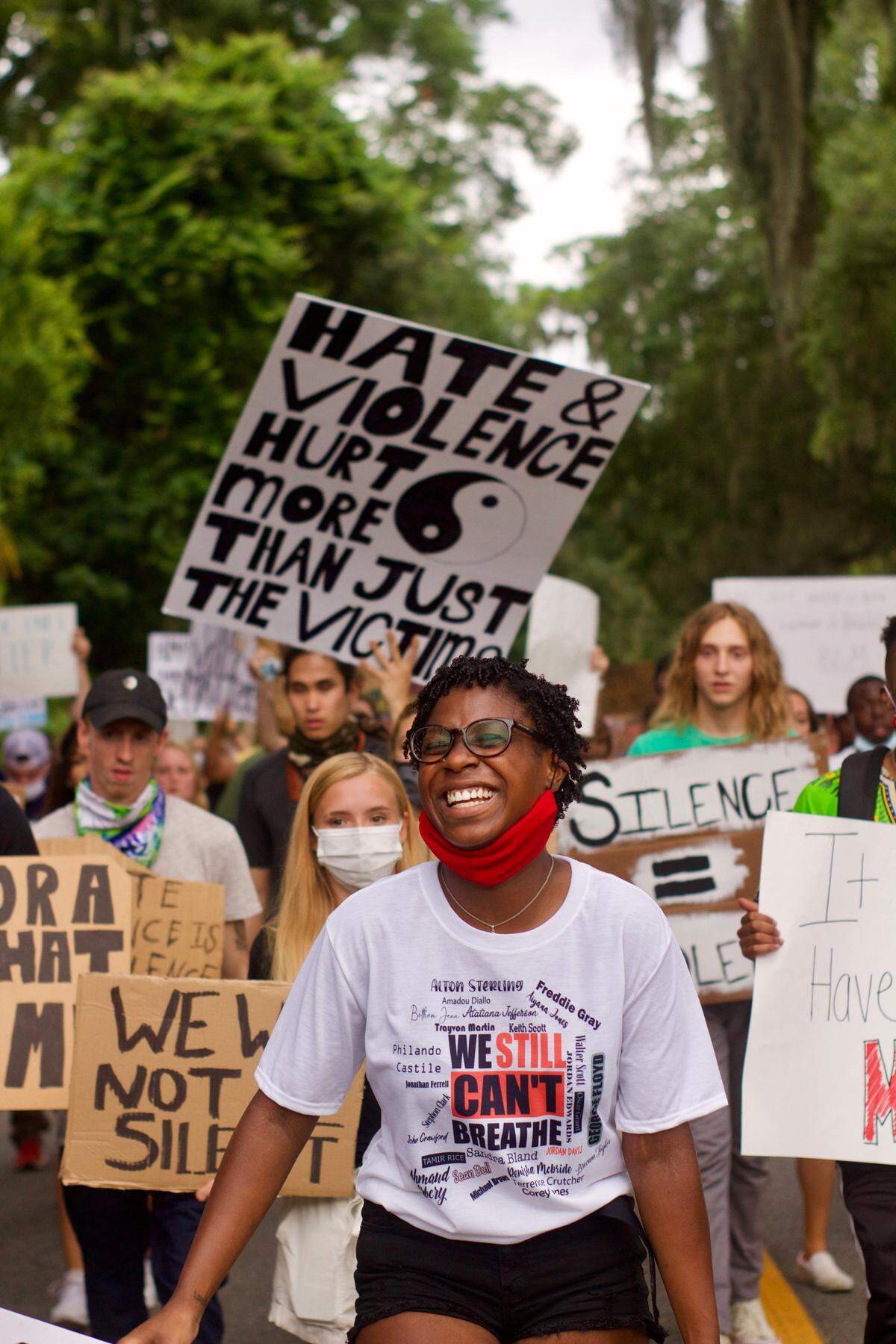
In short, the issues at hand touch others that frame the world we live in.
Hilton Head is no exception, leaders say.
“If they remove ‘plantation’ or not, that’s not going to solve our issues,” native islander Alex Brown said. “That does not change someone who feels they are less than another, or someone who feels they are more than another.”
“That’s the root of it that needs a lot of attention,” he added.
In several interviews with The Island Packet and Beaufort Gazette newspapers, white and Black residents and leaders expounded on the problems Patterson was talking about.
Here are some of the issues they brought up:
1. Losing historic land
Native Islanders, many of whom are descendants of people who were enslaved on the island, have long lived in historic neighborhoods.
An upcoming project threatens at least one of those neighborhoods: the Stoney area.
The U.S. 278 corridor project, in its final planning stages, could route new lanes of concrete through the Stoney area and cause Gullah-Geechee residents to lose generations-old homesteads.
Leaders have spoken against the road project, and advocated for a task force, formed in 2018, to be given a voice to protect Stoney homes. Only two representatives of the native island community sit on the 15-person committee.
“We believe it is possible to replace the bridge, alleviate congestion and improve safety without taking our land,” a 2019 letter written by Stoney residents to the Town of Hilton Head Island says.
Read more:
Meet the Gullah community that could be lost if the Hilton Head bridges get more lanes
Better ideas or ‘kitchen sink’ plans? SCDOT has 3 new Hilton Head bridge alternatives
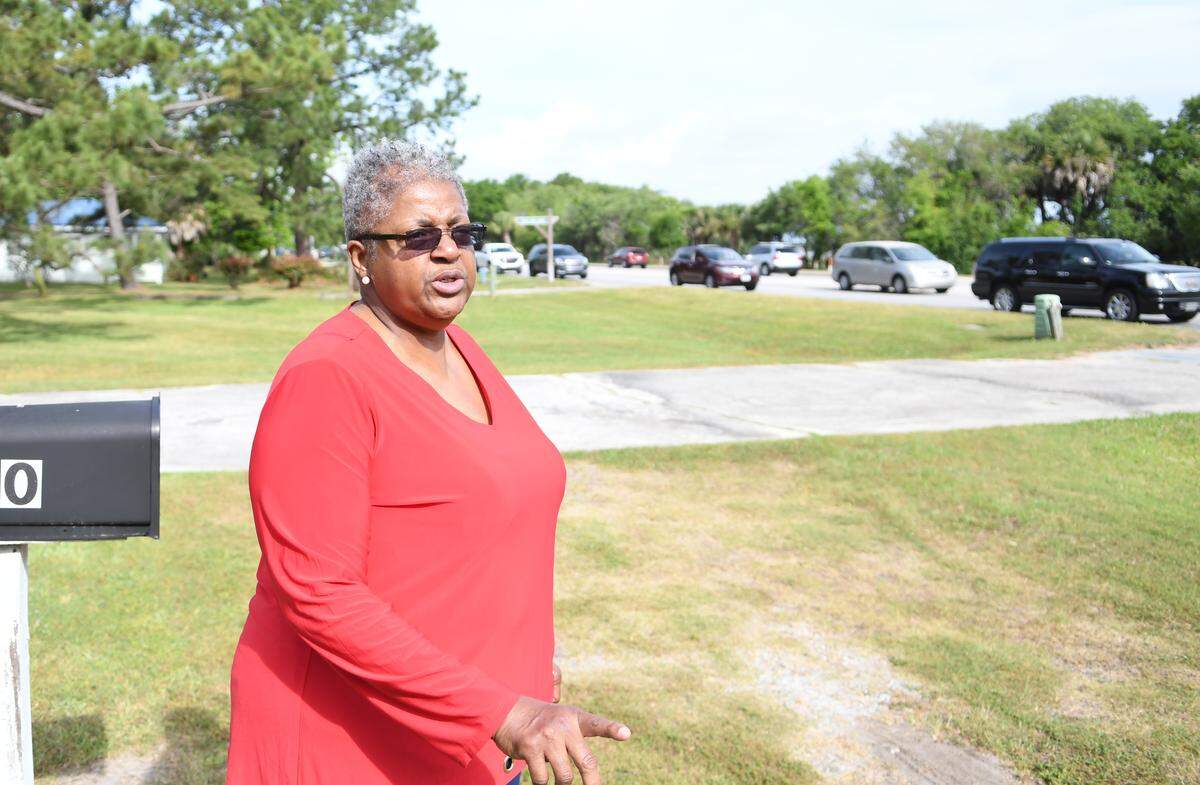
In addition to losing land in the name of progress, Black Beaufort County residents for years have complained that the annual delinquent tax property auction is harmful. Each year, the Beaufort County treasurer assembles a list of properties that have lapsed on property taxes. Those on the list have until 4 p.m. on the Friday before the tax sale to pay and keep their properties from going to auction.
“These are places and times when some of our historic neighborhoods can slip away from us,” Gullah-Geechee cultural preservation task force chair Lavon Stevens said in 2019. “Sometimes people don’t even know when they’re on the list.”
Last year, 347 properties in Beaufort County were listed for sale. Of those, Stevens’ task force identified 17 that belonged to historic neighborhoods on Hilton Head, including Chaplin, Stoney, Squire Pope, Spanish Wells and Baygall.
Stevens and others are mobilizing each year to make families aware when they’re on the list, and connect them with charities and resources to help pay the taxes. Heirs’ property, or land passed down without a deed to many heirs, presents distinct challenges because people with claims to the land can be spread across the country.
Read more:
‘Every acre counts’: The mad dash to save historic Hilton Head land from tax auction
HEIR PRESSURE: Beaufort County Gullah families struggle to hang onto ancestral land
2. Land use challenges
While some native islanders are losing their land, others are struggling with the limits placed on their ability to use it.
Since the town’s incorporation, it has placed limits on what landowners can do on their properties. But Louise Cohen, the founder and director of the Gullah Museum of Hilton Head Island, has said the rules often prevent native islanders from developing their land into housing or home-based businesses.
“I think if the town works with us and relaxes the rules so we can actually let the land bring us an income, that would be a great thing,” she said in 2018.
In 2019, the town’s Gullah-Geechee land and cultural preservation task force hired a consultant to review Hilton Head’s relationship with its native islanders. One of the biggest suggestions was to create a “historic Gullah neighborhood conservation overlay district” to waive development fees and some impact fees, relax certain development standards such as color usage and expand ways Gullah families can use their land.
The overlay district would make development and commerce easier in historic neighborhoods.
.jpg "Screenshot (131).jpg")
In 2019, native islander Palmer Simmons favored the overlay district.
“It would ease the known burdens of trying to utilize our property,” Simmons said. “You have to pay high impact fees and follow setback guidelines. The overall overlay district would afford some permanent measures to ease that.”
But Simmons himself is now caught in the throes of land use disagreements.
On June 2, Hilton Head Town Council voted to remove Simmons from the planning commission because his neighbors reported that he was using his residential property for a truck washing and maintenance business.
Simmons, who has a home business license and lives in the Spanish Wells area, has appealed his removal. The hearing is being delayed until the appeal can happen at an in-person meeting of the Town Council.
Simmons was the only native islander on the commission.
Read more:
Proposed Gullah historic district may bring more development to Hilton Head’s north end
3. Sewer and public utility connection
While most communities on Hilton Head benefit from a planned sewer connection system, many Gullah-Geechee residents who live outside those communities rely on costly septic tanks for waste disposal.
The Town of Hilton Head embarked on a five-year project in 2015 to provide islanders using septic tanks with a modern sewer system, but connection fees that cost up to $6,000 per home have still kept people out. The project was completed last October.
All 366 properties targeted for sewer connection now have access to the sewer system, Pete Nardi, Hilton Head’s public service district director, said on Tuesday.
But only 175 properties have tied in to the system, he said.
Read more:
As Hilton Head sewer project enters 5th and final year, many still haven’t connected
Hilton Head commits $3.5 million to help bring sewer to all residents by 2020
4. Representation in local government
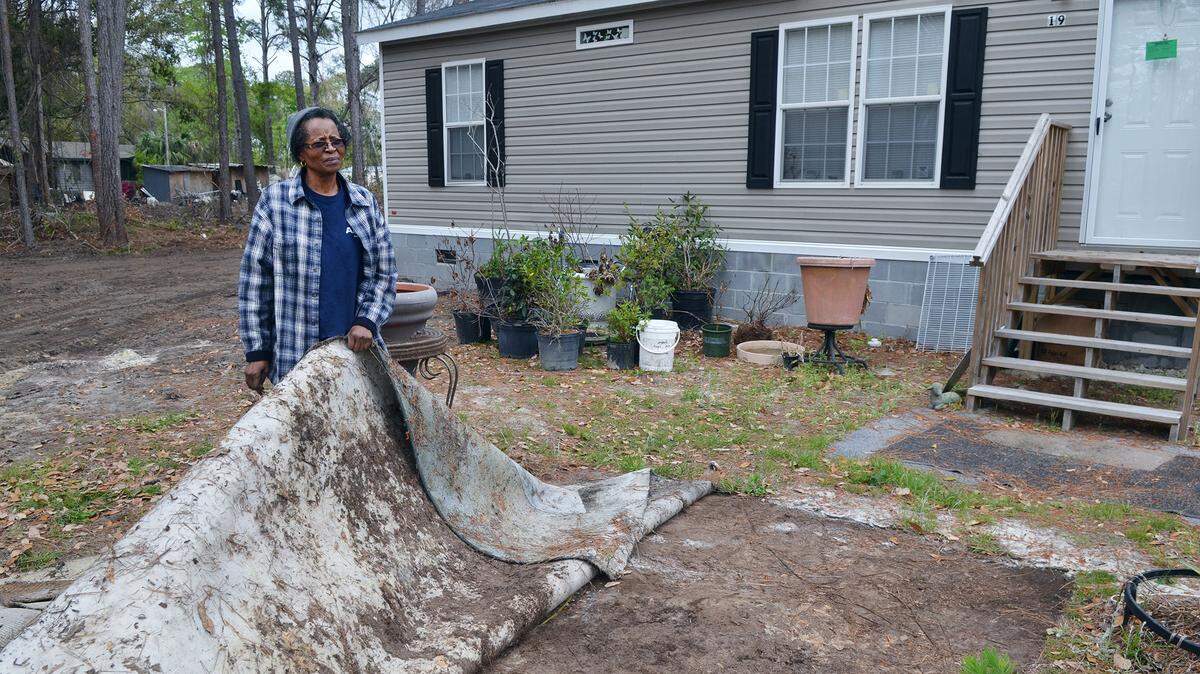
Black residents in Beaufort County say they don’t see many people who look like them in local government.
On Hilton Head, one of the Town Council’s seven members is Black. At a June 2 meeting, Marc Grant, who represents a majority of native island communities on the island, addressed police brutality and racism. The June 2 meeting was the first time Grant publicly addressed those issues, although he frequently speaks up on issues affecting his ward, such as dirt road paving and property tax assistance. His ward has the largest population of native islanders on Hilton Head.
“As a council we have accomplished many feel-good initiatives and improved the infrastructure of this island,” Grant said June 2. “However, we have a duty and a responsibility to address the wrongs of this town, this county, and this state.”
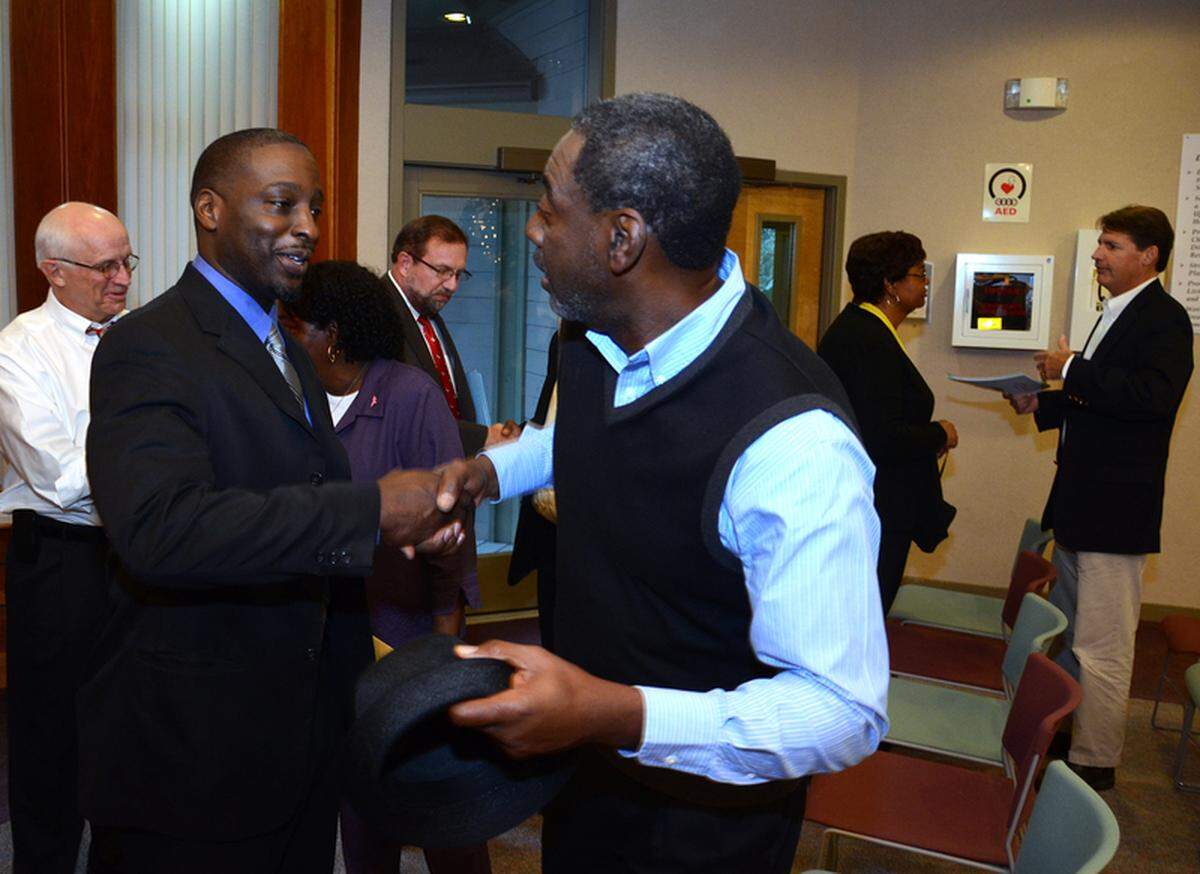
Of Beaufort County Council’s 11 members, two are Black: York Glover and Gerald Dawson.
In Bluffton, two of the town’s five council members are Black: Bridgette Frazier and Fred Hamilton. Frazier spoke at Hilton Head’s June 7 “Rally for Justice and Change,” calling for more Black representatives on government councils.
Darryl Owens is the only Black representative on the Town of Port Royal Town Council of five, and there are no Black representatives on Beaufort City Council, which is also made up of five people.
However, the percentage of Black leaders in the county overall is about on par with the county’s demographics.
Around 18% of Beaufort County’s population is Black, according to the latest census figures. Between the county council and the four municipalities, Black representatives make up about 18% of the government’s elected leadership.
Read more:
Black Beaufort Co. official criticizes Beaufort mayor’s ‘tone deaf’ protest comments
‘I never felt truly free:’ Hilton Head’s only Black official condemns police brutality
What’s next?
Many residents have weighed in on the “plantation” debate, but they caution that other issues facing Beaufort County communities are at least as important as the symbolic removal of the word “plantation.”
The issues represent inequitable infrastructure, fears of losing land and culture, and the county’s lack of preparedness to face racial problems.
“When you look at it in that context, focusing on the word plantation on Hilton Head feels almost trivial,” said Patterson, who lives in Hilton Head Plantation. “All of that is going on in the rest of the country, and we’re here on the idyllic island talking about the little word ‘plantation.’”
This story was originally published June 23, 2020 at 11:27 AM.