Q&A: Everything you need to know about COVID-19 vaccines in Beaufort and Jasper Co.
This story was last updated on Feb. 2, 2021 at 1:20 p.m.
COVID-19 vaccines are being distributed around South Carolina and in Beaufort County as the Palmetto State works to inoculate millions of residents against the novel pathogen.
Here’s everything we know about the vaccines as of early February. This post will be updated with new information as it becomes available.
Do you have a question about COVID-19 vaccines that’s not answered here? Contact reporter Sam Ogozalek at sogozalek@islandpacket.com or (843) 900-6372.
Where are doses available in Beaufort and Jasper counties?
The Pfizer-BioNTech or Moderna vaccines were being offered to people 70 or older at 11 locations in Beaufort and Jasper counties as of Feb. 1, according to the S.C. Department of Health and Environmental Control.
Those locations ranged from Hilton Head Hospital to Publix pharmacies in Bluffton.
While DHEC said those 11 vaccine providers are accepting appointments, that doesn’t necessarily mean they have doses on hand.
What is DHEC’s vaccine locator tool?
DHEC has launched a website through which residents can find vaccine providers that are currently activated by the state.
Providers marked in green are open for appointments, according to the state, but the green doesn’t confirm whether a given location has doses immediately available.
The website provides contact information for individual providers, where eligible residents can begin the registration process.
How do I sign up for an appointment?
Go to DHEC’s vaccine locator tool, which is linked above, and click on the map. You can adjust the tool’s search radius if you want.
For example, by clicking on Okatie with a radius of 50 miles, the web page will give you all local providers’ contact information.
You can then call, fill out online submission forms or email those providers to begin registering for an appointment.
If you don’t have internet access, you can also contact a DHEC vaccine call center at (866) 365-8110 to get more information about vaccine providers and how to begin the sign-up process.
Why is it so difficult to sign up for a vaccine appointment?
There’s an extremely limited amount of doses available in the state and around the country. The demand for vaccines far outweighs the supply.
But residents also face a patchwork registration system for shots. Retail pharmacies, for example, may have their own web-based portals for sign-ups.
Area hospitals, though, have been using the Vaccine Administration Management System, or VAMS, to schedule appointments, and those medical centers have received most of the counties’ doses since mid-December.
VAMS is a finicky, aggravating system developed by the Centers for Disease Control and Prevention. South Carolina opted to use VAMS as part of its rollout.
VAMS requires an invitation for access, so medical centers have been asking residents to submit a working email address before mass uploading those emails into VAMS. The system then emails people a link to access VAMS and to register for an account.
Once in the system, people can look for available appointments at hospitals in the two counties.
Beaufort Memorial Hospital has posted a step-by-step guide with screenshots explaining how to access VAMS. Every person registering in the system needs a unique email address. Couples can’t use the same account to both sign up.
DHEC has openly criticized the system and is planning to launch a new statewide registration portal online sometime in February.
Dr. Brannon Traxler, interim director of public health, on Jan. 29 told reporters that the portal would go live “in the near future.”
“It is a clunky system. Nobody likes it. The hospitals don’t like it, the providers don’t like it, the users don’t like it, DHEC doesn’t like it,” said Marshall Taylor, DHEC’s acting director, when discussing VAMS with state lawmakers on Jan. 21. “This is not a good system.”
Why were so many local appointments canceled in January?
Alex M. Azar, then-secretary of the U.S. Department of Health and Human Services, on Jan. 12 told reporters the Trump administration was making a slew of last-minute policy changes in a bid to speed up the nation’s vaccine rollout.
Azar said federal officials would immediately release all second doses held in a stockpile — which implied those doses could partially be used as first shots — and announced that the CDC was urging states to begin inoculating people 65 or older. Both Pfizer and Moderna’s vaccines use recommended two-dose regimens.
(Azar’s Jan. 12 comments came a day after Gov. Henry McMaster said that S.C. residents 70 or older would become eligible for vaccinations starting Jan. 13.)
Because of Azar’s words, health departments anticipated an influx of doses, according to The Washington Post.
But The Post on Jan. 15 reported there was no federal reserve of second doses. Operation Warp Speed had already been distributing all available doses.
Hospitals around the country, reeling from the unexpected shortfall, were forced to cancel thousands of vaccine appointments, from the Mount Sinai Health System in New York City to Florida’s Baptist Health.
DHEC early Jan. 15 told S.C. Hospital Association President and CEO Thornton Kirby that S.C. hospitals would get “significantly less vaccine” than they wanted for the following week.
“The state expects to receive the same amount of Pfizer vaccine next week that we have been getting, but hospital requests this week totaled four times that amount,” Kirby wrote in a Jan. 15 email, which was obtained by The Island Packet and Beaufort Gazette.
Kirby added that hospitals would still get 100% of second doses.
The local impact was immense. Beaufort Memorial Hospital announced it was canceling more than 6,000 appointments because the state said the hospital wouldn’t get more than 2,000 doses for the week beginning Jan. 18, nor would it receive near equal allocations in the weeks to come. Hilton Head Regional Healthcare canceled roughly 300 appointments scheduled for the week of Jan. 18.
The Beaufort hospital in January began to work through its backlog of cancellations, hosting drive-thru clinics around the county. The hospital planned to vaccinate roughly 1,500 people on Jan. 30 at an appointment-only, drive-thru event in Okatie for some of those affected on Jan. 15.
About 1,000 people were vaccinated at a similar event on Jan. 21 in the Beaufort High School Stadium’s parking lot.
Hilton Head Regional Healthcare has been rescheduling appointments week to week.
How do you schedule a second dose appointment?
Some hospitals are registering people for their second shots when they show up for their first. Make sure to speak with your vaccine provider about this issue.
You can also schedule your next appointment in VAMS, but many residents are having trouble doing so because of a deluge of bookings, even though second dose appointments are prioritized over first shots.
At Beaufort Memorial Hospital, for example, if patients can’t sign up for their second dose in VAMS, you can email the hospital at vaccine@bmhsc.org — type “Need 2nd dose” in the subject line — and include your name, date of first dose, email address and phone number in the body text of the message.
“A vaccine coordinator will call you to schedule your second dose,” according to the hospital.
When will Phase 1b begin?
That remains unknown. DHEC as of Feb. 1 predicted that it could start sometime in the “early spring” of 2021.
Who will be in Phase 1b?
DHEC has yet to finalize Phase 1b eligibility, but it will likely include frontline essential workers including teachers, corrections officers, grocery store employees and agricultural workers, among others. A full list can be found here.
When will vaccines be available to everyone?
Predictions vary. Barring a major issue in production, though, federal officials say all Americans who want to get vaccinated will be able to sometime in summer 2021.
President Joe Biden’s administration on Jan. 26 said it was preparing to buy another 200 million doses in total from Pfizer and Moderna. If those deals go through, the United States expects to receive 600 million doses by the summer, with 400 million of those available by the end of June under existing contracts.
Do the vaccines protect us against coronavirus variants?
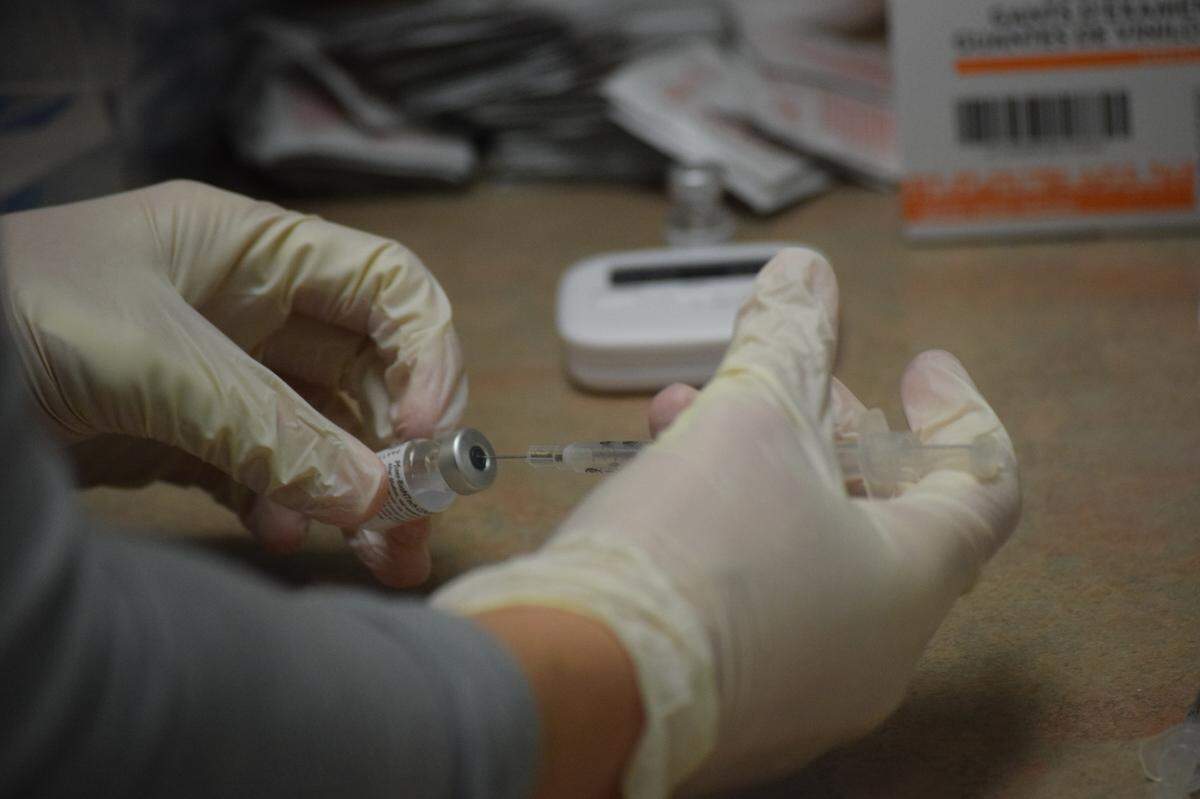
Both Pfizer and Moderna’s vaccines still protect people against the highly transmissible variants from Britain, B.1.1.7, and South Africa, B.1.351, according to the companies.
But data appear to show that both vaccines are slightly less effective against B.1.351. Moderna has started to develop a booster shot to address those concerns. Pfizer is also reviewing the matter.
Two cases of B.1.351 were announced in South Carolina on Jan. 28 — the first known cases identified in the United States. One was confirmed in the Lowcountry and the other was found in the Pee Dee region, according to DHEC, which declined to provide more specific information due to privacy concerns.
Is there a residency requirement for getting vaccinated in South Carolina?
No. A part-time resident living on Hilton Head Island, for example, could get a vaccine locally, according to Traxler, DHEC’s interim director of public health.
As of Feb. 1, permanent S.C. residency was not required to get a shot in the Palmetto State.
How many people have been vaccinated in Beaufort and Jasper counties so far?
At least 12,066 people as of Feb. 1 had received the first dose of Pfizer’s vaccine in the two counties. And at least 2,083 long-term care residents and staff had received their first Moderna dose through a federal pogam.
Beaufort Memorial Hospital as of Feb. 1 had received 5,825 first Pfizer doses and had administered 102% of those, totaling 5,954 first shots given. That’s possible because some Pfizer vials have contained six or even seven doses, opposed to just five. The medical facility had also used 39% of 3,050 second doses.
The hospital opted to provide vaccines to some local first responders in December. Maj. Bob Bromage, a spokesman for the Beaufort County Sheriff’s Office, said about 70 sworn deputies signed up for vaccinations at a clinic on Dec. 28.
The county’s Emergency Medical Services had also received doses as of Jan. 4, according to spokeswoman AJ Drake, who didn’t immediately know the number of EMS staff members vaccinated.
The hospital has hosted large drive-thru vaccination clinics, including at the Beaufort High School Stadium’s parking lot and at its Okatie medical center. Those events were appointment-only.
Hilton Head Hospital as of Feb. 1 had been allocated 1,925 first Pfizer doses and had used 151% of those (a total of 2,911 first doses). It had also utilized 40% of 1,225 second doses.
Coastal Carolina Hospital had received 2,755 first doses and had used 3,120 of those for a utilization rate of 113%. It had also used 92% of 225 second doses.
Encompass Health Rehabilitation Hospital of Bluffton had received 70 Pfizer doses and had used 81 of those, with a utilization rate of 116%.
Facility-level data on Moderna allocations for retail pharmacies were not available as of Feb. 1. Data on area nursing homes and assisted living facilities can be found here: https://scdhec.gov/covid19/covid-19-vaccine-allocation
Where have vaccines been distributed so far?
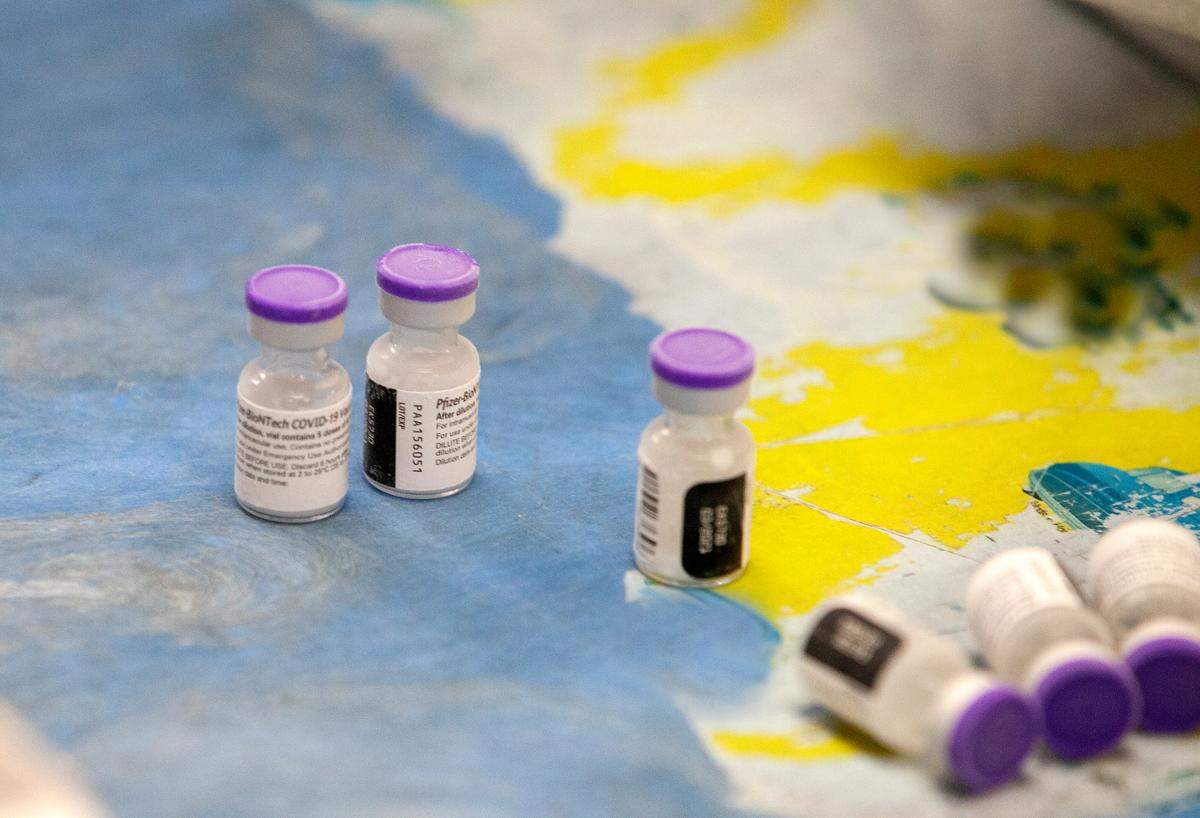
Pfizer doses were initially allocated to hospitals and health care systems in the Palmetto State, from the Medical University of South Carolina to Lexington Medical Center.
DHEC previously refused to name vaccine sites and denied a public records request seeking a list of providers enrolled in the state agency’s distribution network. The agency said those records contained confidential proprietary information, among other things.
The state had left it up to individual hospitals to confirm whether they received vaccines.
But after McMaster in a Dec. 31 letter blasted DHEC and demanded more vaccine information “immediately,” the state agency published a spreadsheet online detailing where Pfizer doses had been allocated. That spreadsheet is now updated daily.
The agency later posted a spreadsheet of Moderna doses sent to long-term care facilities.
Retail pharmacies at Publix, Kroger, Harris Teeter, Sam’s Club, Walgreens and Walmart also began to offer Moderna doses to South Carolinians in late January. Facility-level data on those allocations weren’t available as of Feb. 1.
Doctors Care locations around the state have also received Pfizer doses, but facility-level data weren’t available as of Feb. 1, either.
Where can I get a COVID-19 vaccine once they are available to everyone?
That information will be released at some point in 2021. The number of local health care providers and other businesses that have been accepted into DHEC’s distribution network remains unknown.
Hospitals, mobile health care clinics, primary care physician’s offices, community health clinics, urgent care centers, pharmacies, colleges, homeless shelters, independent living communities, dentist’s offices and eye doctors may all play a role in distribution, according to DHEC.
Major retail chains will also offer vaccines through a federal partnership, according to DHEC. Those locations already include: Walgreens, Walmart, Sam’s Club, Kroger, Harris Teeter and Publix. Costco, CVS, Food Lion and Giant Food, among other locations, may also be vaccine providers at some point.
What are the similarities and differences between the Pfizer-BioNTech and Moderna vaccines?
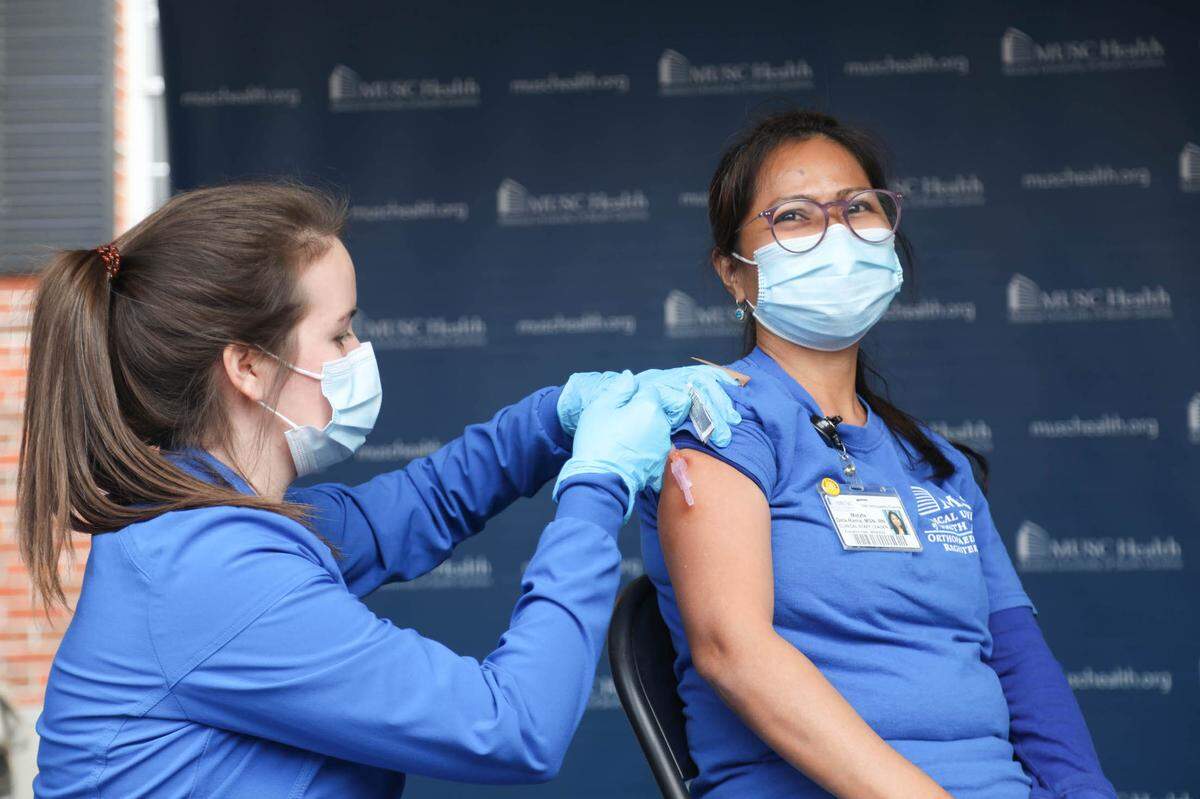
Both vaccines are similar in one key way: They were developed using messenger RNA, or mRNA.
Here’s how they work, according to the CDC:
The vaccines provide instructions for our cells to make a harmless piece of the “spike protein” that’s on the coronavirus’ surface.
Once those instructions — which are delivered via mRNA, a genetic template — enter our immune cells, the cells begin to make the virus’ protein piece. Our immune system recognizes that the protein doesn’t belong, so it produces antibodies against it.
mRNA never enters the nucleus of a cell, where our DNA is stored, according to the CDC. Pfizer and Moderna’s vaccines also don’t use the live coronavirus, SARS-CoV-2, that causes COVID-19. And our cells break down mRNA after using its instructions.
The vaccines, though, differ in several ways. The Pfizer vaccine has been approved for emergency use among people 16 or older. Moderna’s is authorized only for those 18 and older.
Pfizer’s vaccine needs to be stored at ultra-cold temperatures of -70 degrees Celsius for extended periods of time. That’s highly unusual and presents logistical challenges, especially when DHEC is redistributing doses to smaller health care providers or rural areas.
Moderna’s vaccine, meanwhile, can be stored at a more normal -15 to -25 degrees Celsius.
Both vaccines use a recommended two-dose regimen, with Pfizer’s second dose administered 21 days after the first and Moderna’s administered 28 days after.
What other vaccines are in development?
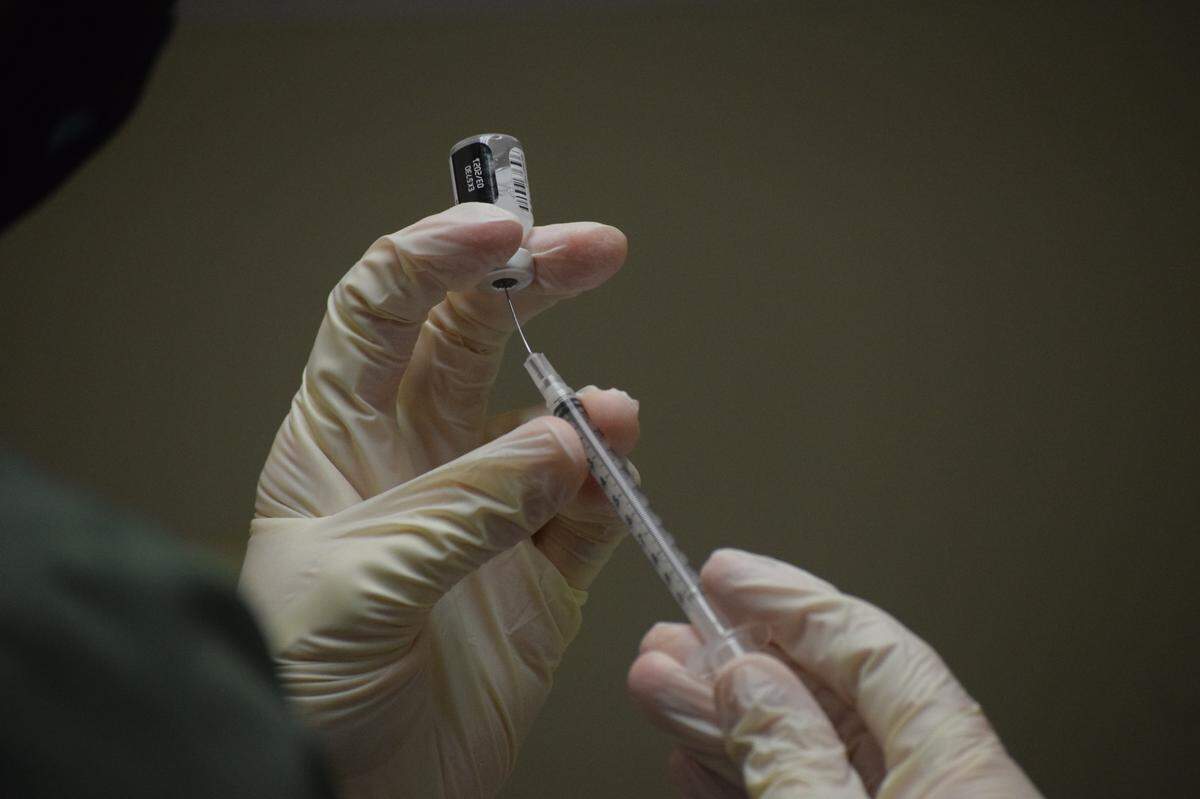
Dozens of other vaccines were being tested as of Feb. 1. The next candidate likely to go before U.S. regulators was created by Johnson & Johnson.
Johnson & Johnson on Jan. 29 announced its vaccine candidate was 66% efficacious at preventing moderate to severe COVID-19 within 28 days and demonstrated “complete protection” against coronavirus-related hospitalizations and deaths within that same timeframe.
The vaccine, called Janssen, uses a single-dose regimen, making it easier to distribute than Pfizer or Moderna’s shots. Janssen could be authorized for emergency use by mid-February.
While the federal government expects the company to have doses only in the “single-digit millions” by late February — as opposed to the 12 million doses originally laid out in Johnson & Johnson’s contract — that expected authorization will boost U.S. vaccination efforts.
What’s an emergency use authorization, or EUA?
An EUA is granted by the FDA when the federal agency decides an unapproved medical product should be used to treat patients in an emergency situation.
“For an EUA to be issued for a vaccine, for which there is adequate manufacturing information to ensure quality and consistency, FDA must determine that the known and potential benefits outweigh the known and potential risks,” according to the agency.
Vaccine candidates’ efficacy data is reviewed by the Vaccine and Related Biological Products Advisory Committee, which ultimately recommends to the FDA whether an EUA should be approved.
How effective are the vaccines?
Pfizer and Moderna’s vaccines were more than 94% efficacious in 2020 during Phase 3 clinical trials. That’s exceptionally good, health experts say.
What side effects have been reported?
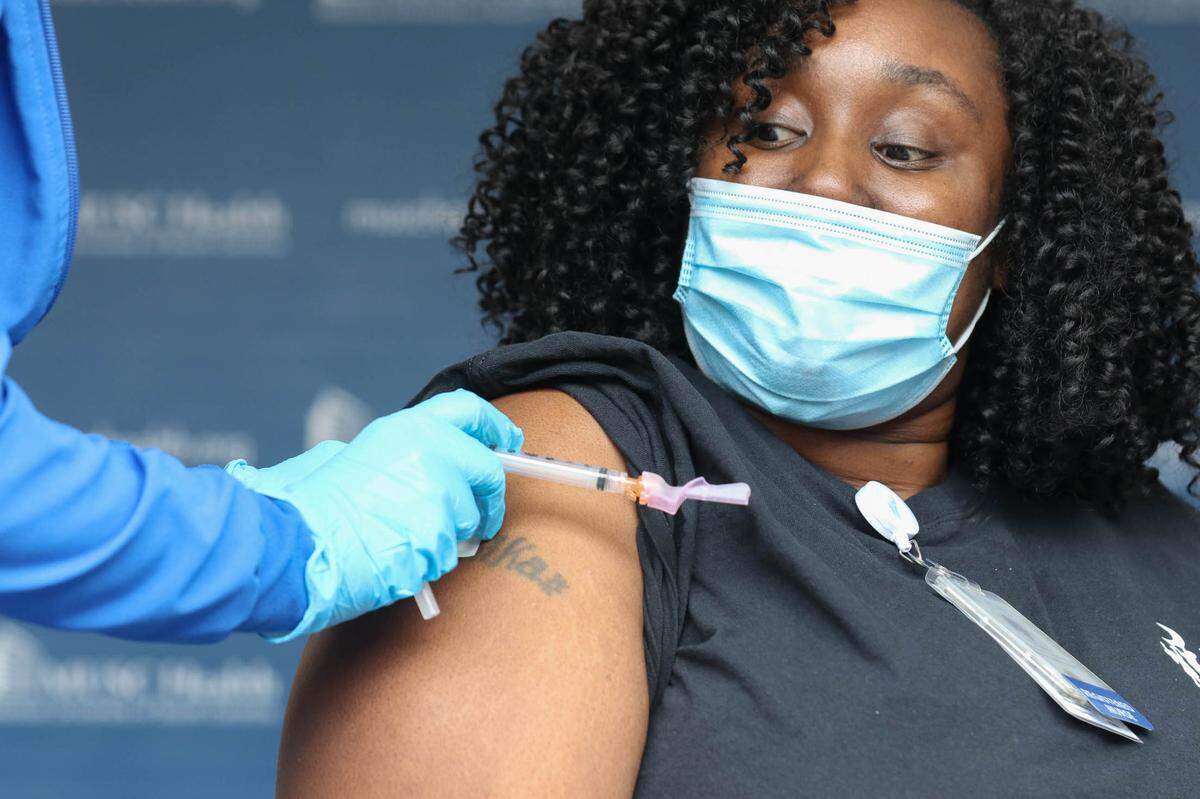
The FDA has recorded side effects of injection site reactions, tiredness, headaches, muscle pain, chills, joint pain and fever among people inoculated with either Pfizer or Moderna’s vaccines. The CDC says those are common symptoms.
A handful of people in clinical trials have also experienced Bell’s palsy, which causes temporary but sudden facial weakness. The American Academy of Otolaryngology-Head and Neck Surgery could not determine if the vaccines actually caused those reports.
“There is no clear basis upon which to conclude a causal relationship at this time,” the academy wrote on Dec. 19.
Two health care workers in Britain with severe allergies experienced anaphylactic reactions soon after receiving Pfizer’s vaccine on Dec. 8. A few similar cases have also been reported in Alaska. Anaphylaxis is rare, health experts say.
Are there medical or age restrictions for the vaccines?
Yes. Children and teenagers under the age of 16 couldn’t get vaccinated as of Feb. 1. The vaccines haven’t been tested yet among kids younger than 12.
The CDC has also recommended that people with a history of allergic reactions to ingredients in mRNA vaccines, including polyethylene glycol, or PEG, not get a shot.
Will I have to pay for the Pfizer-BioNTech or Moderna vaccines?
COVID-19 vaccines will be free to everyone, regardless of insurance coverage, according to a statement provided by the Centers for Medicare & Medicaid Services on Dec. 18.
“This includes individuals with employer-sponsored coverage and those without insurance,” a CMS spokesperson wrote. “The federal government is providing the vaccine for free, but providers will be paid by the payer (for example, a private insurer or employer-sponsored plan) to administer it.”
Providers can be reimbursed for administering COVID-19 vaccines to people without insurance through the Provider Relief Fund.
How many vaccine doses are available now?
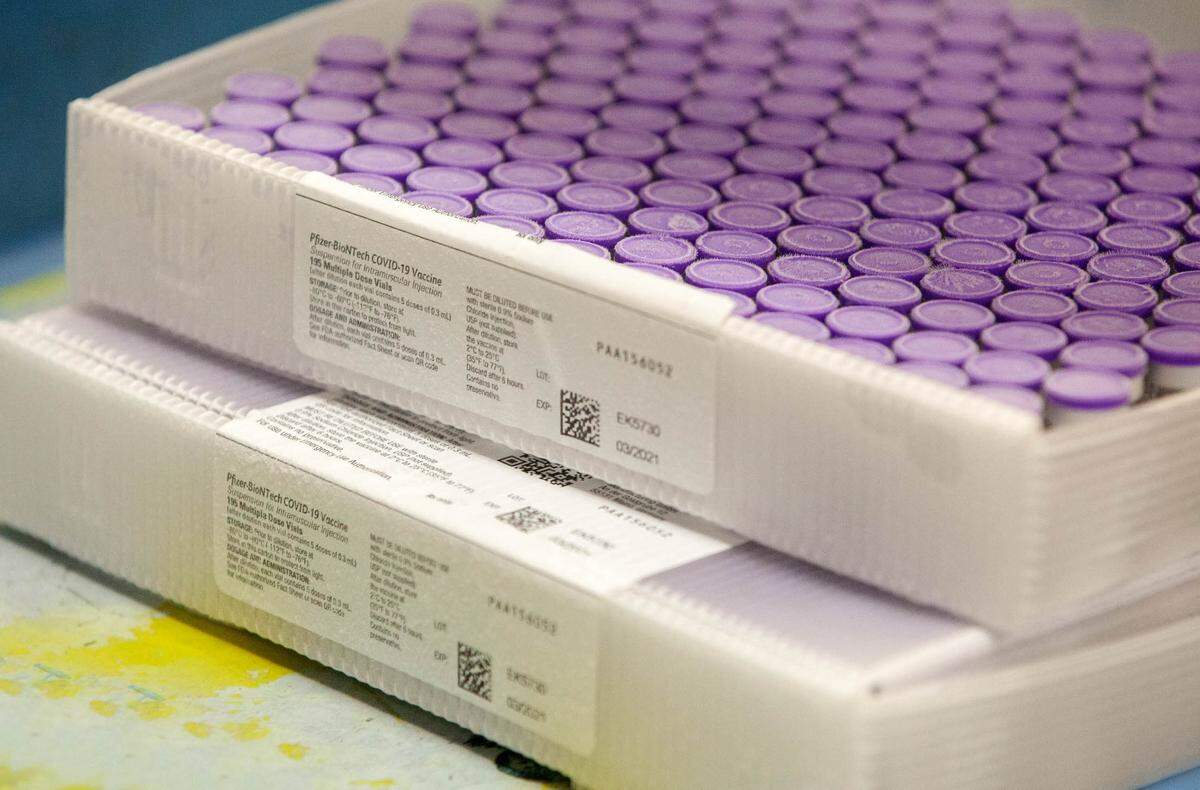
South Carolina as of Feb. 1 had received 423,150 Pfizer doses and had used 75% of those. The state had also allocated 203,400 Moderna doses to a CDC program vaccinating people in long-term care facilities. Roughly 23% of those doses had been used as of Feb. 1.
Another 113,900 Moderna doses as of Feb. 1 had been allocated to retail pharmacies in the state, with 50% of those being utilized.
Traxler, of DHEC, has said South Carolina receives about 64,000 first doses each week from the federal government. McMaster on Jan. 22 said the state gets about 120,000 doses in total week to week.
What’s the distribution plan for vaccines in South Carolina?
DHEC is using a tiered approach to distribution, mostly based on CDC recommendations.
The first part of the plan is called Phase 1a — when an extremely limited supply of initial doses is expected.
DHEC had decided that Phase 1a should include the following people: health care workers, first responders (including fire department and law enforcement personnel who provide emergency medical services), home health and Hospice employees, autopsy room staff, coroners, funeral home workers, dentists, pharmacists and hospital inpatients 65 or older without COVID-19, among others. The state also added people 70 or older into Phase 1a beginning on Jan. 13.
Hospitals have autonomy to decide who among Phase 1a workers gets vaccinated first in local communities.
Phase 1b follows the initial round of inoculations, before Phases 2 or 3 of distribution begin. Most of the public will get shots in those later phases, according to DHEC.
How does the state decide who gets vaccines first?
DHEC had mostly stuck to CDC guidance on who should get vaccinated first. The Advisory Committee on Immunization Practices, an independent federal panel of medical experts, on Dec. 1 recommended that health care employees and residents of long-term care facilities be prioritized first due to a high risk of exposure to the coronavirus.
The committee, known as ACIP, argued that as of Dec. 1, roughly 245,000 COVID-19 cases and 858 coronavirus-related deaths had been recorded among U.S. health care workers.
“Early protection of health care personnel is critical to preserve capacity to care for patients with COVID-19 or other illnesses,” ACIP wrote.
And while less than 1% of the country’s population lives in long-term care facilities like nursing homes, those residents accounted for 36% of COVID-19 deaths in the U.S. as of Jan. 28, according to The COVID Tracking Project.
South Carolina and Beaufort County have recorded similar percentages.
DHEC has convened a COVID-19 Vaccine Advisory Committee that also issues allocation recommendations, which so far mostly mirror ACIP’s decisions. The advisory committee’s suggestions are reviewed by Traxler and Dr. Linda Bell, the state’s top epidemiologist, or their designees, who ultimately provide directives to the DHEC Immunizations Branch.
What vaccine phase am I in?
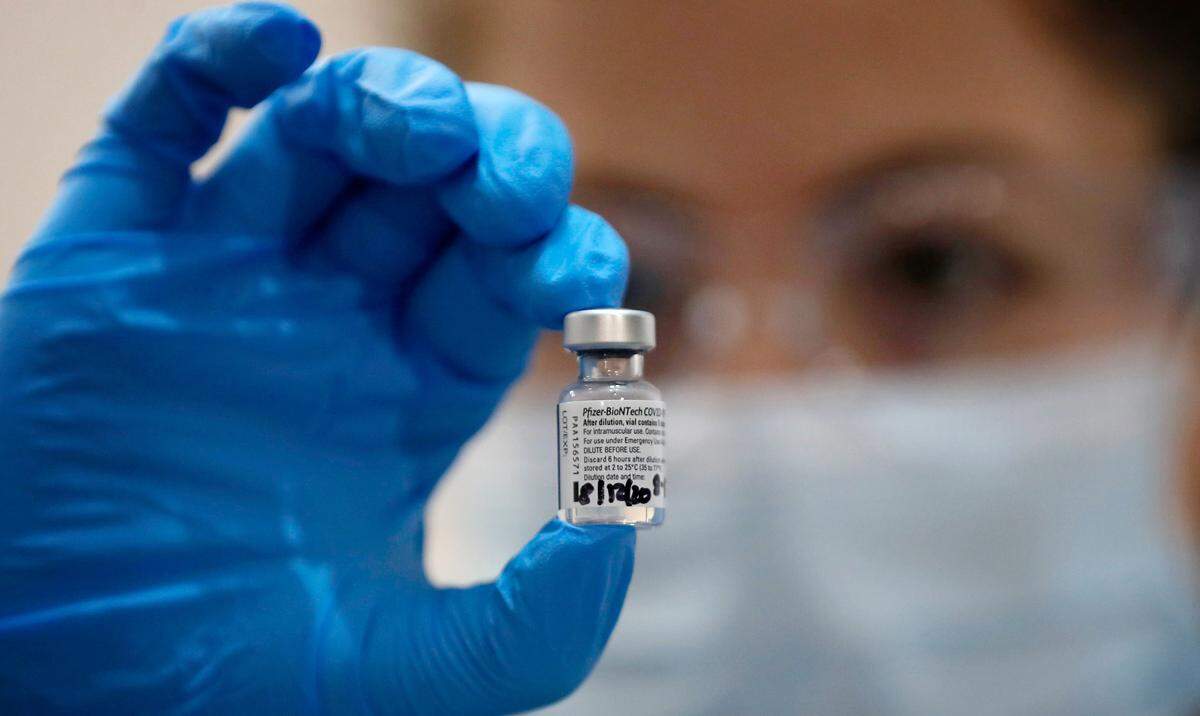
You can look up your spot in line using an online tool created by The New York Times in collaboration with the Surgo Foundation, an “action tank” with an office in Washington, D.C., and Ariadne Labs, a center for health systems innovation run by the Brigham and Women’s Hospital and Harvard T.H. Chan School of Public Health.
Is there a federal vaccine mandate?
No. But that could change in months or years to come.
What is the CDC’s Pharmacy Partnership for Long-Term Care Program?
The CDC has partnered with CVS and Walgreens to handle vaccinations at nursing homes and assisted living facilities. The national chains send teams of pharmacists to the centers, and states allocate a portion of their vaccine supplies to the initiative. South Carolina opted to use Moderna doses for the program.
When will COVID-19 herd immunity be reached?
Estimates vary. Some experts originally said 60% to 70% of the U.S. population needed to be inoculated against COVID-19 or protected by antibodies to achieve herd immunity.
Dr. Anthony S. Fauci, director of the National Institute of Allergy and Infectious Diseases, in late 2020 started to estimate that 80% or more of the population needs to be resistant to the coronavirus to achieve such immunity.
By most accounts, experts say the country is still nowhere close to reaching that percentage.
Herd immunity is best explained like this: Once enough people in a population are immune to a given virus, the chance that residents will run into someone who’s infected will drop so low that the outbreak sputters out.
The percentage that Fauci references can also be calculated for specific neighborhoods or individual communities.
For example, the herd immunity threshold for Bluffton might be different than St. Helena Island’s.
What is the Advisory Committee on Immunization Practices?
Otherwise known as ACIP, this independent panel of medical experts advises the CDC on whether to allow the use of various COVID-19 vaccines in the U.S. and recommends how officials should allocate doses during various distribution phases.
What is the Vaccine and Related Biological Products Advisory Committee?
This panel, which is also filled by independent experts on topics ranging from immunology to biostatistics, reviews data concerning the safety, effectiveness and use of vaccines and related biological products that the FDA has regulatory responsibility for.
The FDA has followed the VRBPAC’s lead when issuing emergency use authorizations for COVID-19 vaccines.
When can we stop wearing face masks in public?
S.C. public health experts say it’ll be months before residents can forgo safety measures like mask use and social distancing.
It’s still unclear if COVID-19 vaccines authorized in the U.S. as of Feb. 1 will entirely stop the coronavirus’ transmission. Efficacy data show that the shots block symptoms. But time will tell if residents inoculated against the coronavirus can still spread the pathogen to others.
“The vaccine will not protect about 5% of people who are vaccinated, for example people with immunocompromised or autoimmune conditions,” added Jane Kelly, DHEC’s assistant state epidemiologist, on Dec. 18. “They may have a lesser response to the vaccine. A return to normalcy is coming, but it’s still many months away.”
Are you protected from COVID-19 after receiving one Pfizer or Moderna dose instead of two?
Britain has opted to front-load its initial vaccine injections, delaying the second round of shots for both Pfizer’s vaccine and a vaccine developed by AstraZeneca and Oxford University, which hasn’t been authorized in the U.S.
The British government is trying to inoculate as many people as possible with a single dose.
The FDA, though, is strongly warning states not to take that route.
“The data in the firms’ submissions regarding the first dose is commonly being misinterpreted,” wrote two FDA leaders, including Commissioner Stephen M. Hahn, in a Jan. 4 statement.
In Phase 3 trials, 98% of participants in Pfizer’s trial and 92% of participants in Moderna’s trial received two doses at either a three- or four-week interval, the FDA officials wrote.
“Those participants who did not receive two vaccine doses at either a three-or four-week interval were generally only followed for a short period of time, such that we cannot conclude anything definitive about the depth or duration of protection after a single dose of vaccine from the single dose percentages reported by the companies,” the statement read.
Traxler, of DHEC, on Jan. 4 said South Carolina is planning to follow CDC recommendations and does not anticipate splitting doses “at this time.”
BEHIND THE STORY
MOREHow we covered this story
Facts about COVID-19 vaccine distribution in South Carolina are changing rapidly. The Island Packet and Beaufort Gazette are trying to publish important information as quickly and accurately as possible. This story may be updated if more information becomes available or if facts become clearer.