Beaufort Co. nursing homes ‘anxiously’ await COVID-19 vaccine. Are they ready?
An ambitious effort to vaccinate hundreds of residents and staff for COVID-19 in Beaufort County’s nursing homes and other long-term care facilities is set to begin within days, as officials scramble to protect older South Carolinians who are at a disproportionately high risk of serious coronavirus complications.
The novel pathogen has devastated Lowcountry nursing homes and similar facilities since the start of the pandemic, mirroring trends across the rest of the state.
Over 34% of Beaufort County’s COVID-19 deaths — 33 of 95 — have been confirmed among long-term care residents in 10 facilities this year, according to the S.C. Department of Health and Environmental Control. Residents in 18 facilities have accounted for roughly 2% of the county’s cases.
And with 182 active outbreaks at long-term care centers in South Carolina, DHEC is allocating almost half of its vaccine doses this month to a federal program tasked with inoculating nursing home residents and community residential care facility residents, including in Beaufort and Jasper counties.
Teams of pharmacists from CVS and Walgreens, through a Centers for Disease Control and Prevention initiative, are expected to enter U.S. nursing homes either Monday or Dec. 28 to administer a first round of shots, which are voluntary.
The stakes are high, as S.C. facilities face mounting challenges while gearing up for the mass vaccination campaign.
“Are we really ready for it?” asked Sheri Boyles, administrator of the Ridgeland Nursing Center, noting that vaccine hesitancy is already apparent among her employees.
Roughly 55% of the facility’s staff want to get inoculated, Boyles said on Tuesday. Others are still unsure.
That’s not unusual, experts say.
“There are some very real and understandable reasons for why some people do have vaccine hesitancy,” Dr. Brannon Traxler, DHEC’s interim director of public health, told reporters Friday. “You can look at the Tuskegee, you can look at Henrietta Lacks, and those events we definitely need to acknowledge. … They did lead to a lot of the safety processes in place now.”
Tricia Neuman, executive director of the Kaiser Family Foundation’s Program on Medicare Policy, added that staff at long-term care facilities are disproportionately people of color, women and lower-income workers.
“Communities of color have well-grounded concerns about being first up in the roll-out of a vaccine, and all of those questions have to be answered head on and honestly and directly, so that people do feel safe and comfortable,” Neuman said in an interview Friday.
Both Moderna and Pfizer’s vaccines were over 94% efficacious during late-stage trials. And the five people diagnosed with COVID-19 in Moderna’s vaccine group were white.
‘Anxiously awaiting news’
Here’s what we know so far about the CDC program in South Carolina:
Laura Renwick, a spokeswoman for DHEC, in a statement Wednesday wrote the state is planning to allocate more than 104,000 doses of Moderna’s vaccine to the long-term care program by year’s end.
DHEC is expecting a total of 200,000 to 300,000 doses of COVID-19 vaccines this month, including from Moderna, a biotech company whose vaccine was cleared for emergency use Friday.
Pfizer and BioNTech’s vaccine, meanwhile, is not being allocated to the CDC program. S.C. hospitals began to inoculate staff with Pfizer shots last week. The general public won’t have access to vaccines until sometime in 2021.
Renwick on Wednesday wrote that all of the state’s 193 skilled nursing facilities, or nursing homes, were enrolled in the federal initiative, and 98.9% of 489 DHEC-licensed community residential care facilities, or assisted living facilities, were also in the program.
DHEC isn’t naming specific vaccine sites, Renwick wrote, citing security concerns.
CVS and Walgreens are handling most of the initial long-term care vaccinations, although facilities can opt to work with another pharmacy, according to the federal government.
When announcing the program in October, the U.S. Department of Health and Human Services said no Americans “being vaccinated for COVID-19 will have to pay out-of-pocket.”
A Walgreens spokeswoman in a statement Tuesday wrote that the pharmacy giant would not release state-specific details about its distribution plan. Walgreens will provide vaccines at over 35,000 nursing homes and assisted living facilities across the country beginning as soon as Monday, according to the company.
CVS spokespeople did not respond to emails seeking comment for this story. The CDC did not respond to a phone message or emails seeking comment for this story.
“The CDC, CVS and Walgreens will coordinate and administer doses to these facilities and determine the order,” Renwick wrote.
Federal officials say the Moderna inoculations will likely begin Dec. 28. Clinics using Pfizer’s vaccine will start earlier.
Several administrators at long-term care facilities in Beaufort and Jasper counties told The Island Packet and Beaufort Gazette last week that the pharmacy chains had not informed them of a set date for vaccinations.
“We are anxiously awaiting news,” said Sandra Ferguson, administrator at Beaufort Nursing and Rehab, which was hit with a COVID-19 outbreak this past summer.
Stephen White, director of immunizations at DHEC, told reporters Friday that the state expects many long-term care residents and staff to be vaccinated over the course of three to six weeks.
‘Mixed signals’
Neuman, of the Kaiser Family Foundation, said it’s crucial that nursing home residents get vaccinated during the nation’s winter surge of COVID-19 cases.
But there are several logistical issues in the program’s roll-out, she said, including vaccine hesitancy among staff and readiness at the local level.
Those challenges were reflected in interviews with long-term care officials in Beaufort and Jasper counties, who said Tuesday they didn’t know when doses would arrive.
Ferguson, of Beaufort Nursing and Rehab, which temporarily shut down visitation earlier last week due to a staff COVID-19 case, said her facility recently called residents’ families to gauge whether they wanted to sign a consent form allowing their relatives, such as those with dementia, to get vaccinated.
No paperwork has been finalized, Ferguson said, but added that almost 100% of residents are expected to get inoculated by CVS pharmacists.
Beaufort Nursing and Rehab was caring for 144 residents on Tuesday and is licensed for 170 beds, state records show. The facility has reported 63 coronavirus infections and nine deaths among residents this year, DHEC data show, making it one of the area’s largest long-term care outbreaks.
“The issue of consent has turned out to be more time consuming and complicated than some have anticipated,” Neuman said.
At three Bloom Senior Living facilities in Bluffton and Hilton Head Island, meanwhile, the director of education and development, Melissa Campbell, is organizing a campaign to provide residents and staff with vaccine information.
The Bloom facilities as of Tuesday hadn’t polled residents or employees on vaccine opinions. Bloom is enrolled in the CDC program and is using CVS for distribution.
“It can be challenging,” said Campbell, who’s preparing a PowerPoint for employees about the initiative and plans to get vaccinated while on video.
“I wouldn’t ask somebody to do something that I’m not going to do myself,” she said. “I hope there’s a lot of participation.”
The Bloom facilities have reported less than 10 COVID-19 cases and zero deaths among residents in total this year, DHEC data show.
Boyles, of the Ridgeland Nursing Center in Jasper County, which has recorded 20 resident cases and five resident deaths since April, is also navigating the CDC program.
The facility is sending residents’ families a consent form to ask if they want their relative to be vaccinated, she said. Families can also drop by the building to fill out a form in person. The center was caring for 55 residents on Tuesday and is licensed for 88 beds, DHEC records show.
“We’re getting mixed signals,” Boyles said of people’s interest in vaccines. The employee survey, for example, found that as of Tuesday, only about 55% of staff wanted to get inoculated.
Some employees are still weighing the decision, Boyles said. A few had family doctors tell them not to get vaccinated, due to other medical conditions. The center has 75 active employees.
“There are many checks and balances on these products,” Traxler, of DHEC, stressed on Friday. “These vaccines have gone through all of these rigorous steps. … No corners have been cut.”
There’s also some confusion about how vaccine distribution will work down the line.
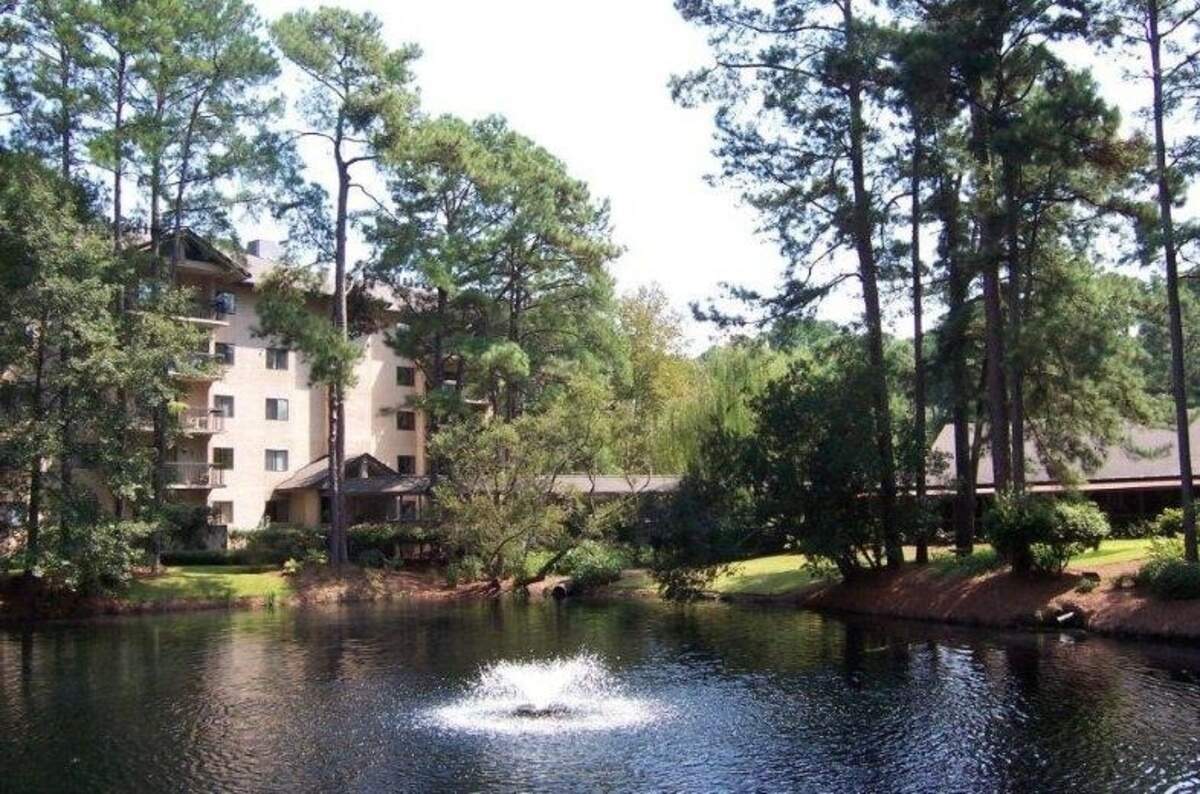
Rob Lee, executive director at The Seabrook of Hilton Head, which has over 200 independent living residents and 33 skilled nursing beds on the community’s property, added that his facility enrolled in the CDC’s program and opted to use Burke’s Main Street Pharmacy as its vaccine provider, having worked together before.
But while it’s clear that skilled nursing residents will be prioritized during the initial federal distribution, Lee said he doesn’t know when independent living residents will have the option of getting vaccinated.
They’ve been asking Seabrook for details, he said.
“There hasn’t been any clear guidance from CDC,” Lee said.
This story was originally published December 20, 2020 at 7:00 AM.