Was Hilton Head tourism a boom or a bust due to the pandemic? What the numbers show
On Hilton Head Island, summer tourism is the lifeblood.
It prompts employees and businesses to specialize in extra touches. The servers, shop owners and boat captains of the island know their guests — from their myriad food allergies to the inlets where they got lucky fishing last summer — and they cater to them to keep them coming back.
Certainly, Hilton Head has a wow factor. A child’s mouth, ringed with chocolate ice cream, is agape as she sees a dolphin breach for the first time. A sunburned couple celebrating their 50th anniversary delights to discover they can zipline high above Hilton Head’s pine trees.
No matter how much the town government talks about the tourists as a monolith, or locals complain about the cars with out-of-state license plates jamming the bridges, Hilton Head needs its normal infusion of visitors each summer to get by.
And summer 2020 never had a chance of being normal.
The coronavirus pandemic brought tourism on Hilton Head to a screeching halt in spring as restaurants and shops closed for weeks. In that time, restaurant kitchens pivoted to make meals for employees instead of families from Ohio. Residents bought gift cards from local spots to keep them afloat instead of nursing beers at their bars and heckling the bartender about college football.
But still, it took a toll. The total estimated economic impact loss from March 8 to July 11 was $310 million in Beaufort County, according to the Office of Tourism Analysis at College of Charleston.
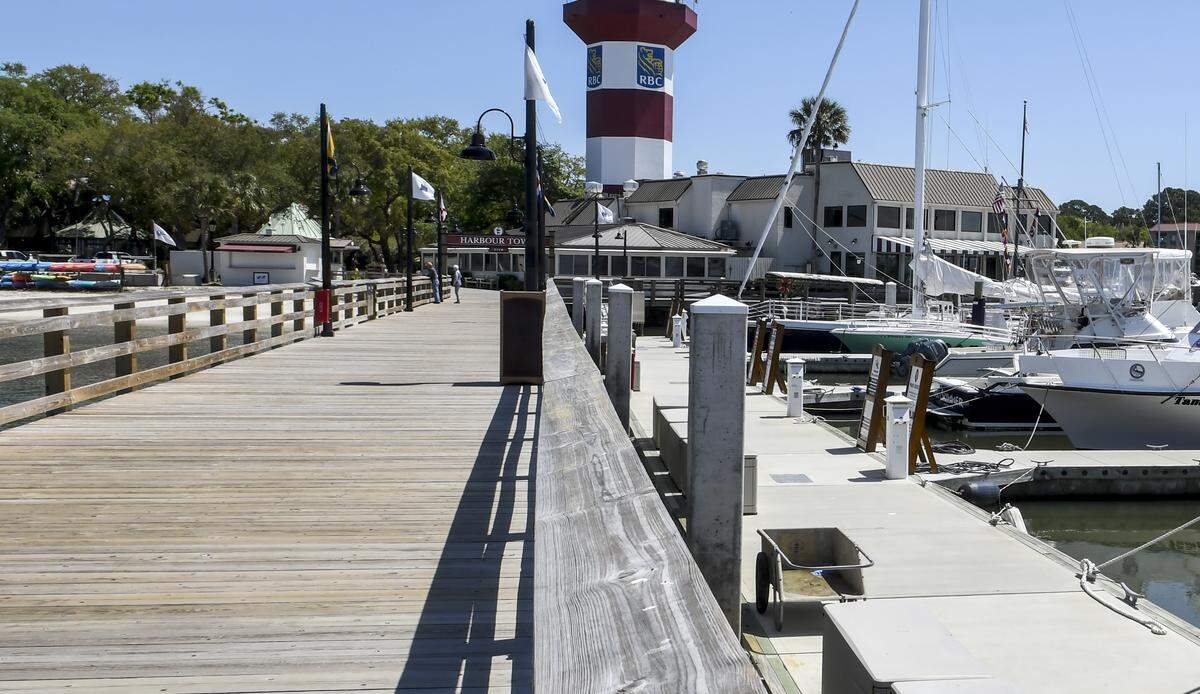
Then, things started to open again in early May.
With caution, the regulars returned to their spots on the beach and favorite corner booths. Tourists trickled back. The island dealt with “bad beach behavior” over Memorial Day, when people parked illegally and left behind 1,600 bags of trash, but had mostly ironed out the kinks for July 4th.
Throughout the summer, Hilton Head fared better than other parts of the country. Its wide open spaces and opportunities for outdoors exploration may have saved it from the desolation bigger cities and concert amphitheaters face on the tourism front.
But Hilton Head’s tourism scene and its lifeblood may be forever changed. Visitors want not just a room but an entire house to themselves and outdoor seating when they go out to eat. Those behavioral changes created new business opportunities for some island companies but left a gaping hole in others.
Here’s how the summer went, from the people who know the island and its tourists better than anyone:
Where they stayed: Short-term rentals
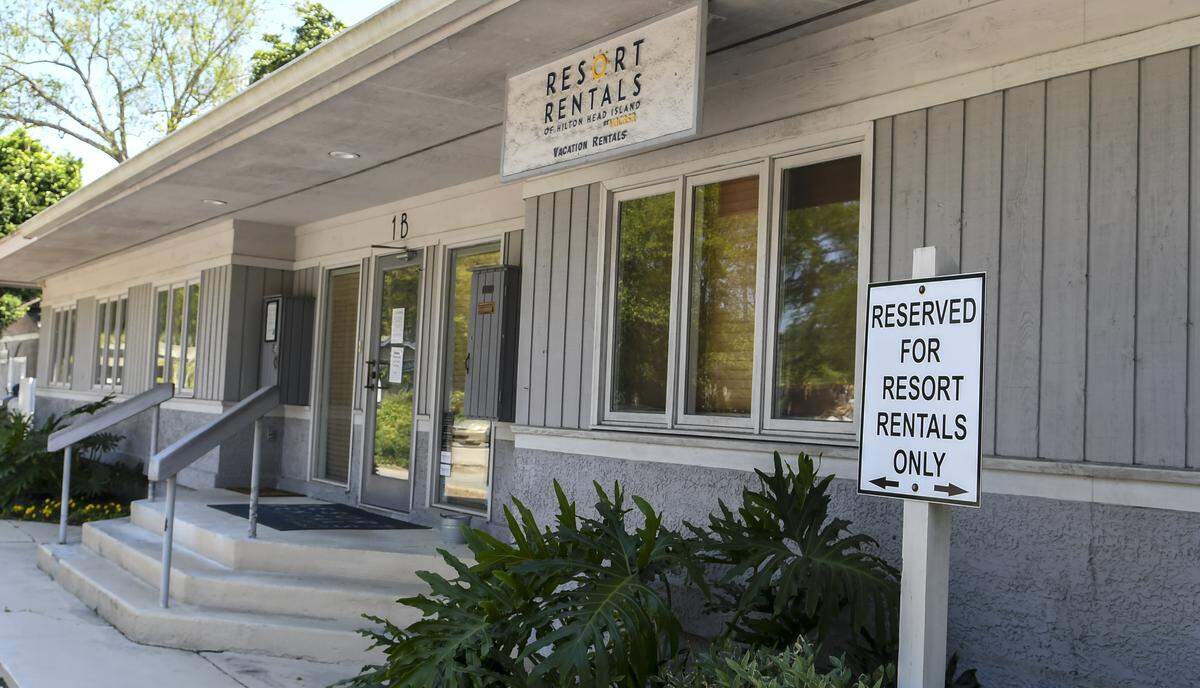
Rentals on Hilton Head consistently fared better than hotels and even rentals in other parts of the state. S.C. Parks, Recreation and Tourism Director Duane Parrish kept tabs on occupancy rates — the ratio of rented units to the total amount of available units — in both sectors.
In June, Parrish said short-term rentals on Hilton Head were at 75% capacity, compared to 69% occupancy statewide. Interestingly, the state’s June occupancy rate was the same in 2020 as it was in 2019.
The island may have felt that. Although Memorial Day was busy on the island, an increase in COVID-19 cases two weeks after the holiday slowed things down. Several restaurants closed in late June to test employees or, according to social media posts, to keep employees safe.
In normal years, about 85% of rental company Seashore Vacations’ 150 units on the island are full from mid-June until mid-August, owner Buddy Konecny told The Island Packet in May. Konecny said the company’s occupancy rate was around 66% from late May until the 4th of July, when it got just as busy as usual.
In July, occupancy changed drastically on Hilton Head.
While South Carolina’s short-term rentals were about 72% booked for the month, the occupancy rate on Hilton Head was 90.1%, according to Hilton Head Island-Bluffton Chamber of Commerce President and CEO Bill Miles. Both rates were about the same as in July 2019.
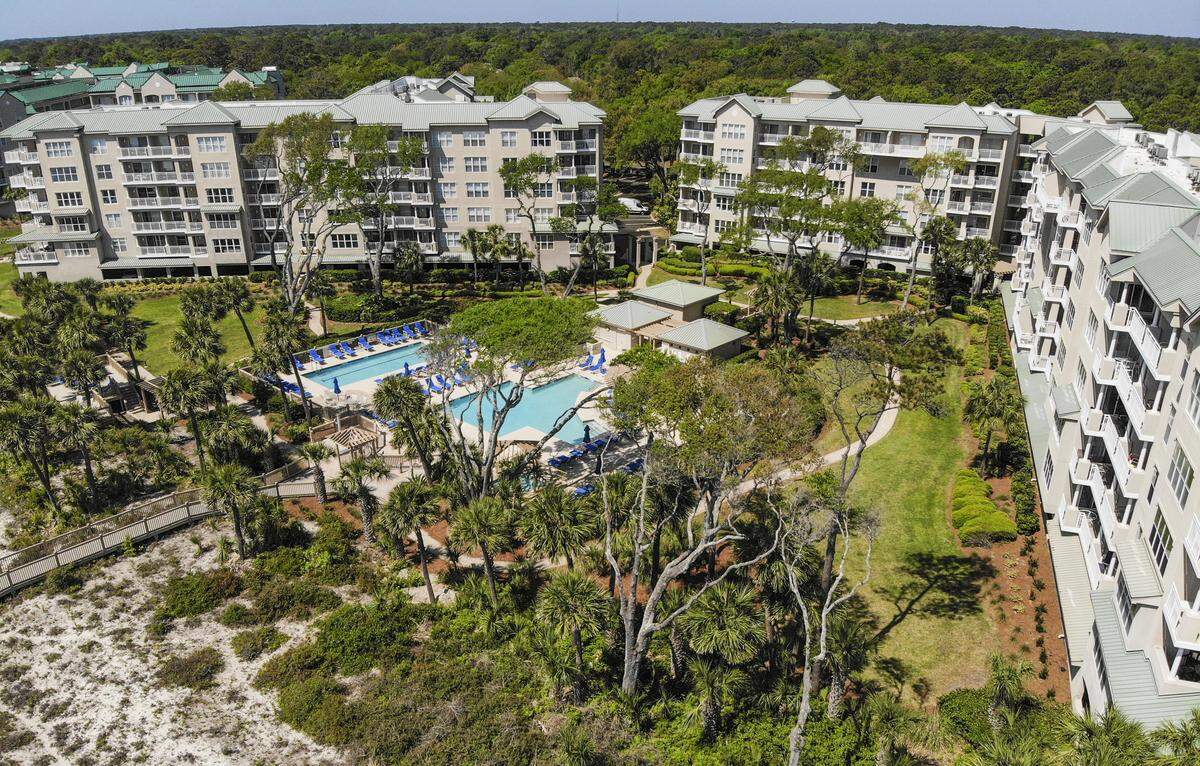
July’s occupancy rate for island rentals through services such as Airbnb and VRBO was 22% above than the national average. Airbnb listed Hilton Head as one of its top destinations for Labor Day weekend.
Hilton Head’s hotels also had higher occupancy than hotels in other parts of South Carolina, but were off around 30% from last summer. On Labor Day weekend, The Marriott Hilton Head Resort & Spa, the Westin Hilton Head Island Resort & Spa and the Omni Hilton Head Oceanfront Resort were all sold out for Saturday arrivals.
What they did: Bike and boat
When visitors came to Hilton Head this summer, they were focused on being outside.
All of the town’s beach access points opened in early May, and people flocked to the ocean to escape the walls closing in at home.
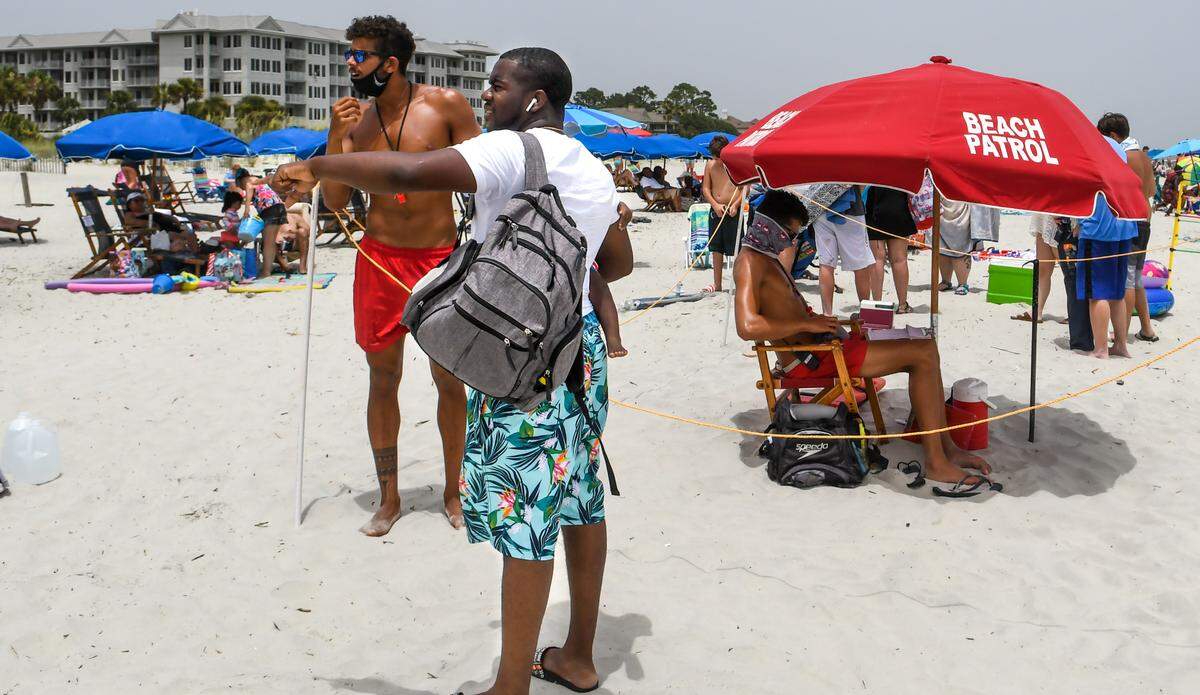
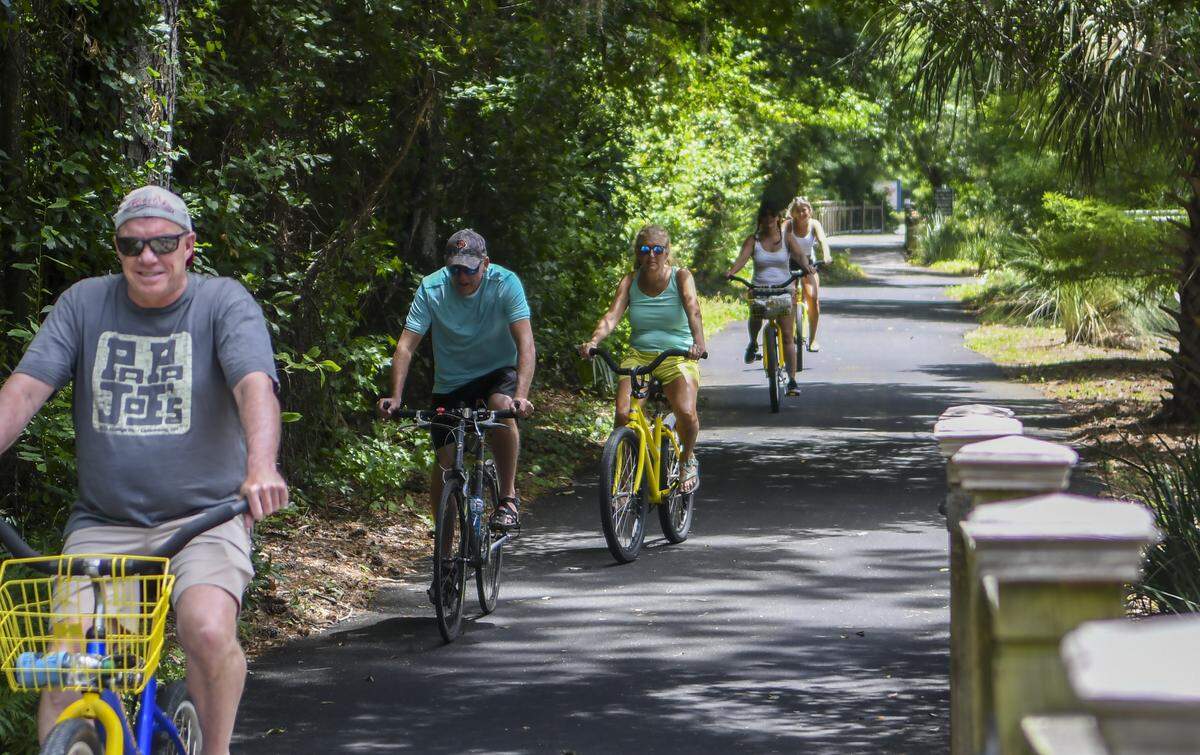
But they didn’t just sit on the beach. Bike and watercraft rental companies reported a strong summer in which people focused on staying active and social distancing.
“Outdoor recreation on Hilton Head really became a solace for people to get an escape safely,” Outside Brands owner Mike Overton said.
His company, which rents kayaks, stand-up paddleboards and boats at Shelter Cove Marina, had a “remarkable” summer, he said. Although COVID-19 precautions changed how the company did business, Overton said his staff was busy all summer long.
On the south end, Gustavo Maldonado at Pedals said the bike rental spot was twice as busy this summer as in previous years.
Last year, they counted on renting out around 2,000 bikes each week, Maldonado said. This summer, the company regularly rented between 3,500 and 4,000 per week.
“I really don’t know why,” he said. “But people wanted to get outside, and summer started early for high school kids.”
The bike rental company, which typically needs around 10 people to work each shift, regularly staffed between 20 and 25 per shift this summer, Maldonado said.
What they didn’t do: Eat inside
Hilton Head also experienced the flip side.
Restaurants were closed by S.C. Gov. Henry McMaster for six weeks. When restaurants reopened for outdoor seating on May 4, some owners of island eateries chose to remain closed. Others spread tables into otherwise empty outdoor spaces and hoped for the best.
At Hudson’s Seafood on the Docks, owner Andrew Carmines said about 150 people came for lunch the first day the restaurant reopened.
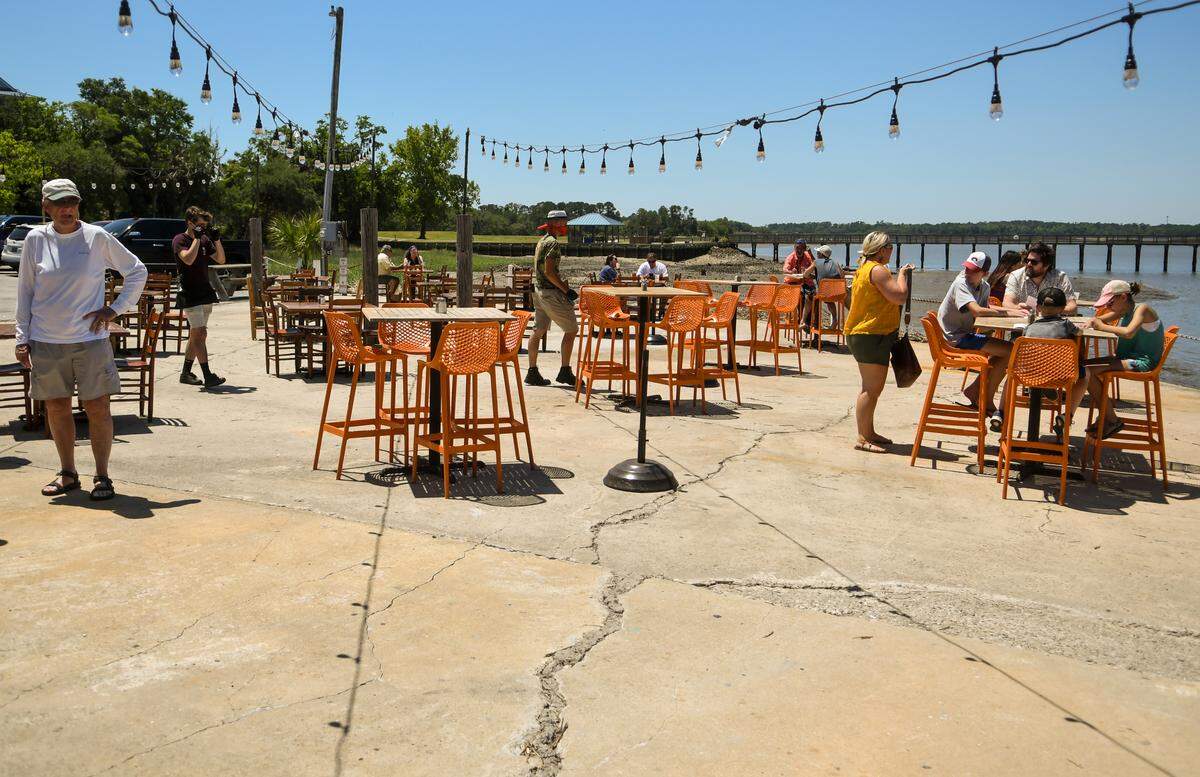
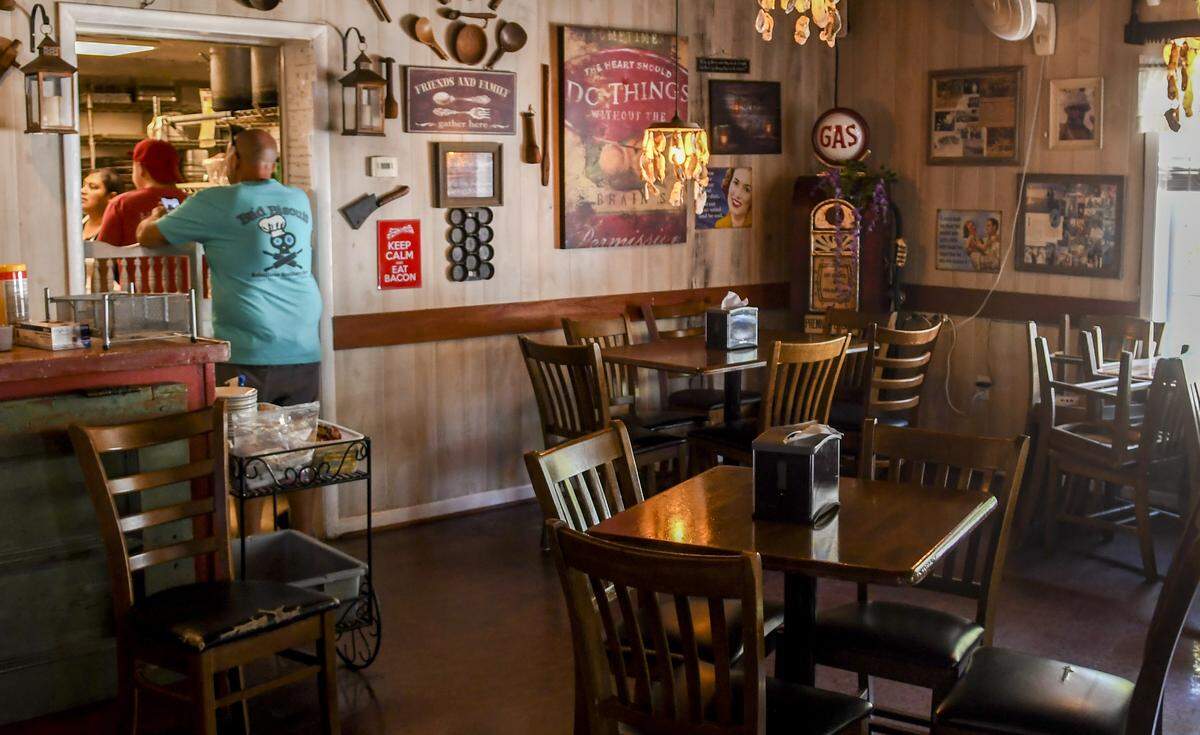
The following week, restaurants were allowed to reopen for indoor seating if they followed more restrictions, though many restaurants served more guests outside than indoors throughout the summer.
But the closure and continued threat of COVID-19 was too much for some establishments. Chain restaurants Bonefish Grill and Carrabba’s closed permanently in June.
Other restaurants announced temporary closures and kept locals and visitors informed on social media.
Main Street Cafe, Lucky Rooster Kitchen and Bar, Mixx on Main, Tio’s Latin American Kitchen, Cool Cats Lounge, DryDock Seafood and Spirits and Fat Baby’s Pizza and Subs closed for various reasons related to the increasing coronavirus cases on Hilton Head and the safety of customers and employees.
Another major milestone changed vacationing and working on Hilton Head: A town-wide mask ordinance.
Island leaders passed the first town mask requirement for commercial businesses on June 29, and it went into effect just before the July 4th weekend.
That made some tourists more comfortable with visiting the island, and stopped some criticism residents were hurling at town leaders after several other South Carolina municipalities enacted their own requirements.
“We’ve just been in masks for the last three months,” Danielle Della Pella told The Island Packet as she stood next to her three children, all in masks at Shelter Cove Marina the week of July 4th. “I think yes, it gives us a sense of comfort.”
How they got here: Car trips and private planes
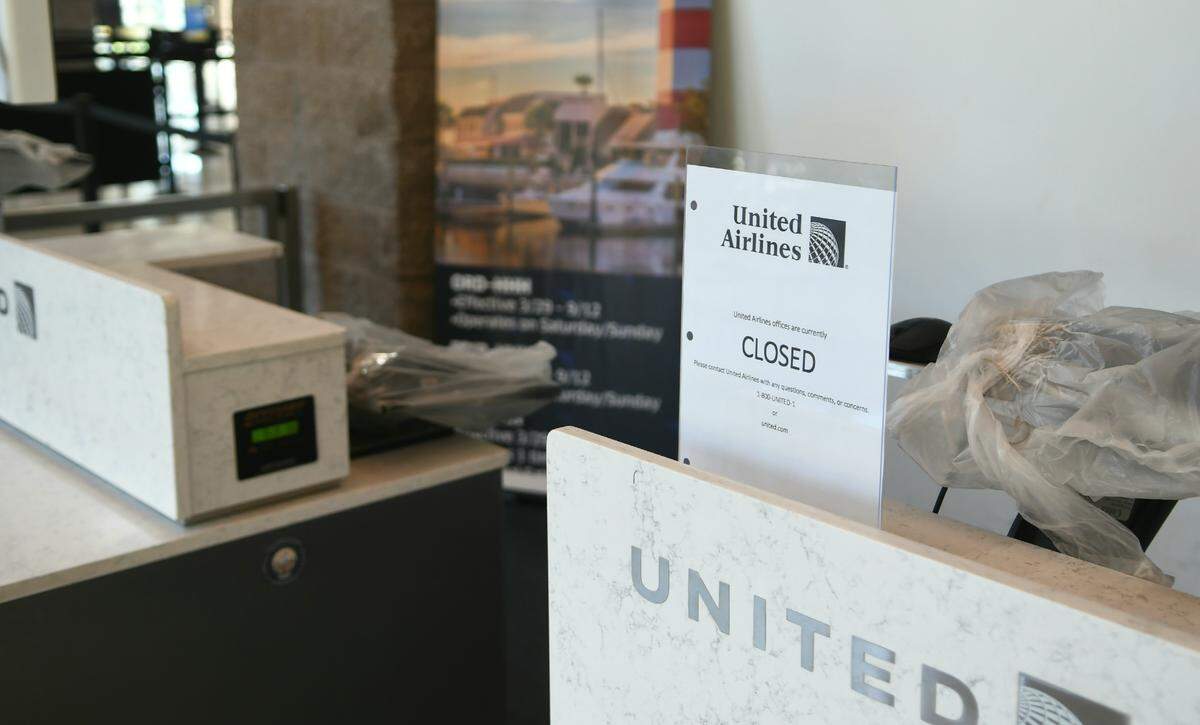
Although air travel essentially shut down in spring, it started to rebound in summer.
Beaufort County Airports Director Jon Rembold measured traffic at the Hilton Head Island Airport by percentage of usual traffic from recent years. In April and May, that percentage of travelers hovered around 5% as planes landed with fewer than five people on them.
But things changed in June. The airport had 35% of its normal traffic in June and 51% of that typical traffic in July.
He called those numbers “really strong,” in comparison to other airports, some of which are still consistently reporting between 25% and 35% of normal traffic.
But there’s another group of people flying into Hilton Head: Visitors on private or charter planes. Rembold said private air traffic to the airport has stayed strong all summer.
“There’s some pent-up demand, and some folks who had the means to fly private or charter still came to the island,” Rembold said. Some private flyers may have been considering international trips but then settled on a beach vacation closer to home, he said.
The island’s bridges, once nearly empty in April, also returned to a near-typical roar this summer.
The S.C. Department of Transportation records the number of vehicles that cross Hilton Head Island’s bridges each day.
In April, the daily number of cars was hovering under 50,000 — a far cry from the Easter and RBC Heritage traffic that usually comes in spring.
On May 14, the traffic hit 50,000 cars for the first time in two months. Since then, the traffic counts have dipped below 50,000 only 19 times in 113 days.
The peak traffic days this summer were May 22, June 20, July 2, July 10, July 24, and Aug. 1: All Thursdays, Fridays and Saturdays.
This summer didn’t bring its automatic Saturday traffic jams, although minor crashes on the U.S. 278 bridges did snarl traffic on the weekends.
What should we expect this fall?
Although everyone in the tourism industry has hopes for the coming months, no one knows what to expect from the coronavirus.
The airport’s Rembold says he’s hesitant to have expectations for even next week.
But the Chamber of Commerce has some ideas about what will help Hilton Head keep its economy humming as the weather turns cooler.
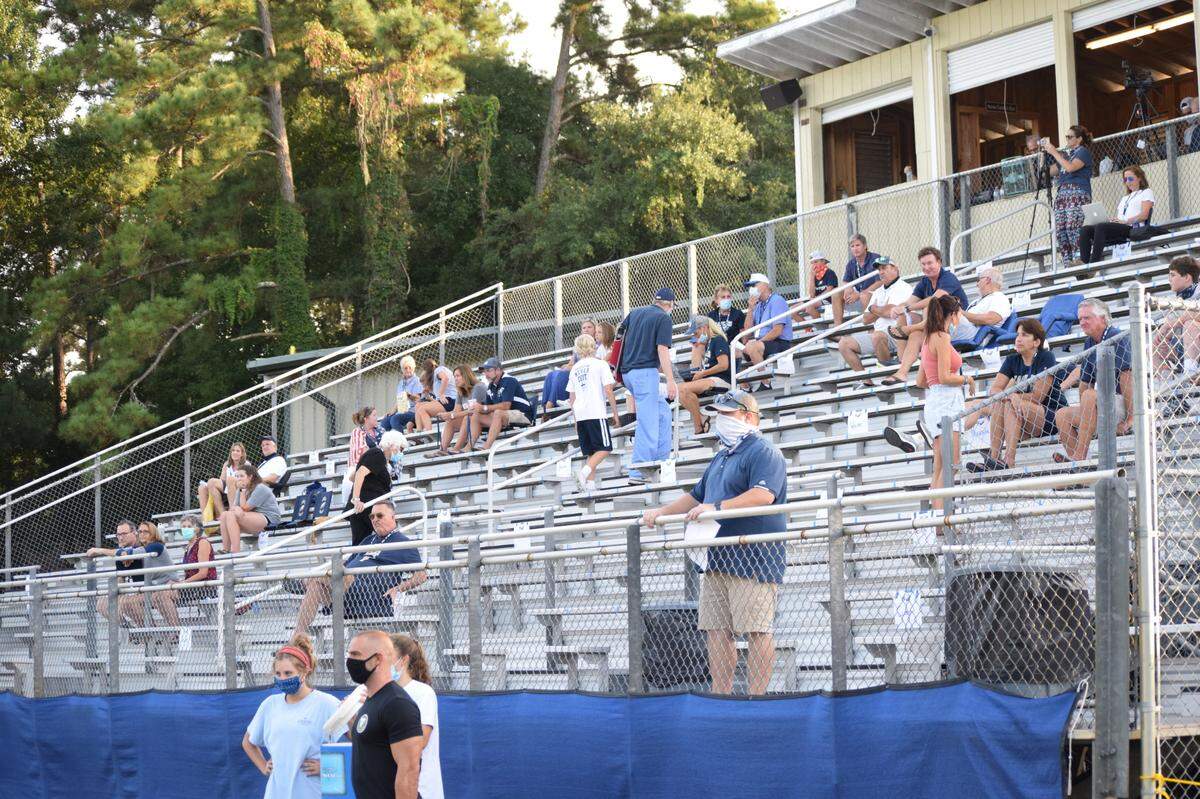
Things that could work in Hilton Head’s favor, according to Chamber Vice President of Communications, Charlie Clark:
- Remote work and school will create potential vacation opportunities for families who wouldn’t normally travel in the fall.
- Last-minute bookings are happening due to the uncertainty of travel during COVID-19.
- Low-density areas are on the rise. Travelers are looking for coastal destinations like Hilton Head Island. Our wide-open spaces and expanse of beaches are a plus for us in attracting travelers.
- College football having limited attendance may spark more interest in fall weekend travel.
What works against Hilton Head:
- Pandemic uncertainty means the island should expect new changes each week.
- Group travel has tanked. Corporate travel is unlikely to make a comeback until 2021.
- As we move into peak hurricane season, the threat of a storm can send reservations plummeting.
- Cancellation of fall and spring festivals like Concours d’Elegance means fewer people will drive to the island for weekend trips.