What will tourism on Hilton Head look like this summer? Here’s what experts say
As Hilton Head Island beaches reopen and pandemic-related restrictions begin to evaporate, the island’s residents and longtime visitors are asking what the first summer of tourism amid coronavirus will look like.
Fortunately, there are some clues.
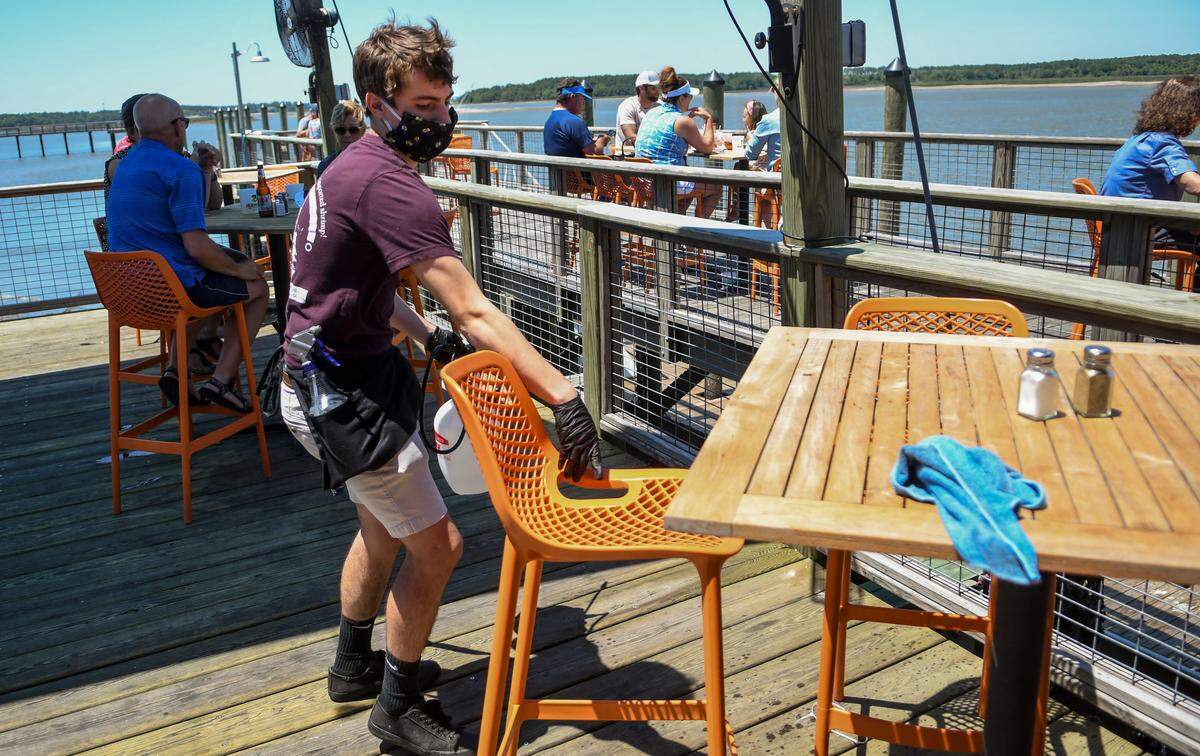
Hotel occupancy on the island is creeping back up, according to the Hilton Head Island-Bluffton Chamber of Commerce. Short-term rental companies’ phones are abuzz with reservations again instead of cancellations. Beaches are beginning to reopen to the public, not just residents. Restaurants are hosting diners inside and outside again.
“Do I think it’s going to be like last year’s summer? No I don’t think so,” rental company owner Buddy Konecny said. “But I think we’re going to have a really good Memorial Day.”
Traffic patterns may point that way. On Thursday, more than 50,000 cars went over the Hilton Head Island bridges for the first time since March 17, according to S.C. Department of Transportation data.
But what some call “getting back to normal,” others call “heading for a second spike.”
And as visitors to the island weigh whether to come or stay home this summer, there’s no doubt that Hilton Head Island will forever be altered by the coronavirus pandemic.
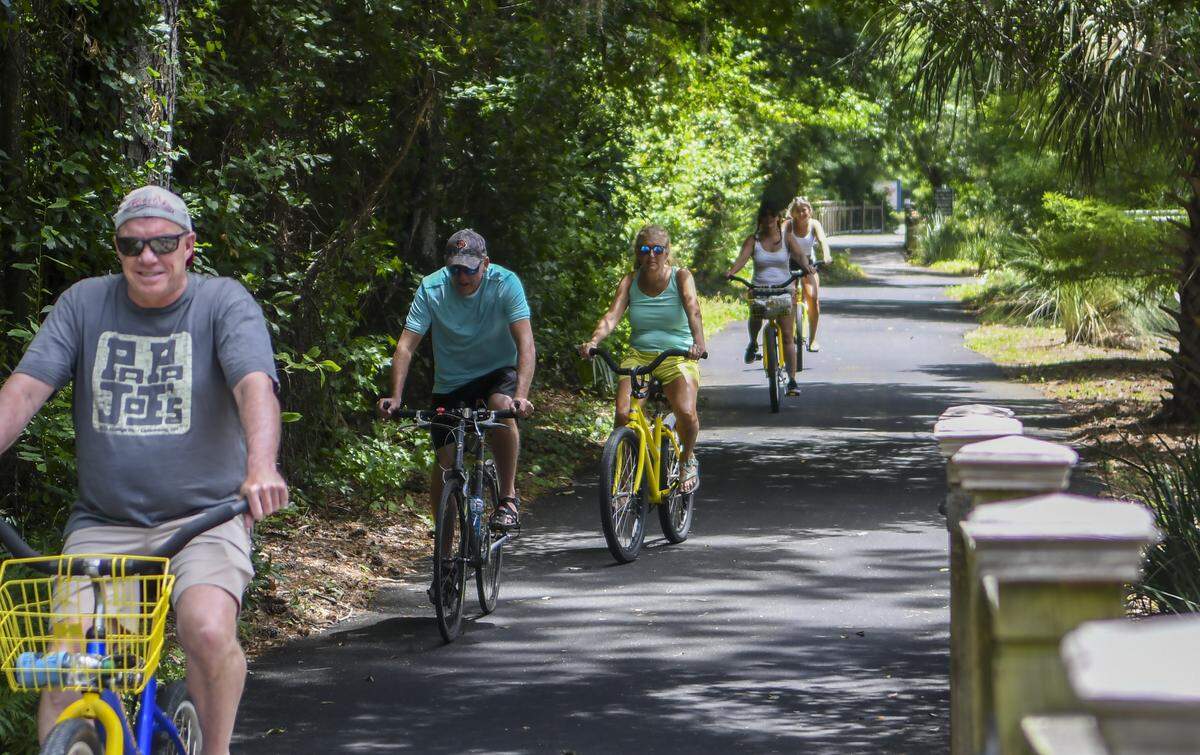
‘Reservations coming in’ for summertime
Perhaps the clearest picture of what’s on the horizon comes from the hotel and short-term rental occupancy rate.
In normal years, about 85% of Seashore Vacations’ 150 units on the island are full from mid-June until mid-August, owner Buddy Konecny told The Island Packet Thursday. Other short term rental companies report that their owners can count on 80% to 90% occupancy throughout the summer season.
Based on reservations made in the past two weeks, Konecny said he’s expecting his company’s occupancy rate to be around 66% until the 4th of July, which he expects “to be as busy as others.”
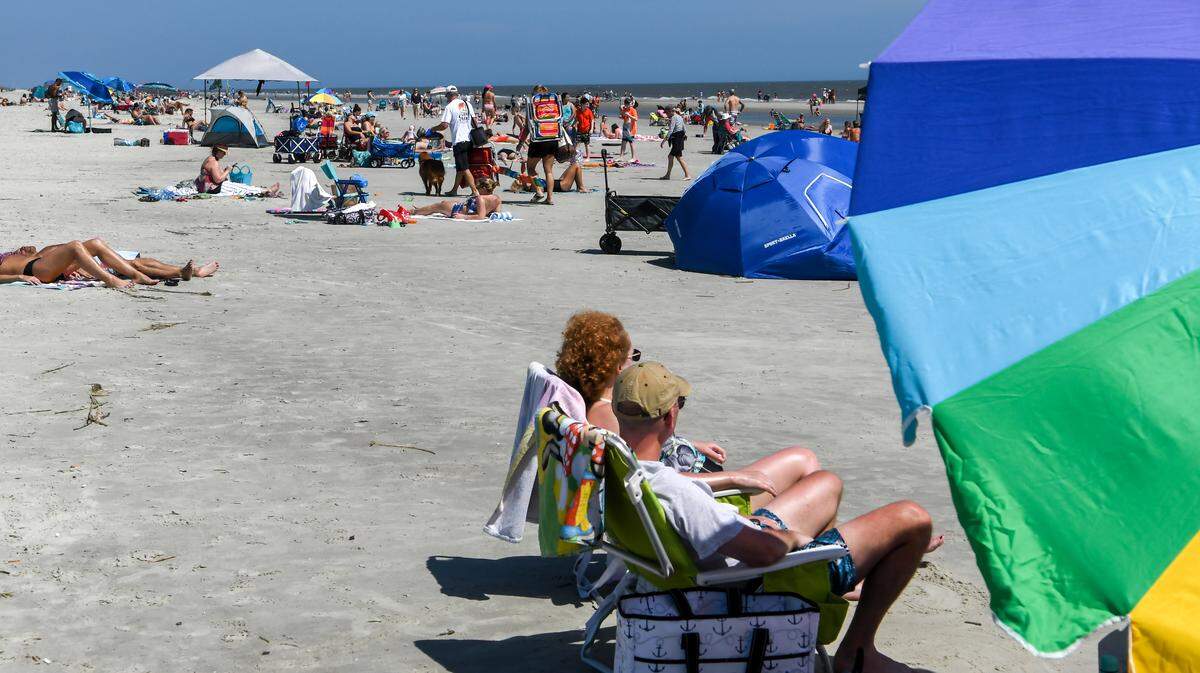
Some companies have also seen a 180-degree flip in visitors’ behavior.
“It was like hitting a switch on Friday, May 1,” Stacey Charlton, of Sunset Rentals, told The Island Packet. “On May 1, all of a sudden the phones started ringing, and we got more reservations coming in.”
Charlton said the wave of calls was completely unexpected after weeks of cancellations.
Callers were reserving vacations as soon as Memorial Day and as late as July, he said. Being able to offer someone a weekend in June in the middle of May would have been unheard of at this time last year.
By May, Hilton Head rentals are typically booked solid through at least the end of July.
As tourists’ home states begin to lift restrictions, rental companies on Hilton Head are hoping they are quick to hit the road toward Hilton Head.
In a letter in which he requested $470,000 for coronavirus recovery marketing, Bill Miles, Hilton Head Island-Bluffton Chamber of Commerce president and CEO, cited data that shows 58% of travelers will change their travel plans in the next six months.
He said 30% of that group will change their trip so they can drive to their destination instead of fly.
That means new guests from closer by, according to hoteliers, who are starting to see a slow comeback but are hesitant to try to predict the future.
Occupancy from May 3 to May 9 was at just 24%, according to chamber spokesperson Charlie Clark. That’s a far cry from this time last year, when hotel occupancy was around 91%.
Asked about the chamber’s expectations for the summer, Clark said it’s nearly impossible to say.
“Today’s outlook is different from where we were two weeks ago, or even the last 48 hours,” she said in an emailed statement.
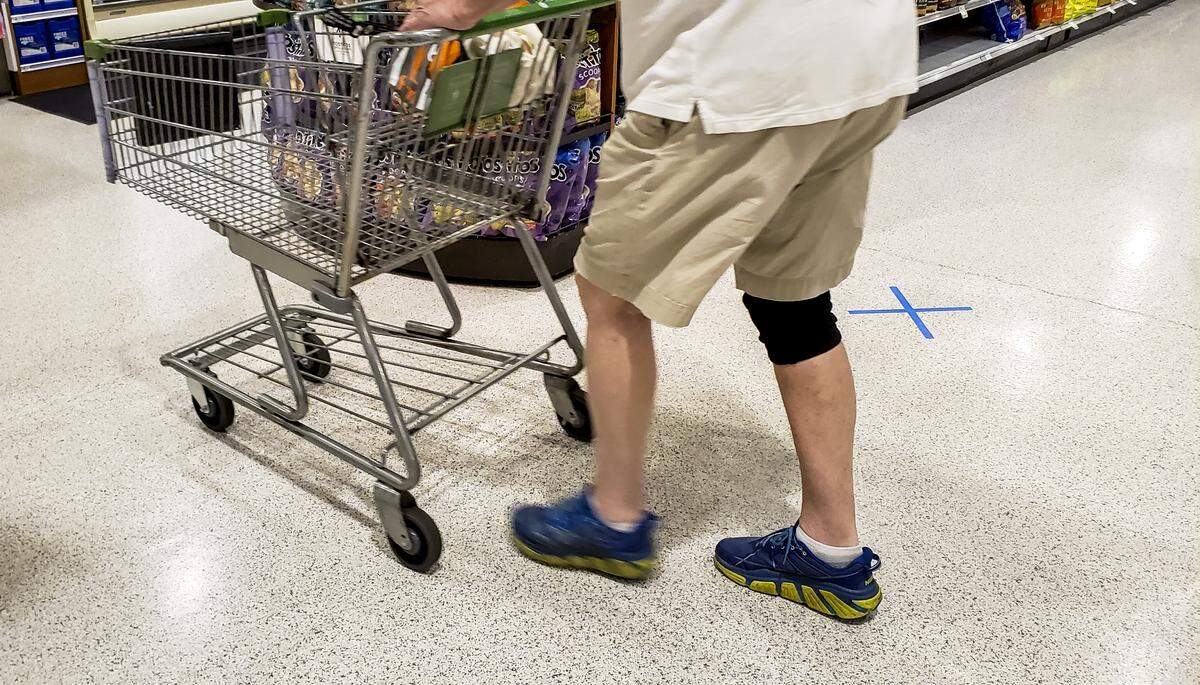
How will grocery stores manage tourists shopping?
Just after grocery stores on the island adjusted to deal with pandemic shopping, they’ll likely have to adapt again to handle visitors come summertime.
The Shelter Cove Kroger, a favorite among visitors staying in Palmetto Dunes, is known to residents as a place to avoid on Saturdays, or “change-over day” for weeklong rentals.
While the store typically opens all register lanes on Saturdays to crowds lining up in the aisles, Kroger is starting to plan for a summer where crowds and social distancing will have to live in harmony.
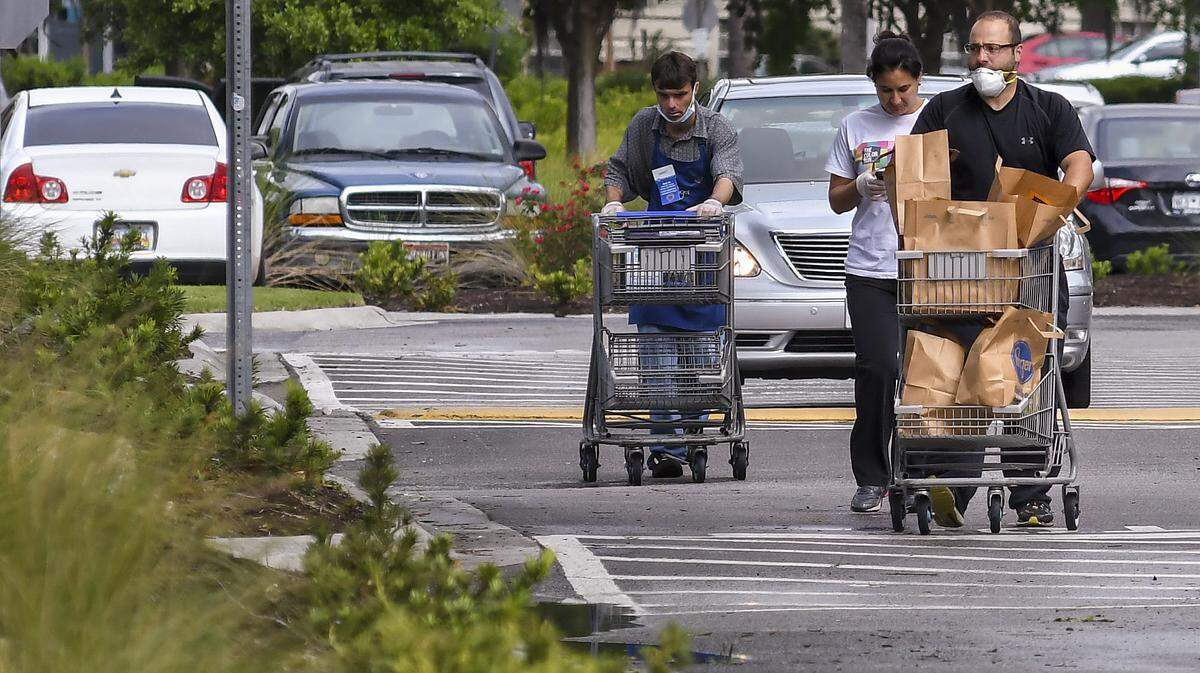
The store will limit the number of customers to 50% of posted capacity, so visitors may have to stay in cars on big shopping days this summer, Felix Turner, manager of corporate affairs for Kroger’s Atlanta Division, told The Island Packet in an emailed statement.
Kroger will continue to run grocery delivery and curbside pick-up through the summer, he said.
But the pandemic is likely to still be hurting visitors’ abilities to stock up on staples for rental homes, such as toilet paper, paper towels, and disposable cleaning wipes.
“Limits on the purchase of certain products such as toilet paper will be based upon supply. However, we do not foresee lifting the limits at this time,” he said.
Will summer 2020 have less traffic?
Even during a pandemic, drivers are still unlikely to make it from the Bluffton Walmart to the Sea Pines Circle in under an hour on a Saturday.
But there are some indications of less concentrated traffic this summer.
Konecny, who owns Seashore Vacations, said about one-third of his company’s rental units have changed policies to allow stays of under one week. This means more families will be filtering in and out of Hilton Head Island on days other than Saturdays.
For those hurt financially by the pandemic, that may mean the ability to come to the island for a shorter trip instead of not at all. Rental property owners are interested in any type of recovery.
“If you lost four to five weeks of rental and this whole period is open, why not open it up for a shorter stay? That also takes some pressure off of Saturdays,” he said.
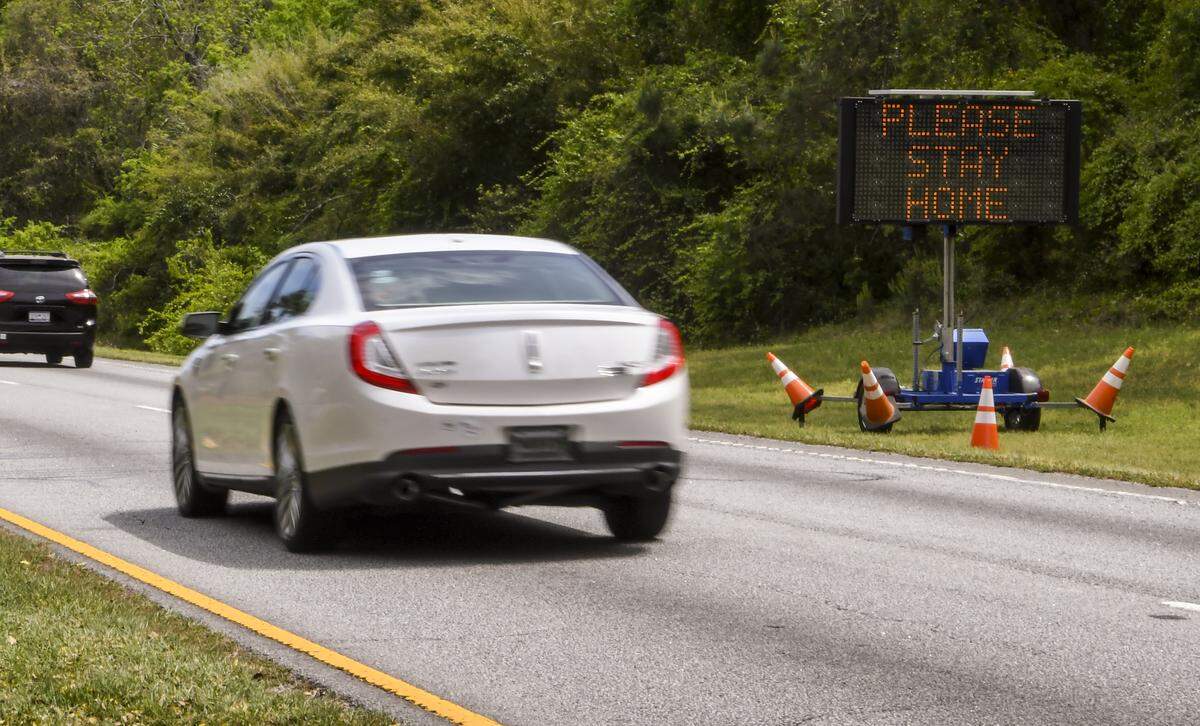
The change in traffic will come during a record-shattering year for fewest number of cars crossing the Hilton Head bridge.
Between fewer tourists and more restaurant closures, this spring has been the polar opposite of 2019’s Easter and RBC Heritage traffic patterns, where people who work on the island and those trying to get there were all heading east on U.S. 278.
Between mid-March and Mid-May last year, the number of cars crossing the bridges dipped below 50,000 only seven times.
But Thursday was the bridges’ busiest traffic day in months. On that day, 50,476 total vehicles crossed the bridges.
The drop in the number of vehicles crossing the bridges on peak days has put a kink in historical traffic patterns, which were showing only upward trends from 2015 until March.
Will tourism cause a second spike?
While some are excited to get the island’s economy started again, others see the approaching uptick in tourism as warning.
In one letter to the editor of The Island Packet, Hilton Head resident David Else wrote that “a sloppy re-opening of businesses” may lead to a second spike of virus cases that eliminates Hilton Head’s tourism prospects for much longer than one summer.
But lessons from nearby beach towns show that a spike in cases may be even more difficult to track.
In Myrtle Beach, hotels reopened May 1, and beaches invited many visitors — leading locals to worry about a second spike. Two weeks later, Lior Rennert, an assistant professor and biostatistics expert at Clemson University, told Myrtle Beach’s Sun News that a spike would be hard to see, since the area’s reopenings happened before there was a clear decline in cases.
While Beaufort County’s cases have dropped from over 30 per day to single digits, Facebook threads and letters to the editor of The Island Packet are filled with residents who have sworn off dining out or hitting the beach to sunbathe until clear signs that the virus is waning.
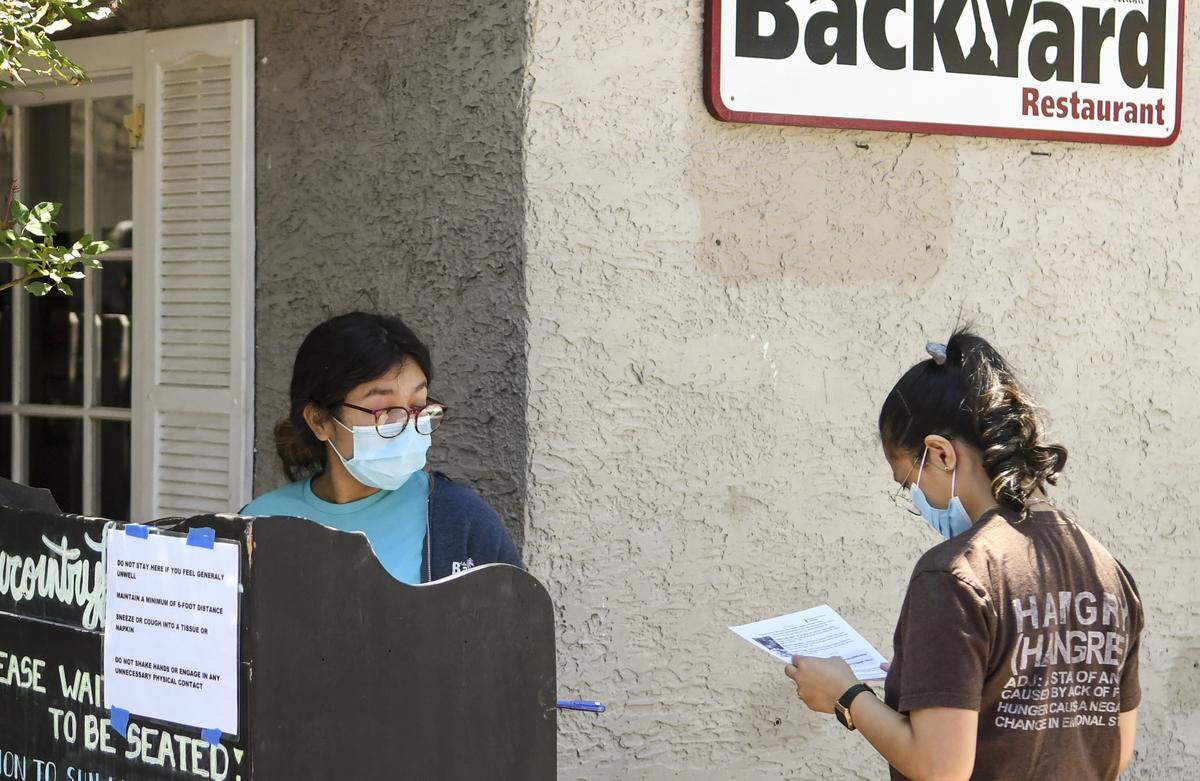
Even as states like South Carolina begin to reopen, federal guidelines remain in tact.
The Centers for Disease Control and Prevention continues to recommend that Americans stay home and avoid nonessential travel, travel company AAA reported to its members in a May 14 email blast.
And short-term rental owners, who are used to seeing a profit, are wary.
“It’s in every factor of our island life. Coronavirus could come from a visitor, but it could also be a truck driver bringing groceries,” Konecny said. “There’s no way to pinpoint any exact thing, and everybody is concerned about that. But how do you cover all those bases?”
This story was originally published May 17, 2020 at 6:30 AM.