Bluffton expected development to slow down during COVID. The number of new homes boomed
In May 2020, two months after South Carolina confirmed the first COVID-19 cases in Beaufort County, officials in the town of Bluffton slashed the town’s budget by 8.3%.
Bluffton’s population had ballooned over the past decade, increasing an estimated 95%, but last year, officials were unclear how the pandemic would affect the town’s growth. They expected building to continue but projected a significant decline in revenue.
But residential development has exploded in recent months.
After a short drop in March and April at the start of the pandemic, more people began applying for new homes, and builders kept building, Bluffton residential building permit data shows.
In just the first four months of 2021, Bluffton has already approved 323 building permits for new homes. If that trend remains constant (a nationwide rise in construction costs could cause home building to taper off), Bluffton is on track to approve over 1,000 new homes this year — above the record 870 homes approved in 2017, data shows.
Whether that trend stays on track or not, the number of new homes is causing Bluffton officials to prep for an unexpected influx of new residents. That includes planning for parks, sustained water quality and road projects. And it has environmental experts worried about development’s impact on stormwater runoff and nearby watersheds.
It also comes as Beaufort County and the Beaufort County School District are pushing for development impact fees that will increase by thousands the cost of building new housing units south of the Broad River. The fees would pay for school construction needed to keep up with the area’s explosive growth, but Bluffton, Hardeeville and Hilton Head Island have not yet signed on.
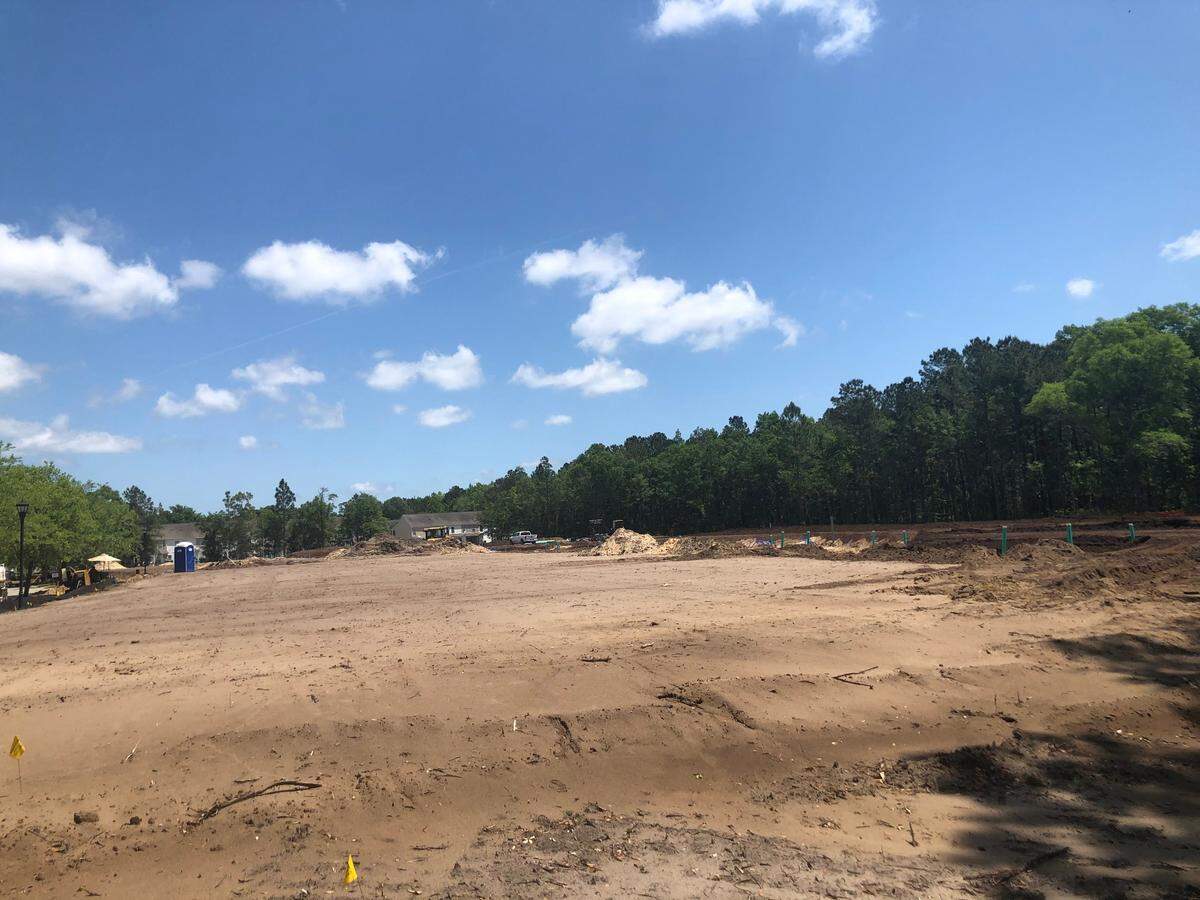
For Chris Foster, Bluffton’s interim town manager, the pandemic was a catalyst, causing people to move to Bluffton out of highly populated urban areas hit hard by COVID-19. He called it “urban flight” — a nationwide trend that experts warn hasn’t been fully analyzed and is likely temporary.
“You see an influx in demand of housing for people who lived in densely populated cities looking for a different way of life,” he said. “You have individuals nearing retirement who were thinking of moving to a sunnier location and a more laid-back lifestyle. [The pandemic] gave them that nudge to retire and move on down.”
In Bluffton, a 54 square-mile, largely master planned town where building is governed by seven agreements with developers approved about 20 years ago, the increase in new homes means the town will likely be fully built out by 2030, Forster said. It’s about 70% built this year.
And it’s an indicator of where the town’s population is headed.
When the new census numbers are released later this year, Forster said he expects Bluffton’s population to be close to 30,000 people. In 2010, the population was just 13,054.
Where is the growth happening?
Residential building permits in Bluffton reached a record high in 2017, with 870 permits approved.
That boom saw hundreds of new homes approved in neighborhoods like Hampton Lake and Mill Creek at Cypress Ridge.
But by 2018 and 2019, that number started decreasing dramatically. Permits for new single- and multi-family homes dropped 25% from 2017 to 2019.
Officials saw it as a trend, Bluffton Town Council member Dan Wood said. The number of new homes was dropping and would continue to drop, he said.
Then COVID-19 hit.

The first six months of 2020 saw 305 new residential building permits approved in Bluffton — down 14.5% from the same period in 2019.
But in the last half of the year, the number of new residential building permits jumped 29.5%, largely due to 211 new permits approved in October, November and December.
In just the first four months of 2021, Bluffton approved 323 new homes. The majority of those homes are planned in booming neighborhoods Palmetto Bluff (29 permits), Mill Creek at Cypress Ridge (28 permits) and Hampton Lake (21 permits).
Other homes were approved in the new age-restricted Four Seasons at Carolina Oaks, Hampton Hall and Heritage at New Riverside.

A “well-planned” town
Bluffton is a unique town.
Most of the development throughout its 54 square miles is already planned through a series of agreements with developers, covering over 32,000 acres and approved about 20 years ago.
They let officials and residents know what the town will look like when its fully built out — likely less than 10 years from now.
Because of those agreements, most of the town’s infrastructure was prepared for a COVID-induced spike in building permits, officials say.
Bluffton “was well-planned out many, many years ago,” Forster said. “We’ve known for years the direction we’re headed. You knew where you would be at the end of the day, but you didn’t know where it would occur over time.”
This year, the town is seeing increased growth beyond what it expected, but “we’re well-prepared,” he said.
Council member Wood said roads, buildings and amenities are in place to handle the town’s recent growth. He cited plans for more parks and an ongoing Beaufort-Jasper Water & Sewer Authority water main project. That project will install two water mains from the entrance of Heritage at New Riverside to Gibbet Road and from the intersection at Gibbet Road and S.C. 170 to H.E. McCracken Circle.
It also includes a massive water tower planned at a site near Buckwalter and Bluffton parkways.
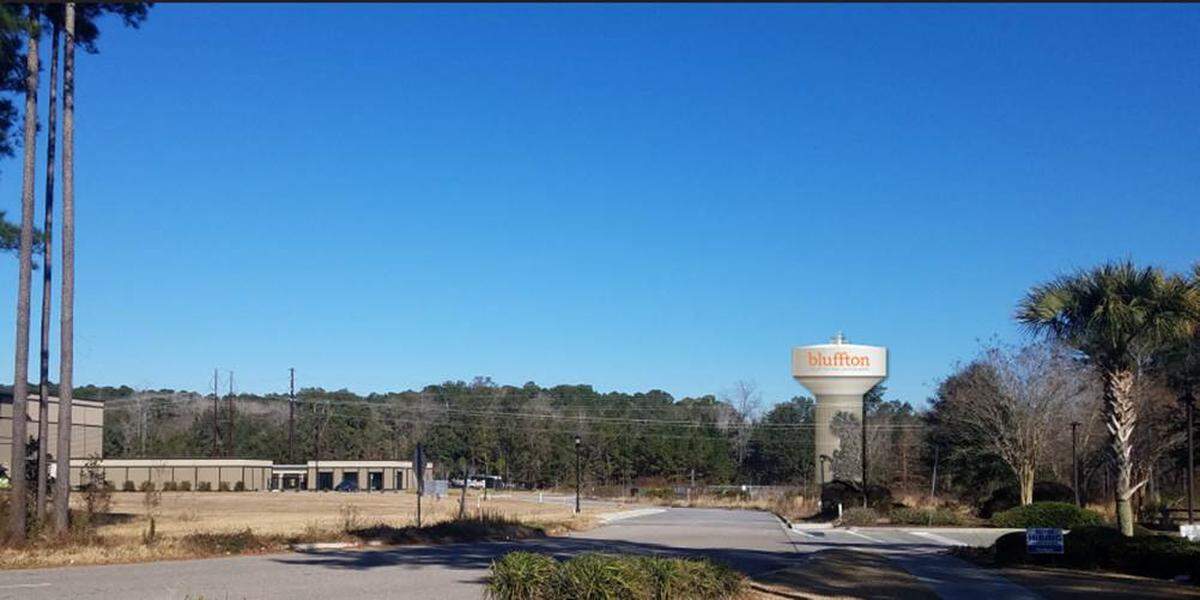
With Bluffton already hovering at 70% built out, Wood said he expects development to taper off soon.
But environmental experts say the increased development experienced this year will only compound the degradation of nearby watersheds — an issue that’s becoming increasingly “problematic,” said Rikki Parker, senior program director for the Coastal Conservation League.
To stay on top of growth and prevent damage to the environment, the town of Bluffton needs to adopt better stormwater management programs, said Jessie White, director of the Coastal Conservation League’s South Coast Office.
“It’s concerning that Bluffton would be moving forward with so much development without adopting those standards and without taking a step back and evaluating what the cumulative impact of impervious surfaces would be,” White said.
Over-development without stormwater regulations will have a regional impact on nearby watersheds, she said.
This story was originally published June 6, 2021 at 5:40 AM.