Bluffton’s expected revenue drop due to coronavirus means cuts, higher fees
The town of Bluffton suggests imposing a fee on vehicle license tags and a 17% hike in stormwater fees for property owners, as well as drainage inspection fees for developers, to fill the gap in the 2021 budget due to the coronavirus-caused financial crisis.
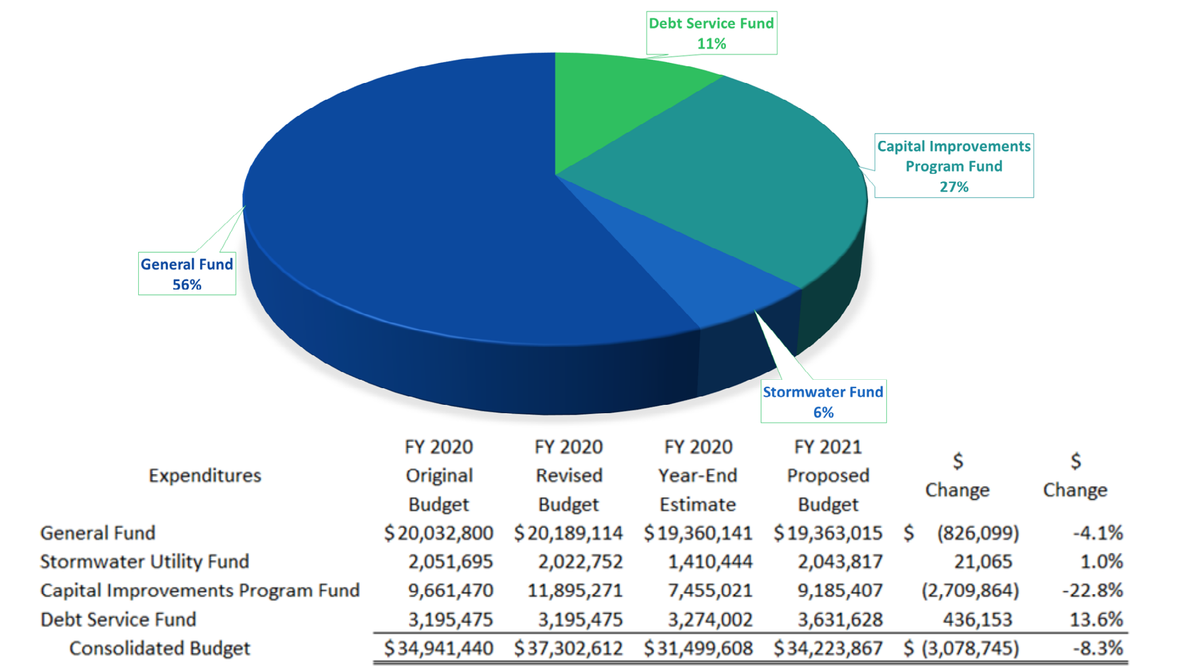
Town manager Marc Orlando, who presented the draft budget to council members Tuesday evening, said the town is anticipating an 8.3% decline in revenue in fiscal year 2021 compared to the current year’s budget — to $34.2 million from $37.3 million. To balance the budget, Orlando said he expects to cut a previously planned 5% raise for town employees, reduce spending on town projects and institute a hiring freeze on two open positions.
The coronavirus pandemic has put local leaders in a precarious situation when projecting government revenue and spending for the upcoming fiscal year. With some parts of the country locked down, other municipalities opening back up and a laundry list of unknowns across the state, many of the projections are subject to change.
Orlando said he believes the budget he proposed to council on Tuesday is “very realistic” based on what he currently knows about the coronavirus pandemic. But, if the number of confirmed cases were to spike again in November or December, he said he could propose a budget amendment to council in January.
Unlike the federal government, which can run a deficit, local governments like Bluffton must maintain a balanced budget even when expecting a revenue shortfall. This means either cutting spending or raising taxes and fees. Bluffton is planning to do some of both.
Orlando’s presentation comes a month after Beaufort County announced that it expects revenue to decline between 10% and 20% in the coming year. The county is holding its second budget workshop of the year Thursday afternoon.
Revenue decline
Although the town is expecting major drops in revenue, officials are actually anticipating an increase in revenue from property taxes and licenses and permits, which make up more than half of the town’s overall revenue.
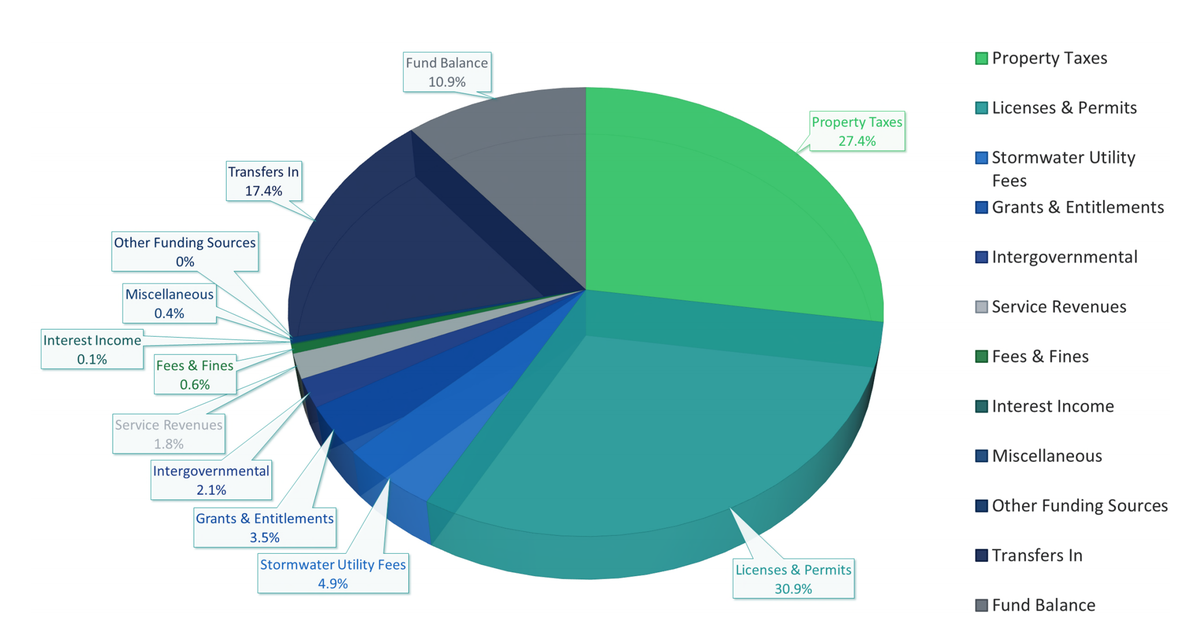
Because of Bluffton’s reliance on building and development and the growth the town has experienced in recent years, Orlando said the revenue generated from property taxes will likely not be hurt by the pandemic this year.
But the town is still expecting the coronavirus pandemic to hurt revenue across the board:
▪ Grants and entitlements: 55.4% decline
▪ Intergovernmental fund: 49.6% decline
▪ Service revenues: 36.0% decline
▪ Fees and fines: 4.3% decline
▪ Miscellaneous revenue: 79.4% decline
Overall, the town is anticipating a loss of $3 million in the next fiscal year due to the pandemic.
Increased fees?
Due to this loss in revenue, Bluffton leaders are having to get creative to balance the upcoming budget.
Orlando is proposing cuts to internal spending such as no cost of living and merit salary increases for employees, a freeze on open positions and no travel reimbursements for employees.
He also is proposing several new revenue streams that, as a result, will increase fees paid by Bluffton residents and property owners.
Orlando said he plans to implement a $25 per vehicle tag fee for Bluffton residents. The funds generated from this fee will be allocated to the town’s general fund to pay for public works, lighting and traffic enforcement.
The town is also planning on increasing residents’ stormwater fees to $115 per single-family home from $98 per home. This fee increase would put Bluffton more in line with the $150 stormwater fee paid by Hilton Head Island residents. The additional fee would be added to residents’ property taxes.
Orlando said the town is proposing a National Pollutant Discharge Elimination System (NPDES) plan with stormwater review and inspection fees paid by builders and developers.
Although the revenue generated from these fees — projected $2 million in fiscal year 2021 — will be allocated to the town’s stormwater fund, Orlando is proposing that the town transfer $130,000 from that to the general fund.
The fees and the proposed budget will be reviewed and debated by town council before approval in June.
This story was originally published May 13, 2020 at 3:27 PM.