What was life like on Hilton Head before the bridge? ‘Gullah Days’ book explains
Three authors have teamed up to write a book about life on Hilton Head Island before a bridge connected it with the mainland.
“Gullah Days: Hilton Head Islanders Before the Bridge 1861-1956” chronicles the history of the secluded Gullah community from the Civil War through the 1950s, when real estate development connected Hilton Head Island to the mainland with a bridge.
The disruption of the culture and history at the base of the island’s bridges has long troubled native families and leaders in the community, and the book’s release coincides with plans to widen U.S. 278 to six lanes.
The authors of the book celebrating Gullah heritage and culture are Thomas C. Barnwell Jr., Emory Shaw Campbell and Carolyn Grant.
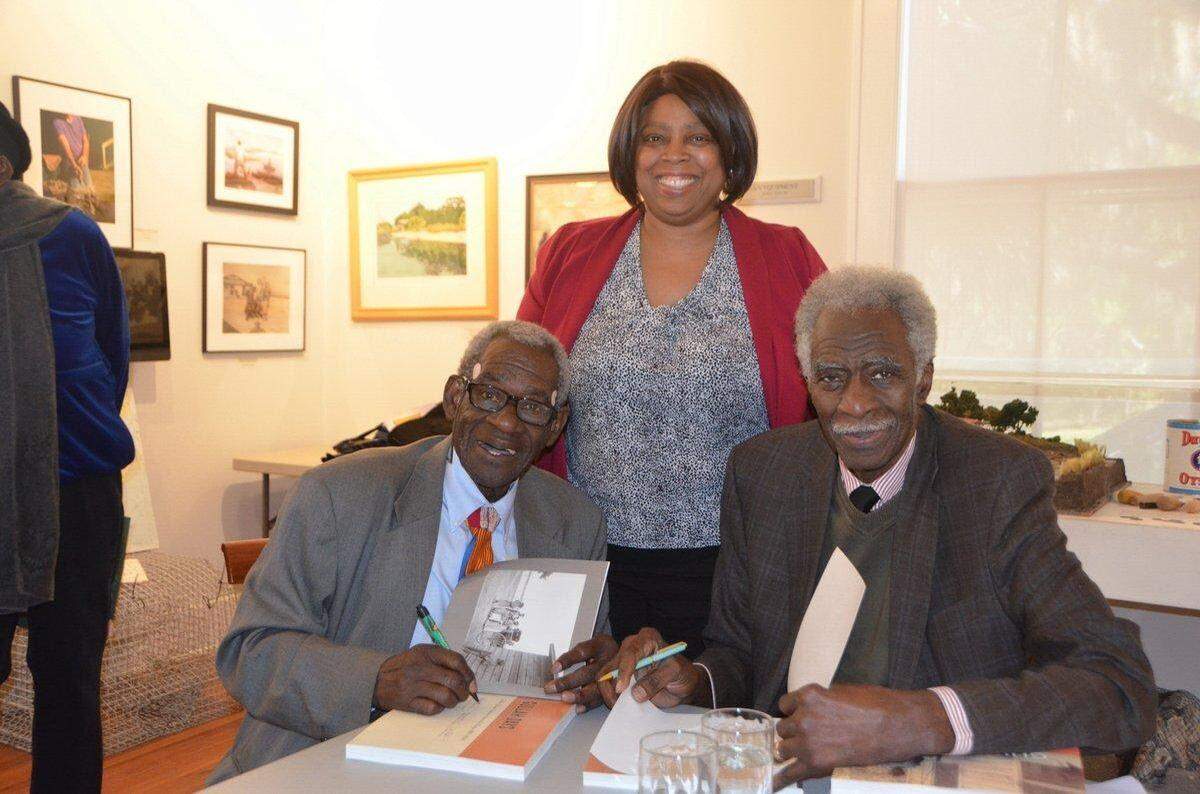
Barnwell, born on Hilton Head Island in 1935 and a fourth-generation islander, is the son of a schoolteacher and a farmer. He is founding director of Beaufort-Jasper Comprehensive Health Services and has focused on issues of health care, affordable housing and development of family land.
Campbell, who was born in 1941 on Hilton Head Island, has worked with the Beaufort Jasper Comprehensive Health Services, the Penn Center and the Gullah Geechee Cultural Heritage Corridor Commission, among others.
Grant, a former staff writer for The Island Packet and the Greenville News, is communications director for the town of Hilton Head Island. She has been involved in the community and worked to preserve Gullah culture and cuisine.
A public reception and book signing is scheduled for 6:30 p.m. Thursday at the York W. Bailey Museum at the Penn Center, 16 Penn Circle West, on St. Helena Island.
The authors rely on the historical records and first-person accounts they gathered from relatives and community members.
The Gullah culture, though borne of isolation and slavery, thrived on the East Coast sea islands from pre-Civil War times until today, and nowhere more prominently than on the small barrier island of Hilton Head, according to a news release on the book.
Hilton Head Island was one of the first areas liberated by Union troops after Fort Sumter.
With plantation owners absent, the society of formerly enslaved Gullah people enlisted in fighting for the Union army, created the first black-governed community in the South and ran for public office.
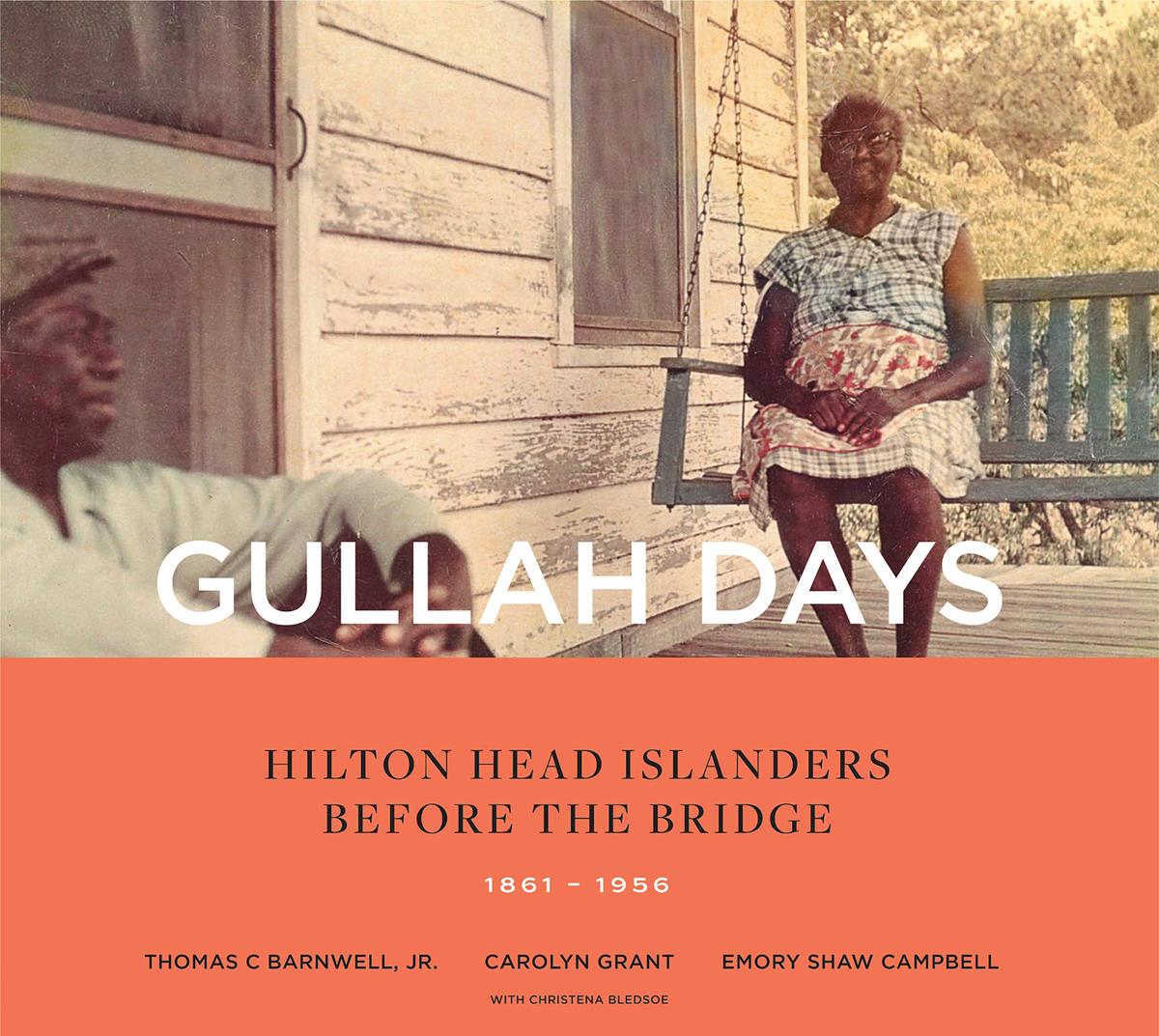
This book illustrates the story of that post-Civil War era and the perils of reconstruction that followed, along with progress and setbacks of African Americans in the South over 150 years via the lives of Gullah Hilton Head islanders.
Fifty copies of the book will be available for purchase at the book signing event. It also is available for purchase on Amazon.
This story was originally published July 19, 2021 at 12:43 PM.