When she spoke, people listened. How voice of civil rights icon lives on in Beaufort
When Rufus Pinckney was a teenager, he held a sign and walked back and forth in front of a Beaufort five-and-dime as part of a protest of its hiring practices regarding Black employees.
It was 1965, and it was his first demonstration. But it wasn’t his idea. In fact, his friends drove by and said, “Rufus, what are you doing?”
“I said, ‘Frieda told me!’”
When Frieda Mitchell spoke, Pinckney, and everybody else in the Sheldon community, listened, whether it was a directive to go to school, drive senior citizens to the polls to vote or protest an injustice.
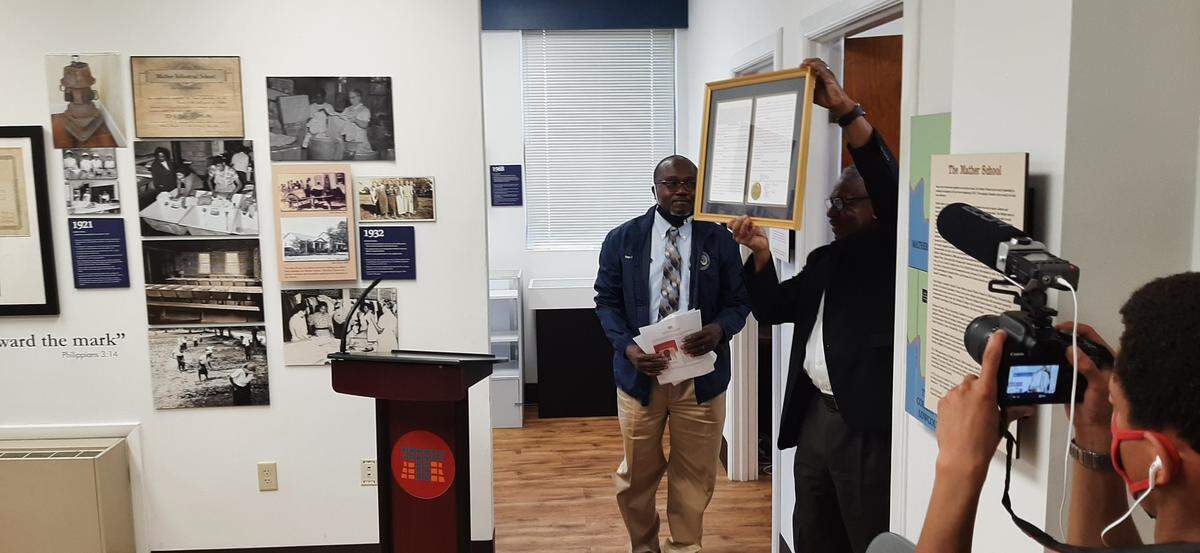
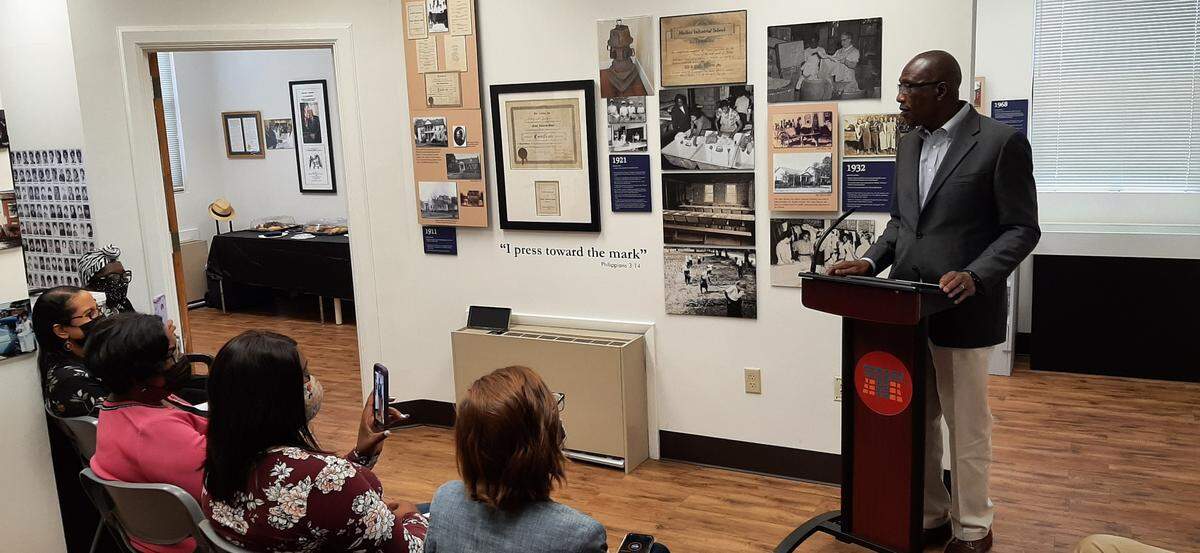
Now the influence of Mitchell, the first Black person elected to the Beaufort County School Board and a champion of civil rights and children, will live on in a scholarship called “The Ms. Frieda R. Mitchell Early Development Childhood Award,” which was announced Friday at the Technical College of the Lowcountry in Beaufort.
The tribute to Mitchell will support students in the Early Childhood, Elementary and Special Education Program who are serving their community and who show commitment to early childhood education.
Donations are being accepted, with the goal to raise $10,000 for the endowment and eventually, $50,000, said Pinckney, now the president of the Mather School Coastal Lowcountry Alumni and Associates. He’s come a long way from the days when Mitchell drove him to school.
“You can’t go anywhere in the Lowcountry [and find a Black person] who doesn’t have a personal story about Miss Frieda,” said Pinckney, adding Mitchell “saw things in us we didn’t see in ourselves.”
Mitchell died Oct. 15, 2020. She was 95. Her death came at the height of COVID-19. The family had a private graveside service.
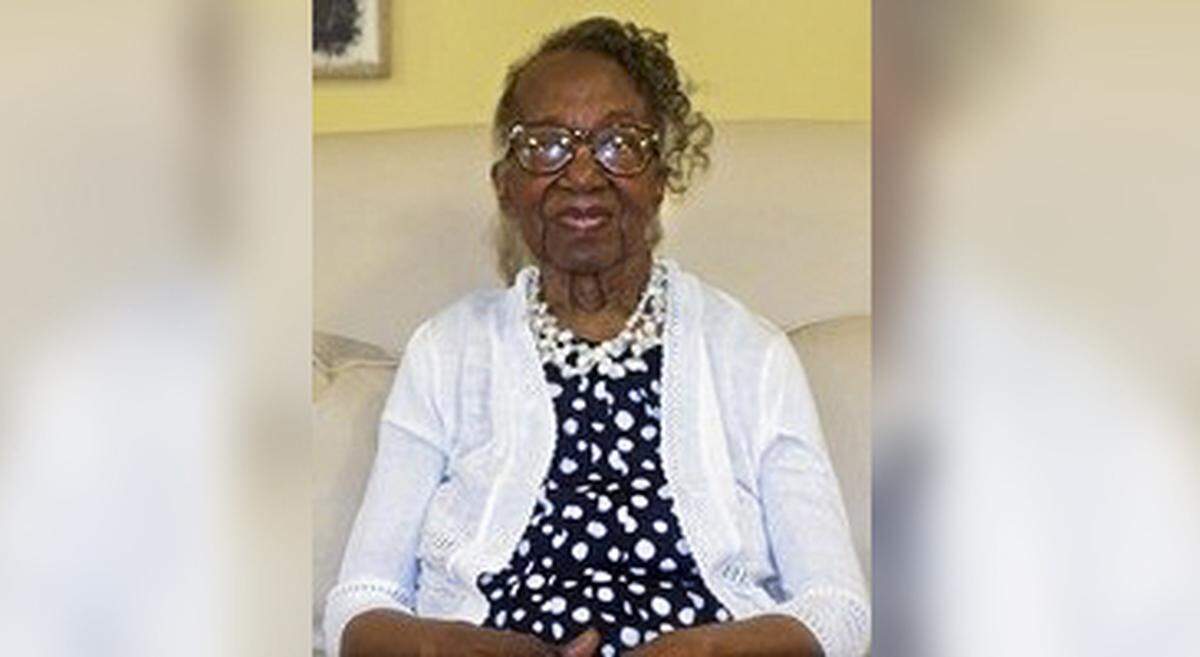
They’re now celebrating Mitchell’s influential life publicly.
The first of those celebrations came at the Mather Museum and Interpretive Center on the TCL campus.
Friends and local leaders read proclamations from the state legislature and local governments about Mitchell’s numerous achievements. But it was the testimonies of Mitchell’s influence on local lives that said more.
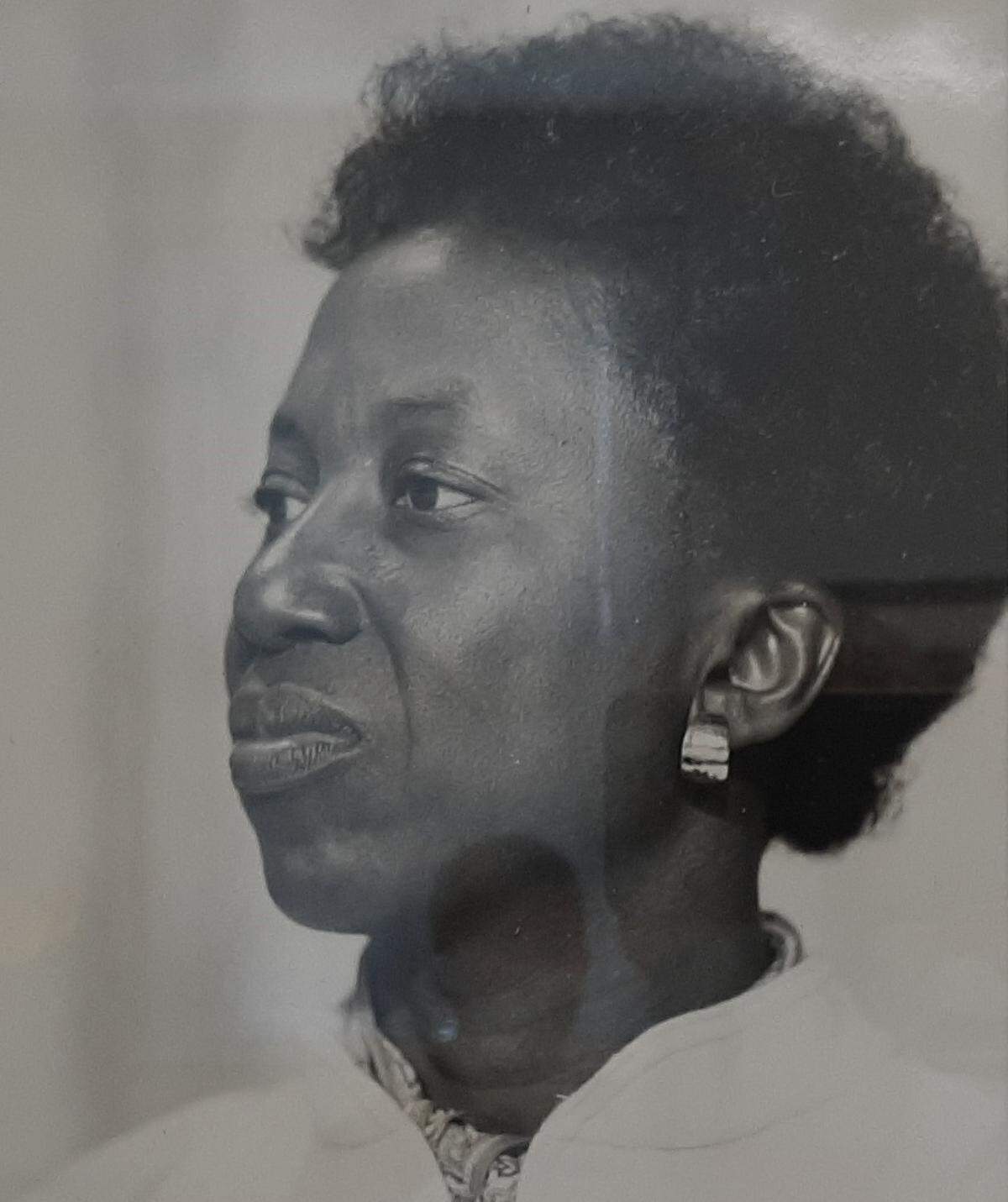
Mitchell graduated from the Mather School, a school created in 1868 to educate the daughters of liberated slaves in 1944. She was valedictorian.
Mitchell in 1965 organized the Beaufort County Education Committee. It became the central force for school desegregation. Behind a massive voter turnout campaign, Mitchell unseated a long-time incumbent in 1968, becoming the first Black person to serve on a Beaufort County school board, along with Agnes Sherman. Together, they became the first African Americans elected to a School Board in South Carolina.
Beaufort County Councilman York Glover, who served with Mitchell on the School Board, said Mitchell squashed items that shouldn’t have been before the board and encouraged others who were worthy of consideration.
“When she spoke, people listened,” Glover said. “When I spoke, they didn’t hear me.”
He recalled that Mitchell and other School Board members once went to jail because of their activism. That rattled other members.
“But Mrs. Mitchell, that did not faze her at all,” Glover said.
As a teenager, Geraldine Dawson of Beaufort saw Mitchell’s commitment to desegregation in a very personal way.
On the first day of school, Mitchell drove behind the bus picking up children, Dawson said. When it failed to stop at Dawson’s home, Mitchell stopped, drove her to school and made sure she was enrolled and became a member of the first class to integrate Beaufort County schools.
Mitchell also was passionate about child care. As the first director of the United Communities for Child Development, she promoted community-controlled child care centers in South Carolina. UCCD became a model for other states, and Mitchell became a strong voice in national discussions on daycare, even touring five southern states and three South African townships in 1992 at the invitation of the W.K. Kellogg Foundation.
Friends described her as a tireless worker, problem solver and visionary.
“Even my mother said, ‘Go ask Miss Frieda,’” said Samuel Burke, who grew up up two blocks from Mitchell.
Mitchell drove Burke to school and took him to civil rights gatherings where he met prominent members of the movement.
After “he got his wings” in 1974, now-retired Air Force Maj. Gen. Mitch Mitchell said he bumped into Frieda Mitchell in the parking lot of Piggly Wiggly. She had been his Sunday School teacher. Mitchell, who had just gotten married, remembers his former teacher telling him that young men and women blessed to go to college should serve the community where they grew up.
Mitchell came home 41 years later.
“I feel good about that, and I attribute that to Frieda Mitchell,” Mitchell said.
In November, Mitchell became Beaufort’s first Black council representative on the Beaufort City Council in 27 years.
Mitchell’s daughters, Muriel A. Hawkins, a retired professor of education leadership at Virginia State University, and Karen Ulmer, retired from the Department of Defense’s Early Childhood Division, attended Friday’s celebration, along with Amanda Lawrence, Mitchell’s granddaughter.
“I just think how she would be surprised that so many people would be honoring her in this way,” said Lawrence, who is vice president of Community Impact of Trident United Way in Charleston.
Lawrence dropped a career in corporate marketing and branding in Chicago to pursue a career in the not-for-profit sector, in part because of the influence of her grandmother. When she was a child, Lawrence played “board meeting” and “community organizing,” using her dolls as “stakeholders,” the influence of seeing her grandmother in action.
This story was originally published May 18, 2021 at 4:35 AM.