
USCB biologist: Septic systems on Hilton Head put public at risk
BACK TO THE INDEX
The failing septic systems that dot Hilton Head Island neighborhoods don't just smell bad.
They also put residents at risk, a local biologist says.
University of South Carolina Beaufort professor Stephen Borgianini warned elected officials this week that dozens of septic systems -- many overflowing with sewage and sludge -- pose health risks for the low-income communities that use them and the island at large.
Feces and other waste near the open tanks could carry deadly bacteria and viruses, some of which likely flow to waterways, he said.
"If there's a pool of septic material in somebody's front yard and kids are playing in it, they can be exposed to pathogens that lead to disease," Borgianini said.
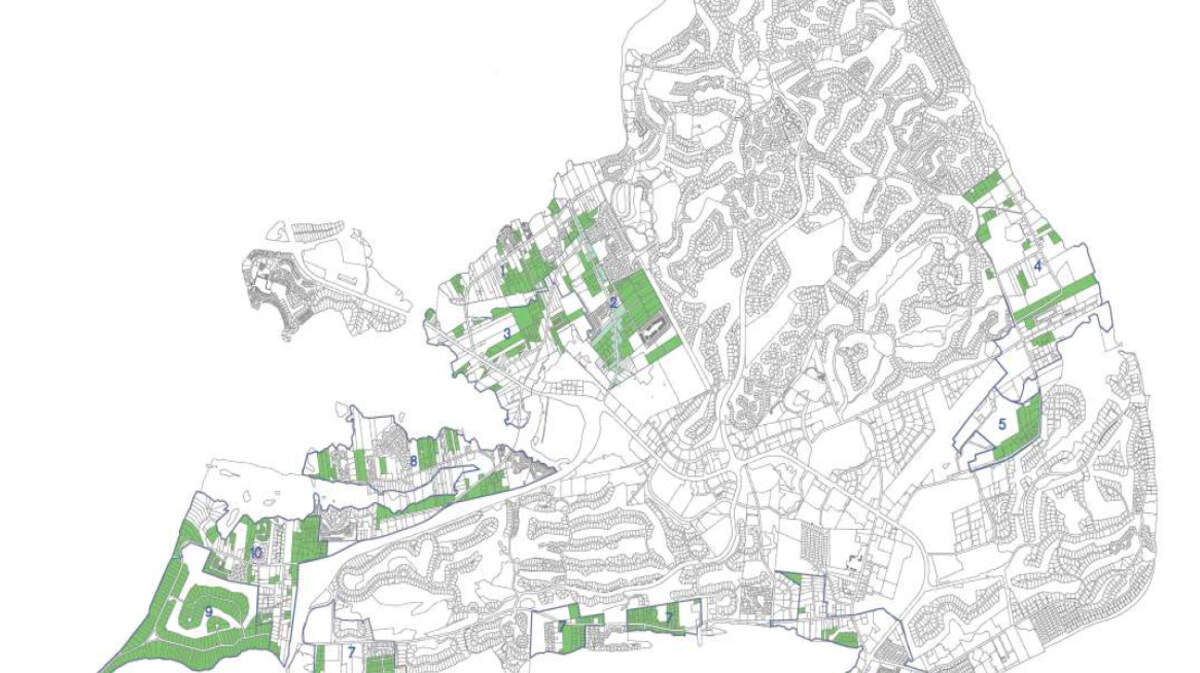
His comments come as island leaders brainstorm ways to extend sewer access to all Hilton Head Island residents. About 920 properties -- many in black and Hispanic neighborhoods -- lack access. One property could represent a single homeowner or multiple households.
Hilton Head Mayor David Bennett said this week he wants all residents to have access within five years.
But no plans to fund such projects have been unveiled.
At a meeting Thursday, officials looked in horror at a video showing pools of sewage behind native islander Rochelle Williams' house at Sam Frazier Retreat. The video, shot last month by the Island Packet and The Beaufort Gazette, illustrates the squalid conditions that define life for some island residents.
"That's not right," Bennett said of the video. "It's not right for anyone in our community to deal with that issue. We're going to resolve issues like that."
NOT SUITED FOR SEPTIC
For decades, scientists have considered septic tanks as unfit alternatives to sewers in urban areas, Borgianini said.
"If you look at the current regulatory trend, most states and most health authorities are pushing people to get sewer hookups," he said.
On Hilton Head Island, septic systems are even more of a problem. Tanks are prone to back-ups because of the island's high water table, sandy soil and frequent rainfall.
In places where homes are clustered -- such as trailer parks on the island's north end -- systems easily overflow.
"There are septic systems in places there should never have been septic systems," Borgianini said of the island.
Septic tanks work in some cases. For example, owners in Spanish Wells Plantation have large lots and money to maintain their systems, which can last 20 to 25 years.
But many low-income properties are owned by absentee landlords. Often, those septic systems aren't maintained.
Borgianini says ignored tanks inevitably falter.
"All septic tanks have a life expectancy," he said. "And all of them will fail. It's just a matter of when it will fail."
NEXT STEP: FINANCES
In his first year as mayor, Bennett appears to have found the political will to push sewer projects to the top of the to-do list.
What he hasn't found is the money.
It will cost about $6 million to provide sewer access to the remaining island residents who lack it. Currently, about 95 percent of Hilton Head Public Service District's customers have access.
To pay for the work, town leaders have suggested loans, federal and state grants, and shifting money in the town budget.
Bennett says he plans to 'earmark' money in this year's budget for such projects but hasn't said how much. Budget discussions continue May 27 at Town Hall.
Once funding is found, it will take about five years to complete the projects, which include sewer lines in portions of Marshland, Stoney, Jonesville and other areas, according to public service district general manager Pete Nardi. In 30 days, council and public service district commission members will meet to discuss three or four projects they want to start immediately.
Still, those projects will only construct main sewer lines. Officials still must find a way to connect low-income households to the those lines.
There are programs to pay for residents to hook up, including Project Sewer Access for Everyone, which has connected 300 households since 2000.
But those programs lack money. Several town council members have talked about fundraisers to help pay for residents to tap in.
While he acknowledged that many details are unclear, Bennett held firm Thursday that help is on the way for those struggling with septic tanks.
"In my view, we have been marginalizing some of our longest-standing citizens," he told the crowd. "It's time we roll up our sleeves and get something done."
BACK TO THE INDEX
- Unpaved roads aside, residents also live with unsightly and unhealthy septic overflows, April 24, 2015
- Rough roads in paradise, April 24, 2015
This story was originally published May 15, 2015 at 5:50 PM with the headline "USCB biologist: Septic systems on Hilton Head put public at risk."