
Are we burying a way of life with this Hilton Head Island surfing legend?
Maybe it’s the big jet engines whining overhead.
Maybe it’s the subtle ways beach nourishment has changed the break of the waves off Hilton Head Island.
But you get the idea that a surfing legend, boat builder, fisherman, windsurfer, knee-boarder, liveaboard, surfboard builder, sail repairer, commercial shrimper, hurricane survivor, nuclear submarine veteran, antique car restorer, home builder and pinball wizard like Jerre Weckhorst won’t come this way again.
He came to a much different Hilton Head in 1974, drawn to its waves off empty beaches and a job helping build sportfishing boats for Robert Graves.
When Weckhorst died May 21 of complications from cancer, the Civil War-replica home he built by hand was up for sale, and he and his wife, Nanci Polk-Weckhorst, the island’s original turtle lady, were looking forward to tending horses on an upland farm in Jasper County.
“He’s an East Coast legend,” said surfing and outdoors entrepreneur Byron Sewell. “He’s known as one of the greatest surfers on the East Coast.”
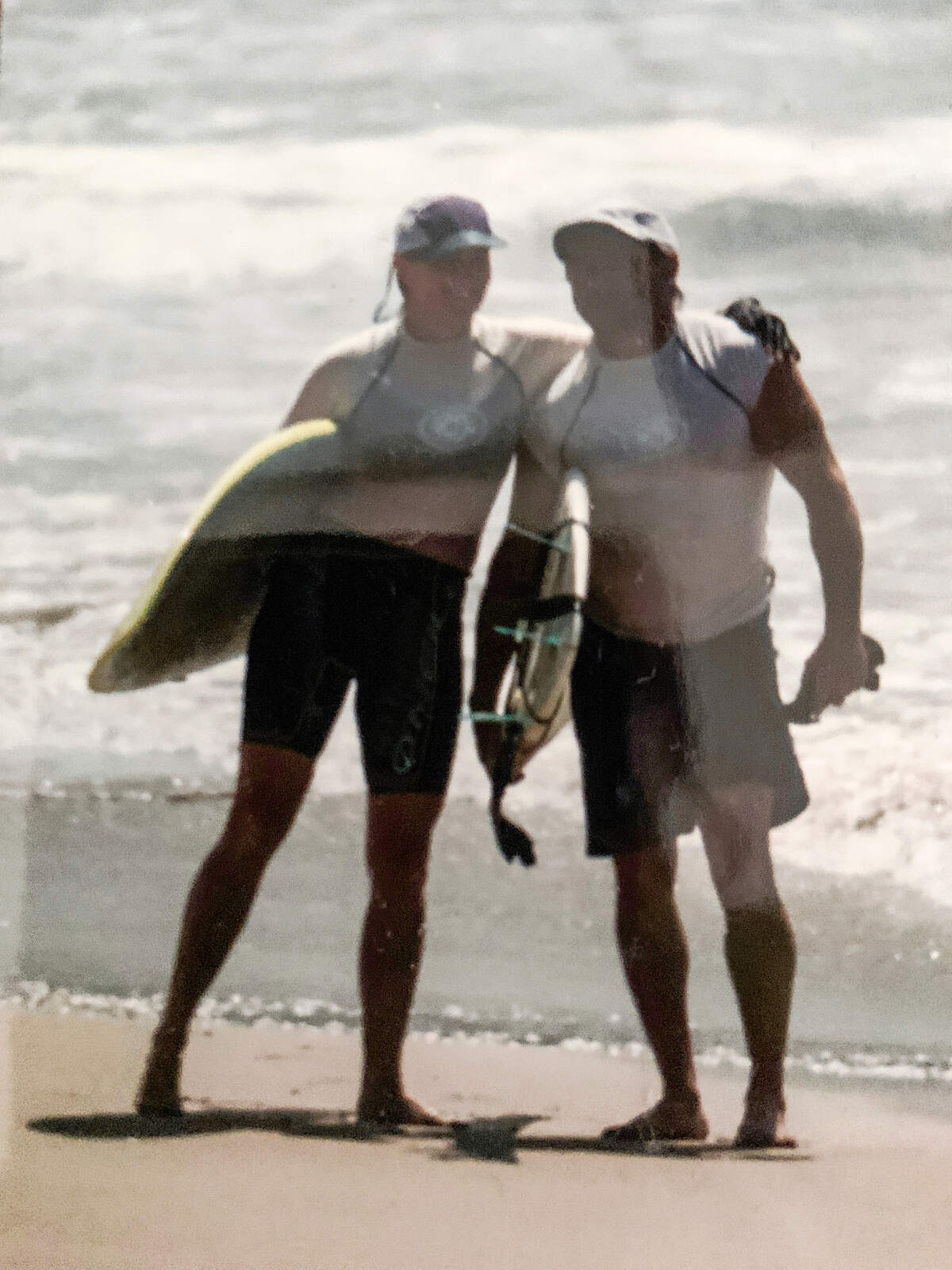
His stories include the time he took Jimi Hendrix surfing in Hawaii, or the four times a year he and Nanci headed for Costa Rica to surf, and the tricks he played on island kids like Sewell who would end up with saltwater in their veins.
In the world of surfers, the kids learning from older mentors are called Grommets, or Groms.
“He and Nanci are the reason we have surfing around Hilton Head Island,” Sewell said.
“He is the eternal Grommet.”
SURFING WORLD
Gerald Karl (Jerre) Weckhorst was born in Ohio 72 years ago, but grew up on the ocean in Melbourne, Florida.
As a child, he had a hole in his heart, so he wasn’t allowed to leave the house. They thought he would die.
That’s when he became a pinball wizard, and Nanci has his collection of six whirling and dinging pinball machines up for sale.
He eventually burst out, without permission, and gained 60 pounds in a summer, when he took up boogie boarding. He fished a lot, selling fish and bait to a fish market.
“He was always an entrepreneur,” Nanci said.
In his early teens, Weckhorst was bagging groceries when a customer said his hair was too long.
A man in line said, “I’ll give you a job.”
It was Dick Catri who established the Hobie surfing team. Weckhorst went from bagging groceries to making Fiberglas fins for surfboards. Soon he was making whole boards, then skateboards, and as soon as he graduated from high school in 1967, he bolted to Hawaii to surf.
His mother had to track him down when his draft notice came in the mail.
But Weckhorst ended up back at Pearl Harbor, a sonar technician on the USS Mariano G. Vallejo (SSBN-658) nuclear submarine.
He was later stationed in Charleston, where Nanci was reared.
“He came out to the beach, and we met at the surf shop,” she said.
Nanci came to Hilton Head for a summer job at the Calibogue Café. Jerre came along, and stayed.
HILTON HEAD JOBS
Rent was $90 a month in the house where they lived on Marshland Road. Eventually it became the Azteca Restaurant.
They would later live aboard a 36-foot sailboat for 11 years. They intended to take it to the Bahamas for surfing. But they got too busy. She sewed canvas sails at Nan-Seas and taught at the University of South Carolina Beaufort, among other things. He helped rig the sails, and he had a boat repair business.
They rode out Hurricane David in their uninsured sailboat home, anchoring off Brighton Beach, where the mast kept slapping the roaring May River.
Weckhorst and John Floyd bought a shrimp boat, the Pandora, which had been the legendary Capt. S.V. “Chief” Toomer’s first trawler, according to Capt. Woody Collins’s new book, “Where Have All the Shrimp Boats Gone? A 100-year History of the Shrimping Industry in the South Carolina Lowcountry.”
They opened a surf shop, dealing in Spectrum surfboards, Hawaiian shirts and surf equipment.
“We were really just trying to give the kids something to do,” Nanci said.
Customers knew to call ahead because when the surf was right, the shop was empty.
“I’m so glad we did it,” Nanci says.
They took up windsurfing when it became a thing, and after hip replacements, Weckhorst got into kneeboarding, always making his own designs.
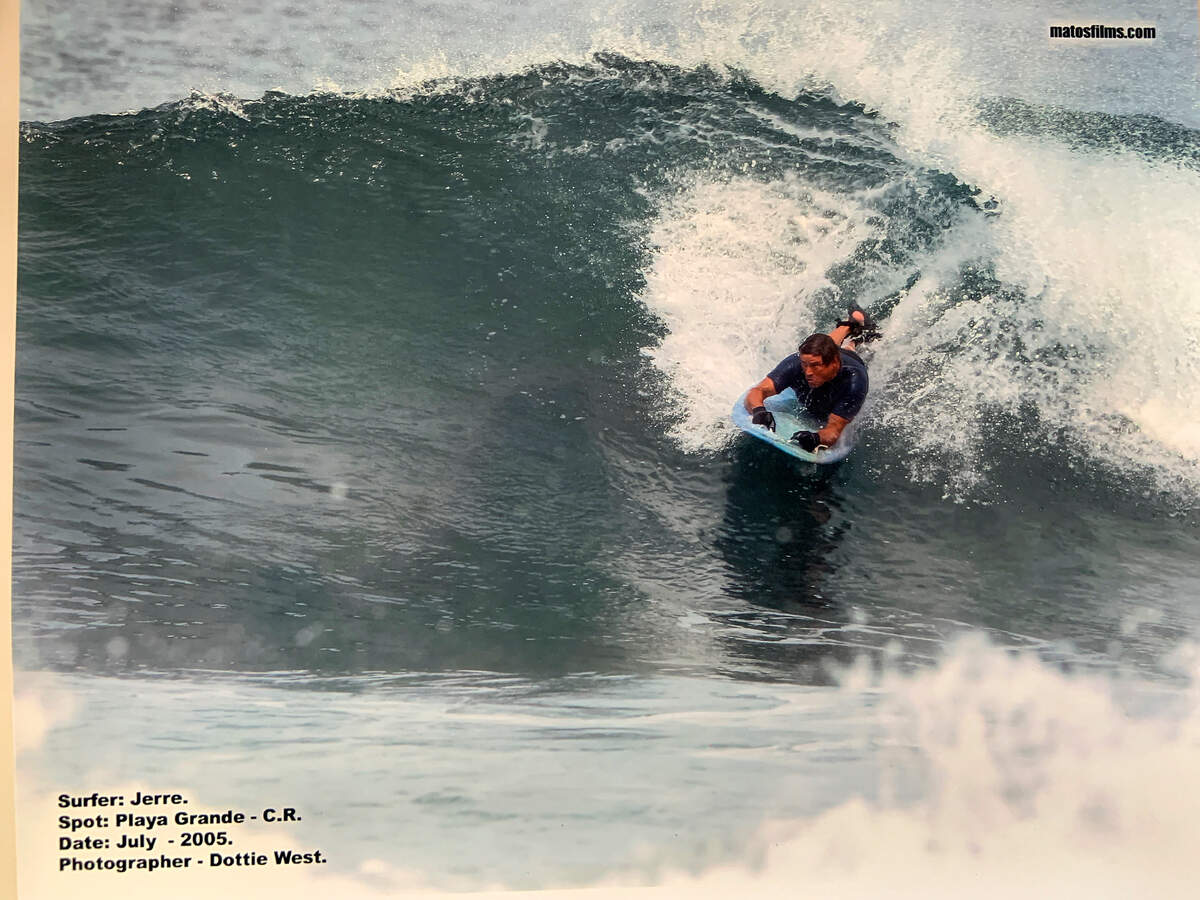
“He was never happy unless he was inventing something, improving something, changing something or making it better,” Nanci said.
They bought a tract in Bay Gall, where the breeze comes off Port Royal Sound, and where he built a replica of the federal commanding officer’s home that stood nearby during the Civil War.
He did it from photos.
He took up car restoration with a 1952 Buick “Woodie” station wagon. He built his own sailboat and fishing boat.
And they collected a lot of historic relics found in the yard. Thousands of years of history are buried in that vicinity.
They thought the home, which lies adjacent the Mitchelville historic site, could be used as a Black history museum, but it never happened.
Somehow, it feels as if this whole story is a piece of ancient history.
Today people flock to Hilton Head with the idea that it should offer all they had back home.
The Weckhorsts came to dive deep into what it already offered.
A celebration of life will be held at 6 p.m. June 11 at the Spanish Wells Clubhouse.
And the surfing clan will honor Weckhorst with a paddle-out at 8 a.m. June 12 in the salty Atlantic Ocean off Burkes Beach.
David Lauderdale may be reached at LauderdaleColumn@gmail.com.