Extreme heat exits Beaufort County as thunderstorms, flooding move into region
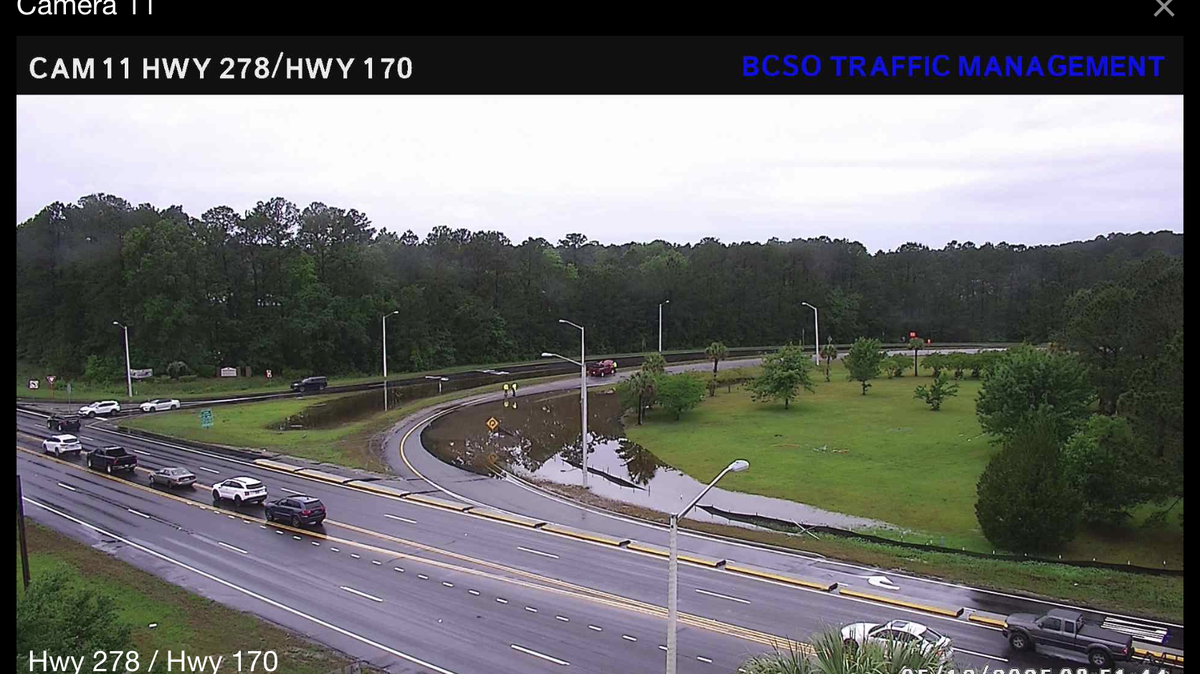
In true Lowcountry fashion, Beaufort County will be trading one type of extreme weather for another this evening.
Following over a week of heat advisories as the heat index often crawled into the triple digits, this coming weekend will see some heavy rainfall and possible flash flooding through the weekend.
A cold front stalling over the region is to blame for the sudden switch. Showers and thunderstorms will likely begin early this evening, according to Jonathan Lamb, a meteorologist with the National Weather Service. Those storms will bring an increased risk for heavy rainfall and flash flooding through the weekend.
The heat advisories will end this evening as temperatures drop from a high of 96 degrees on Friday to the mid to low 80s through the weekend.
From Friday through Monday evening, Beaufort county can expect a total of 4 to 6 inches, though it’s difficult to predict the exact locations and timing for the rainfall at this time. It’s possible that some areas will receive over 6 inches of rain, and that thunderstorms will bring strong wind gusts up to 60 mph.
On Friday, showers and thunderstorms will likely begin before midnight and continue throughout the night. Showers and thunderstorms will mainly occur between 2 p.m. and 5 p.m. on Saturday, though they may continue into the evening as well.
The heavy rain is likely to bring flash flooding to the area. Sections of roads and intersections may be flooded and vehicles may become stranded as well. Heavy rains falling at high tide may also exacerbate the flooding.
New changes to the flood alert system
This weather system comes as the NWS updates its flood warning system. Now minor flood situations, such as a few roads being inundated with water, will trigger a flash flood warning in populated areas, instead of a flood advisory.
Under the new system, events such as flooded roads and intersections, cars stalled in floodwater, and structures surrounded by water will trigger a flash flood warning.
There are three kinds of flood alerts in the region.
- “Base” flash flood warning: This is the most common flood alert and it indicates low-risk flooding. These alerts will interrupt radio programming and run on the scrolling banner on some TV stations, according to Lamb.
- “Considerable” flash flood warning: The NWS issues this alert when they expect damaging flooding to occur. This level of warning triggers wireless emergency alerts that pop up on mobile phones, according to Lamb.
- “Catastropohic” flash flood warning: This alert is used for exceedingly rare emergencies.
Going forward, when people are more likely to receive a base level flash flood warning than a flood advisory. The advisory is likely to be more common in rural areas where rainfall is able to soak into the ground quicker than in an urban area with lots of roads and concrete, Lamb said.