If you live in the SC Lowcountry, how you’re warned about floods is about to change. Here’s how
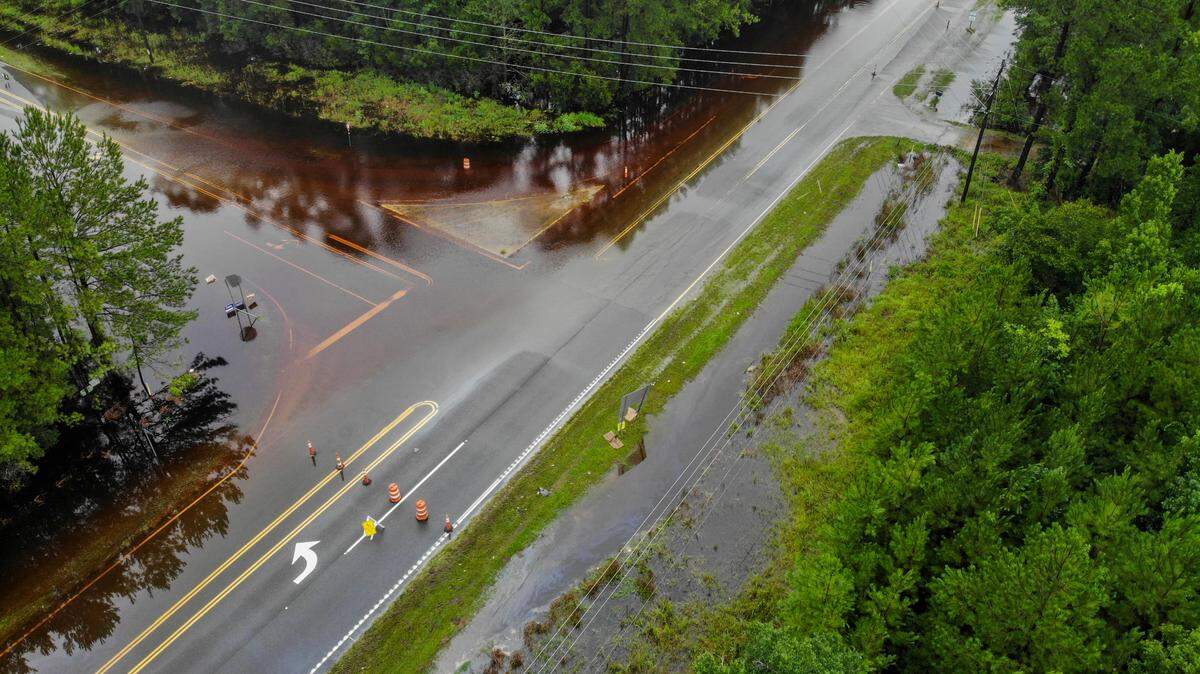
The National Weather Service office in Charleston, which oversees weather alerts and updates for Beaufort County, will roll out a new design for flood alerts starting Friday, Aug. 1.
These changes mean that residents across Beaufort County and the greater Lowcountry region will notice a change in the way the NWS issues flash flood warnings, even when flooding is considered minor.
Here’s what to know about these changes and how they may impact the kinds of alerts residents receive.
What’s changing?
Until now, most minor flood situations — like a few roads being covered in water or water creeping into a garage — would trigger a flood advisory, not a full flash flood warning.
These alert changes, starting Aug. 1, will now prompt a new kind of flash flood warning, called a “Base Flash Flood Warning” for these lower-impact events, which will greatly replace most flood advisories.
In short:
- Flood advisories will mostly be replaced by base flash flood warnings in populated areas.
- Flood advisories won’t disappear. They will still be used for rural areas, but will be issued less frequently.
- The criteria for a weather event to meet flash flood warnings are being lowered to include minor urban flooding.
- No change is being made to the more serious warnings for major, damaging or life-threatening floods.
The NWS defines a flash flood as a rapid flooding of low-lying areas caused by intense rainfall, typically occurring within six hours of the rainfall.
What used to trigger a flash flood warning?
The previous criteria to send a flash flood warning included:
- Water entering homes or businesses
- Washed-out roads
- Cars swept away by water
- Moderate river flooding
- Dam or levee failure
What will trigger a flash flood warning now?
Starting Aug. 1, that criterion is changing to send base flood warnings for weather events that include:
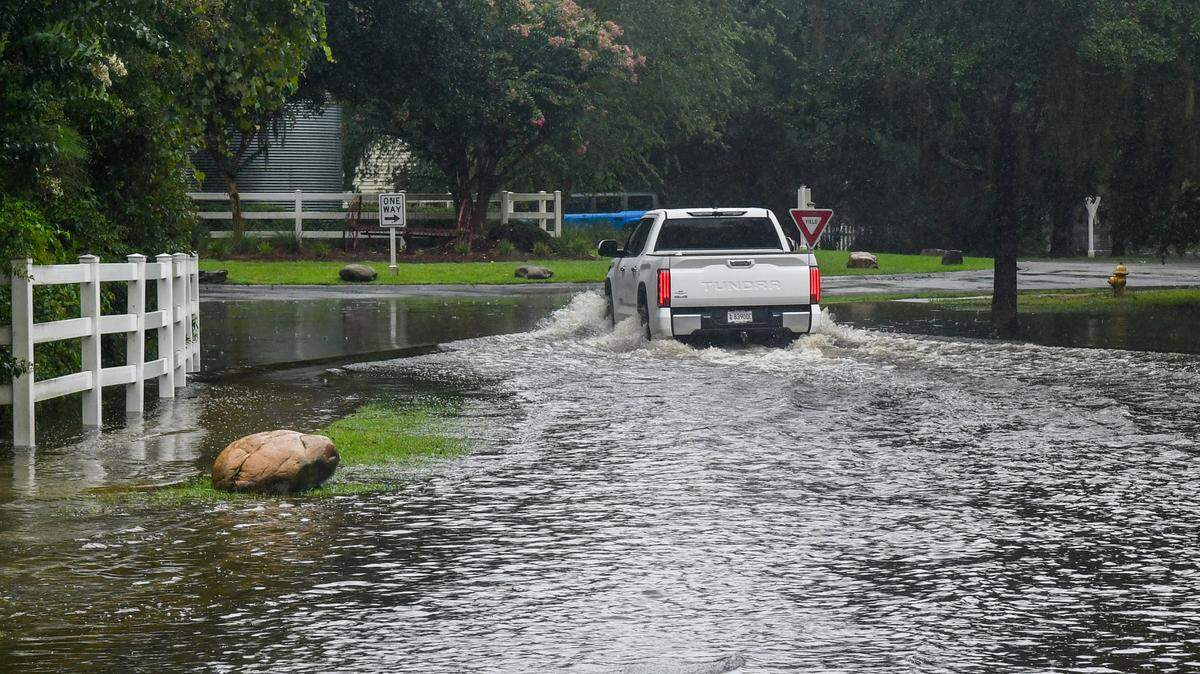
- Multiple flooded roads or intersections
- Cars stalled or stranded in floodwater
- Structures surrounded by water/water in crawlspaces, garages or surrounding buildings
- Minor river flooding (not forecasted points)
- Dam or levee failure (still handled with higher-severity tags)
These new warnings do not indicate severe or life-threatening conditions, but they are intended to keep residents aware of minor flooding impacts.
Why the change?
The NWS states they are making this update to:
- Create consistency across all its offices nationwide.
- Simplify flood alerts to reduce public confusion (largely removing flood advisories).
- Ensure even less-severe flooding events are communicated in a way that encourages people to act
Going forward, the NWS will now use three different kinds of flood labels and for alerts to lessen confusion and keep consistency across weather platforms.
The three kinds of flood alerts Lowcountry residents will now see are:
- “Base” flash flood warning: Categorizes low-risk flooding and will be the most common flood alert issued.
- “Considerable” flash flood warning: Damaging flash flooding is or is expected to occur.
- “Catastrophic” flash flood warning: Used for flash flood emergencies only in exceedingly rare events.
The more serious tags, considerable and catastrophic flash flood warnings, are not changing in this update.
Does this mean I’ll get more weather alerts?
When it comes to weather alerts residents will receive, these new base flash flood warnings:
- Do not trigger the loud Wireless Emergency Alert (WEA) on your cell phone (e.g, AMBER alerts)
- It does activate NOAA Weather Radio and the Emergency Alert System (EAS) on TV/radio.
- From whichever platform you receive alerts, these warnings will be issued more frequently in urban areas when water floods roads or neighborhoods.
- Alerts typically last 3 hours, with updates every 90 minutes.
With these new base warnings, residents might not hear their phones buzz a larger alert like they would during a tornado or severe flash flood, but during general weather alerts for storms, notices for base flooding will increase.
What does this mean for the Lowcountry?
Expect to see more flash flood warnings issued going forward, especially in urbanized areas.
These warnings don’t mean the weather is getting worse, simply that the NWS is aiming to use a more consistent system for flooding alerts that could still impact your daily routine, travel or property.
Rural areas may still see some traditional flood advisories, but they’ll likely be used less frequently.
For a rundown of different ways to receive weather alerts in Beaufort County, click here.