‘This how you treat the mentally ill?’ How Charleston failed Jamal Sutherland
READ MORE
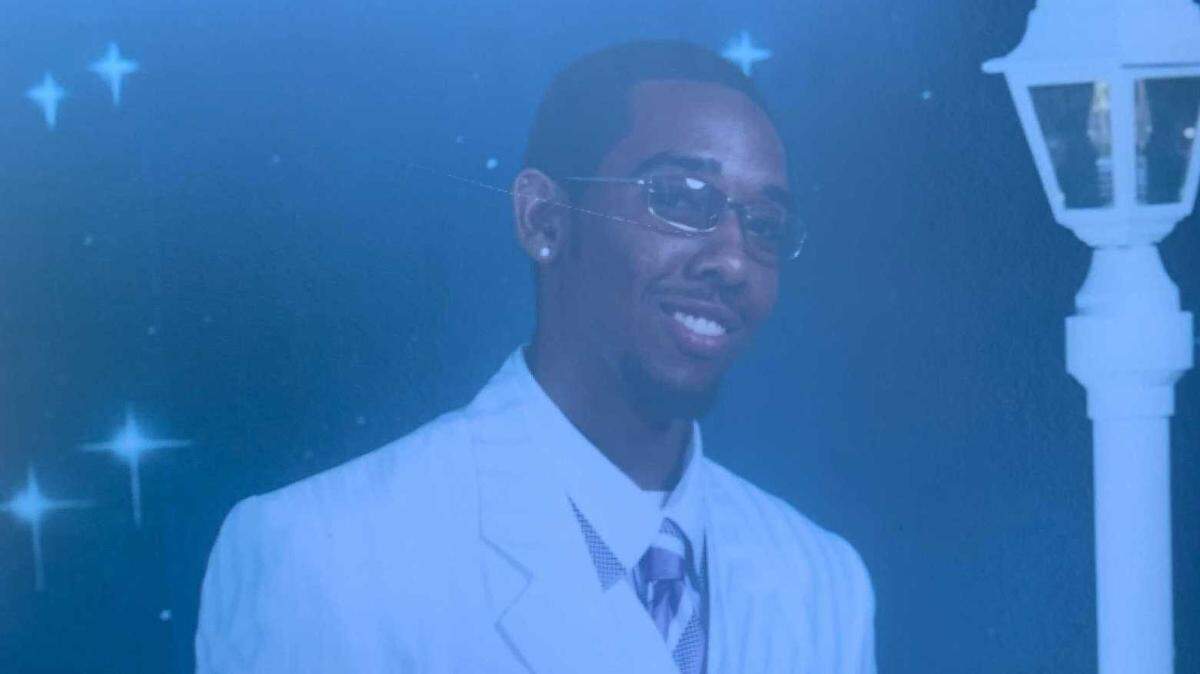
Jamal Sutherland
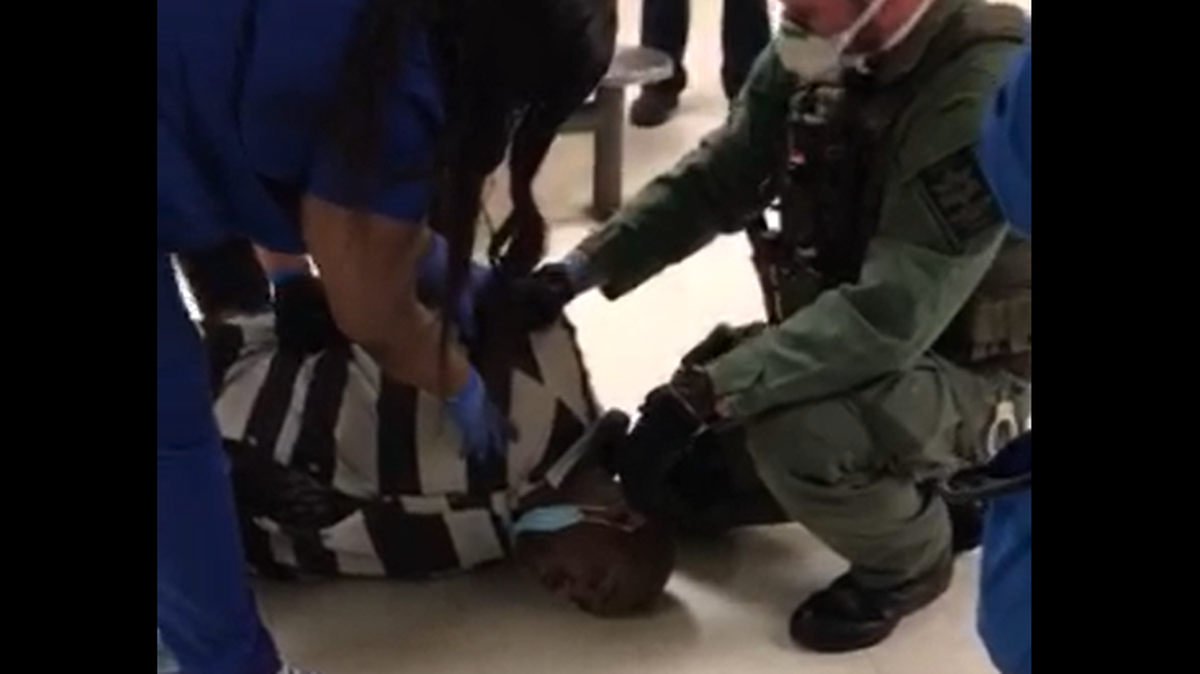
Jamal Sutherland, a Black man with a history of mental illness, died at the Charleston County Jail on Jan. 5. After graphic footage showing his death was released by the Charleston County Sheriff’s Office, many questions around the investigation remain.
Expand All
By the time the two deputies entered his cell and fired their Tasers into his back, it was too late. The institutions, systems and individuals that were supposed to protect Jamal Sutherland had already failed him at nearly every level.
The mental health facility where he sought help in North Charleston sent him to jail.
A crisis stabilization center that would have given Sutherland a place to calm down in other circumstances was not only powerless to assist, it was also closed the night he was arrested.
The North Charleston police who arrested Sutherland checked “no” on his jail intake form when asked if he displayed any signs of mental illness. And on Jan. 5, Charleston County jail deputies tried to drag Sutherland to a bond hearing he was not legally required to attend.
In that moment, after he was pepper-sprayed twice and shocked with Tasers at least six times, Sutherland faced the final injustice of his life as a Black man with mental illness in Charleston County.
He died trying to get help.
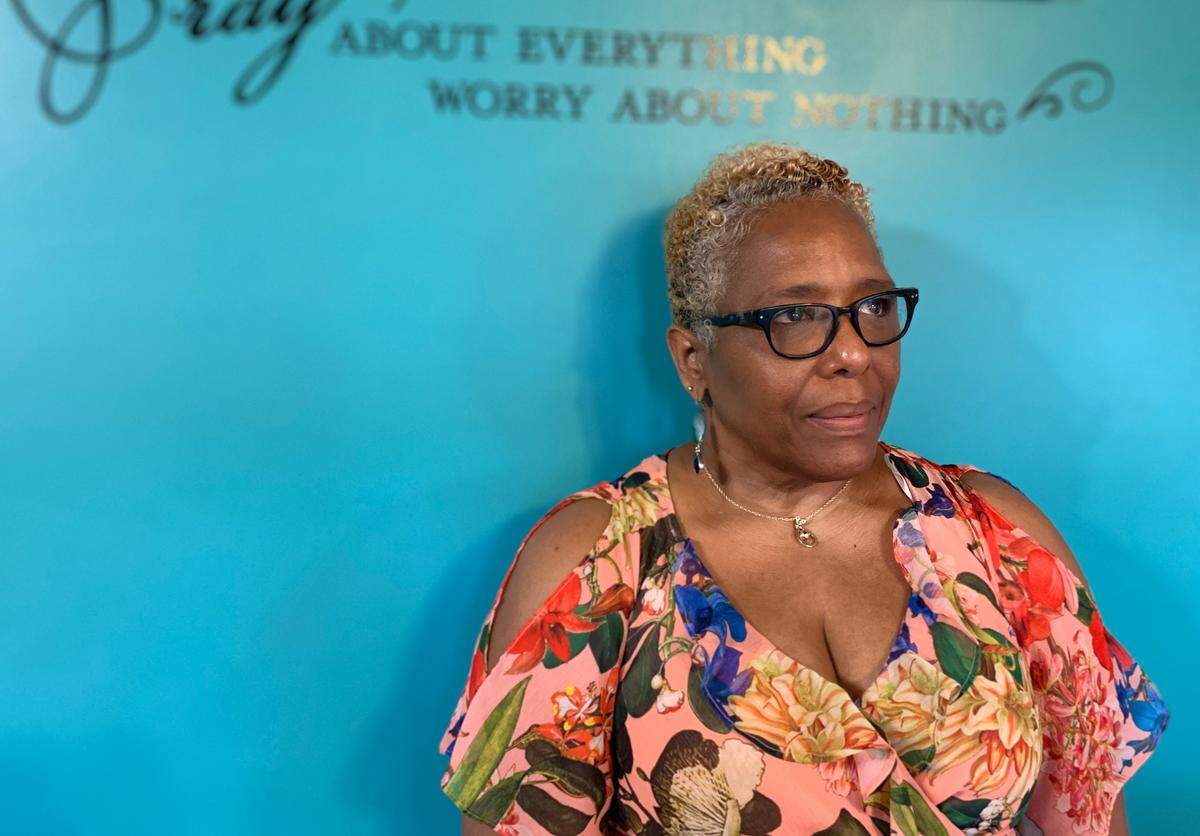
It horrified Deborah Blalock, a Charleston resident and the deputy director of Community Mental Health Services at the S.C. Department of Mental Health. This was a county, she said, that is considered a statewide leader in jail diversion programs and mental health resources. Other parts of the state, she said, would beg to have the services Charleston and its criminal justice system enjoy.
Yet, it was not enough to save Sutherland, a Goose Creek man who died in the county jail less than 14 hours after he was arrested at a psychiatric hospital for a misdemeanor assault charge. He was 31.
“It begs the question: If this could happen in a resource-rich community like Charleston, what happens in communities with less resources?” Blalock said.
Sutherland’s Jan. 5 death has become a catalyst for protests and debates about the intersection of race, mental illness and the criminal justice system. It also raises questions about why Sutherland’s own voice was ignored long before he cried out, “I can’t breathe.”
“I’m mentally ill,” Sutherland shouted as he was being processed into the Al Cannon Detention Center on Jan. 4. He then turned and asked, “This how you treat the mentally ill?”
The answer may lie in Sutherland’s final days when a series of decisions, circumstances and missed opportunities snowballed into a tragedy that might have ended differently if just one of those choices broke his way.
From patient to Charleston jail inmate
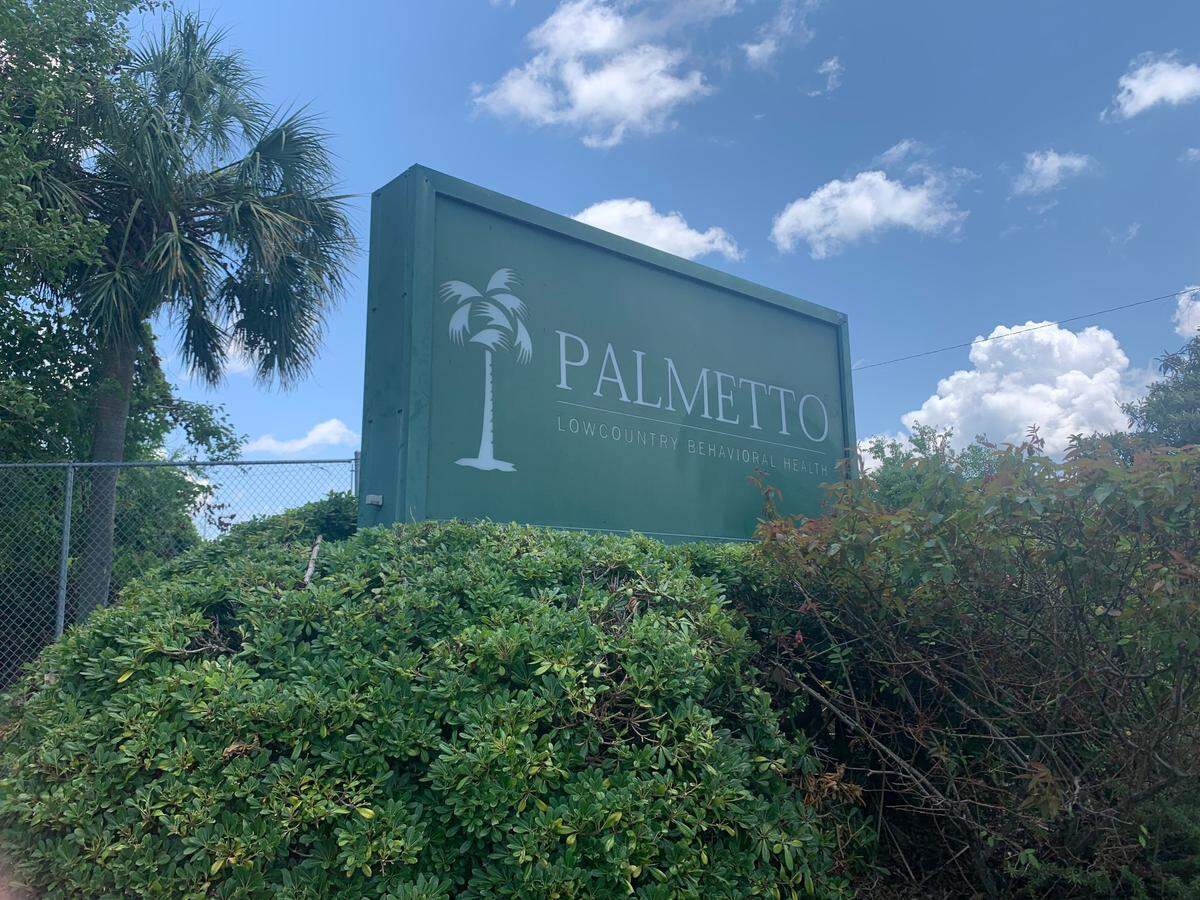
On New Year’s Eve, Sutherland admitted himself for treatment at Palmetto Lowcountry Behavioral Health with the support of his family.
The psychiatric hospital on Speissegger Drive overlooks the calm waters of the Ashley River and markets itself online as a place of “hope, healing and recovery.” Its brochure promises care will come from a “skilled and compassionate team of psychiatrists, therapists, nurses, social workers and technicians.”
Instead, this is the place where Sutherland’s dizzying journey from patient to inmate began.
“It has happened in reverse where someone has gone from a jail to a facility, but this is one of those situations that is pretty rare. Going from a facility to a jail is just backwards,” said Bill Lindsey, the executive director of the National Alliance on Mental Illness in South Carolina.
Body-camera footage from North Charleston police show Palmetto staffers not only asked officers to take Sutherland to jail, but they failed to suggest alternatives. None advocated for his continued care despite Sutherland’s state of mind.
“What are y’all wanting done with them?” a North Charleston police officer asked a staff member at Palmetto. “Are you wanting them to go to a hospital, or what are we doing?”
“To jail,” the staff member replied, as she shuffled papers.
Police responded to the facility on Jan. 4 after a 911 call described a fight between patients and staff. Sutherland was accused of joining in the fray and was charged with third-degree assault and battery.
However, his parents and attorneys have questioned what role Sutherland played in the fight and claim he was trying to intervene — not instigate. Another patient was also arrested that night and faced two charges of third-degree assault and battery.
Along with North Charleston police, Charleston County Emergency Medical Services (EMS) responded to the scene. At one point, an EMS worker noted that patients here have been taken to Bon Secours St. Francis Hospital before.
“So they go to the hospital and not to jail?” an officer asked.
“No, no. They don’t have to go to a hospital. They can go to jail,” the EMS worker responded.
Watching the footage, Lindsey said Sutherland’s behavior should have been a red flag to medical staff at Palmetto.
“If somebody is delusional or hallucinating, that is even more of a sign that they need treatment. They don’t need incarceration, they need treatment,” Lindsey said.
Instead, Sutherland joined a growing list of Americans whose own mental health breakdowns cost them their lives when law enforcement got involved.
With his death in the Charleston County jail, he became the 15th person with serious mental illness killed by law enforcement in South Carolina since 1998 and is among 1,186 lives lost nationally, according to the nonprofit Treatment Advocacy Center.
The national group has tracked these fatal encounters in the U.S. for nearly 25 years and calls them “preventable tragedies.”
“This vulnerable subset of the population deserves help, not handcuffs,” said Geoffrey Melada, a spokesman for the Treatment Advocacy Center.
On Jan. 4, it is unclear what Sutherland thought was happening. In body camera footage released by the city of North Charleston, Sutherland claimed frequencies were being played inside the facility in an attempt to control him. In other moments, Sutherland appeared lucid. At one point, his voice broke as he tried to convince an officer he was telling the truth.
That night, as he waited with a North Charleston police officer outside the psychiatric hospital, Sutherland said, “I come here to get help. I ain’t come here to get locked up.”
A question of care in SC Lowcountry
Diagnosed with schizophrenia and bipolar disorder as a teenager, Sutherland had been in and out of hospitals trying to manage his mental illness as an adult. His mother, Amy Sutherland, said it was only getting harder for her middle child.
Certain sounds, like the roar of over-sized trucks when they accelerate, were bothering him more than usual.
When a flock of ravens kept flying near the house and settling outside his bedroom window, Sutherland told his mom that it was a sign of his pending death. He told her he needed to go back to Palmetto Lowcountry Behavioral Health, where he had received care on and off for three months.
When North Charleston police arrived at the facility, body-camera footage shows a Palmetto staff member walking out of the building wearing a black Puma hoodie over light blue medical scrubs. She is shaking her head.
“We have two patients who need to go with you guys that just beat the s--- out of half of our staff and several of our patients,” she says, pointing to the building. When her eyes land on the guns officers are carrying, she tells police they cannot enter with their weapons.
“Well, if y’all get security to escort them out, we’ll take it from here,” an officer replies.
“We don’t have security here,” she says.
As police wait for the all-clear to enter, another officer says, “I’ve been in here multiple times.”
Records provided by Charleston County Consolidated Dispatch show North Charleston police have responded to this facility at least 450 times since Jan. 1, 2016.
It raises questions about whether Palmetto is able to provide the level of care it promises patients who may be dealing with psychosis and manic episodes where they lose touch with reality.
“If they don’t have security on staff and they have to bring in law enforcement, to me, the only logical thing to do is to get them to a safe or secluded room so that they can decompensate,” Lindsey said.
It’s unclear if that happened on the night of Sutherland’s arrest. Repeated requests for comment from Palmetto Lowcountry Behavioral Health were not returned. However, Timothy Miller, the CEO of Palmetto Lowcountry Behavioral Health, acknowledged receiving an initial request from The State.
The newspaper asked about Palmetto’s staffing levels, its on-site security and whether there was a decompensation room available at the time of Sutherland’s arrest. The newspaper also asked about the facility’s policy on notifying emergency contacts when patients are no longer in their care.
“How you throw my child out and you don’t even notify me?” Amy Sutherland said. “I was supposed to be notified. I would have got him. I would have come in my pajamas.”
In an interview with The State newspaper at their home, Sutherland’s parents described how they now live with reminders of their son’s death. Their living room has become a shrine to the son they lost. His chair at the dinner table, his mother said, will sit empty forever.
Amy Sutherland taught her son at a young age to tell others when he was in trouble and experiencing an episode. She recited the script from memory. It was what he said the night he was arrested. “My name is Jamal Sutherland. I’m mentally ill.”
“He told them. They should have listened,” she said, her voice just above a whisper. “And they did not do anything. All of them failed. Everybody failed him.”
She then looked up to the heavens. When she closed her eyes, tears streamed down her face.
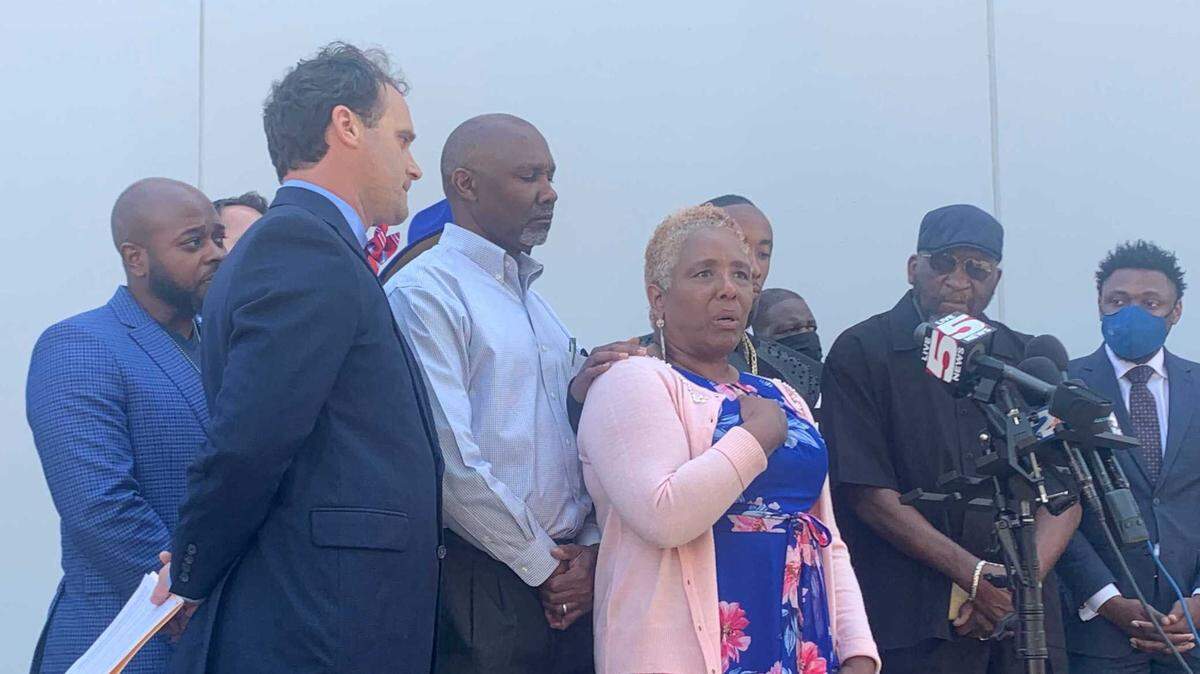
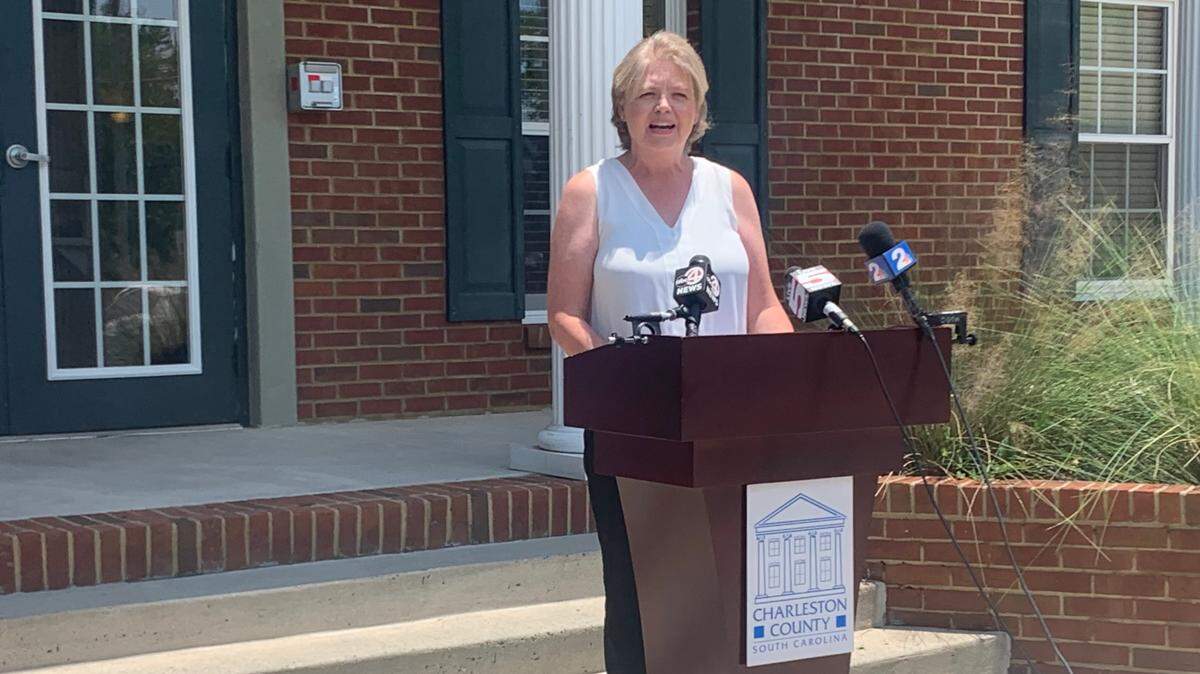
“The goal was to get the help he needed, to get to a place where he could be safe — safe from harm,” the Sutherland family’s attorney Mark Peper said at a May 14 press conference outside the Charleston County jail. “That did not occur. That did not occur for a variety of reasons.”
Then, he shook his head. One of the reasons was beyond anyone’s control.
Closed doors at crisis center
When the Tri-County Crisis Stabilization Center opened in Charleston in 1999, it was the first of its kind in the state. With 10 inpatient beds, the small center carried a big vision: To help keep people in a psychiatric crisis from winding up in hospital emergency departments and detention centers.
When the Charleston County Criminal Justice Coordinating Council set out to reduce the county’s jail population by 25%, this place, which is run by the Charleston Dorchester Mental Health Center, was a key component.
Even now, it remains the only 24/7 crisis stabilization center in the state, according to Deborah Blalock, who led the mental health center for more than a decade before accepting her current role at the S.C. Department of Mental Health.
But on Jan. 4, it would not make a difference for Sutherland. The stabilization center was closed because of COVID-19.
And even if it had been open, Sutherland was already locked out from receiving care here. According to Jennifer Roberts, the executive director of the Charleston Dorchester Mental Health Center, the stabilization center does not accept patients with a recent history of violence, like Sutherland’s assault and battery charge. It is also a voluntary unit, so it is not meant for patients who are already committed at other facilities.
“In-patient treatment is the highest level of care. At that point, jail, unfortunately, is the alternative,” Roberts said of Sutherland’s circumstances.
North Charleston Mayor Keith Summey has denied that North Charleston police could have taken Sutherland anywhere else but jail that night. But Roberts notes there were other resources available, even though law enforcement could not take Sutherland to the stabilization center.
Law enforcement, she said, can call a mobile crisis team of mental health professionals at the Charleston Dorchester Mental Health Center. It is available 24 hours a day, seven days a week, 365 days a year.
In 2020, Roberts said Charleston-area law enforcement called that crisis line 265 times to get assistance with mental health patients or people needing treatment. Law enforcement also dropped off 97 people for assessments at the Charleston Dorchester Mental Health Center, and 70 of those people were diverted from jail.
Roberts could not say whether North Charleston police, Charleston County EMS or the Charleston County Sheriff’s Office called them for help with Sutherland on the night of Jan. 4.
“But if they had asked for our help, we would have been there,” she said.
Major Michael Halley, who is in charge of resident processing and security at the Al Cannon Detention Center, has worked at the jail for 25 years.
“We never thought to even call mobile crisis into the jail for anything other than a release,” Halley said in an interview with The State.
Did the jail see Jamal Sutherland as a person in crisis?
From the moment Sutherland entered the jail, it was clear something was wrong.
No longer in a hospital setting, Sutherland was now in a place where no one had his records. No one knew his history. But he kept trying to tell them.
“Let go,” Sutherland shouted, his hands cuffed and his eyes roaming the room. “Relax,” an officer said.
“Let go of me, now! I need my medicine,” Sutherland shouted.
At least three times while waiting in the booking area, Sutherland said he was mentally ill.
“I was getting ready to go to sleep in the psych ward and y’all want to come f---ing distract me,” Sutherland told officers.
Yet despite being picked up from a psychiatric hospital, when asked if Sutherland displayed any signs of mental illness, a North Charleston police officer checked “no” on Sutherland’s jail intake form.
In the booking area, an intake nurse stood on the opposite side of the room in blue scrubs, passing by Sutherland but never interacting with him as officers repeatedly told Sutherland to stand against a wall.
It raises questions about how people with mental illness are treated once they become inmates.
At a May 14 news conference, his father, James Sutherland, said his son needed someone to talk to. Instead, he was alone.
“He was already afraid and confused about the situation, and there was nobody in there to talk to him with any compassion, to try to reason with him and to let him know what was going on,” his father said.
In an effort to get Sutherland into a cell where he could be by himself, deputies put him in the behavioral health unit, which is meant as a disciplinary ward for inmates who have assaulted officers or gotten into fights with other inmates. Halley said deputies had no other choice. As it often is, the mental health unit at the jail was full, along with its overflow unit.
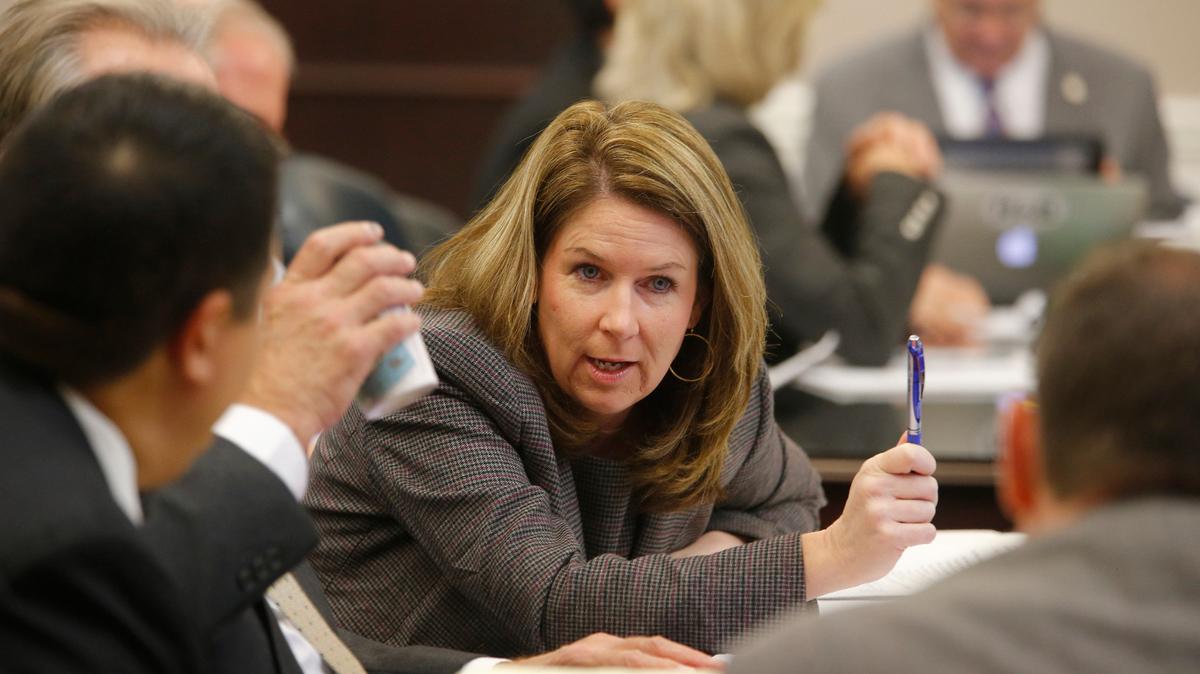
“We may be the largest mental health institution in the state,” Charleston County Sheriff Kristin Graziano said in a recent interview with The State.
According to a 2017 study from the U.S. Department of Justice, it is estimated that as many as 44% of jail inmates have been told by a mental health professional that they had a mental disorder.
Sutherland’s up-and-down mental state that night, Halley said, made it difficult for a medical screening to take place. The goal was to follow up with him after he had calmed down. That effort would come too late.
The mental health assessment that jail staff requested was one of many when staff began combing through referrals the next morning, and there was no way in the system to prioritize Sutherland.
Graziano said changes are underway now to improve that internal flagging system, so that mental health inmates are automatically flagged for a referral instead of having to be manually requested by staff.
But as deputies barked orders on the morning of Jan. 5, trying to draw Sutherland out of his jail cell to get him to a bond hearing, he asked, “What’s the meaning of this?”
No one answered him. Instead, a deputy yelled, “Turn over on your stomach!”
Did he have to go to a bond hearing?
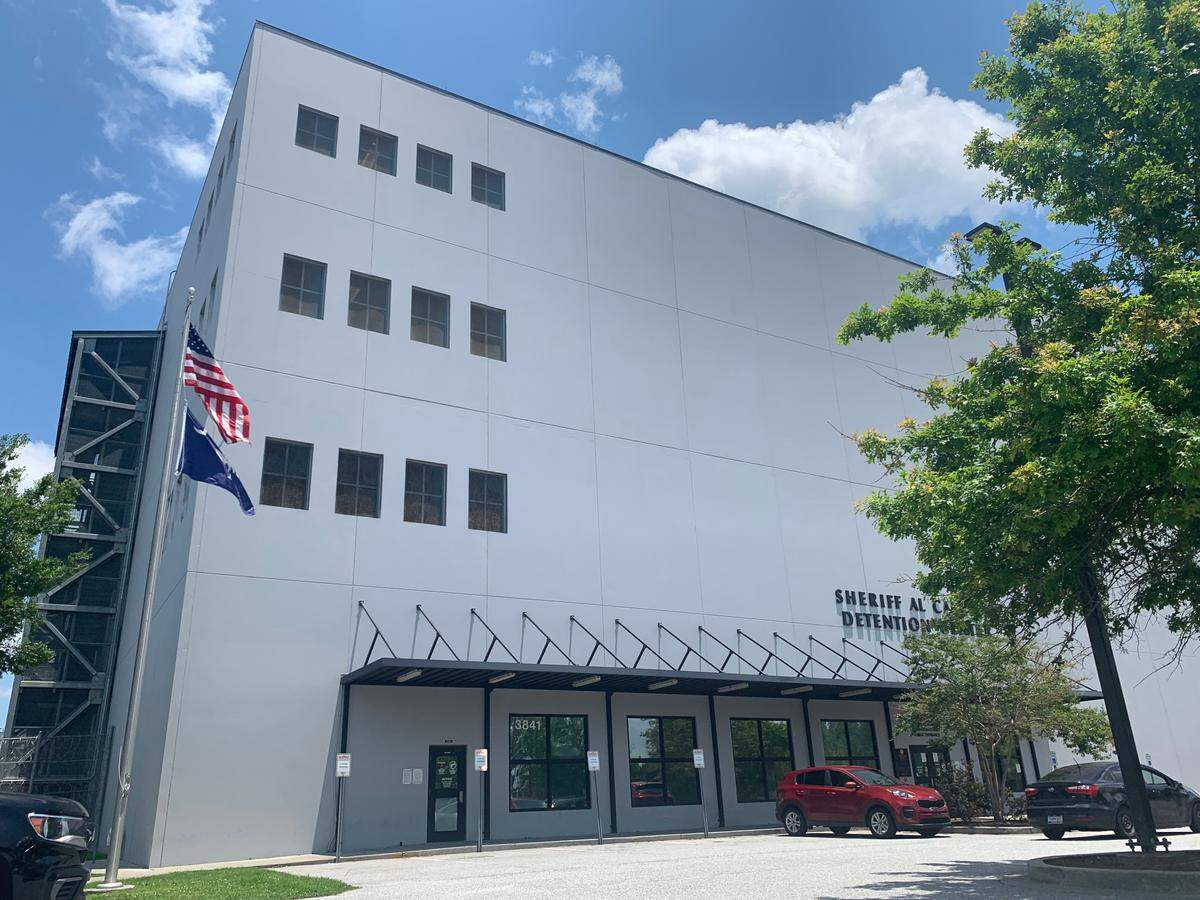
The day Sutherland died, there was a new sheriff in Charleston County, but old directives were still in effect. The execution of one of those policies would end in Sutherland’s death.
The bond hearing policy in place on the morning of Sutherland’s death said inmates could refuse to appear at a video-conference bond hearing but also that the court could ask inmates to make their refusal via video. It was reviewed by The State as part of its weeks-long investigation into the circumstances surrounding Sutherland’s death.
The policy also said that if a judge ordered an inmate to be brought in front of them, then “the inmate shall be escorted to bond court” by the detention center’s in-house SWAT team.
The commission of that policy, however, resulted in a miscarriage of state law.
A one-page summary of telephone interviews conducted by the Sheriff’s Office and reviewed by The State shows how it went wrong in Sutherland’s case.
Of six jail employees interviewed about Sutherland’s bond hearing, five of those employees said a former jail chief had told deputies that inmates could not refuse a bond hearing.
“I think the idea of ensuring that everybody had access to their bond hearing and knew that was their right is a good thing. And that may have been the original intent, but going from that to forcing someone is where it went awry,” said Shirene Hansotia, the criminal justice policy and legal counsel at the ACLU of South Carolina.
Under South Carolina law, a bond hearing is required to occur within 24 hours of an arrest. However, it does not state who must attend it.
“An inmate can refuse a bond hearing, but that wasn’t the choice that the officers had because it was a directive,” Graziano said in explaining why Detention Sgt. Lindsay Fickett and Detention Deputy Brian Houle tried to forcibly remove Sutherland from his cell.
Graziano said a sergeant spent 45 minutes talking with Sutherland to try to get him to bond court. The two had a rapport going, she said, but it still wasn’t working.
“We didn’t have to go any further from that point. It’s just reporting back to a judge, ‘It’s not working. He’s not coming out. Now he’s refusing.’ If a judge at that point says, ‘I want them in front of me,’ that’s different, but I don’t think that happened; I don’t think that happens anymore,” said Graziano.
Halley said the deputies were trying to get Sutherland into an emergency restraint chair so they could roll him to the videoconferencing room, where he could then refuse his bond hearing. Instead, Sutherland ended up on the floor, where he was shocked at least six times with a Taser before deputies pressed a knee into his back.
Graziano fired Fickett and Houle in May, and 9th Circuit Solicitor Scarlett Wilson continues to investigate the case. Wilson initially said she would determine whether the deputies should be criminally charged by the end of June. On Tuesday, she announced she needed more time.
Since Sutherland’s death, the jail has changed its policy. Deputies can now walk to an inmate with an iPad that records the inmate’s bond court refusal, which is then shared with a judge.
Hansotia said she watched the footage of deputies trying to remove Sutherland for the bond hearing, and she called what happened “part of a whole systematic failure.”
“It was shocking in its brutality, not necessarily shocking that it happened,” said Hansotia, who spent five years working as a public defender in Charleston County.
“This was a regular policy,” Hansotia said, disbelief hanging in her voice. “We just didn’t know about it because no one had died previously.”
A lost opportunity for deputies to de-escalate
Intake records show Sutherland was at the Al Cannon Detention Center for 13 hours and 54 minutes: Long enough to receive breakfast, but not long enough to get a mental health evaluation or even a mugshot.
Sutherland was supposed to get an evaluation later that morning, Halley said, but Sutherland would not survive an extraction from his cell. Charleston County Coroner Bobbi Jo O’Neal on June 16 said a death investigation shows Sutherland died of a “cardiac event.”
Sutherland’s death certificate, which once listed his manner of death as “undetermined,” now says “homicide.”
Graziano, whose first full day as sheriff was the day Sutherland died, said there were moments when deputies could have made different choices, especially after Sutherland was pepper-sprayed twice.
“When the decision, at some point, was made to take him out of the cell, and they introduced a chemical irritant and the chemical irritant was not effective, I thought we lost an opportunity to de-escalate,” Graziano said.
“As law enforcement in the field, we don’t always have time on our side. We don’t always have the ability to separate without somebody becoming a threat to somebody else. But in a jail setting, we’ve got all day. We’ve got all night. Time is on our side. So there’s no reason to rush.”
As the jail’s medical staff tended to an unresponsive Sutherland, Houle told them Sutherland was “tased about six to eight times, at least.”
However, O’Neal said her office’s death investigation shows only one Taser probe mark was found on Sutherland’s body, according to an autopsy. It suggests Sutherland may only have been hit directly by one Taser.
Graziano said distance matters with Tasers. At close range, deputies were not getting the spread necessary to reach large muscle groups. When a stun gun is fired, it releases a coil with two small barbed prongs attached. The barb has a slight hook and, when fired correctly, it punctures the skin to deliver an electric current to the muscle system.
But when a Taser barb comes out of the body or never hits the skin, the circuit is disrupted. No voltage can pass through. It still has an effect, though.
“All it does is piss people off. It just pisses them off,” Graziano said, comparing the feeling of those barbs to bee stings.
For Sutherland, who one day before was in a psychiatric hospital and was now in an unfamiliar environment, the experience could have been overwhelming: voices echoing off cell walls, the electric hum and pop of a Taser and the pricks of Taser darts.
On top of that, armed officers in tactical gear kept shouting commands at him. A person with serious mental illness, especially those who may already be hearing voices, cannot always parse out who they should be listening to, Blalock said.
When Fickett and Houle gave instructions to Sutherland, both were yelling at him.
“It’s so much the way that we act or react that can be the difference in the outcome of a situation,” said Lindsey, of the National Alliance on Mental Illness in South Carolina. “You want to de-escalate the situation because not only do you want the patient to be safe, but you want law enforcement to be safe.”
To Lindsey, the footage of Sutherland’s jail death reaffirmed the need for more Crisis Intervention Training, or CIT, in the state.
The 40-hour class, which is offered free statewide, helps law enforcement deal more effectively with people who have mental illness. It’s heavy on role-playing scenarios, but officers also hear from real people with mental illness who share their experiences with law enforcement, including what would have helped them in a crisis.
Since 2017, Halley said 53 people who work at the Charleston County jail have undergone crisis intervention training, but it is unknown how many of those 53 still work at the jail and in what capacity. There are 262 detention officers and 74 support staff currently working at the Al Cannon Detention Center, for a combined total of 336 jail employees.
Halley also could not say whether Houle and Fickett were CIT-trained. He said their files could not be accessed due to ongoing investigations.
North Charleston police, who also interacted with Sutherland, told The State that, so far, 138 of its officers — or 43% — have received crisis intervention training.
Graziano has gone through the training at least twice. She said it changed the way she did her job and has helped prevent situations involving people with mental illness from turning deadly.
Sutherland’s death, she said, will change how her deputies interact with people who are in a mental health crisis.
“The humanity in me says we should have done better,” the sheriff said, “but I can’t control the circumstances that got him there.”
This story was originally published June 30, 2021 at 5:00 AM with the headline "‘This how you treat the mentally ill?’ How Charleston failed Jamal Sutherland."