Hurricanes, flooding devastate SC. Trauma follows. Is crisis mental health care enough?
Editor’s Note: This story has been updated since publication to include further comment from FEMA and clarify details about a federal disaster case management grant for South Carolina’s Hurricane Florence response.
This story was published in partnership with the Center for Public Integrity and Columbia Journalism Investigations.
In 2016, as Hurricane Matthew slid steadily up Florida’s coast, Stephen Flannery packed his camper, loaded up his dog and drove north.
He was lucky, he said. While the storm battered Hilton Head Island, pitching boats into a haphazard jumble and ripping up trees, Flannery found refuge with friends.
But he couldn’t truly rest. Flannery fretted over the home he’s owned on the island for over two decades. After Matthew passed, he frantically contacted friends, trying to get an update. One texted him a photo.
“Oh my God, it looks like a real estate picture,” he thought. “There wasn’t a stick in the wrong place.” On either side, fallen trees blanketed his neighbors’ houses. Flannery is no stranger to storms, but the experience shook him.
“It clearly had an effect on my psyche,” he said. “I get stressed out about things. I have difficulty sleeping sometimes.” Since Matthew, Flannery sometimes wakes up in the middle of the night, sweating and anxious.
Across South Carolina — and the country — he is not alone.
Studies have shown similar outcomes with symptoms of anxiety, depression or post-traumatic stress following other hurricanes, floods and wildfires — natural disasters that are intensifying as climate change accelerates.
Already, South Carolina has faced seven such events costing at least $1 billion each in the past decade, almost double any period previously recorded. Mental-health experts worry the psychological toll from these increasingly common cataclysms — with a pandemic now overlaid on top — could be unprecedented.
The nation isn’t ready.
The country’s primary aid for mental health after disasters is the Crisis Counseling Assistance and Training Program, run by the Federal Emergency Management Agency and the Substance Abuse and Mental Health Services Administration. Every year, the program distributes an average of $24 million, or 1% of FEMA’s annual total relief fund, to send mental-health workers into disaster-stricken communities and provide other support.
But the Center for Public Integrity, Columbia Journalism Investigations and The Island Packet found that this help usually lasts about a year, even though the psychological effects can linger for many more, and reaches only a fraction of survivors.
After Hurricane Florence deluged Myrtle Beach and South Carolina’s Pee Dee region, for instance, only about 3.4% of residents received counseling.
The FEMA-funded program has given out $867 million nationwide in its more than three decades of existence — just slightly more than the money one Defense Department agency lost track of in a single year.
Studies show other forms of federal assistance, like housing aid, are distributed unevenly, exacerbating inequalities and drawing out recovery for communities of color and people with less money. This, in turn, compounds the trauma and emotional burdens of a disaster.
The Substance Abuse and Mental Health Services Administration referred questions to FEMA, which funds the effort. FEMA said its program, often shortened to CCP, provided counseling to 1.4 million people in the past five years and gave brief help to several million more.
“The toll that disasters put on mental health is well documented and part of the reason FEMA funds the CCP,” a spokesperson wrote in an email. The program, however, “exists to supplement, not supplant, state, local, tribal, and/or territorial resources.”
But more Americans are affected by climate-driven disasters every year, with serious emotional consequences. Even with FEMA aid, state and local resources aren’t enough.
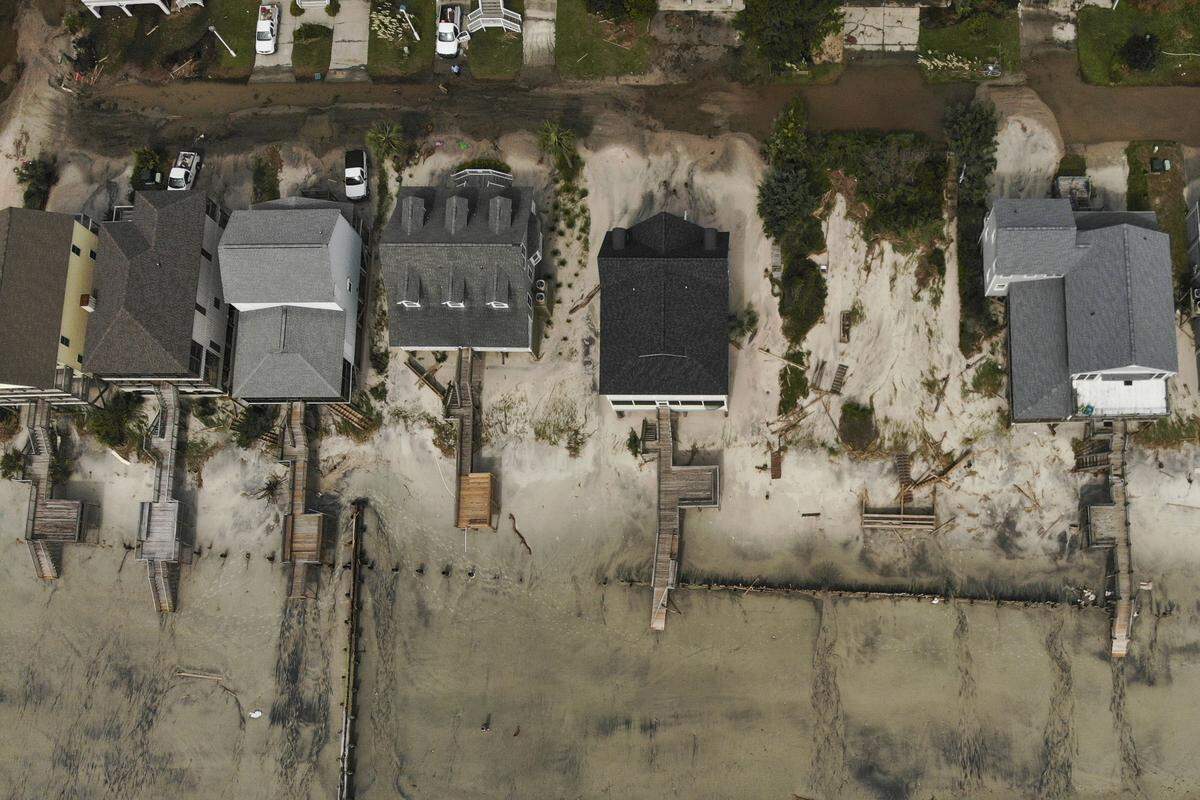
Public Integrity, CJI and newsrooms across the country asked people affected by hurricanes, floods and wildfires — and the professionals helping such survivors — to share their experiences. More than 230 responded to the online survey, most from regions repeatedly hit by disasters in the last decade. That ranged from Puerto Rico, struck by seven major storms, to some Northern California communities fighting wildfires every year.
Seventy percent of the survivors said they did not get mental-health services after their experience, for reasons ranging from cost to their belief that they didn’t need help. But the struggles they linked to the disaster — from anxiety and depression to trouble sleeping — suggest that many could have benefited from the support. Over 60% of survivors reported five or more types of emotional challenges in the first year after the disaster.
In Charleston, Ana Zimmerman woke up in the middle of the night during the 2015 “1000-year flood” and stepped into water collecting on the floor of her room. She rebuilt. Then in 2017, flooding from Tropical Storm Irma destroyed her home and almost everything she owned. “Every time it rains, I think of floods,” Zimmerman, who was diagnosed with PTSD, said. “Worry feels like dread.”
Many in South Carolina have experienced flooding over the past decade, including people who live far inland. The historic downpour in October 2015 breached dams and led to hundreds of water rescues in Columbia and the Midlands.
And as scientists warn that the warming climate will keep adding fuel to extreme storms, South Carolina is increasingly at risk. Forecasters with the National Weather Service are predicting a busier-than-usual Atlantic hurricane season this year, with 13 to 19 named storms.
Trauma from these events can have a compounding effect, says Rosaura Orengo-Aguayo, a clinical psychologist and researcher at the Medical University of South Carolina who studies natural disasters and trauma.
“Right now, folks have been dealing with the stress of COVID, so their bucket is full,” she said. “And now on top of it, we’re pouring more stress. The bucket is going to overflow.”
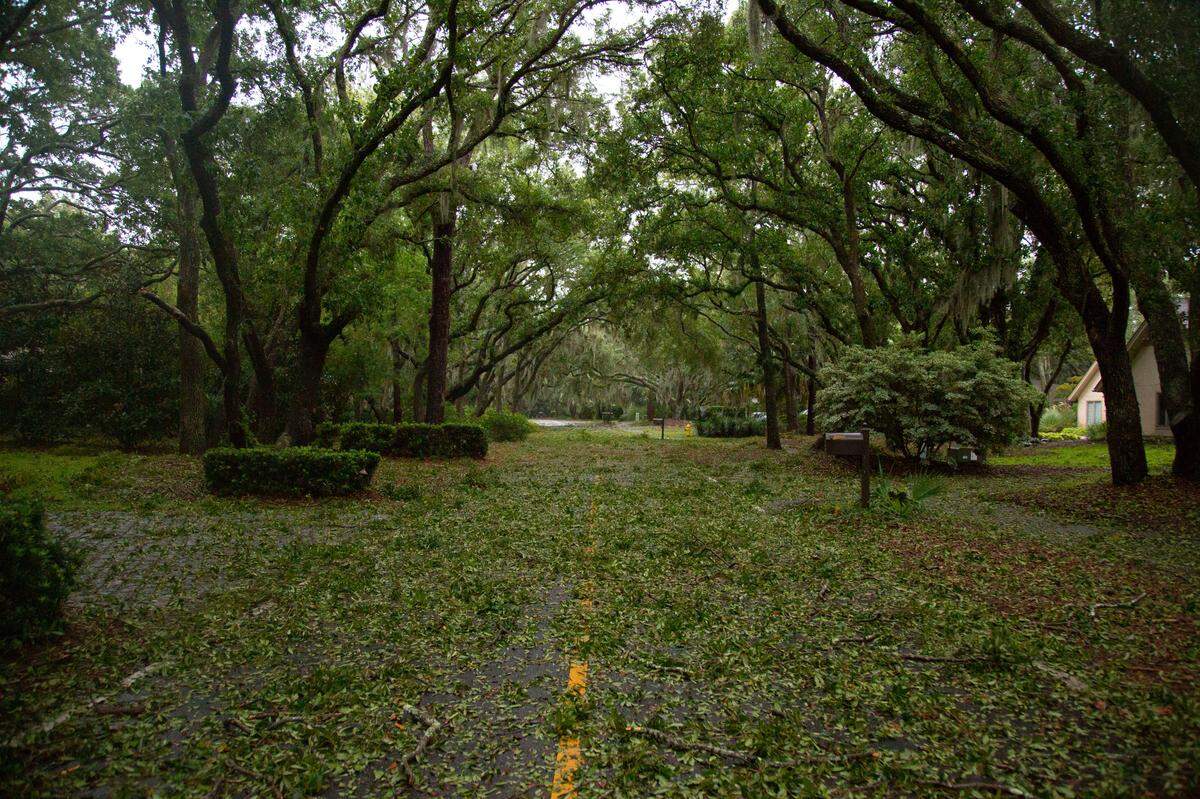
For Flannery, powerful tropical storms are nothing new.
The New York state native has worked for decades in hospitality and restaurants. For almost five years, he helped run a hotel in the Bahamas.
“We had 27 named hurricanes roll above us, below us, right over us,” he said. “It’s a stressful thing.”
Still, as a bartender on Hilton Head, where he’s spent the majority of his life, Flannery says the past five or six years have felt different. In food and beverage, September and October can be a lucrative time of year. But when an evacuation is called, all that is put on hold, he said.
“As a person who lives and dies by tourism, (a hurricane) can take 20% of your year’s money, easily,” Flannery said.
That can be crippling, he said. “There’s nothing worse than a storm that’s tracking your way.”
States depend on FEMA funding for crisis mental health care
FEMA’s Crisis Counseling Program was made for people like Flannery. But he says it never reached him.
Established in the 1980s as a short-term disaster relief grant, the program funds free emotional help for anyone affected by a major disaster. It’s been used in every state, plus Puerto Rico and other territories, for more than 400 traumatic events in all.
States with some of the most damaging climate-related catastrophes in the last decade, including South Carolina, said they rely largely — often entirely — on the program’s funding to support disaster survivors’ mental health in the immediate aftermath of large weather events. That typically includes state hotlines and crisis counselors who, until the pandemic hit, would go into communities and offer help in person, sometimes door-to-door.
After floods and hurricanes in South Carolina, for instance, counselors showed up to town halls, local meetings, even Christmas parades.
The temporary employees go through a whirlwind training and then set out to participate in relief efforts by connecting residents with resources and educating them on the effects of stress, according to William Wells, emergency preparedness and response manager for the S.C. Department of Mental Health, and one of the officials who administers the state’s crisis counseling program, known for years as Carolina United.
States are required to plan for the mental-health consequences of disasters. Officials said they’re grateful when they get CCP funding and appreciate the flexibility to plan the response they think will suit their communities best. But the way the program works can also impede efforts to help.
Though disasters always impact mental health, states don’t automatically get the funding. Wildfires often aren’t deemed large enough to qualify. When events do pass the magic threshold, states must complete long applications justifying the need. Iowa’s most recent request, for instance, ran 168 pages. And states must fill out two applications if they want to access the full program because FEMA splits it into “immediate” and “regular” phases. The second application can take months to be approved.
The agency’s reasoning is that states should only receive assistance if the event would overwhelm existing mental health services. But that’s almost always the case for major disasters, said Karen Hyatt, emergency mental health specialist for the Iowa Department of Human Services.
“Even when … other FEMA programs are up and running, crisis counseling program administrators are still writing the grant,” she said.
South Carolina is relatively unique in that it does not contract out its mental health services to private entities, allowing for more flexibility after a natural disaster, said Wells. Most states depend entirely on federal grants to fund crisis mental health care in these situations, he said.
“We, at the same time, are very dependent on requesting and receiving FEMA dollars to come into the state to assist with these programs,” he said.
There’s also the problem of how long funding lasts. The program typically ends after a year, even though studies show that emotional burdens can persist far longer.
“Funding typically is a band aid,” said MUSC’s Orengo-Aguayo. “We focus on the immediate needs, which is housing, food, water shelter. But now research is telling us if you don’t focus on the mental health from the beginning, you’re going to have issues decades down the road.”
Of the nearly 200 survivors that responded to the survey by Public Integrity, CJI and partner newsrooms, a third were still reporting five or more types of emotional struggles today — at least three years post-disaster, in many cases. Though people across the country participated, the survey isn’t nationally representative, and it may have drawn respondents who are more affected by disasters than average.
But this finding echoes earlier research: Epidemiological studies found emotional disturbances three years after Superstorm Sandy in 2012. One study of low-income mothers affected by Hurricane Katrina in 2005 discovered one in six with post-traumatic symptoms 12 years after the storm.
And the new reality of back-to-back disasters gives people little time to heal, said Amber Twitchell, associate director at On The Move, a social-services organization in California’s Bay Area. Since the Sonoma Complex Fires in October 2017, she said, “We have been in a constant state of disaster response.”
After some storms, crisis counselors’ reach is limited
Public Integrity and CJI reviewed the Crisis Counseling Program response to six major disasters: Floods in Missouri and Iowa; the Camp Fire in California; and Hurricanes Harvey, Maria and Florence in Texas, Puerto Rico and South Carolina, respectively. The program’s reach varied but was small compared to the scale of the disasters, according to federal data obtained through a Freedom of Information Act request.
Puerto Rico’s CCP, which was extended beyond two years to accommodate the high level of need, reached the most people. Of the island’s 3.2 million residents, 580,000 met with counselors for sessions lasting longer than 15 minutes. Yet even there, some areas appear underserved. In Ponce, 35% of residents applied for FEMA financial aid — one indication of how many people were affected — and only 7% received counseling sessions.
In the aftermath of Hurricane Harvey, roughly 22,000 Houston residents — less than 1% of the population — received counseling within the 14 months the CCP program was activated there. At the same time, about 341,000 people there applied for housing or property aid from FEMA.
Presented with Public Integrity and CJI’s findings, a FEMA spokesperson said the program supplements local mental-health services, so “there is no universal ideal or adequate level of counseling post-disaster — it varies not only by locality but also by disaster.” The agency added that crisis counseling is available to all U.S. residents through the federal Disaster Distress Helpline.
South Carolina has employed CCP funding seven times, three of them in the last five years after major hurricanes and flooding events, and the program has reached tens of thousands of residents affected by disasters.
After Hurricane Matthew in 2016, over 100,000 people in 24 counties received individual, family or group counseling through CCP programs, according to SAMHSA data obtained by the Packet and analyzed by Public Integrity and CJI. In Marion County, this translated to about 43% of the total population.
But in some counties where the counselors were deployed, just a fraction of the total population received counseling.
In Beaufort County, where 80,000 lost power and an estimated 120,000 trees were downed, just 2% of residents, about 4,000 survivors, saw counseling, even though over 7,000 applied for financial assistance through FEMA, a rough indicator of the extent of the storm.
Two years later, a similar crisis counseling program struggled to replicate the impact it had during Matthew.
In 2018, Hurricane Florence dumped record rainfall on the state’s Pee Dee region, spawning tornadoes near Myrtle Beach, breaching dams in rural Chesterfield County and inundating the tiny town of Nichols in Marion County, which had been devastated by Hurricane Matthew two years earlier.
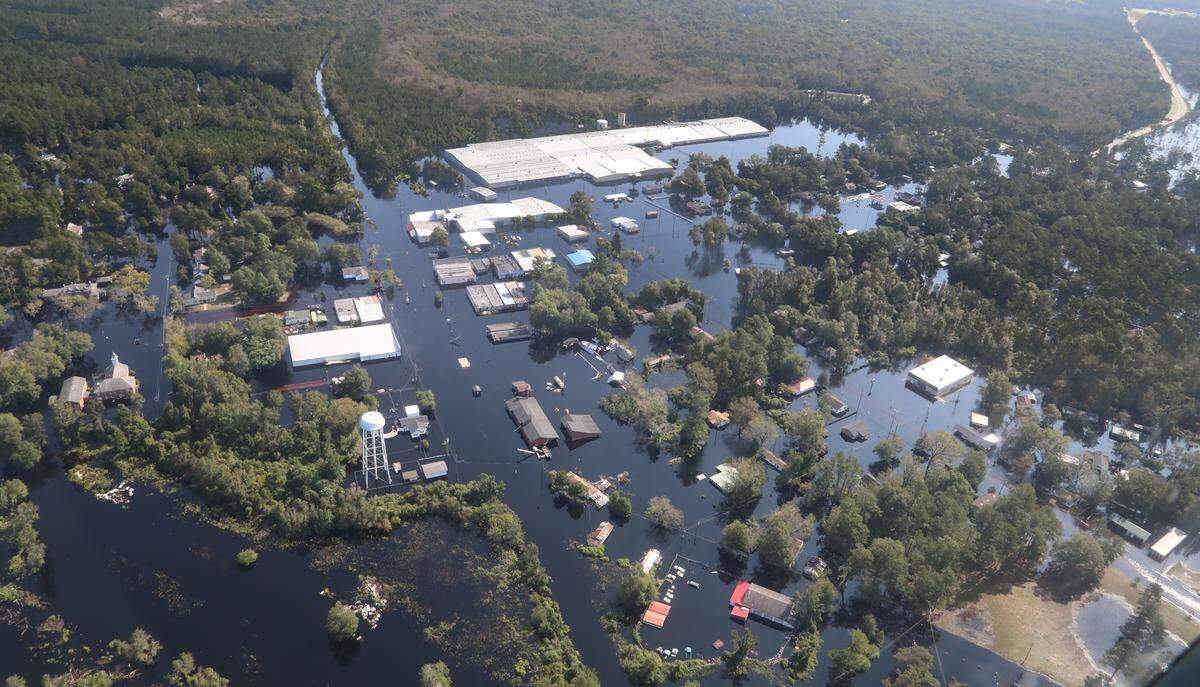
About 17% of Marion County, roughly 5,000, people met with crisis counselors for more than 15 minutes, SAMHSA data show. In the more populated Horry and Florence counties just 2% got counseling.
Wells said his department had originally requested five teams of counselors for Florence, but FEMA only funded three — and for an abbreviated time period. Just 24 people were to cover an area of roughly 4,000 square miles, much of it made impassable by downed trees and flooding after the storm.
Shelters had closed before teams were in the field, so counselors often had to reach residents at home. They encountered bears, bobcats and alligators and traversed dirt backroads to reach survivors.
Making matters worse, FEMA didn’t immediately fund a disaster case management program, cutting the team off from a major source of referrals and a list of people who were working with the federal agency for aid, according to a final report for the crisis counseling program. “We had a lot of difficulty finding people,” Wells said.
Some of these people had also survived the 2015 floods and Hurricane Matthew in 2016, resulting in “reports of past trauma,” according to the final report. “Many survivors had not completed repairs or returned to a normal life,” it said.
While he praised the heroic efforts of his team, Wells said CCP programs like the one implemented after Florence always leave behind unmet needs. “We never do as much as we would like to do,” he said.
In a statement to The Island Packet, a FEMA spokesperson did not directly address questions about the funding level or reach of the Florence response, saying that state officials “managed day to day operations of the program.”
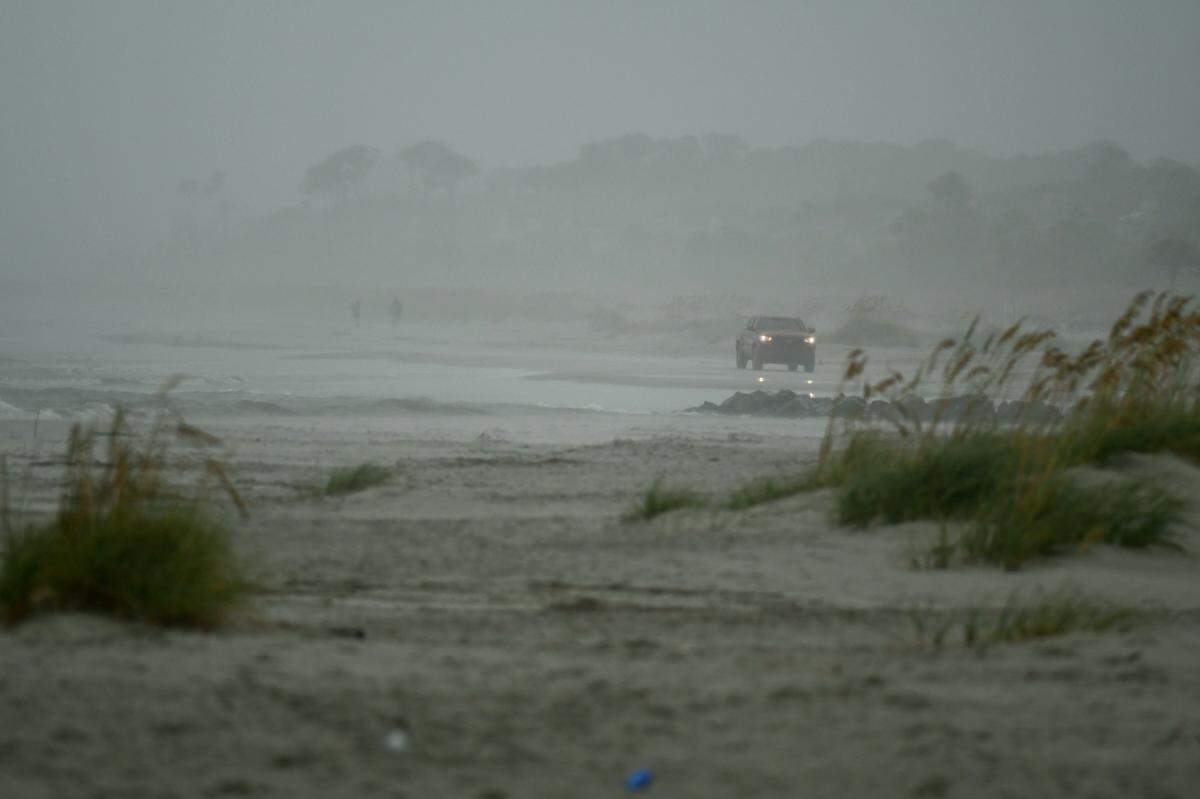
The long, uneven road to recovery
How well or quickly someone recovers emotionally from a disaster can depend on how well and quickly they recover in other, more tangible ways.
“It’s not just initial exposure” to a flood or wildfire, said Sarah Lowe, a psychologist and professor at Yale School of Public Health. “It’s more than that: dealing with bureaucracies, finding someplace else to live, financial impacts.”
The “accompanying adversities,” said MUSC psychologist Orengo-Aguayo, can pile up. “It’s losing that job, not having access to loved ones for a long time. It’s the fear of the next one that’s going to hit.”
One example of those traumatic ripple effects: Major disasters worsen homelessness.
In the 2017-2018 school year — marked by Hurricanes Harvey, Irma and Maria — the number of homeless students jumped 57% in districts where a hurricane, flood, coastal storm or wildfire damaged property, according to a Public Integrity/CJI analysis of federal data.
In unscathed school districts that year, student homelessness was virtually unchanged.
The longer the recovery takes, the worse that mental-health outcomes can get. This was clear, experts said, from Louisiana after Katrina, where many lived in damaged homes for years and felt forgotten.
Recovery efforts after Hurricane Harvey were widely applauded by both government officials and emergency management experts. But even in Houston, thousands of low-income homeowners are still seeking aid to repair hurricane damage to their homes, according to the city. Recent analyses show that part of the reason may be the unequal way the federal government distributes aid.
In one study, researchers at the University of Colorado Boulder and the Federal Reserve Bank of St. Louis found that bankruptcy rates in Houston after Harvey rose nearly 30% for flooded low-income households while remaining flat — or even declining — for flooded higher-income households. Emily Gallagher, a finance professor who co-authored the study, attributed that to the fact that those same low-income areas — as well as majority Black and Hispanic neighborhoods — were also less likely to secure federal disaster aid.
In majority-white Houston neighborhoods like Greater Heights, for instance, the rate of approval for FEMA housing aid was 20%. In the Fifth Ward, a majority-Black neighborhood, the rate of approval dropped to 15.5%. This pattern was consistent throughout the city.
“It isn’t because there was less damage in minority areas,” said Gallagher, whose study controlled for that. Her conclusion wasn’t that FEMA is actively discriminating, but that the agency may not be accounting for the way that race in America, after decades of systemic discrimination, is linked “with factors that make it harder to get a grant.”
FEMA’s case workers do their best to help all people struck by disaster, regardless of their background, an agency spokesperson said: “To imply that FEMA does not or would not grant assistance to any survivor in need is grossly inaccurate, misleading and disturbing.”
Nationally, other studies have shown differences in aid. Nearly 60% of requests for federal disaster loans were denied from 2001 to 2018, and tens of thousands of other applicants were kicked out of the process before a decision was made, according to a Public Integrity investigation. Ninety percent of denials were due to “lack of repayment ability” or “unsatisfactory credit history,” one way that lower-income disaster survivors get shut out of recovery help.
Wells with the Department of Mental Health in S.C. said some residents’ difficulties receiving FEMA aid after disasters in 2015 and 2016 tarnished the federal agency’s image. His crisis counselors found “a great deal of anger in communities,” and explained repeatedly that while they were funded by FEMA, they were employees of DMH.
In subsequent disasters, federal agencies have asked DMH to omit their names in grant-funded program materials, instead relying on DMH branding and well-known Carolina United moniker and more recently its updated name, SC HOPES, Wells said.
In a statement, a FEMA spokesperson said the agency couldn’t confirm if this directive was given to state officials or why, explaining that, generally speaking, branding decisions are sometimes made to reduce public confusion about a program targeted at a certain geographic area.
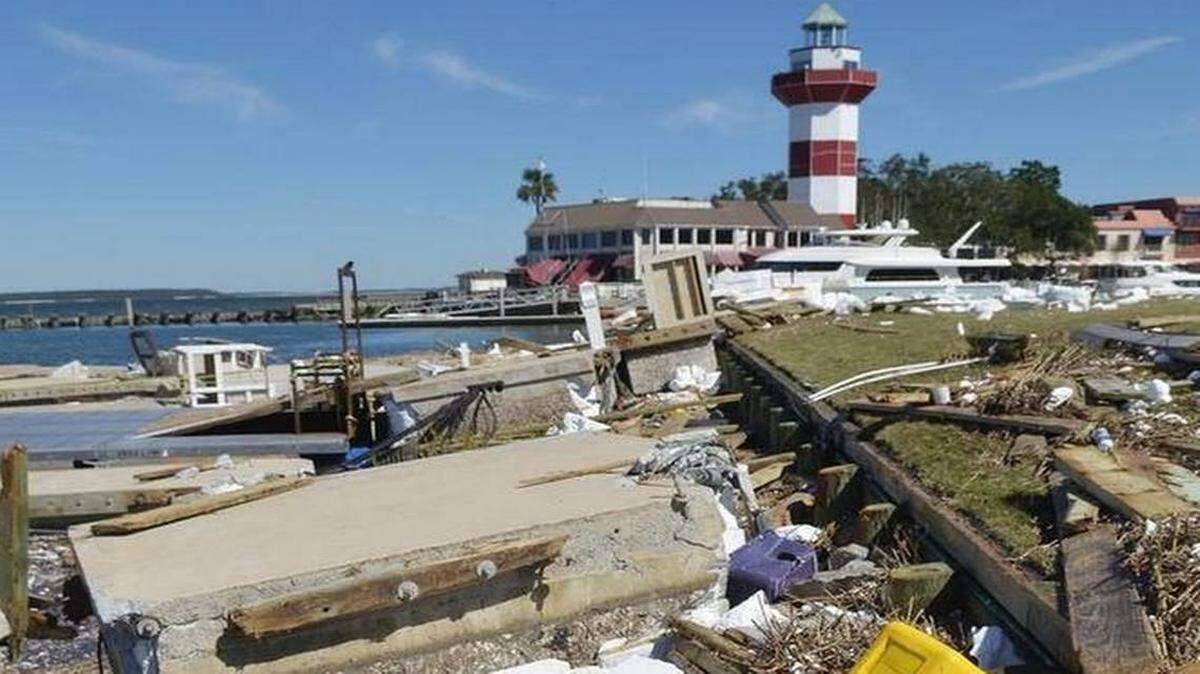
‘Such a betrayal’
Few Americans are protected from disaster-related stress this year. As COVID-19 exacts collective trauma, more than 40 states and territories so far, including South Carolina, have launched federally funded crisis counseling programs in response.
But the need to stay physically distanced upends the way disaster counseling usually operates. States scrambled to organize video calls and are relying more on hotlines. Unable to send people door to door, they’re hoping that online announcements, posters in stores or pamphlets with food aid will get the word out that help is available. In the midst of all this, some officials are also trying to support the mental health of people who survived extreme weather before the pandemic hit — and they’re bracing for more climate disasters.
“Just being able to reach out ... has been a challenge,” said Garcia Bodley, director of the Louisiana Department of Health’s crisis counseling program. “We’re missing that connectivity we’ve had in the past.”
For the survivors of recent hurricanes, floods and wildfires, the coronavirus represents yet another weight. About three-quarters of those who took the Public Integrity/CJI survey said the pandemic is compounding their previous disaster experience, from piling on more stress to further eroding their finances.
Many of the survey respondents are profoundly anxious about the future. Nearly all were concerned that their community will be hit by more disasters; two-thirds were very concerned. A few had already moved at least in part for that reason.
And they’re deeply frustrated about the government’s preparedness for and response to disaster. Two-thirds rated it “poor.” Only 12% said it was “good” or “great.”
The problems they identified ranged from scant rebuilding help to local development decisions that worsen flooding, a problem so common that the flood-survivor organization Higher Ground now has more than 50 chapters in the U.S. And then there’s the halting, often nonexistent response to the warming climate supercharging storms and fires.
“After a disaster, if the government does not declare a climate emergency and start acting like it, it’s just such a betrayal,” said Margaret Klein Salamon, a psychologist who started the advocacy group The Climate Mobilization after living through Superstorm Sandy. Providing mental-health support to survivors even as elected officials fail to rein in global warming “is like a Band-Aid. How can we trust a government that does so little to protect us?”
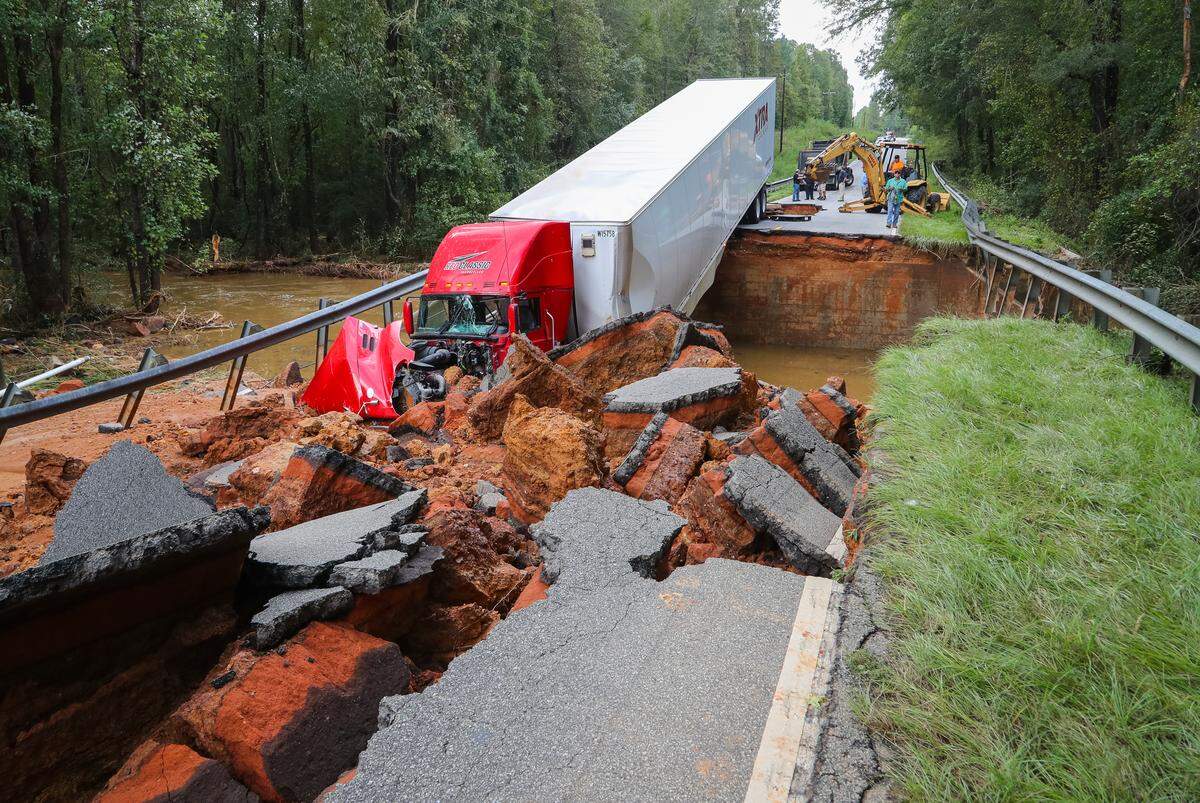
Even when it’s working well, crisis counseling may be only the start of what survivors need. Counselors try to connect people with longer-lasting services when required — that’s the logic for why the program ends after a year. But America’s fragmented system of mental-health care is strapped at the best of times.
Almost a quarter of all U.S. adults with a mental illness reported that they were unable to get the treatment they needed, according to the advocacy group Mental Health America. Some of the most common reasons: lack of insurance, lack of providers, an inability to cover copays.
Asked how the country should change its response to psychological damage in an era of worsening disasters, FEMA said: “There is a need for investment in mental health services at every level, but especially at the local, state, tribal, and territorial levels. Survivors will always receive the best, most appropriate services from those who live in their own community.”
Using data from FEMA and the Centers for Disease Control and Prevention, Public Integrity and CJI identified 178 U.S. counties or municipalities predisposed to disaster-driven mental illness. Twenty-two of South Carolina’s 46 counties made the list.
All have vulnerable populations that were hit by multiple, property-damaging hurricanes, floods or wildfires in the last 10 years. At least a quarter of those 178 places, including rural Jasper County near Hilton Head and Bamberg and Newberry counties, have poor access to psychological care, according to County Health Rankings.
Flannery hasn’t sought out professional mental health care. As a bartender, sharing with his customers is its own kind of therapy, he said.
He tries to maintain a healthy routine, anchored by walks on the beach with his dog. During the pandemic and when major disasters hit, he says residents have to be able to lean on their government.
“It’s relying on our government to step in and do the things an individual can’t, that has to come first,” he said.
Kio Herrera, Chris Zubak-Skees and Molly Taft contributed to this article. Dean Russell is a reporting fellow for Columbia Journalism Investigations, an investigative reporting unit at the Columbia Journalism School. Funding for CJI comes from the school’s Investigative Reporting Resource and the Energy Foundation. Jamie Smith Hopkins is a senior reporter with the Center for Public Integrity, a nonprofit investigative newsroom in Washington, D.C.
BEHIND THE STORY
MOREAbout this project
The Center for Public Integrity and Columbia Journalism Investigations collaborated on this project with newsrooms around the country: California Health Report, Centro de Periodismo Investigativo, City Limits, InvestigateWest, IowaWatch, The Island Packet, The Lens, The Mendocino Voice, Side Effects and The State. For more on our survey click the drop-down arrow on the right.
About our survey
We created our survey for disaster survivors and mental-health professionals with guidance and vetting from Sarah Lowe, clinical psychologist and assistant professor at Yale School of Public Health; Elana Newman, professor of psychology at the University of Tulsa and research director for the Dart Center for Journalism and Trauma at Columbia University; Gilbert Reyes, clinical psychologist and chair of the American Psychological Association’s trauma psychology division disaster relief committee; and Jonathan Sury, project director for communications and field operations for the National Center for Disaster Preparedness at Columbia University.
No government agency in the United States regularly tracks the psychological outcomes of disasters. And while academic studies may shed light on specific events, the questionnaire was meant to understand experiences from multiple disasters across the country, furthering on-the-ground reporting. It is not a formal, randomized survey. Respondents participated voluntarily and without compensation. For that reason, our results may not represent the general experience of disaster survivors.
In all, 197 survivors and 41 professionals responded from 17 states and Puerto Rico. Our questions focused on climate-related disasters — hurricanes, floods, wildfires — within the last 10 years, as well as COVID-19. We asked about financial, physical, behavioral and emotional outcomes, questions modeled on professional standards for mental-health surveys. We did not include a few responses in our findings because they came from people commenting on disasters other than wildfires, hurricanes or floods.
Public Integrity’s Kristine Villanueva led audience engagement on the survey. She and journalists Megan Cattel, Kio Herrera, Molly Taft and Alex Eichenstein assisted with that outreach. Rebekah Ward translated the questionnaire into Spanish. Dean Russell, Kristen Lombardi, Villanueva and Jamie Smith Hopkins developed it, and Hopkins analyzed it.
This story was originally published August 25, 2020 at 4:00 AM.