Hilton Head tourism ‘fell off a cliff’ due to the pandemic. We now know how much it cost
Just how badly has Beaufort County felt the economic sting of the coronavirus pandemic?
A College of Charleston study distributed Wednesday by the Hilton Head Island-Bluffton Chamber of Commerce estimates the county lost $310.4 million between March 8 and July 11.
In Beaufort County, more than 20 people have died due to COVID-19. The county has reported 2,171 total cases. To slow the spread, Gov. Henry McMaster orderedrestaurants and retail shops closed for several weeks. Although several major hotels closed voluntarily, hotels and short-term rentals on Hilton Head were never forced to close.
By the end of April, an estimated 7,644 accommodations and food service employees in Beaufort and Jasper Counties had lost their jobs, according to the study, which was requested by the chamber and conducted by Daniel Guttentag, director of the Office of Tourism Analysis at the College of Charleston.
“Tourism losses have secondary impacts throughout the economy,” Guttentag said. “The compounding benefits of their direct expenditures extend to every other economic sector of the community.”
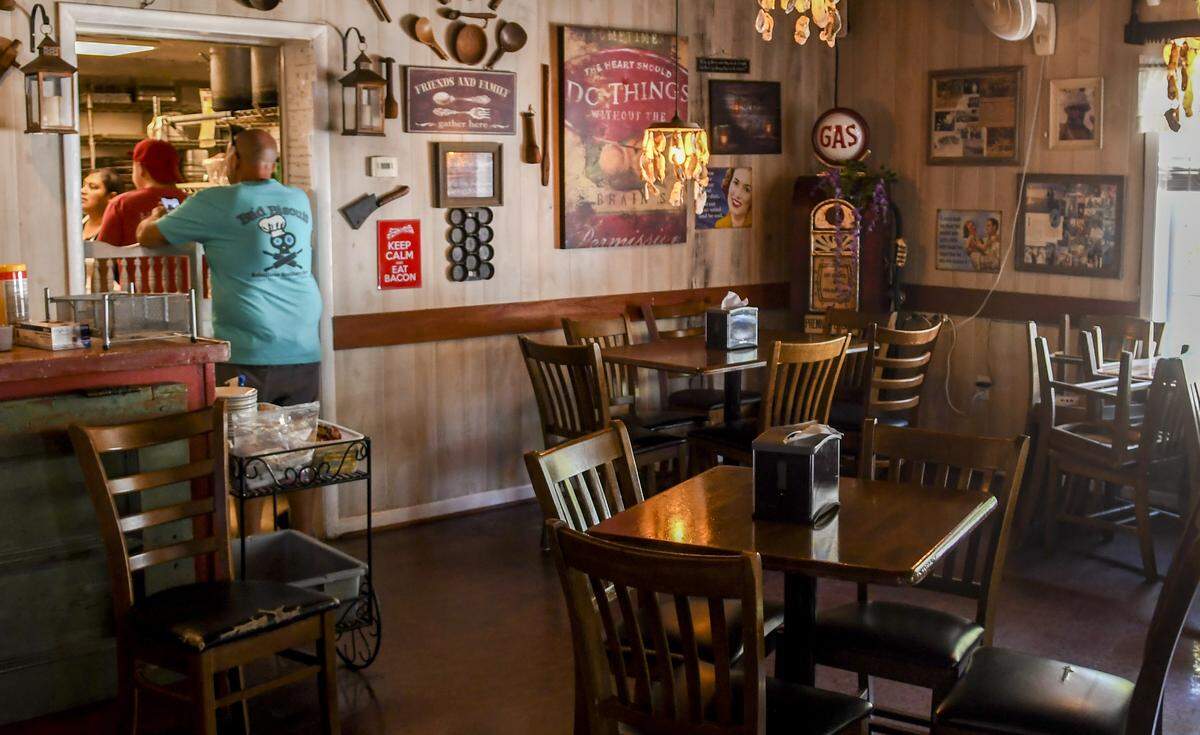
The loss of tourism due to the pandemic is going to deeply hurt government revenues, the study found.
Overall, the estimated tax losses are:
- $14. 8 million in local taxes
- $11.2 million in state taxes
- $26.4 million in federal taxes
Tourism-specific taxes also will take a hit. Guttentag predicts the loss of:
- $2.3 million in accommodations taxes
- $1.2 million in capital projects taxes
- $3.5 million in local accommodations taxes
- $736,000 in local hospitality taxes
These taxes fund road projects and new parks, specifically on Hilton Head Island. The town has said it expects to be able to handle the drop in revenue by tapping into its reserve fund.
However, the island nearly unilaterally opened and welcomed tourists for Memorial Day weekend and July 4th weekend. Since June 30, everyone on the island is required to wear masks in commercial spaces, and many lifelong visitors have reported changing their long-held traditions to stay safer during the pandemic.
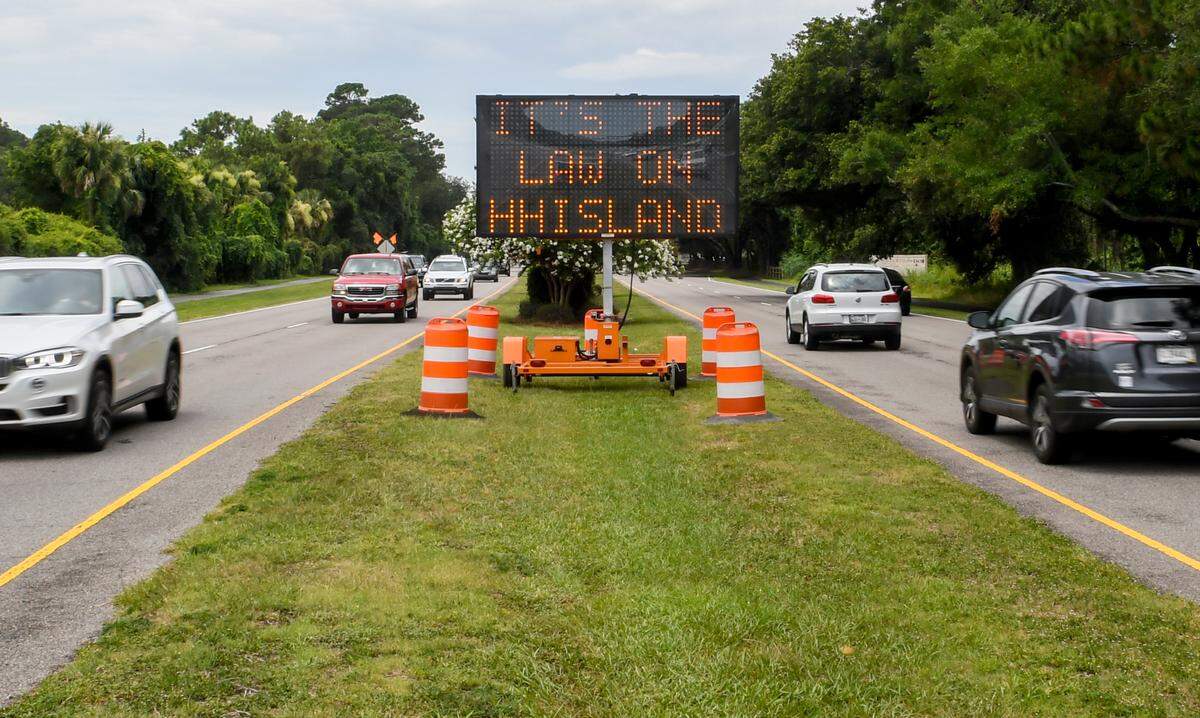
The chamber’s study found, as expected, that the coronavirus’ impact on the economy is unlike any other.
“The impact is truly significant and far more than with any other events we have experienced, including 9/11 and the ’08 recession,” Guttentag said. “After 9/11, tourism did not fall off the cliff like it did in April.”
Starting last week, marketing campaigns touting Hilton Head were published in magazines and news services across the country. The ads, which encourage people to return to Hilton Head when they are ready, were developed by the chamber.
The marketing push comes as businesses that serve tourists try to salvage a summer season massively damaged by pandemic travel restrictions as well as a general hesitancy to travel. It also comes as Washington Post columnist Kathleen Parker warned readers to “Stay away from South Carolina,” last week.
“How did we get so sick so fast?” Parker asked in her column, which published July 10. “In a word, tourism, especially in Charleston, erstwhile ‘Best City’ in America, and north along the coast to Myrtle Beach — now among the unsafest places in the United States and, therefore, the world. There, you’ll see very few people wearing masks, and social distancing is a joke.”
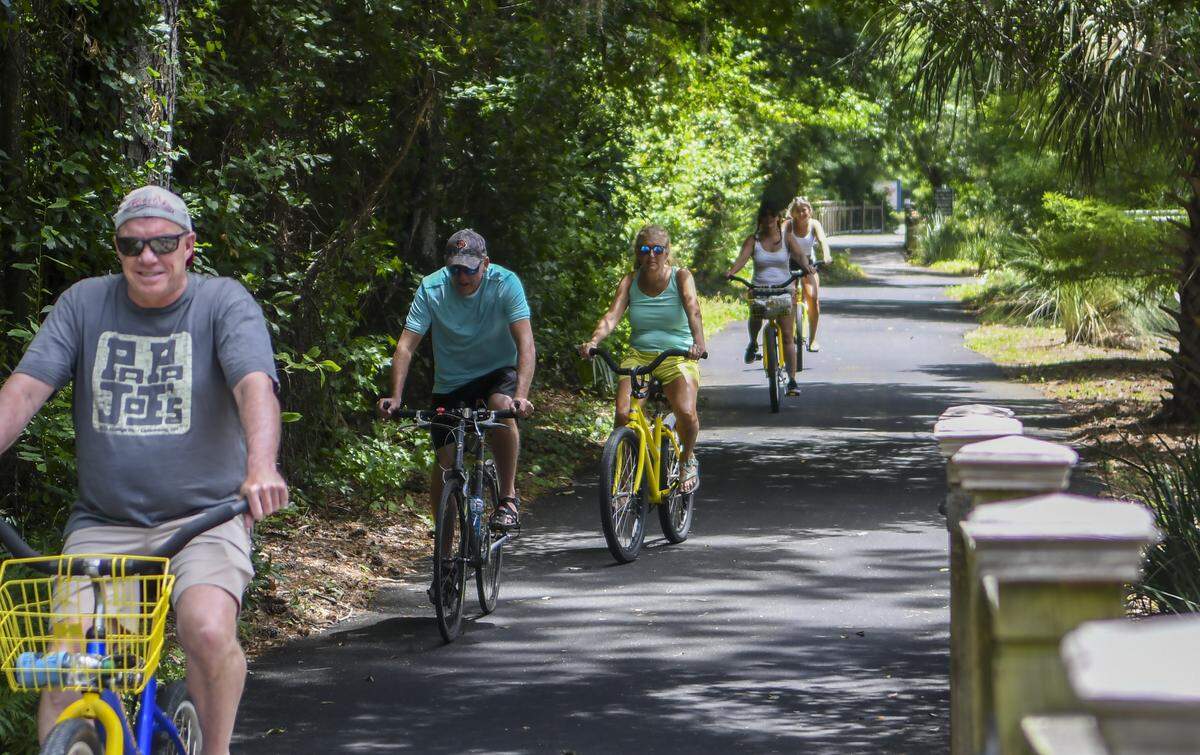
As big-name magazines and marketing content attempt to put Hilton Head back on the minds of travelers nationwide, residents and local leaders are still grappling with rising coronavirus cases, public safety restrictions and the possibility that more visitors may make the pandemic worse.
In the chamber’s announcement of Guttentag’s study, it says “Hilton Head Island has fared better than many other vacation destinations and is well-positioned to recover its tourism business. ... Because the demographic of visitors are affluent, they have been less impacted by the economy. More importantly, Hilton Head Island’s location is accessible to an expansive drive market looking for non-urban vacation destinations offering open spaces, beaches, and outdoor activities.”