Over 5K workers in Beaufort County remain unemployed as pandemic continues, new data shows
Thousands of workers in Beaufort County remain unemployed and in need of state assistance months after the height of COVID-19-fueled layoffs, according to newly obtained data.
As of June, more than 5,000 workers were receiving unemployment benefits in the county, according to numbers obtained through a Freedom of Information request to the S.C. Department of Employment and Workforce.
Beaufort County reached its highest number of residents on unemployment in May when there were 7,367 people claiming benefits, the numbers show.
Every week, SCDEW releases figures of new claims for unemployment benefits, which - in Beaufort County - has dipped to 316 as of the week of July 13 from its pandemic high of 2,822 at the beginning of April.
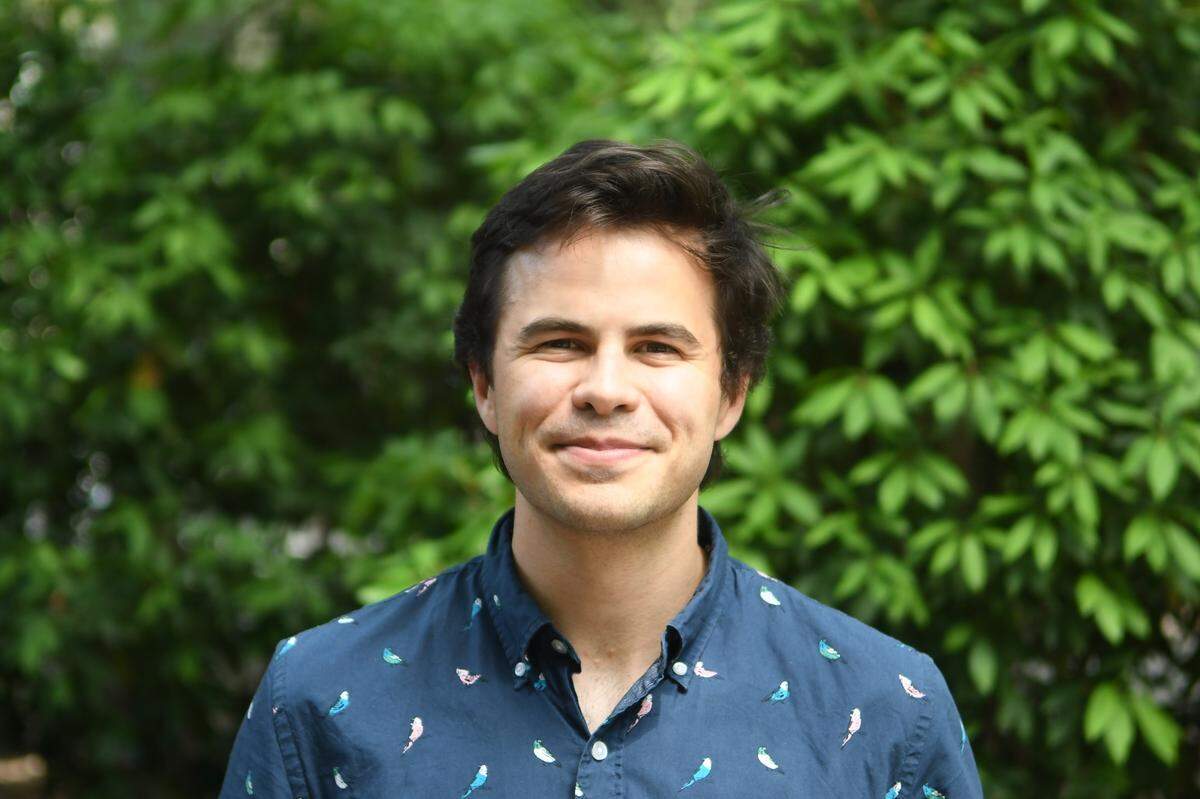
New claims for unemployment versus continued claims tell completely different stories, according to Joey Von Nesson, research economist with the University of South Carolina Beaufort.
“Initial claims represent layoffs,” said Von Nesson. “The initial round of layoff activity (was) due to the shutdown in April and March.”
The 5,155 county residents who filed for continued claims in June means the total number of unemployed workers is still high, Von Nesson said.
He does see a bright spot, however: the economy has been able to bounce back somewhat in the wake of some businesses reopening.
“Statewide, we’ve seen 30 percent of the jobs lost in March and April come back. We’ve seen people go back to work,” he said.
“It took us about five years to gain back all of the jobs we lost after the financial crisis,” he said. Now, “it took us three months to get 30 percent of it back.”
Still, the numbers don’t tell the full story.
SCDEW spokesperson Heather Biance said the number of workers in Beaufort County with continued claims “could represent someone on week 2 of unemployment or week 10.”
Coastal communities hit harder
Beaufort County’s unique economy meant that some local workers felt the pain of the pandemic-induced shutdown more than others.
The concentration of the leisure and hospitality industry here meant many residents were not able to work when those businesses closed and tourism declined.
A new study estimates Beaufort County lost $310.4 million in potential tourism dollars between March 8 and July 11, according to a College of Charleston review commissioned by the Hilton Head Island-Bluffton Chamber of Commerce.
That loss trickled down to working people.
By the end of April, an estimated 7,644 accommodations and food service employees in Beaufort and Jasper counties had lost their jobs, according to the study.
“The impact (of the pandemic) is truly significant and far more than with any other events we have experienced, including 9/11 and the ’08 recession,” said Daniel Guttentag, director of the Office of Tourism Analysis at the College of Charleston.
“After 9/11, tourism did not fall off the cliff like it did in April.”
Looking at the number of people collecting unemployment benefits in the county, Von Nesson said “the bulk” of the 5,155 unemployed in June were tourism workers.
Bounce back?
Two of the keys to Beaufort County’s economy coming back - and that of South Carolina as a whole - include whether consumers feel comfortable spending and what businesses do with that money.
“Are (consumers) interacting with others on a regular basis or are they more fearful? What I call the ‘social hangover effect,’” said Von Nesson. “The rise in (COVID) cases right now, that’s going to potentially change the social hangover effect. Consumers are either wary or not.”
Businesses need either enough market demand or reserve cash to keep them going to the end of the summer to prevent them from laying off workers again.
Despite the challenges of the pandemic, Von Nesson said he is cautiously optimistic about the local economy.
A SCDEW report out Friday said the Hilton Head-Bluffton-Beaufort metro areas added approximately 4,400 jobs from May to June. That’s the second highest percent growth in the state behind Myrtle Beach, the reportsaid.
“The continued success of our businesses, to both re-open and remain safe, is imperative for the state’s economic recovery,” said Dan Ellzey, executive director of SCDEW, in a statement.
“There is still a long way to go and there’s much work to be done.”