Everyone on Hilton Head pays taxes. Where the money comes from and where it goes
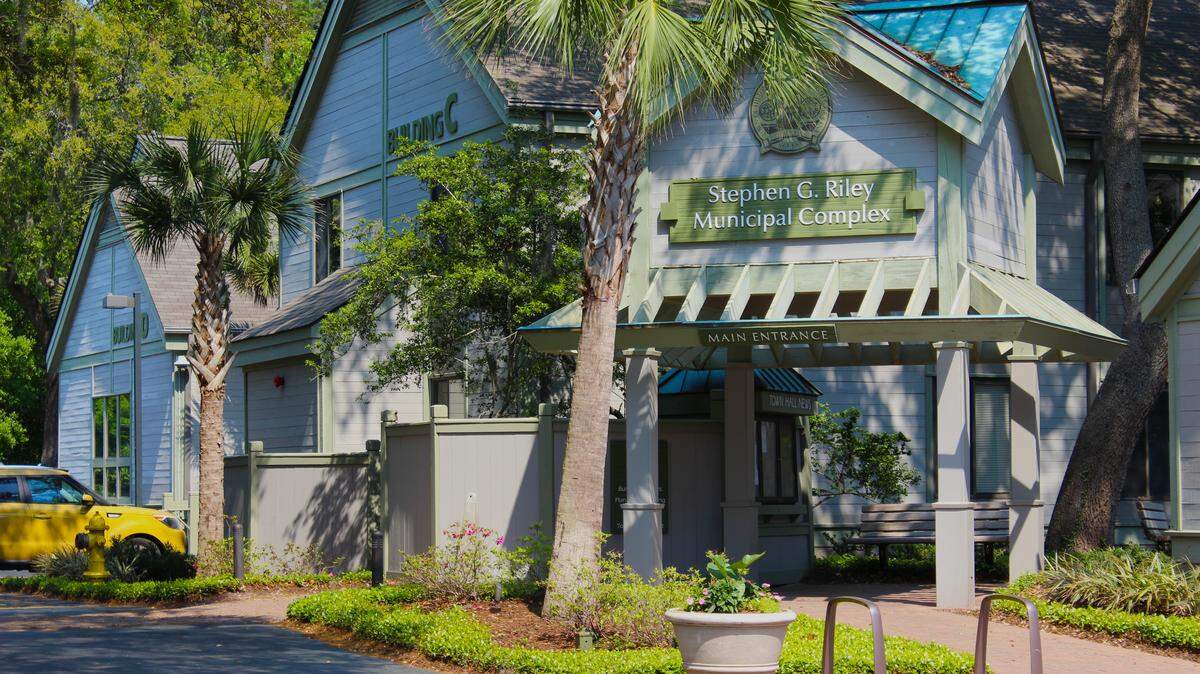
Hilton Head residents, businesses, and visitors all pay taxes. But how does the local government use those taxes?
Every spring, the Hilton Head Island Town Council reviews and approves a budget for the upcoming year. Each budget reflects the town’s priorities for that year. The budget cycle runs from July 1 to June 30 each year.
At a Tuesday meeting, taxpayers got some insight into how their money will be used for the upcoming cycle ending in June 2027.
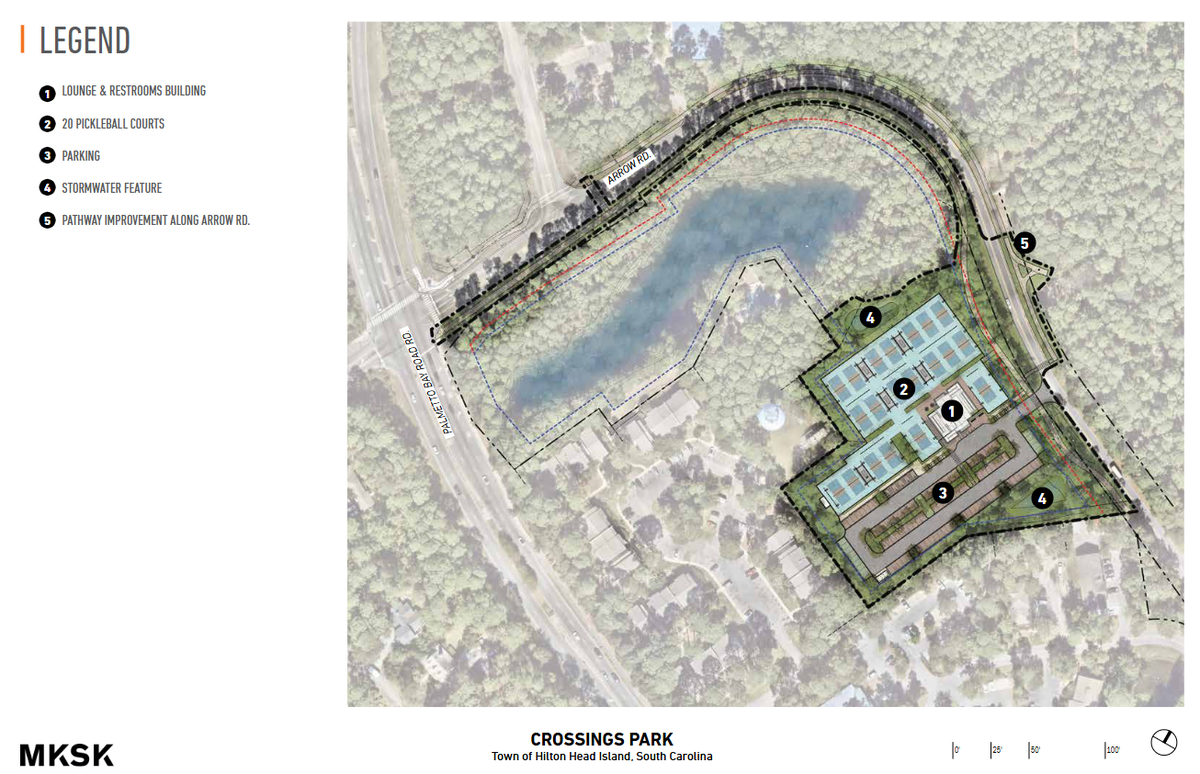
A big chunk of the tax money will go towards improving parks, roads, and public facilities. New pickleball courts are underway at Crossings Park, for example. Money will also be used to support code enforcement, firefighters and beach patrol.
Additionally, the town budgeted for a 6.9% increase in personnel costs. This includes money for performance-based raises, classification and salary adjustments for town employees. It also accounts for the hiring of new positions to manage the town’s short-term rental program, which is funded through short-term rental permit fees.
Here’s how it works and what to know.
Where does Hilton Head’s tax money come from?
Property taxes make up about one fifth of Hilton Head’s revenues. The town expects to earn $26.112 million in property taxes for 2027. The town also collects money through business licenses ($14.995 million), permits ($1.922 million), fees, taxes on lodging ($7.38 million), food & beverages taxes ($10.878 million), investment income ($3.031 million), and real estate transfer fees ($5.029 million)
When a contractor applies for a permit to build a new home, he pays a fee. When a tourist visits Hilton Head, stays at our hotels, eats at our restaurants, or drinks at our bars, they pay taxes. When someone buys property on Hilton Head, the town collects a fee worth 1/4 of 1% of the sale price.
Where does the money go?
The people who manage the town’s budget place the money in different buckets called funds. Each fund holds money for one or more specific purposes.
Here’s a breakdown of each fund and what it’s used for.
General Fund - $67,652,550
The general fund is what it sounds like; it’s a general bucket that is used for a wide variety of governmental expenses. The town pulls from this fund to pay for the salaries and benefits of employees, maintain facilities, cover administrative costs, and pay for firefighters and public safety officers.
Capital Improvements Program - $55,205,752
In government speak, “capital improvements” refer to projects to improve the town’s public spaces, facilities and infrastructure: everything from parks, tennis courts, beaches, roads and bike paths to civic offices and public buildings.
Key projects in this fund $17.4 million in park improvements, including $8.59 million for the new pickleball courts at Crossings Park, $4.71 million for a new skate park and pump track at Crossings Park, and $2.4 million for a new park on Marshland Road. It also includes $9.7 million to enhance roadways, fix aging traffic lights and pave dirt roads. Additionally, the town has set aside $5.1 million for improvements to Islanders Beach Park that will include renovating the parking lot and replacing playground equipment.
Stormwater Utility Fund - $7,583,334
This fund is used for projects within town limits that promote the safe drainage of rainwater from the island’s surface to mitigate pollution and avoid flooding.
When it rains on Hilton Head, not all the water soaks into the ground or evaporates. Surfaces like roads, driveways, parking lots, sidewalks and rooftops prevent water from seeping through, according to the town’s website.
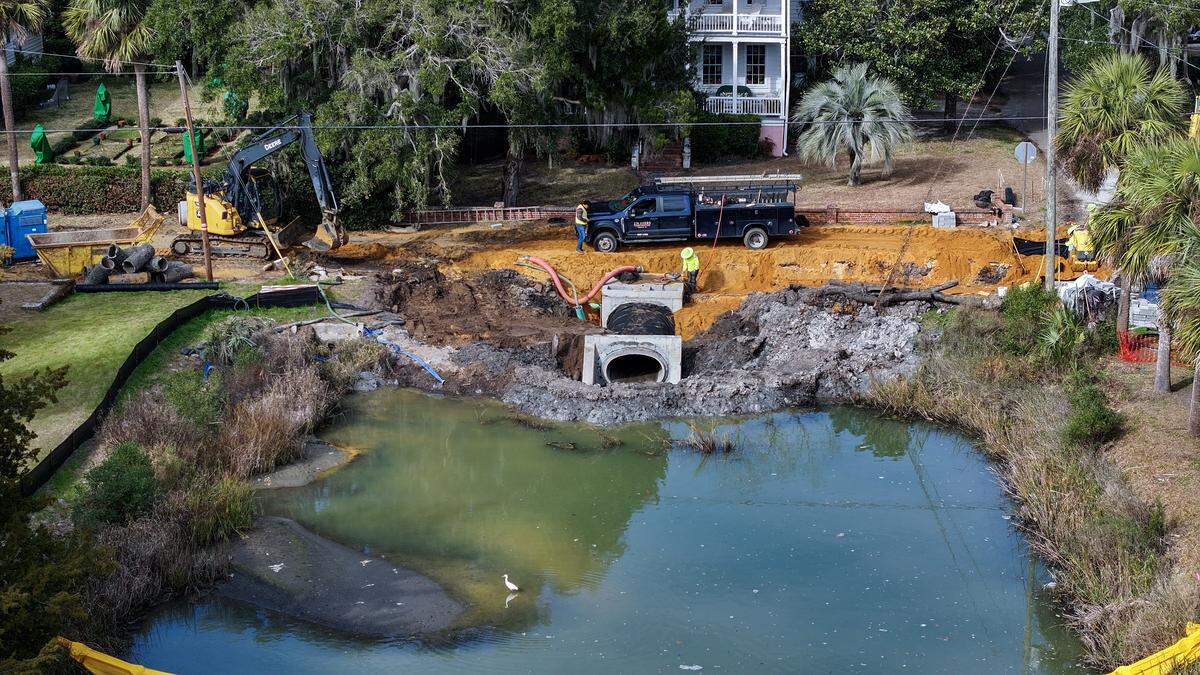
Without stormwater management infrastructure, this water would pool on the surface or cause neighboring properties to flood. The water is filled with pollutants such as gasoline, pesticide, pet waste and fertilizers. If it flows into nearby ponds, marshes, or rivers, it can damage ecosystems. Advanced infrastructure, such as lagoon systems, ditches, underground pipes, and water treatment facilities are needed to protect homes and ecosystems on Hilton Head.
Housing Fund - $3,211,498
This is a relatively new fund for the town, first created for the 2024 budget, according to previous town budget reports. Its purpose is to account for and report the costs aimed at supporting housing projects. Last year, a key use for the fund was to contribute $1 million towards a public-private partnership to build housing for Hilton Head workers.
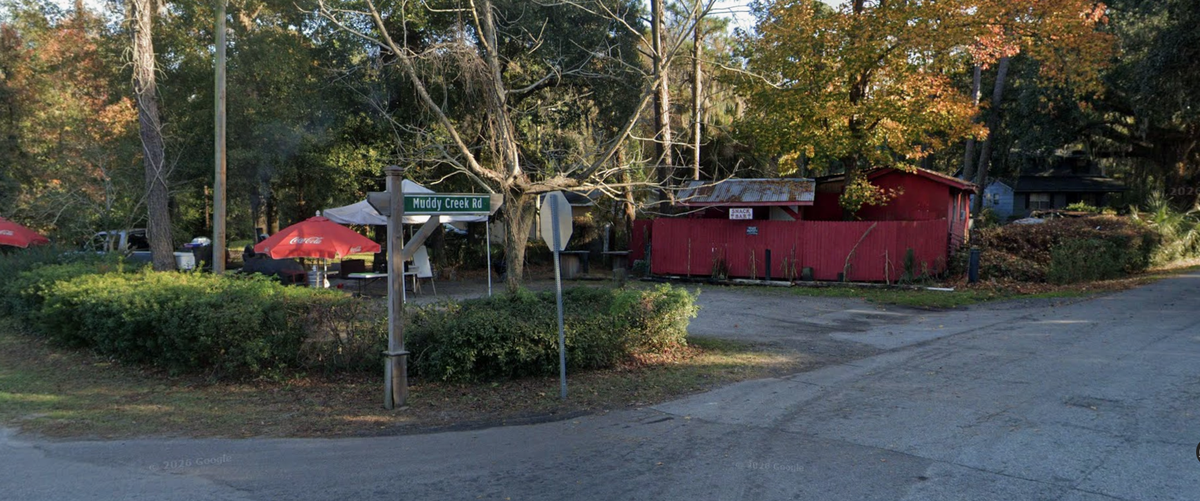
Another key item is the “Muddy Creek Neighborhood Stabilization Plan.” The town has set aside $1.5 million to help improve roads, water, sewer, stormwater, landscaping, and signage for the Muddy Creek neighborhood, located right next to Spanish Wells. This money was first put aside in the 2025 budget. Little has been reported about this plan.
A new policy could allow the housing fund to grow steadily each year. In July 2025, town council approved a resolution that would set aside 5% of the revenue it receives from state lodging taxes each year into the housing fund. For 2027, $619,616 was added to the fund.
Gullah Geechee Historic Neighborhoods Community Development Corporation Fund - $1,694,756
This is also a relatively new fund. The town created the Gullah Geechee Historic Neighborhoods Community Development Corporation in 2022. According to the town’s website, the organization was created in response to growing challenges for Hilton Head’s historic Gullah Geechee communities.
.jpg "unnamed (1).jpg")
These challenges include limited economic opportunities, poor infrastructure, and lack of educational resources. The CDC’s mission is to preserve Gullah Geechee cultural assets by promoting entrepreneurship, expanding business opportunities, and supporting housing and infrastructure needs, according to the website.
Debt Service Fund - $11,513,988
This fund accounts for money reserved for paying off the town’s debts. The town typically acquires debts in the form of bonds that help pay for big projects. Investors who buy bonds are paid back, with interest, using money collected through property taxes.
The system largely depends on property taxes as a reliable source of revenue for the town. A poor property tax base can harm a local governments’ credit ratings. This makes it hard for local governments to borrow money to repair and build new roads, parks and facilities.
Just three major agencies — S&P, Moody’s, and Fitch — dominate the global credit rating agency. Fiscally conscious governments, institutions, and companies are typically concerned with being in good standing with these three agencies.
The Town of Hilton Head Island recently received triple-A ratings — the highest rating — with all three agencies due to its growing tax base, growing non-property tax revenues, good financial management, and high asset liquidity ratio, according to a staff report.
Special Revenues Fund - $86,422,841
This is a new line item in the budget, but not new money. This bucket was created to improve clarity of how certain revenues are used, according to comments from Town Manager Marc Orlando at the meeting Tuesday.
Money collected from beach preservation fees ($14.77 million), hospitality taxes ($10.88 million), lodging taxes ($12.42 million), real estate transfer fees ($5.03 million), short-term rental licenses ($3.03 million) grants and other sources are put into this bucket. The money is then transferred to other funds or held for future use.
Lodging taxes, also known as the $12 million accommodations tax, are taxes tourists pay on hotels and other short-term stays. By law, the town receives only five percent plus $25,000 of this revenue. The rest must go toward promoting tourism in the form of hosting cultural events, paying for firefighters and public safety officers, and improving public spaces. Additionally, a 30% allowance ($3.71 million) is made to the Hilton Head Bluffton Chamber of Commerce, and individual grants are awarded organization that promote tourism ($4.08 million). A committee called the Accommodations Tax Advisory Board Committee reviews grant applications and forwards their recommendations to the town council each year.