Will there be a moratorium on STRs? Hilton Head leaders won’t say just yet
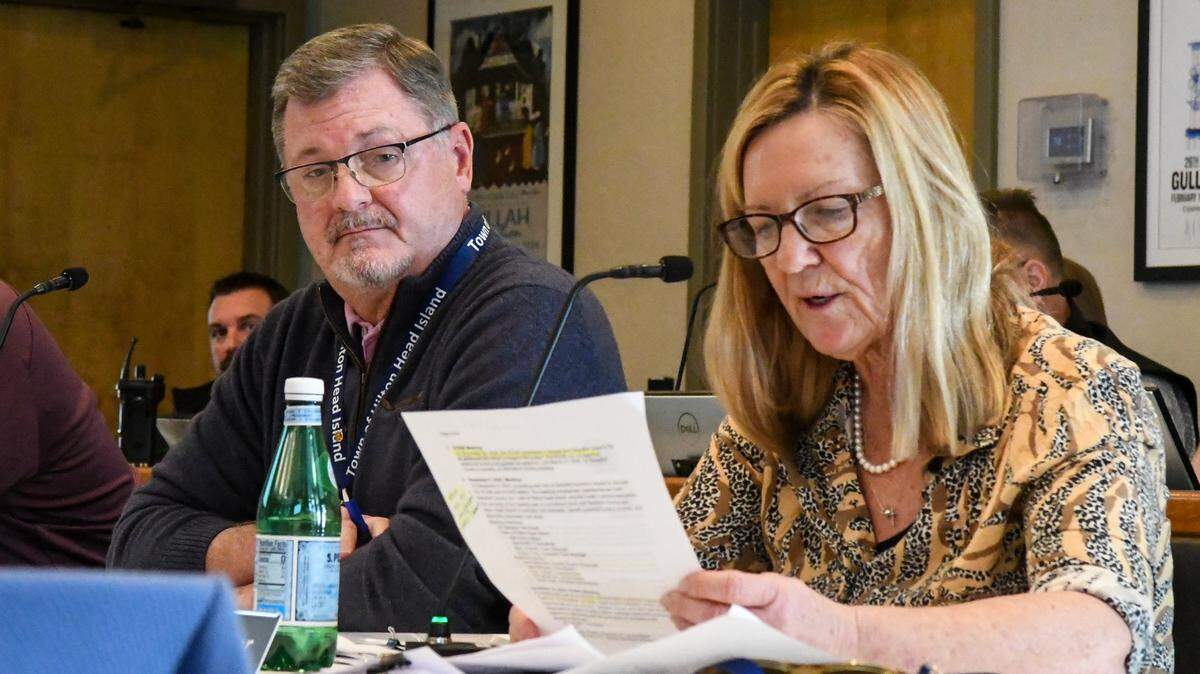
Will there be a short-term rental moratorium on Hilton Head? Can there be occupancy limits on short-term rentals? How can Hilton Head regulate short-term rentals without destroying local businesses? These are some of the questions at the top of the minds of Hilton Head residents as town leaders debate how to tackle the phenomenon that’s transforming single-family neighborhoods.
That’s why earlier this month we asked readers to submit questions to us that they wanted their elected officials to answer.
Hilton Head leaders decided not to answer the questions. Here’s what happened.
Why short-term rental questions are in the air
At a July 15 town council meeting, Hilton Head officials briefly discussed the idea of enacting a temporary moratorium on short-term rentals, but didn’t get into specifics. The meeting was focused on the reviewing the town’s three-year strategic action plan. Town leaders made a note for staff to research a potential moratorium as a way to “pause” development while closing loopholes aimed at protecting Hilton Head’s environment and character.

A portion of residents are now calling for the town to enact a moratorium as soon as possible; an online petition calling for one received 724 signatures as of midday Aug. 27. Stakeholders in the short-term rental market, however, are worried even a brief moratorium could have “massive” impacts on local businesses.
“Do you know what happens when there’s 17,000 less guests on Hilton Head?” Island Time co-founder Dru Brown said at the July meeting. “Do you know how much that hurts businesses?”
Readers voice discontent, STR owners worry
Residents wrote to us with their concerns. We identified some hot topics:
- A moratorium
- Occupancy limits
- Restrictions by number or percentage in residential neighborhoods
- Better enforcement of STR rules
Many of the respondents voiced frustration and anger.
“It’s clear most of you don’t care that we have lost our communities,” wrote Douglas Blohm of South Forest Beach.
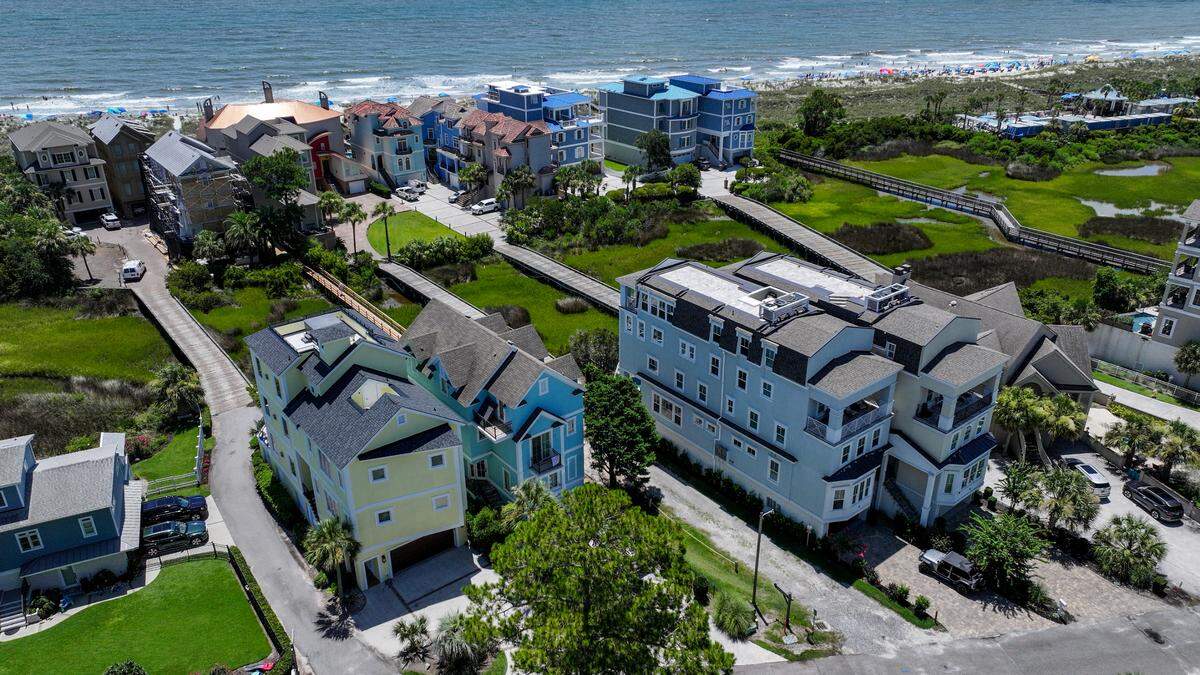
A few readers wrote in asking the newspaper to shine a light on the positive impacts of short-term rentals, arguing that the island’s economy depends on lodging fees and visitor spending, and questioning the costs behind the new short-term rental regulations.
“If STRs are restricted, how will the town make up for the loss of this tax revenue?” wrote Meg Larcinese, a property manager and short-term rental owner based in Atlanta, Georgia. “How much is the town spending to staff personnel who enforce STR rules?”
Our short-term rental Q’s
It was clear from reader responses that residents on all sides wanted answers about future limits on short-term rentals. We developed a six-part questionnaire and emailed it to council members on Aug. 12, following up with a phone call to make sure they didn’t miss it.
We gave them a deadline of Aug. 15 at noon. As of Wednesday, none of the council members had responded to the questions.
Here’s what our questionnaire looked like:
Why the silence?
One council member, Steve Alfred, said it was too “premature” to respond “appropriately” to our questions. It was brough up late into discussions at the July meeting, with no staff material or facts for them to discuss.
“We have had virtually no information about what any type of moratorium would look like,” Alfred said. “It’s really too early for us to respond.”
Mayor Alan Perry said it would be “bad governance” for council members to put out their their thoughts and opinions before getting “all the information.”
“You’re asking council to put out their thoughts prior to council actually sitting down and having a meeting in public and discussing it,” Perry said. “I think people were kind of taken aback.”
He added that having a public discussion on a moratorium “has been the plan all along,” and the council would likely hold some discussions in September.
“We’re going to put all of this out to the public,” Perry said.
Since July, still no public discussion
At an Aug. 19 regular meeting, council members discussed confidential legal advice regarding a potential moratorium behind closed doors. The council has yet to hold a public discussion about a potential moratorium.
At the August meeting, Ward 4 council member Tamara Becker requested that the council hold a discussion about a moratorium, before they adjourned to discuss it privately in executive session. She argued they should conduct as much of the conversation on the topic “in the public eye.”
“I strongly don’t believe that a conversation about what it is that we’re even asking legal advice about should happen in executive session,” Becker said. “[It] should be happening here, so that everyone can hear and understand our perspectives.”
The council voted 6-1 to adjourn for executive session around 4:45 p.m., with Becker as the sole dissenting vote.
This story was originally published August 29, 2025 at 9:46 AM.