Hilton Head takes new steps to crack down on short-term rentals, beach parking
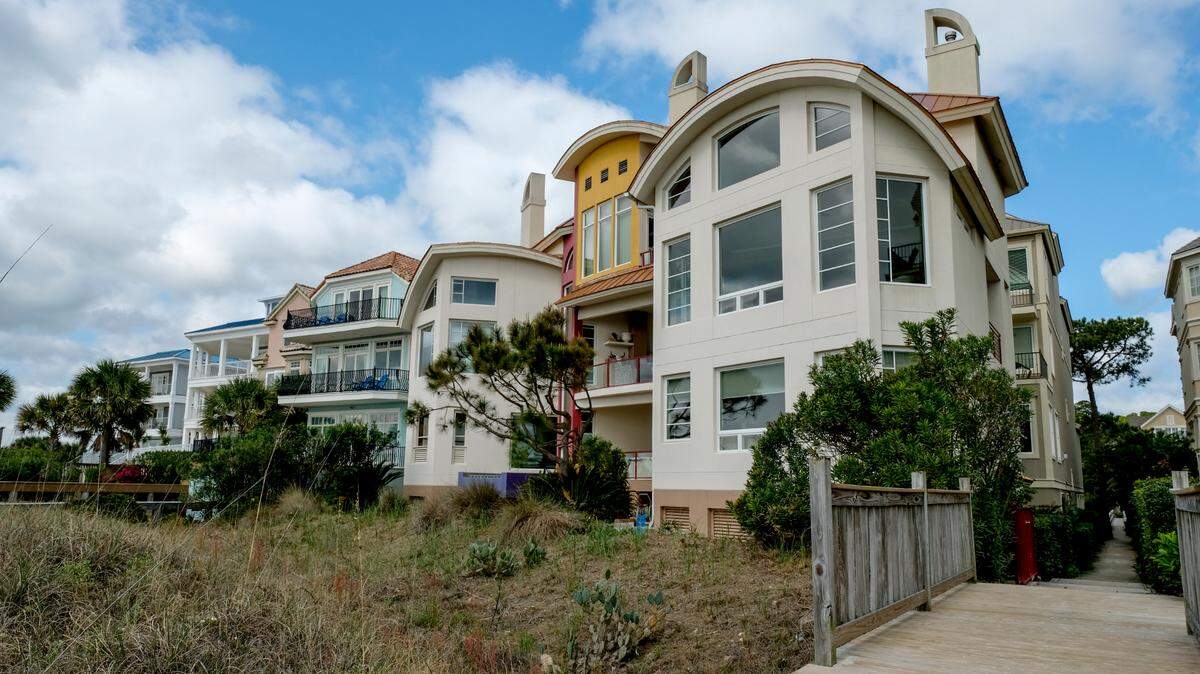
Hilton Head Island’s rapid growth over the past 50 years has attracted swaths of new residents, business owners, and tourists. But its lucrative tourism industry has also attracted a new problem: a sprawling short-term-rental market bringing swaths of vacationers into neighborhoods filled with residents that moved here for the peaceful atmosphere and beautiful scenery.
Despite new regulations on short-term rentals, the town has struggled to enforce the rules on property owners, many of whom live out-of-state.
At a June 3 meeting, the town council granted new powers to the town’s Community Code Enforcement division, allowing the town to issue administrative fines to crack down on short-term-rental and parking issues.
Before, the only tool the town had to enforce the code was to issue criminal citations, according to Director of Public Safety Bob Bromage.
“We’re looking at a more efficient way to address some of these issues that really shouldn’t have criminal consequences” Bromage said.
How did we get here?
The new fines are part of Hilton Head’s growing efforts to crack down on issues brought in by a number of short-term rentals available through sites like Airbnb and Vrbo.
Unlike hotels, short-term rentals can pop up in neighborhoods zoned for single-family homes. Residents have complained about swaths of vacationers taking up street parking or leaving their trash out.
There are about 6,600 active short-term rentals legally operating on Hilton Head, according to the town’s short-term rental dashboard. In 2024, short term rentals accounted for 128 noise complaints, 100 parking complaints, and 34 trash complaints.
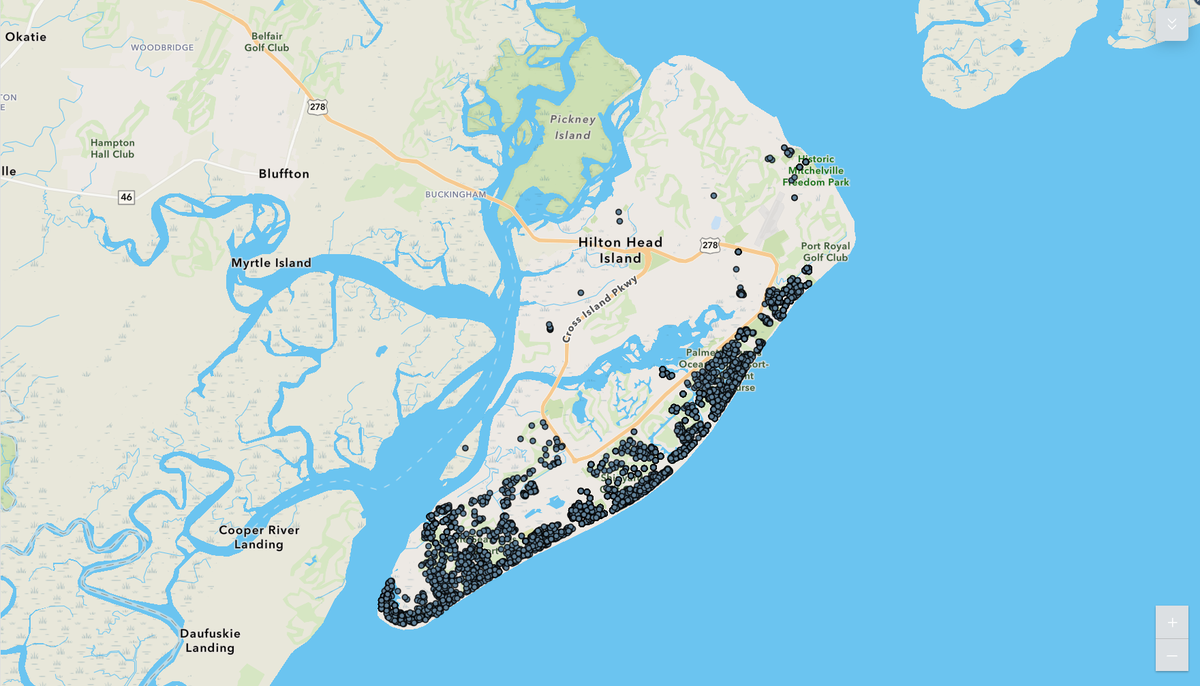
Hilton Head introduced licenses and fees for short-term rentals in January 2023 along with rules for safety and aesthetics.
In February 2025, the town council debated toughening the rules further. They considered increasing fines and fees, and limiting the number of vehicles and occupants per property. But a key point of concern was how effectively any new rules could be enforced.
The enforcement problem
Before new remedies were approved, the only option to the town’s Community Code Enforcement has was to issue criminal citations that would go through magistrate courts, according to Bromage.
Rules aimed at combating trash and parking issues place responsibility on the owners of short-term rentals to ensure their tenants follow the law.
Owners could face sanctions if their tenants bring trash containers to the curb more than 24 hours before trash pick up or leave the containers out for too long. They could also be punished if tenants park off-site, such as on the street, on the grass or on pine straw.
Previously, criminal citations were the only tool in the town’s arsenal. That proved to be a complicated and costly legal process, because the “vast majority” of short-term rental owners live out of state, Bromage said.
The town would have had to hire someone out-of-state to deliver court documents and hope that a judge agrees with the fines. Bromage also questioned whether criminal consequences were reasonable for something like leaving trash on the curb too long.
“The punishment should fit the crime,” Bromage said.
What are the fines?
The fines for short-term rental violations are as follows:
- First offense: $250
- Second offense: $500
- All subsequent offenses: $1,000
Parking fines for violations such as parking in the right-of-way or failing to pay for beach parking, are as follows:
First offense: $50
Second offense: $100
Third offense: $250 and possible towing or immobilization
Subsequent offenses: $500 and possible towing or immobilization
A $25 late fee applies to fines unpaid after 30 days. The fines escalate if the new offense occurs within 12 months of the previous one; a 12-month period with a clean record will reset the scale.
Short-term-rental owners must pay their fines before renewing their permit. Additionally, if an individual rental gets three or more citations within a 12-month period, its license could be revoked.
What’s next?
The new fines will currently only be used to enforce short-term rental violations and parking violations. But town leaders have expressed a desire to use the new tool to crack down on other issues, such as litter.
At the first reading of the new fines at a May meeting, Mayor Alan Perry asked town staff to look into creating a fine for trash violations.
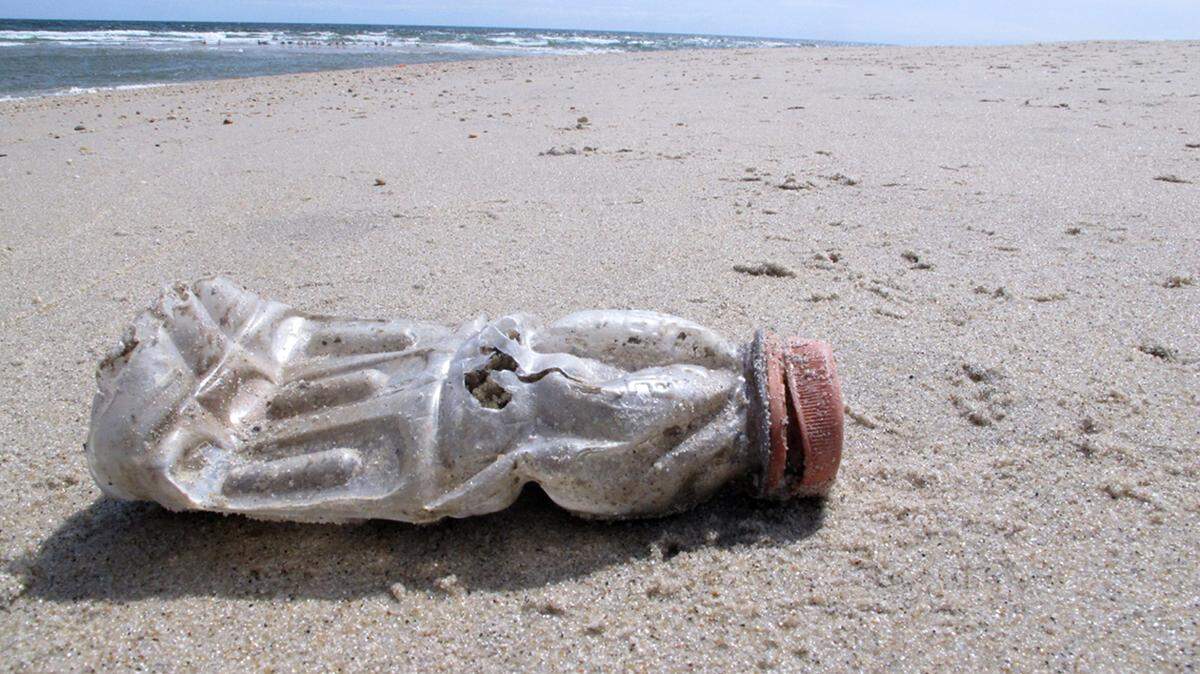
Any new fines would have to be discussed and approved by the town council, and written into the town code.
“If we encounter an issue that we need to address, I’m sure it could be part of a conversation,” Bromage said.
This story was originally published June 12, 2025 at 3:06 PM.