SC Legislature OKs funding for USC-owned island. How much did it get?
For over a decade, a University of South Carolina-owned barrier island has been bereft of everything the school promised when the island was donated to USC in the 1980s.
But now, Pritchards Island will see a new renaissance after the legislature included a half million dollars in funding for the island in next year’s state budget.
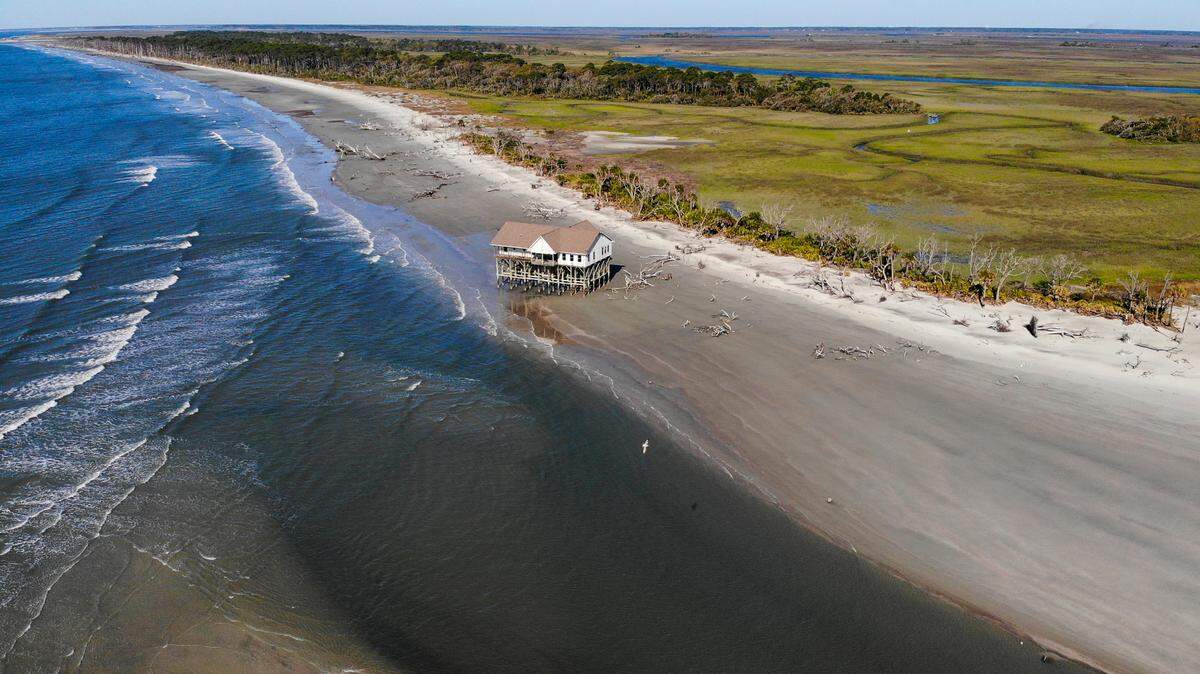
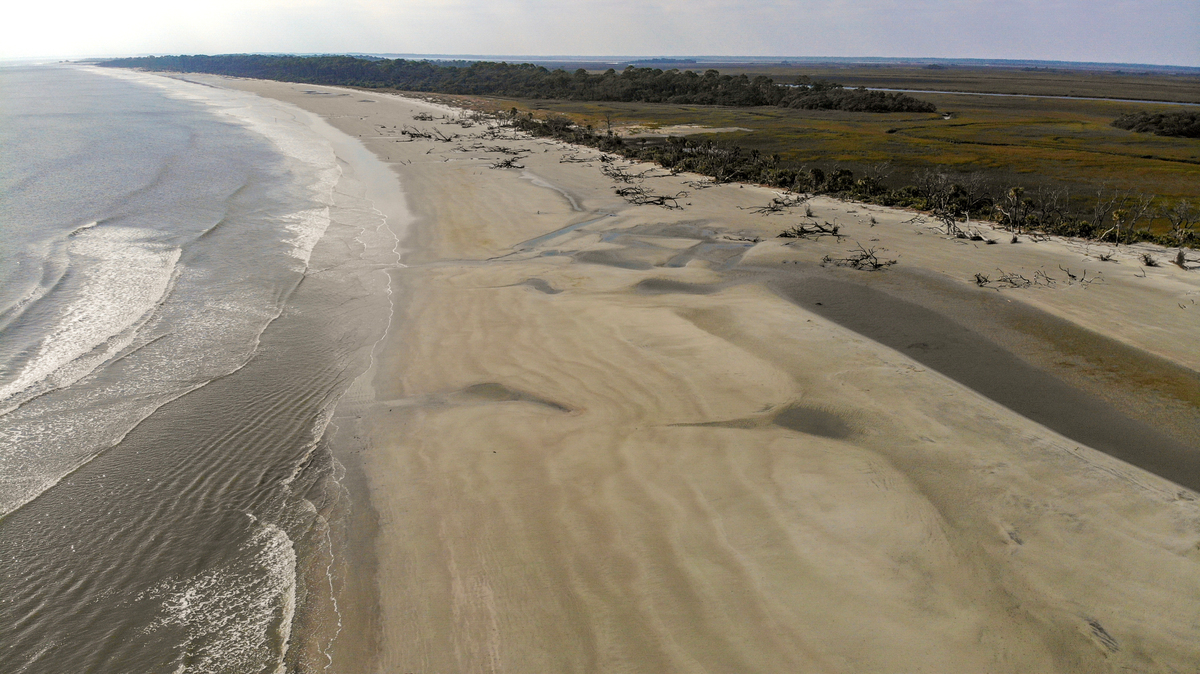
The undeveloped Beaufort County island was once a mecca for students, professors and environmentalists who craved its unfettered nature — a place ripe for research, education and respite. But by 2009, the same year donor Philip Rhodes died, the once bustling Pritchards Island went quiet. Federal, state and private funding dried up. Erosion had rapidly eaten away at the shoreline. And lack of staffing left the 1,600-acre expanse unattended.
In the past year, since the Rhodes family told The State and Island Packet about their disappointment over the island’s disuse, hope for a revival on Pritchards has risen. Those hopes were boosted last week when the legislature backed a recurring expenditure of $500,000.
When Gov. Henry McMaster learned that deeds between Philip Rhodes and the then-Carolina Research and Development Foundation contained a clause saying USC could lose the island to the University of Georgia if it didn’t uphold its end of the deal, he reached out to the Rhodes family.
“South Carolina will live up to every single thing that is in the agreement, which is between the… university and your grandfather,” he said in a voicemail to Philip Rhodes’ granddaughter, Martha Rhodes.
While the state budget doesn’t include the $1.25 million that USC-Beaufort faculty requested for the first year of a long-term plan for Pritchards, Rhodes’ family said they’re thankful and excited about the progress.
It’s a “positive first step toward a goal of Pritchards Island returning to its crucial role in barrier island education and research,” said Martha Rhodes.
For USCB faculty, it’s a big enough step to be a game changer.
“We’ve been trying to get out there all year to the extent we can with no funding,” said Joe Staton, the natural sciences department chair at USCB. “When the check is cut, we’re ready to start going.”
Getting the momentum rolling
Pritchards Island is a dream for biologists like Staton.
Its relatively untouched and rugged nature is an outlier among the state’s barrier islands, most of which are built up with beach homes, stores and restaurants. And it’s home to a diverse ecosystem, rampant with creatures from ghost crabs to bobcats.
“It’s possibly the only barrier island in South Carolina of any consequential size that has never been under agricultural development,” Staton said.
While the island has been affected by development on Fripp Island, which has led to more rapid erosion on Pritchards, it’s still a baseline for how an undeveloped barrier island evolves. The juxtapositions between undeveloped and developed barrier islands are important in understanding erosion, sea level rise and climate change.
Staton said this is the kind of research USCB will start doing out on Pritchards, along with continued sea turtle conservation efforts and bringing in visiting researchers. As long-term planning solidifies, USCB’s marine biology faculty will broaden their work, including developing programs for students and the community.
It’s what Philip Rhodes intended all along.
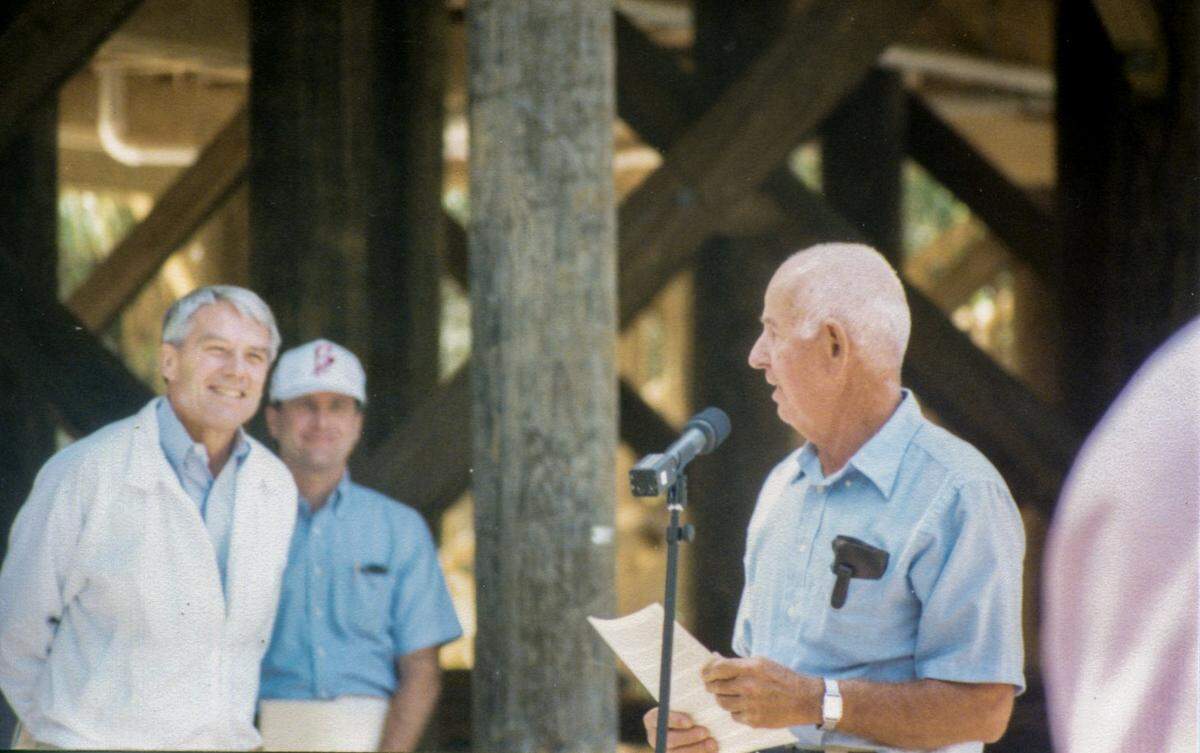
Nearly four decades ago, when the Atlanta businessman turned his beloved island over to USC, he had a few requirements. The university was to keep Pritchards Island in a wilderness state and use it for scientific, educational, charitable and general public purposes. For several years, the school, especially USC-Beaufort, did just that.
Students and professors conducted research on tides, monitored microscopic organisms, researched shorebirds, and studied salt marsh ecology. The sea turtle program on Pritchards, headed by then-island USCB professor David McCollum, had participants out late in the evening tagging the turtles to monitor their movements. Community members and environmentalists joined in during day programs, and some stayed overnight in a stilted research lab that Philip Rhodes paid to construct in the ‘90s.
Funding flowed in from state and federal grants, community donations and private funding — including Rhodes and media mogul Ted Turner — and state and federal grants. It covered research, program costs and staff who managed the island. Before now, the last infusion of money was in 2007 when USC was part of a multi-million federal program to measure ocean currents and waves using a radar system.
Since 2009, the island has gone largely unused by USC. Remnants of rusted machinery, washed-up debris and the erosion-worn, dilapidated lab building were all that remained.
In December, the lab was torn down, but another structure is not in Pritchards’ near future. Still, the island poses expensive logistical challenges for the school, like getting boats.
“It’s going to take a while to get the momentum rolling,” Staton said. “But we certainly have the beginning of the resources we need to have an effective and long-term program that will reflect on the island but also give the chances for our faculty and students to have an ongoing presence there.”
The biggest hurdle
While the state legislature didn’t fund USCB’s entire first-year proposal, Vice Chancellor for Finance and Operations Beth Patrick said the recurring monies were the biggest hurdle.
“That’s the part that will make it sustainable,” Patrick said. “We’re really thrilled to see that get approved.”
Recurring funding from the state legislature means every year the school will get $500,000 to be used for Pritchards Island up until lawmakers decide it’s no longer a priority.
Patrick said no additional money is available now for Pritchards. However, she added that the school is looking into other sources — whether it be private funding, grants or even internal reserve money — that could be used on a one-time basis to purchase equipment. Since fall 2022, the island has received one small private gift, said Jason Caskey, USC Foundations’ president and CEO.
“With this $500,000, it shows that the state is making a long-term commitment to the work that’s been proposed,” Patrick said.
And from a broader perspective, it’s working to meet the very requirements Philip Rhodes gave to USC for Pritchards Island when he entrusted it to the school.
This story was originally published June 20, 2023 at 5:30 AM.