SC may increase alligator harassment fines after ‘circus-like atmosphere’ on Hilton Head
South Carolina may increase fines for alligator harassment following a 2020 incident on Hilton Head Island that sparked community outrage over one reptile’s treatment while it was being removed from a mini-golf course.
The S.C. House recently passed a bill in a 108-0 vote that would raise the penalties for people who feed, “entice” or bother alligators, “except as is permitted under state and federal law.”
The legislation says violators would be guilty of a misdemeanor and would be fined $500 to $1,000 or jailed for up to 30 days, or both. The current law says fines are $100 to $150.
State Rep. Jeff Bradley, R-Hilton Head, introduced the legislation after the controversial removal two years ago of a massive alligator from a lagoon at Legendary Golf on Hilton Head. State Rep. Shannon Erickson, R-Beaufort, co-sponsored the bill, which still needs to be approved by the S.C. Senate.
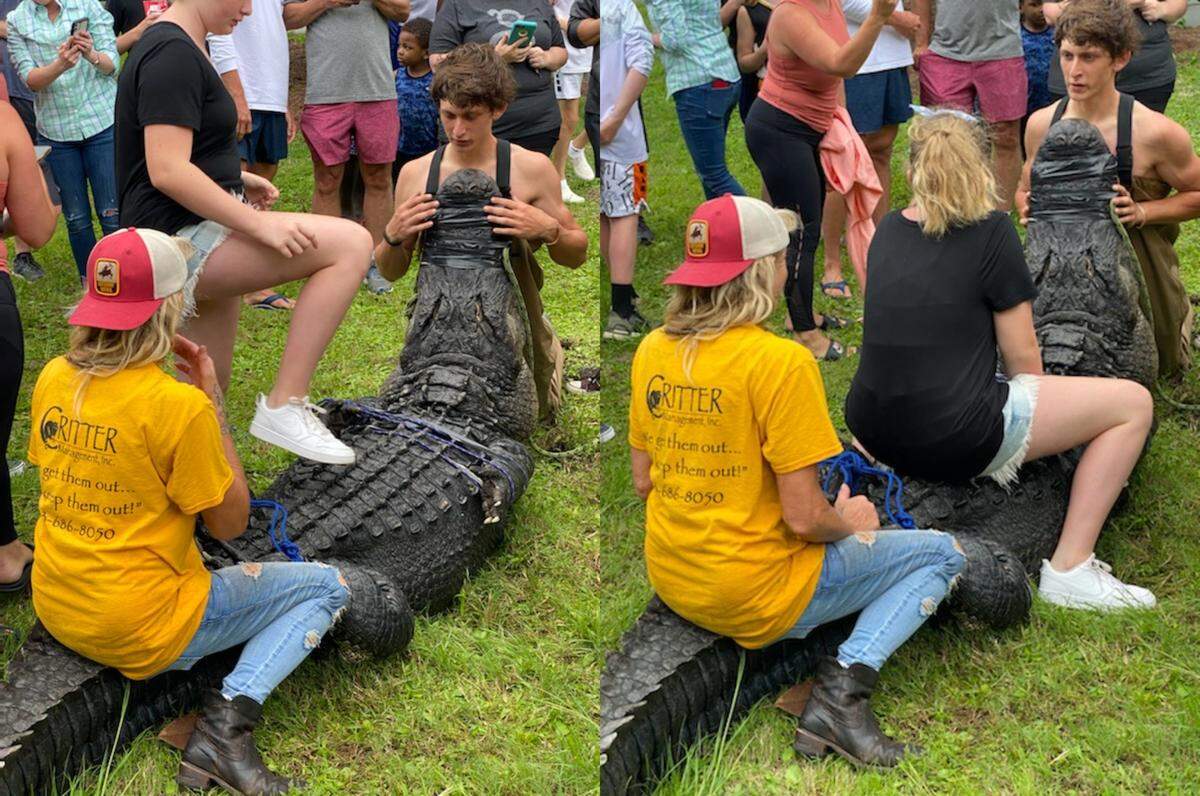
“There was a circus-like atmosphere at the time with spectators getting involved and riding atop the gator while others took videos and snapshots that quickly appeared on social media across the United States and beyond,” Bradley wrote in a recent statement. “I started receiving calls almost immediately, and had letters coming to me for nearly a month to see what could be done to help prevent this sort of thing in the future.”
What happened at the mini-golf course?
Legendary Golf contacted Critter Management, a local animal control company, in May 2020 to remove a large alligator from a lagoon over concerns for their customers’ safety, said Joey Maffo, the grandson of founder Joe Maffo, at the time.
Joey Maffo, who led the removal of the animal, said a crowd of about 100 people gathered as a Critter Management team captured the 12 1/2-foot reptile, according to previous reporting from The Island Packet and Beaufort Gazette.
Although the alligator was not acting aggressively, Joey Maffo said it could have been dangerous to mini-golfers who got too close to the murky lagoon where it was hidden.
Once the alligator’s limbs were secured, Joey Maffo said he invited the bystanders to come closer.
Joey Maffo said between 20 and 30 people — he characterized them as mostly excited tourists — took turns riding the alligator and taking photos and videos.
The response from islanders was outrage. As videos and photos spread of the incident, hundreds took issue with the “sideshow” created by the alligator’s capture just off U.S. 278. (The animal later was euthanized.)
At the time, Joey and Joe Maffo apologized for the incident.
“It certainly wasn’t our intent to exploit this alligator,” Joe Maffo told reporters. “We had no intentions of making it look like a fiasco.”
The S.C. Department of Natural Resources issued a written statement in 2020 saying that the removal and euthanasia of the alligator were legal, but the agency did not condone the manner in which the animal was treated.
The incident led to two days of small protests on the island and statements from town leaders about the apparent departure from Hilton Head’s focus on respect for nature and wildlife, the newspapers reported.
A DNR representative on Monday said no criminal charges were filed in the incident.
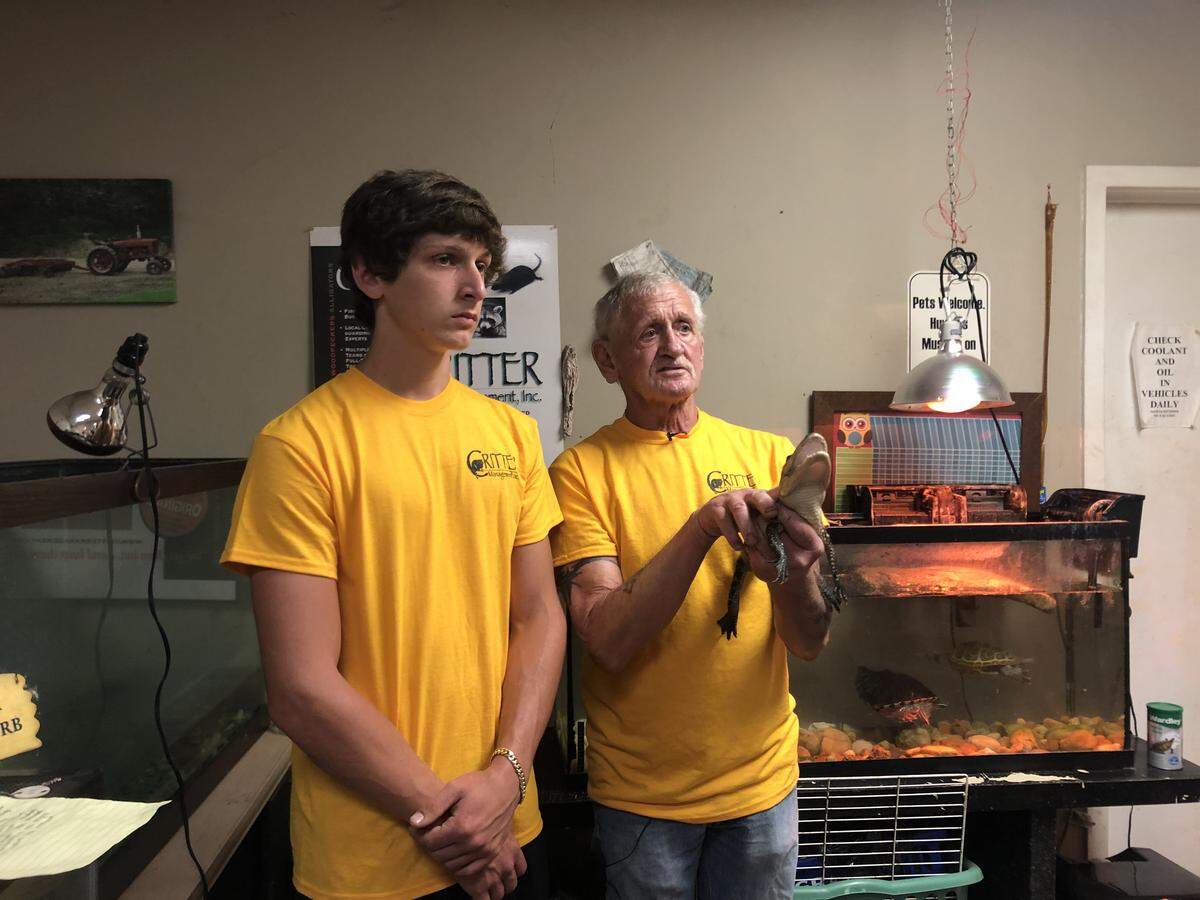
Joe Maffo in a Monday phone call reiterated that “nobody should have ever sat on that alligator,” referring to the incident at Legendary Golf, but added that he wished Bradley had reached out to speak with him about alligator issues.
“Let’s do this jointly,” said Joe Maffo, noting his years of experience with the reptiles.
He also encouraged residents to simply enjoy alligators and not feed them, because that’s when the animals can become a nuisance, he said.
What else would Bradley’s bill do?
The bill, H. 3538, also would ban the disposal of a dead alligator’s remains into streams and ditches and onto public boat ramps, among other places.
Additionally, the bill would establish new DNR reporting requirements for depredation permit holders that euthanize alligators.
The bill also states, among other things, that people capturing alligators “must take all reasonable precautions to protect the health and safety” of residents and “prevent direct contact” between the public and captured alligators.
Bradley did not respond to phone messages in recent days. His bill is awaiting consideration in the Senate Fish, Game and Forestry Committee.
This story was originally published March 14, 2022 at 12:30 PM.