Beaufort Co. overcharged thousands of delinquent taxpayers for years, lawsuit alleges
More than 80,000 Beaufort County residents who paid their taxes late may have been overcharged, according to a lawsuit filed Monday in Beaufort County court.
The lawsuit, which seeks class-action status on behalf of all delinquent taxpayers from 2018-21, accuses the county government and its treasurer’s office of turning a profit by collecting excess fees.
Monday’s suit, brought by a group of nine plaintiffs, is the second lawsuit alleging that Beaufort County and its treasurer’s office have charged delinquent taxpayers above what is allowed by South Carolina law. Another lawsuit, filed in 2018 by seven of the same plaintiffs, covered tax years 2015 to 2018 and is pending.
At the center of both lawsuits is the county’s collection of a $75 “treasurer fee” and an “execution fee” from residents who paid their property taxes late.
The suits allege that these fees have resulted in profits for the treasurer’s office that, at times, have been transferred to the county’s general fund for government use.
From 2009-20, the Beaufort County Treasurer’s Office has made a $2.15 million profit from collecting fees from delinquent taxpayers, Monday’s lawsuit alleges.
Beaufort County spokesperson Chris Ophardt, in a statement Tuesday, said the county was reviewing the suit and will “address the matter during court proceedings.”
Most property taxes are due by Jan. 15 each year. If the bill is not paid by March 17, it is considered delinquent. The two fees are typically applied in the months after delinquency, according to the Beaufort County Treasurer’s Office.
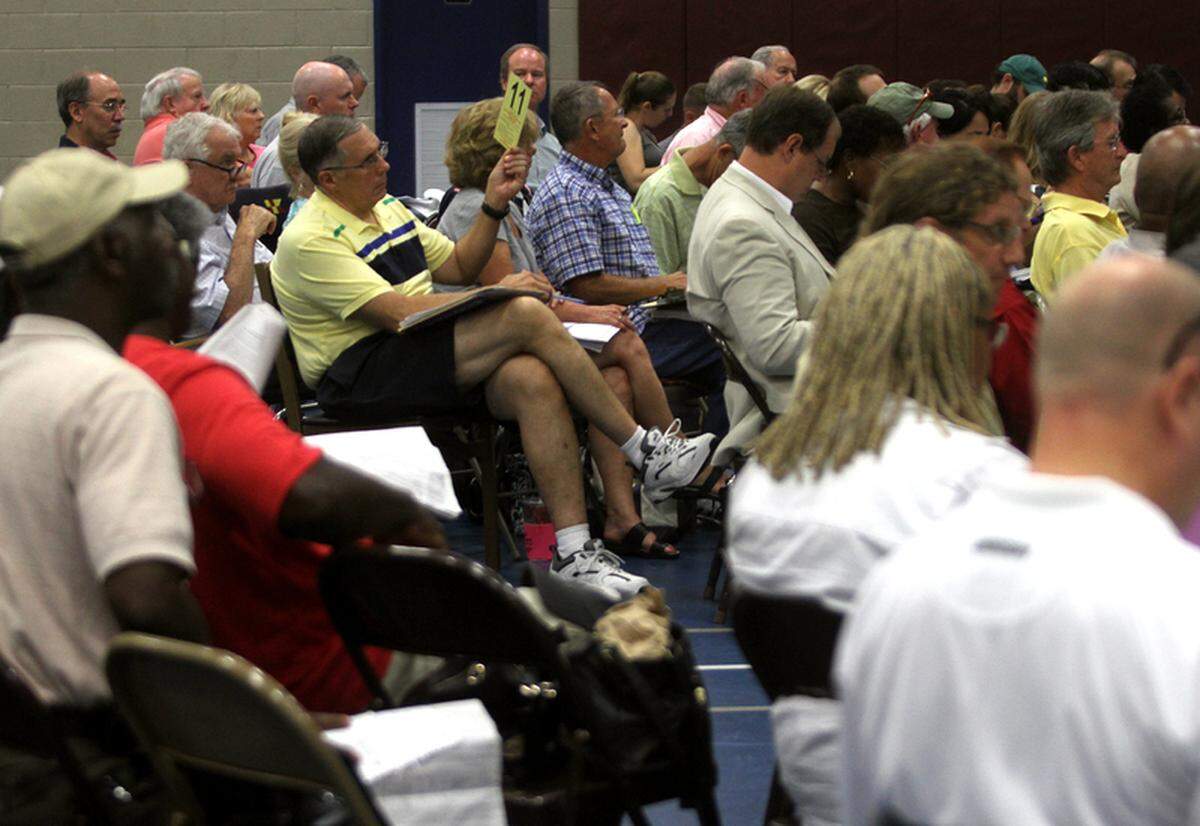
Each fall, Beaufort County holds its tax delinquency sale where the public can bid on properties whose owners still owe taxes. Bidders pay the outstanding taxes and get the deed to the property after one year. The county, and nearly every state in the U.S., calls these sales the “forced collection of property taxes.”
It’s also the biggest modern threat to native-owned land, cultural preservationists have said.
The attorney who filed both suits, Russell Patterson, reached by phone Tuesday, said the fees are in excess of state laws 12-45-180(A) and 12-51-40, which he said allow local governments to recoup specific costs associated with delinquent taxes but not make a profit from the process.
Instead, Patterson said, the fees are “almost a slush fund” — used for office renovations, payroll and other expenses.
County Treasurer Maria Walls, in a statement Tuesday, said the primary issue in both lawsuits is whether taxpayers who pay on time should bear the costs associated with pursuing delinquent taxpayers.
“It is our position that not only is our practice supported and in fact mandated by South Carolina state law, but it is also the fairest for Beaufort County’s taxpayers,” she said. “Our goal has never been to make money off of delinquent taxpayers, but to require them — and not the law-abiding citizens of Beaufort County — to cover the entire cost of collecting delinquent taxes.”
Patterson’s lawsuits cite two S.C. attorney general opinions from 1993 and 2012. The latter states: “... we believe a court would likely conclude that any fees imposed by a county treasurer in addition to the penalties and costs expressly permitted ... are invalid as being not authorized by statute.”
The county’s execution fee was initially $50, but was dropped to $25 in 2018, Patterson said. Even with the reduced fee, Beaufort County is making millions in extra money from “financially distressed” delinquent taxpayers, he said.

“A lot of these taxpayers are native islanders and Gullah landowners,” he said. “We’d like [Beaufort County] to comply with the statute and stop charging this excessive fee.”
Although Treasurer Walls is named as a defendant in both lawsuits, Patterson said the problem precedes her time in office. Walls was first elected in 2014 and re-elected in 2018.
“Maria Walls has done a great job as the treasurer,” he said. “This practice was going on before she was treasurer. She continued to do what the last treasurer did.”
Monday’s lawsuit asks a judge for class-action status on behalf of all taxpayers who paid the two fees from 2018 to 2021; an order for an accounting of all the money collected through the two fees; a permanent injunction that prohibits Beaufort County and the treasurer’s office from collecting excess fees; and an order refunding the plaintiffs and all delinquent taxpayers who paid any excess money.
Patterson said the 2018 lawsuit was granted class-action status in 2020 and he just recently finished deposing Walls. He said he expects that case to go to trial this year.
“We have all the figures. We know how much money was overcharged. It adds up to millions of dollars over time,” he said.
This story was originally published January 4, 2022 at 2:25 PM.