This document shapes Beaufort Co.’s next 20 years. Some say it will hurt Black residents
Beaufort County is finishing its comprehensive plan — a guiding document required by the state that will effectively shape the county’s future for the next 20 years.
The $238,370 study, which followed a two-year planning process among county officials, staff, consulting firm Design Workshop and residents, seeks to manage the area’s explosive population growth, encourage affordable housing, provide for road and infrastructure improvements and protect the environment.
Once approved (likely in September), officials will use the document to make important decisions about the county of 576 square miles and 192,000 people, such as where to build housing, what land to preserve, which roads need to be fixed and where the lion’s share of tax money should go.
But the plan, available online in draft form, is drawing pointed criticism from a group of St. Helena Island landowners, who say it will hurt Black residents — about 18% of the county’s population.
Dawn Alston Paige, former executive vice president of an asset management firm turned real estate investor and political activist, says Black residents will suffer increased land loss, unemployment and poverty if the 130-page plan is approved as written.
It will codify these well-documented issues for years to come, she said.
Alston Paige, under the newly formed volunteer group Lowcountry Equitable Land and Resource Trust, is asking Beaufort County to survey 1,500 Black residents about the plan, create an equity task force to study economic disparities within the county and submit a new comprehensive plan that is more fair to Black residents.
“The plan basically tells us we are planning for the demise of the Black residents of Beaufort County because we will not invest in them,” Alston Paige said. Effectively, it tells the population: “We will not build homes. We will not create jobs. We will not give them any tax relief,” she said. “But we will do that for the people on the other side of the tracks.”
For some county officials, however, criticism of the comprehensive plan illustrates a complicated and longstanding divide among residents and officials about how to plan for the county’s growth.
Evident in this divide, they say, is the debate between those who wish to preserve land to limit growth and those who say that impeding development in rural communities will hurt those who live there.
The comprehensive plan
Beaufort County’s population has grown over 18% since 2010, largely due to increased development south of the Broad River in areas such as Bluffton and Hardeeville.
By 2030, the county’s population is expected to jump to over 240,000.
The comprehensive plan seeks to plan for the projected influx of new residents while also protecting “natural and cultural resources.”
The county is completing a companion Greenprint Plan that will be used to buy and preserve land through the Rural and Critical Lands Preservation Program.
After Beaufort County Council approved the comprehensive plan study in 2019, the county held a series of open houses, surveys and planning sessions to find out what officials and residents want for the county in the future.
The draft plan focuses on three chapters or themes:
▪ Resilient — adapting and thriving in a dynamic coastal environmental and changing economy.
▪ Equitable — ensuring all neighbors have fair and equal access to safety, quality of life, health, amenity and opportunity.
▪ Unique to place — preserving and promoting a built and natural environment that is of “the Lowcountry way of life.”
The comprehensive plan has an action plan playbook that breaks down how the county will attempt to solve issues such as the environment, housing, cultural identity, economy and infrastructure.
Among the recommendations:
▪ Install monitoring wells in areas that rely on septic systems
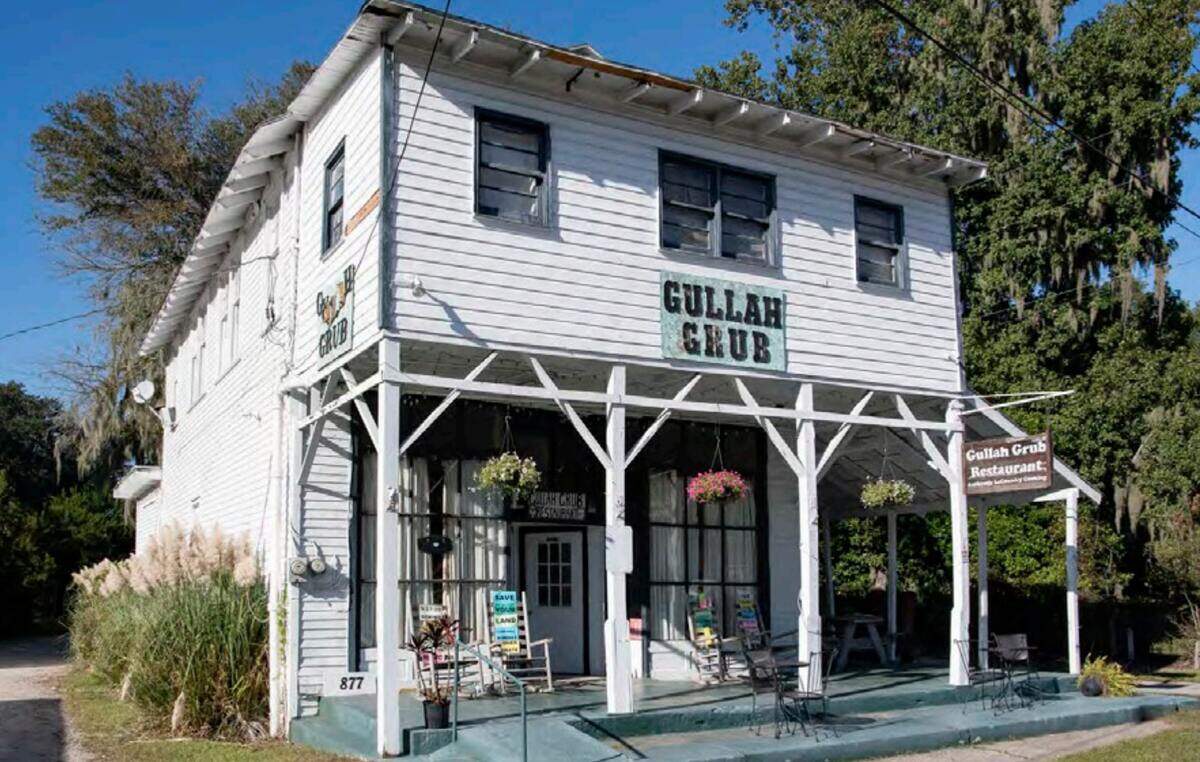
▪ Create a resource inventory to protect Gullah/Geechee land and communities
▪ Purchase 30 to 60 acres in each local jurisdiction to encourage companies to move to Beaufort County
▪ Target land purchases in walkable communities such as Buckwalter Place to encourage new companies
▪ Place a 1% sales tax referendum on the 2022 ballot to fund transportation projects (A measure recently floated by Council member Stu Rodman)
▪ Work with municipalities and Jasper County to create the Regional Affordable Housing Trust Fund
▪ Ban short-term rentals as a property’s primary use in certain residential areas
▪ Install trash compacting equipment at the county’s convenience centers
▪ Construct a new “Law Enforcement Center” — the recommendation does not say where
▪ Create a regional planning program with Beaufort County, Jasper County and Hardeeville.
Criticism of the plan
In a May 7 email sent to acting Beaufort County Planning Director Robert Merchant, Alston Paige criticized the county’s comprehensive plan. She said it offers no investment in affordable housing, training and jobs for Black children and will make it less safe and more expensive for Black youth to reach “designated economic hubs.”
Criticism of the plan, outlined in the printed email handed to Beaufort County Council members last week, centers on the rise in housing rates across the county, a worry that police presence will increase in “vulnerable communities,” a perceived plan to “funnel” millions of dollars to areas with “high concentrations of non citizens and rich white landholders,” and the use of conservation easements to “control population movement and demonetize the assets of the poor.”
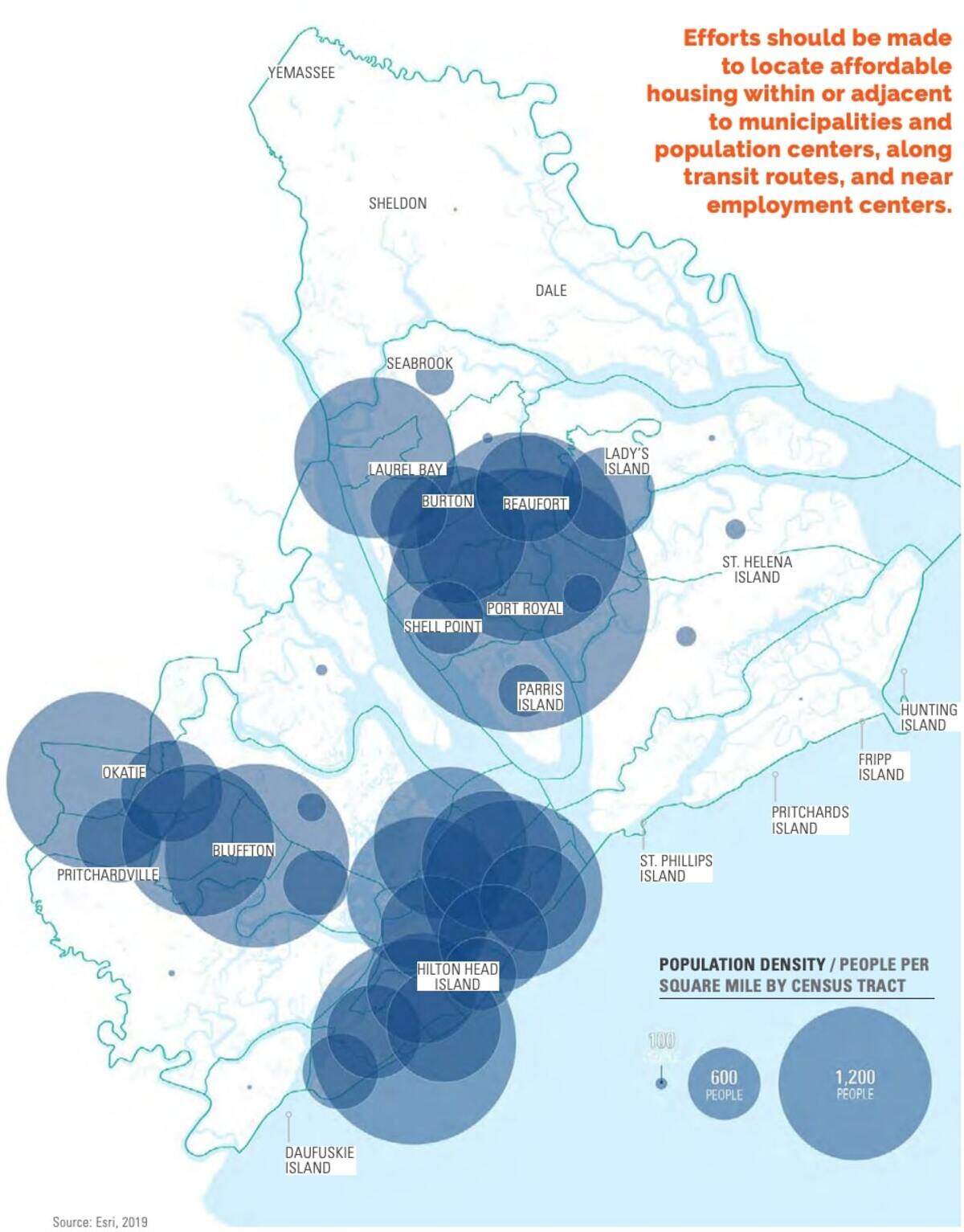
A former portfolio manager and executive vice president of Piedmont Investment Advisors LLC in Raleigh, N.C., Alston Paige told a reporter she has shifted gears toward work as a political lobbyist and activist.
That activism spawned the Lowcountry Equitable Land and Resource Trust, a volunteer subset of Alston Paige’s Concerned Black American Citizens organization — a group that advocates for “pure reparations and a focused agenda of restorative policies to repair and rebuild the Black family after decades of targeted wealth destruction by the United States government.”
After speaking on St. Helena about her work, Alston Paige rallied a group of eight landowners to serve on a task force to “address the disparities” found in the comprehensive plan, she said.
For Willie Turral, a St. Helena resident and a member of the task force, the comprehensive plan illustrates a “tale of two counties” — where money and resources are allocated south of the Broad River, and Black residents on St. Helena are “completely cut away.”
Because the county is focused on land preservation instead of building infrastructure and businesses, St. Helena residents will be forced to look elsewhere for jobs and affordable homes, he said.
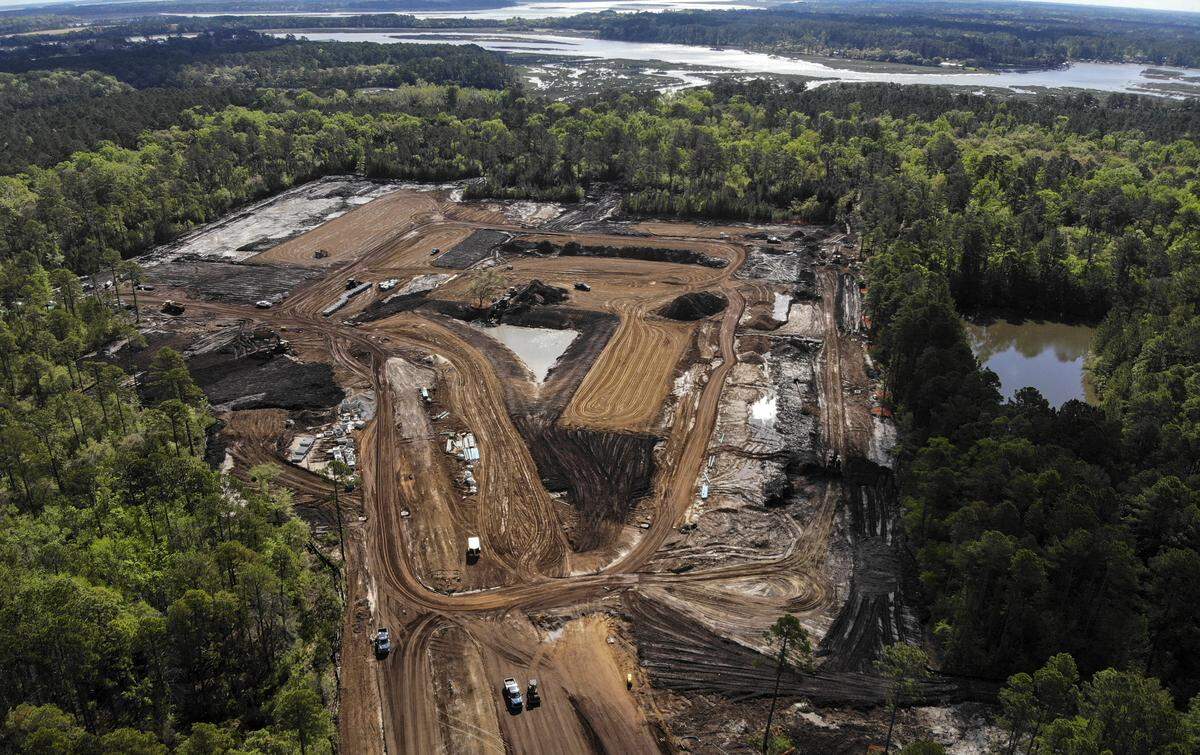
“It’s a very disgusting thing. It’s a really atrocious tragedy,” he said. “You can’t preserve a culture by preserving grass and trees. What you’re saying is, we’re going to tie up all this property in preservation. We’re putting money in to not develop St. Helena.”
Some residents have criticized York Glover, who represents St. Helena on Beaufort County Council, over the plan. Contacted by a reporter, Glover said he doesn’t believe St. Helena has been shut out.
The debate between land preservation and development is long running in Beaufort County, he said. The county has focused on using conservation easements to protect land, but if residents on St. Helena want to see increased density, they need to say so, he said.
Beaufort County has struggled to get residents’ input on the plan due to the COVID-19 pandemic, he said. In the wake of criticism lobbed at the planning process, officials plan to hold two more community information meetings next month to hear from residents, he said.
Merchant, the planning director, told a reporter that land-use planning is a “very complicated issue.” Land preservation is popular in coastal regions like Beaufort County, but he said he also understands the reverse argument: that halting development might lead to less investment in rural communities.
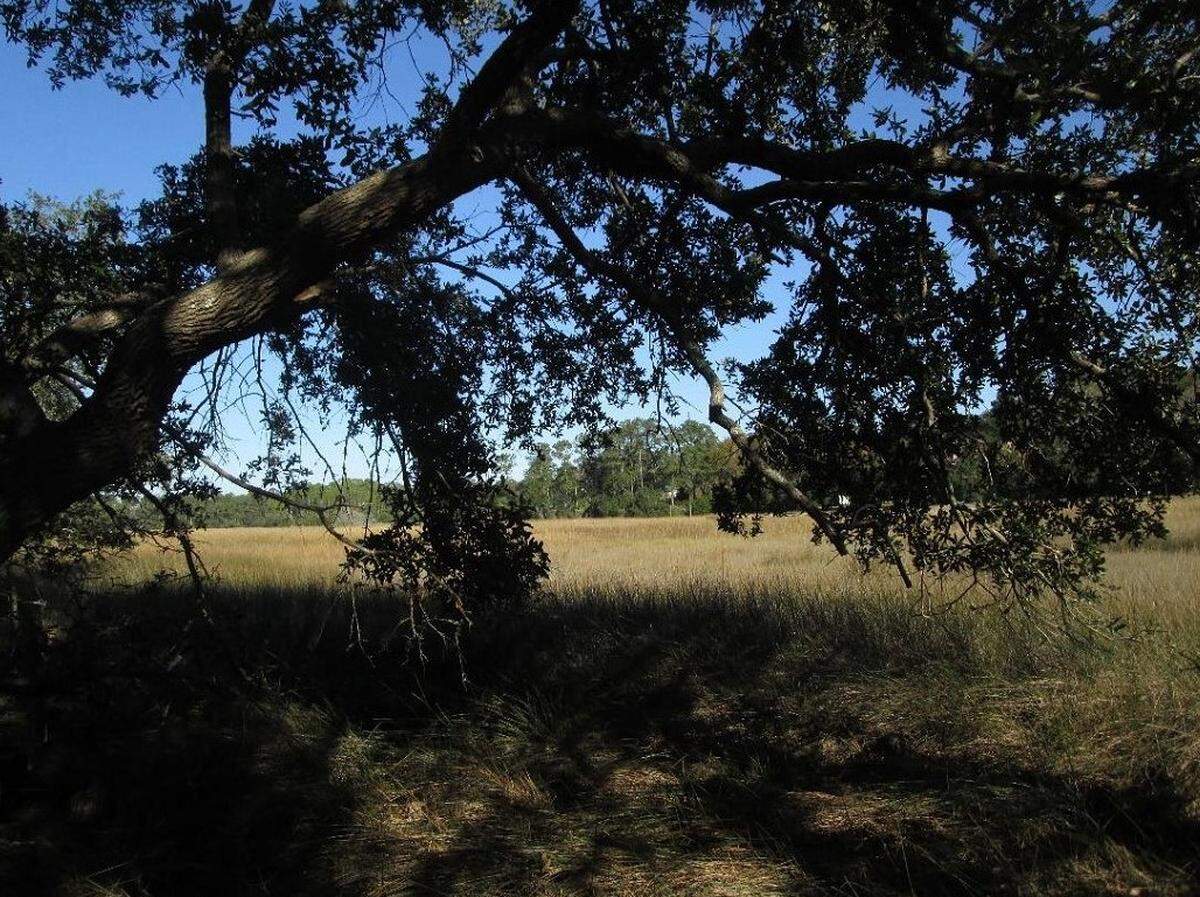
He said the county plans to add affordable housing near jobs and shopping rather than “far-flung” areas of the county.
“We’re following good planning principles of locating affordable housing near jobs and high-employment areas,” he said. “I think that policy then may have an impact on having less housing available in rural areas, but from our standpoint, it’s better suited to areas for people to access jobs.”
Echoing Glover’s comment, Merchant said COVID-19 was a big factor in the lack of responses from residents on the plan. This, he acknowledged, resulted in skewed data and caused some areas not to be represented as well.
“We did recognize that that was a problem,” he said.
Beaufort County will hold two community meetings about the plan in June, he said:
▪ June 8, 5 to 7 p.m., at the Burton Wells Recreation Center, 1 Middleton Recreation Drive, Beaufort
▪ June 10, 5 to 7 p.m., at the St. Helena Branch Library, 6355 Jonathan Francis Senior Road, Beaufort.
“I think there’s a really positive side to this criticism in that it caused us to rethink and have some some more in-person meetings,” he said.
This story was originally published May 31, 2021 at 4:35 AM.