Beaufort County will vote on new sales tax in November, but critics worry about turnout
Beaufort County voters will decide in November whether they approve of a 1% local-option sales tax on all taxable purchases countywide.
Beaufort County Council voted 7-4 on Monday to place the lone issue — a new sales and use tax — on the Nov. 2 ballot. Council members privately decided against adding a second ballot question to Monday’s agenda, which would ask voters to consider changing the county’s form of government.
Monday’s final approval means Beaufort County will hold an off-election year referendum in November, and critics of the plan say that may lead to low voter turnout.
Over the last year, municipal leaders have lobbied the county to place the tax on the ballot. Officials in Beaufort, Bluffton, Hardeeville, Hilton Head Island, Port Royal and Yemassee signed a letter supporting the tax.
They say it would split the tax burden between residents and tourists and help pay for local capital projects like parks, roads and sidewalk improvements. Beaufort County is one of only 14 counties in the state that doesn’t have a local-option sales tax, according to the S.C. Department of Revenue. The county has tried and failed to pass such a proposal twice since 1990.
Council members Logan Cunningham, Gerald Dawson, Chris Hervochon and Stu Rodman voted against the referendum.
Proposal to change county structure
It’s unclear whether the proposal on changing county government is still on the table. The ballot question would have asked voters to consider changing the county’s form of government, effectively making the county’s auditor and treasurer non-elected positions that report to the county administrator.
Though County Council members have not said exactly why they wanted to change the county’s government structure — Vice Chair Paul Sommerville cited “slander and libel” concerns — it appeared to be how the council wanted to handle problems with County Auditor Jim Beckert.
Beckert was embroiled in a volatile tax rate dispute with the county last year and faced allegations of harassment and stalking from female county officials, The Island Packet reported.
Although the County Council approved the proposal on two readings, it was not placed on Monday’s agenda for final approval.
Council Chair Joe Passiment told The Island Packet before the meeting that some council members made a “conscious decision” to focus on the sales tax and would discuss the government change at a later date.
“We’re going to be discussing that,” he said in an interview. “We can take this up a little bit later.”
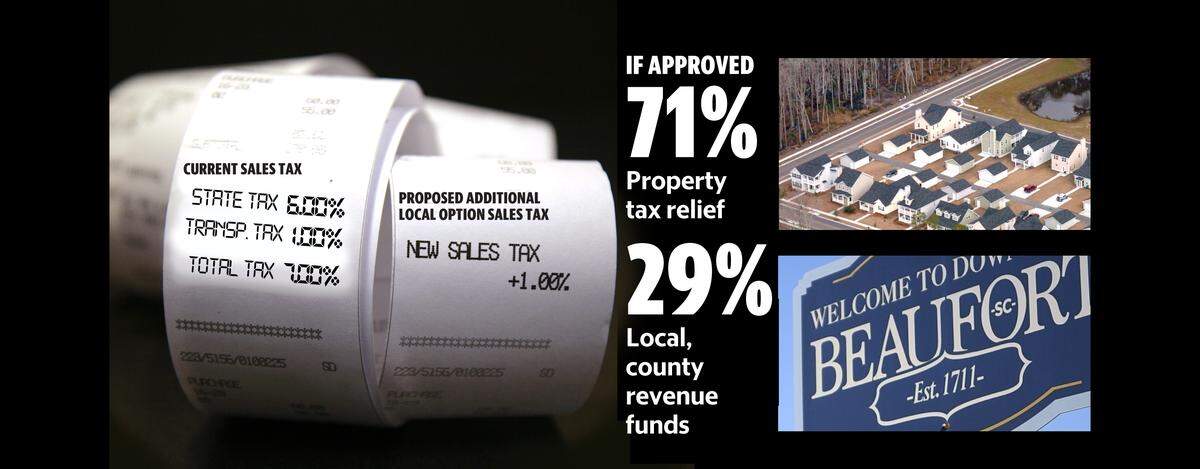
How sales tax would work
The local-option sales tax, or LOST, would be a 1% tax on the gross proceeds of sales within the county. Unlike the penny sales tax voters approved in 2018, the LOST would have no set end date and no specific use.
Instead, 71% of the tax proceeds would be distributed to the property tax credit fund, and the remaining 29% would go to county and municipal revenue funds.
According to the S.C. Department of Revenue, which would collect the tax on behalf of the county, the tax is “on all sales at retail taxable under the state sales and use tax” — with a few exceptions — and is a way to reduce the property tax burden on property owners.
If approved by a majority of Beaufort County voters, the tax would go into effect July 1, 2022, according to the proposal.
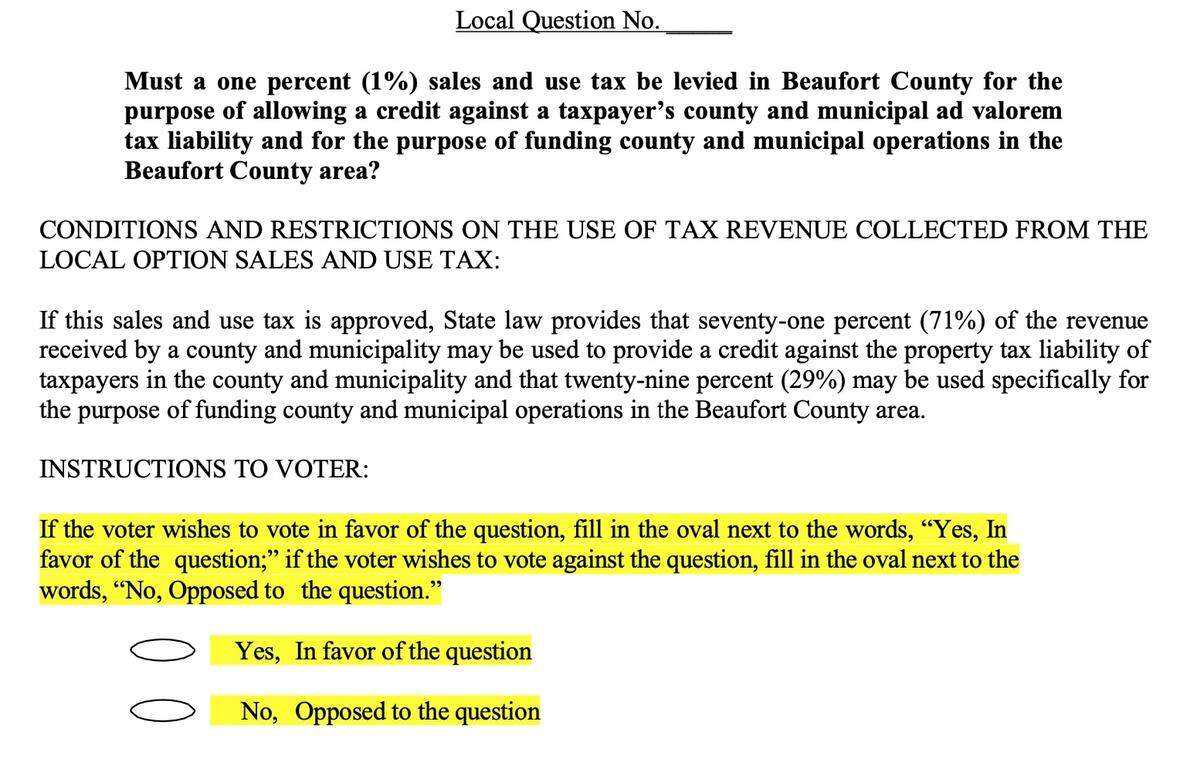
Supporters say the proposed tax would shift some of the tax burden from Beaufort County property owners to tourists. Critics, however, say it’s a regressive tax, favoring high-income property owners and landlords over renters and low-income residents.
Council members Cunningham and Hervochon argued that the off-election year referendum would only bring about 12% to 15% of residents to the polls.
Once the council approved the proposal, Cunningham said Monday, “we’re out of the game. Whoever has the money can push whatever agenda they want on 12 to 15% of the voters.”
Resident June Sullivan spoke against the sales tax during Monday’s public comments section. She argued that the council should not push for a new tax on the heels of the COVID-19 pandemic. She said the tax would take money away from people who have lost jobs, family members and businesses.
“This is hardly the time to be asking for more money,” she said. “Especially more money that you can’t even say what you want to do with.”
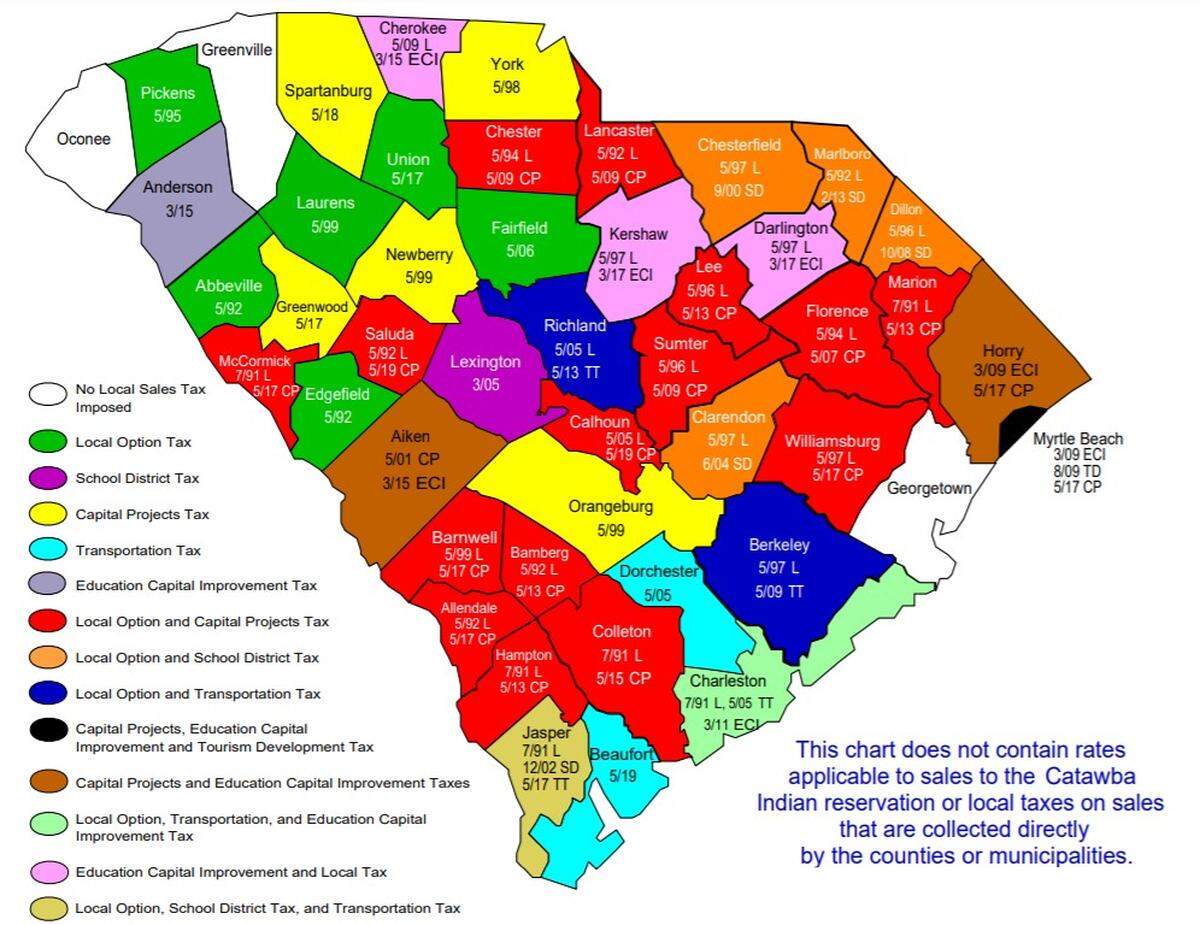
Council member Stu Rodman, who is separately pushing for a new transportation tax in 2022, previously said the proposal was problematic. But supporters say the tax is necessary for municipal operations and will benefit residents.
“We have a significant amount of capital needs,” Beaufort Mayor Stephen Murray previously told The Island Packet and Beaufort Gazette. “A large percentage of our users are visitors, but they use our parks, and they drive our roads. The sales tax is a better mechanism for them to contribute.”
This story was originally published May 10, 2021 at 8:41 PM.