Beaufort Co. wants you to pay more when shopping. It could mean less property taxes
Just two years after passing the penny sales tax in a 2018 referendum, voters in Beaufort County could be asked again whether to approve an additional tax this coming November.
Beaufort County Council is debating whether to place on the ballot a 1% local-option sales tax referendum on all purchases countywide.
The county has tried, and failed, to pass a similar tax twice since 1990. The county discussed the issue again in 2013 but never placed it on the ballot.
The local-option sales tax, or LOST, which has split council members, would allow for a tax credit to offset a resident’s county and municipal property taxes and would be a source of revenue for county and municipal government operations. According to the S.C. Department of Revenue, which would collect the tax on behalf of the county, the tax is “on all sales at retail (with a few exceptions) taxable under the state sales and use tax” and is a way to reduce the property tax burden on property owners.
In essence, the proposed tax would shift some of the tax burden from Beaufort County property owners to tourists or visitors who don’t own property.
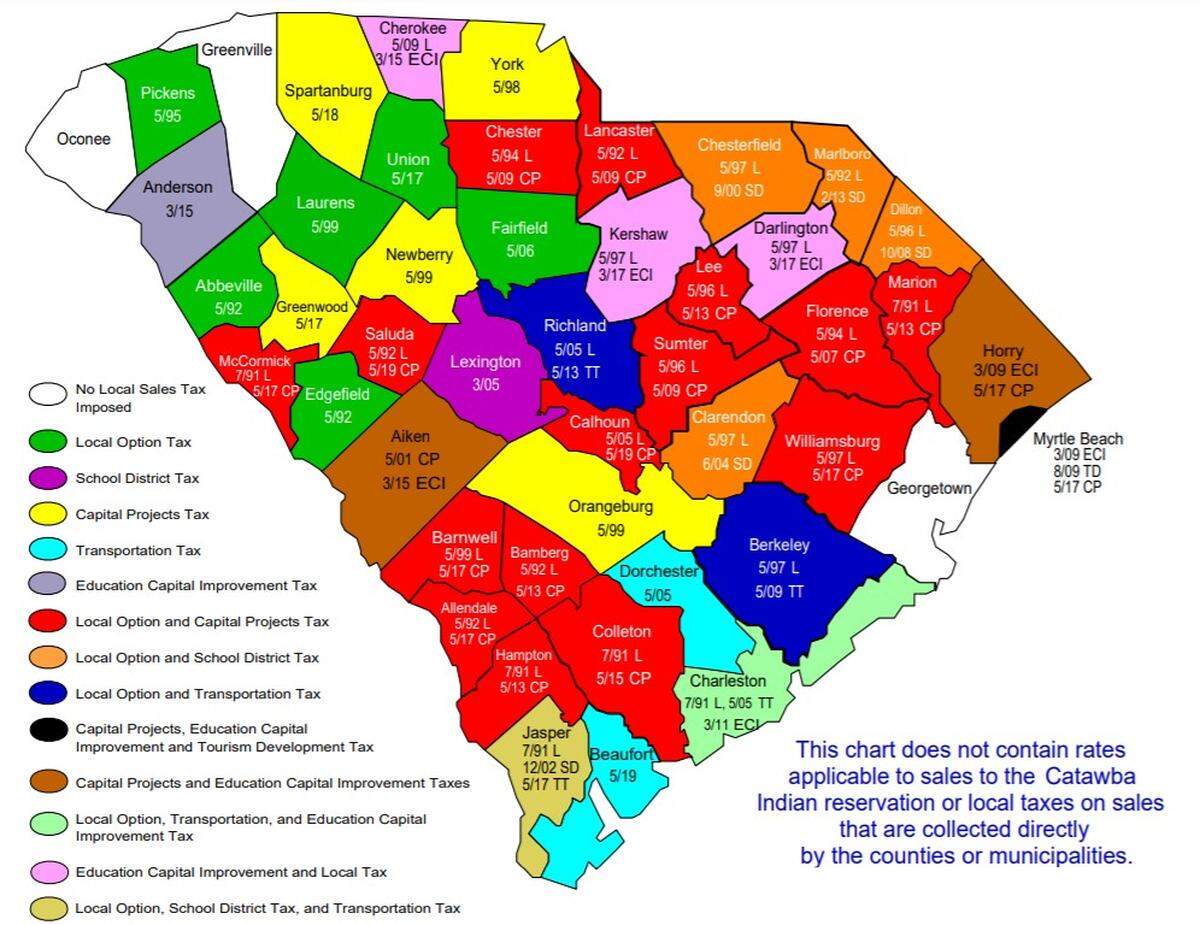
Beaufort County is one of only 14 counties in the state without a local-option sales tax, according to the S.C. Department of Revenue.
Officials in Beaufort, Bluffton, Hardeeville and Port Royal have signed declarations supporting the proposed tax.
The timing, however — the country is in the midst of a global pandemic, and many residents are out of work — has some county council members hesitant about adding another financial burden on its citizens.
“The optics of this right now are a little poor,” Council member Mike Covert said. “This is not the right time. I think the economy needs to recover. I think this would send a very strange message to the voters.”
This week, council members were split 6 to 5 on whether to place the proposed tax on the Nov. 3 ballot. The measure is due for the second of three readings on April 27.
The proposed tax
According to a 1990 South Carolina law, counties can pass a local-option taxes on 1% of the gross proceeds of sales within the county if approved by a referendum.
While some taxes can be used to raise money for specific purposes like transportation, school construction or other capital projects, the tax proposed in Beaufort County would have no dedicated use.
Instead, 71% of the tax proceeds would be distributed to the property tax credit fund, and the remaining 29% would go to the county and municipal revenue funds.
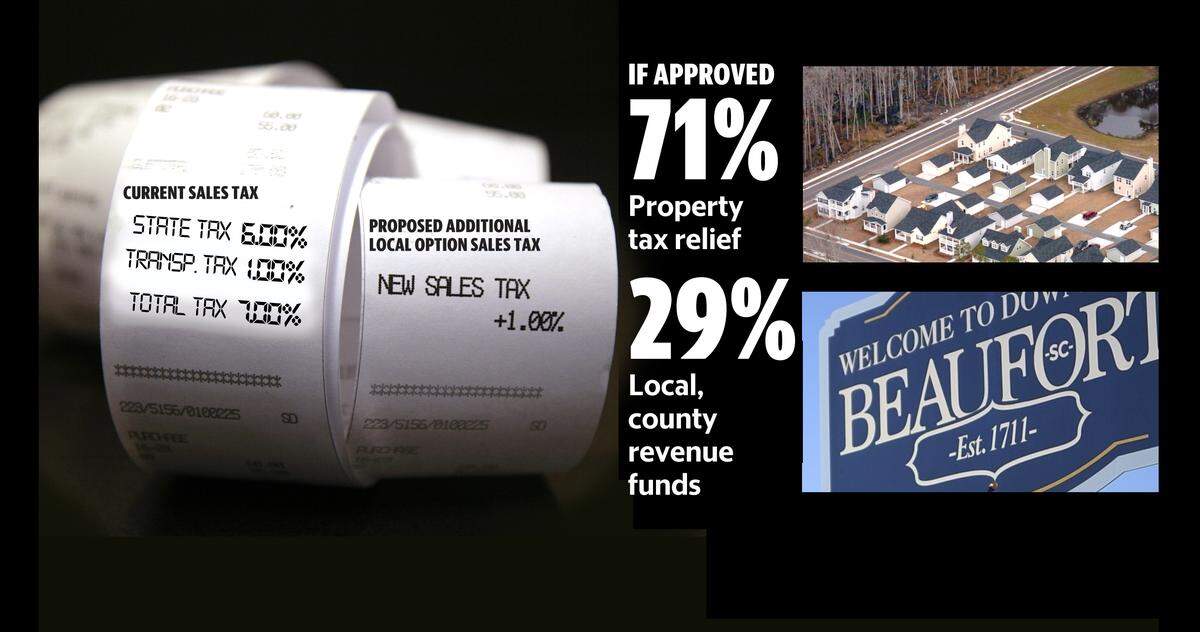
With the penny sales tax that took effect in May 2019, Beaufort County has a 7% sales tax rate. However, unlike the penny sales tax which is in place for four years or until the S.C. Department of Revenue collects $120 million, the new proposed tax has no end date.
Support and skepticism
Beaufort Mayor Billy Keyserling said local municipalities have been pushing the county to get the tax on the ballot because it would both lessen the tax burden on citizens and help municipal government pay for capital projects.
Keyserling said that if the city of Beaufort could get the measure on the ballot without a vote of the County Council, “people would support it because they know the stormwater challenges ahead.”
“This year, more than other years, we’re going to face a shortfall which is going to cut into what we normally can do,” he said. “While no one likes to raise taxes, we believe that the citizens would know that 71% by law must be reallocated towards a credit on your property taxes.”
In Beaufort, the other 29% would bring in “close to $1 million that can be invested on infrastructure needs that have been put on the backburner,” he said.
About 40 to 50 percent of the sales tax revenue would come from visitors to the county, Keyserling said.
“We’re very much for it, and we’re urging the county to do it,” he said. “The County Council, like in most issues in recent years, is split. Without their aggressive support, it wont get on the ballot.”
As of now, the proposed measure doesn’t have aggressive support from the county.
This week, citing concerns about current economic uncertainty related to the coronavirus crisis, council members Mike Covert, Gerald Dawson, Chris Hervochon, Larry McElynn and Stu Rodman voted against adding the proposed tax on the November ballot.
“I would say that given the current condition that we’re in, I think the mayors will understand us not moving forward with this,” Dawson said. “I’m going to vote against it.”
Council members Brian Flewelling, Paul Sommerville, York Glover, Alice Howard, Mark Lawson and Joe Passiment voted on first reading to place it on the ballot.
Flewelling, Lawson and Howard each clarified that they weren’t taking a position on the measure, but wanted to put it on the ballot to let voters decide.
After the council’s preliminary vote, Keyserling said the measure is going to need more than 6-5 support to get it on the ballot.
“It’s a business decision, not a political decision,” he said. “But, it’s a business decision made by elected officials, so it becomes political. It’s based on our local needs and to try to give a break to the property tax payers who are paying significant taxes.”
This story was originally published April 17, 2020 at 9:51 AM.